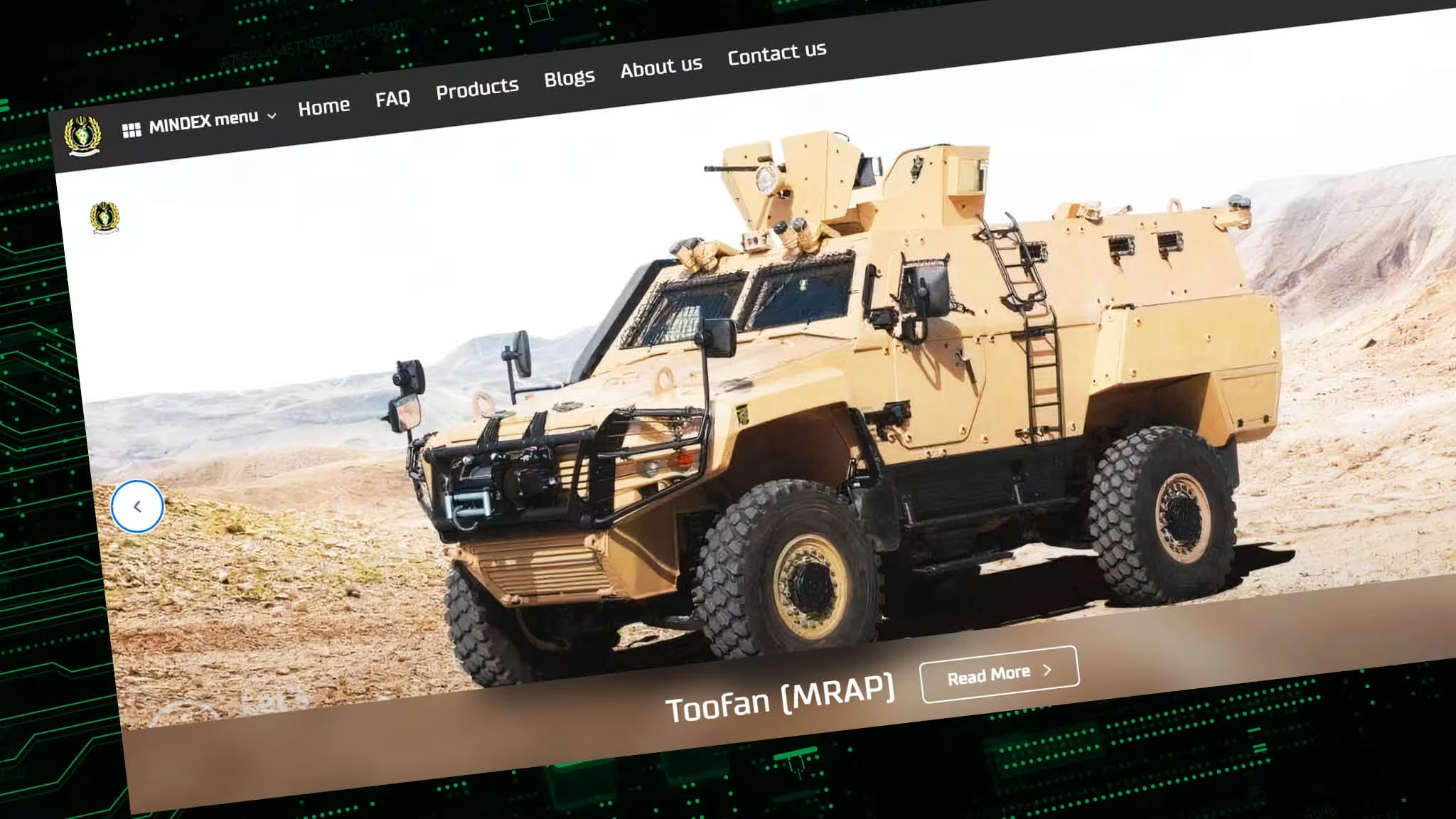
Iran Considers Crypto Payments for Advanced Weapon Sales
Iran has proposed to sell advanced weapons systems in exchange for cryptocurrency, raising concerns about the potential use of digital currencies in international arms transactions.

All articles tagged with #arms trade
Iran has proposed to sell advanced weapons systems in exchange for cryptocurrency, raising concerns about the potential use of digital currencies in international arms transactions.

China stated that its arms trade with Thailand and Cambodia is unrelated to the ongoing border conflict between the two Southeast Asian countries, urging for peace and emphasizing its role in mediating the situation while denying involvement in the clashes.
The European Union is exploring ways to bypass a treaty ban on buying arms to provide military support to Ukraine in its conflict with Russia, as the EU seeks to bolster Ukraine's defenses without violating international agreements. This move comes amid escalating tensions between Ukraine and Russia, with the EU aiming to find legal and diplomatic avenues to provide military assistance to Ukraine while navigating the constraints of existing treaties.
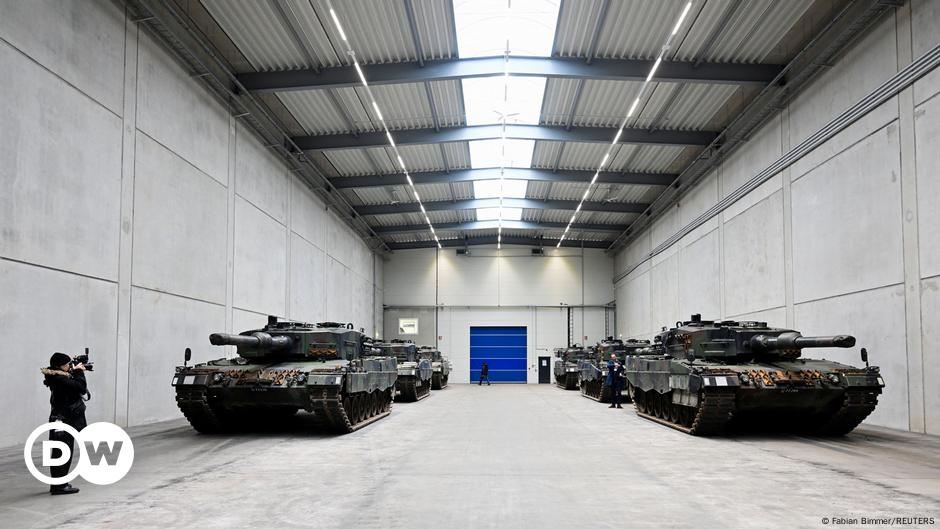
The ongoing war in Ukraine has led to a surge in arms purchasing in Europe, with the United States emerging as the main beneficiary, according to a study by SIPRI. The US increased its global arms exports by 17%, with European countries accounting for 55% of its sales. Ukraine, in particular, saw a dramatic increase in arms imports, becoming the world's top arms importer in 2023. Meanwhile, Russia's arms exports declined by 53%, with France overtaking Russia as the second-largest arms exporter. Germany's arms exports remained steady, with the Middle East as its main customer region, while African countries saw a decline in arms purchases.
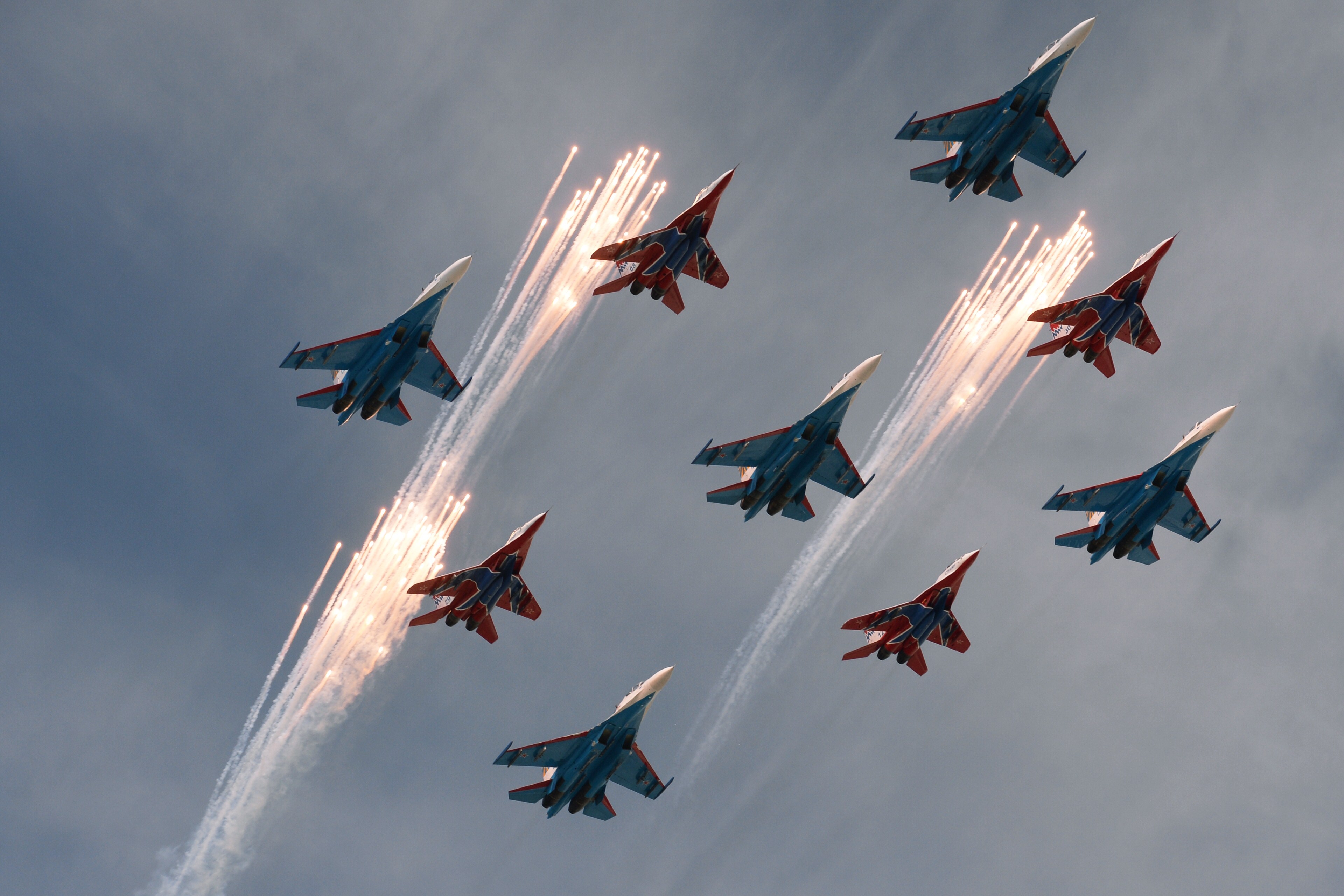
Russia's arms export industry has suffered a significant decline, dropping to third place behind France and the U.S. due to a 53% decrease in exports from 2014–18 to 2019–23. The war on Ukraine, struggling economy, and Western sanctions have hampered Russia's ability to compete in the global arms market. The country's reliance on Asian and Oceanian markets, particularly India and China, is also diminishing, with India turning to France and the U.S. for military equipment. Additionally, China's growing self-sufficiency in arms production has further reduced its reliance on Russian imports, leaving Russia with uncertain prospects for future arms exports.
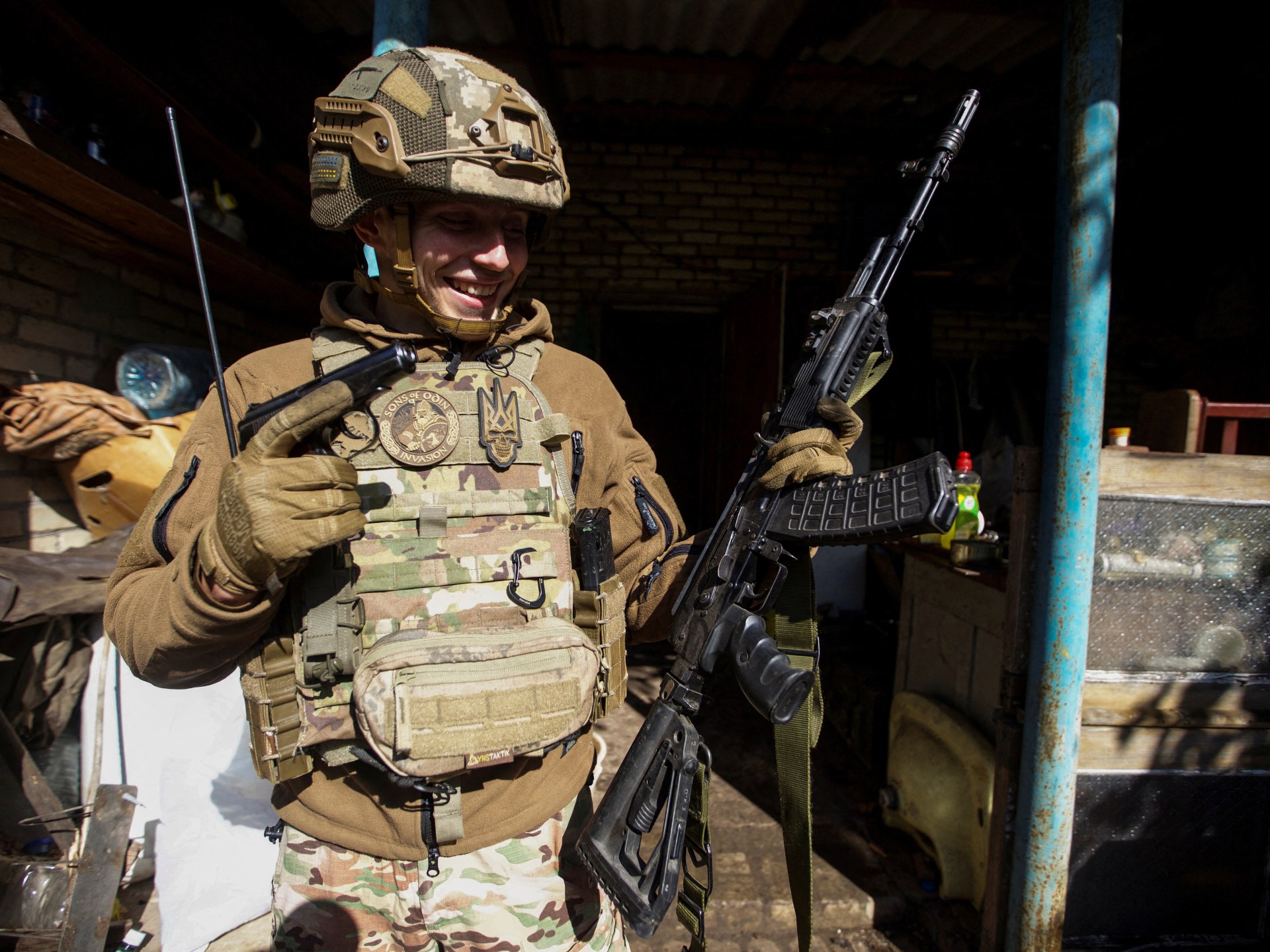
Russia is resorting to export requisitions and buybacks to replenish its diminishing arsenal as it continues its invasion of Ukraine. The Wall Street Journal reports that Russian officials have approached countries such as Egypt, Pakistan, Belarus, and Brazil to recover engines and transport helicopters lost to Ukrainian defenses. Moscow is also increasing domestic production. The war in Ukraine has caused tens of thousands of casualties and strained diplomatic relations between Russia and the West. Meanwhile, Russia has withdrawn from the Treaty on Conventional Armed Forces in Europe, citing NATO's expansion as a hindrance to cooperation. Ukraine's counteroffensive has been hindered by delays in receiving weaponry from Western allies.
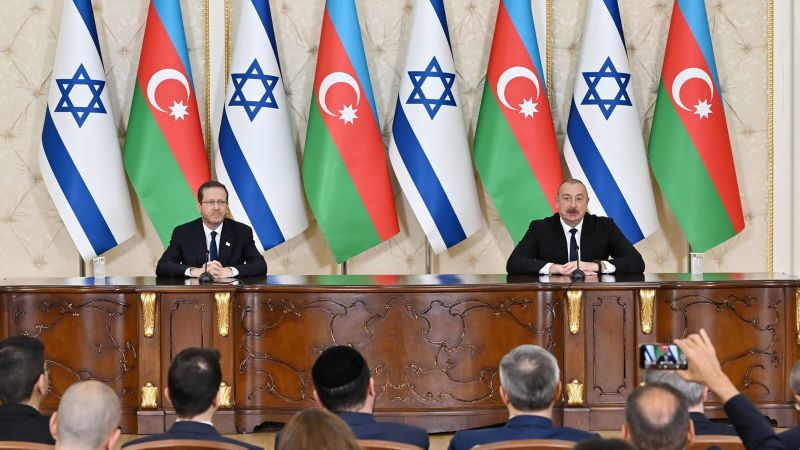
The arms trade between Israel and Azerbaijan has come under scrutiny as Azerbaijan claims final victory in the Nagorno-Karabakh conflict. Israeli equipment, including drones and missiles, played a significant role in Azerbaijan's success in the 2020 war. Over 60% of Azerbaijani weapons imports came from Israel between 2017 and 2020. The ongoing weapons trade between the two countries, as well as their diplomatic ties, have raised concerns about Israel's involvement in the ethnic cleansing and displacement of ethnic Armenians in Nagorno-Karabakh. Pressure is mounting on Israel to reconsider arms sales to Azerbaijan from its Western allies, potentially straining its relations with both countries.
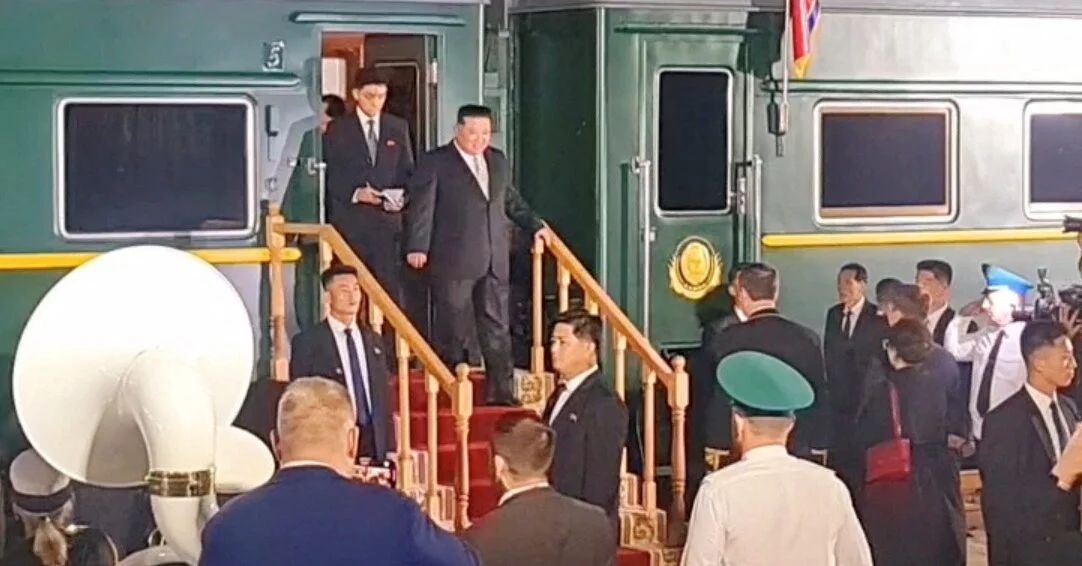
North Korean leader Kim Jong Un arrived in Russia for talks with President Vladimir Putin, despite warnings from the US against trading weapons. Kim, accompanied by top defense industry officials, arrived in Russia by private train and was greeted by a welcome delegation. Discussions between the two leaders could cover humanitarian aid, UN Security Council resolutions, and potential defense industry cooperation. The US has expressed concern over closer military cooperation between Russia and North Korea, and warned against arms talks that could involve weapons for the war in Ukraine.
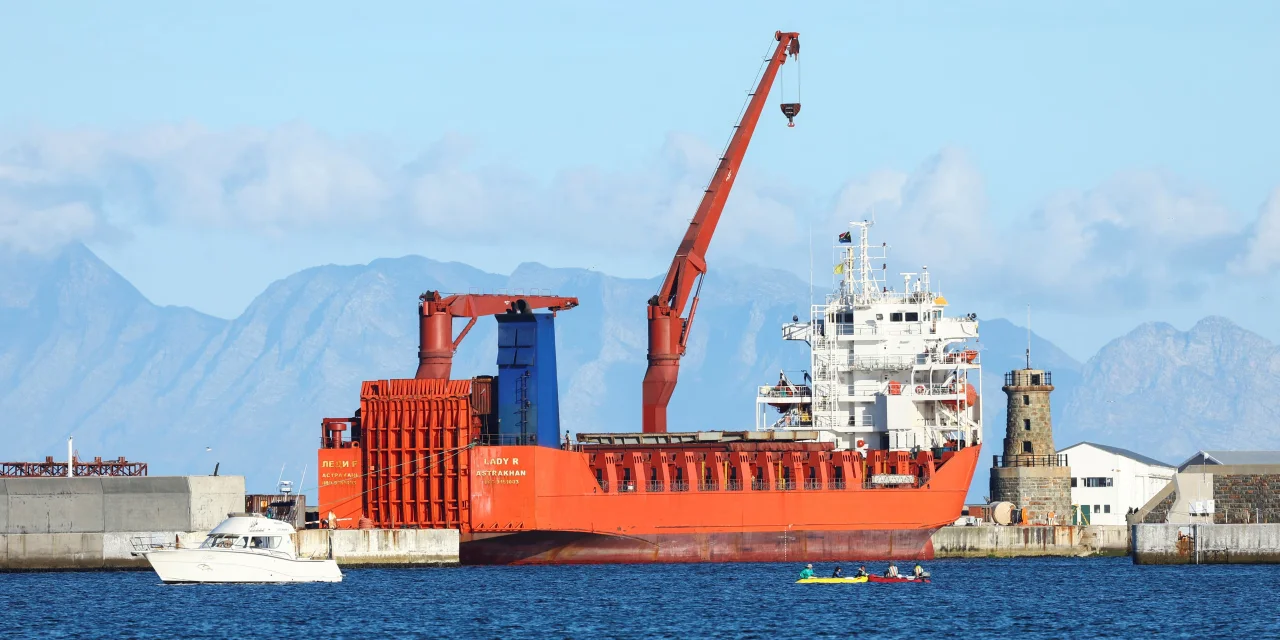
South Africa denies allegations that it delivered arms to Russia, following reports that a cargo plane carrying military equipment landed in Russia. The South African government states that the plane was on a routine refueling stop and did not transport any weapons to Russia. The incident has sparked controversy and raised questions about South Africa's involvement in the arms trade with Russia.
An inquiry in South Africa has rejected claims made by the United States that the country supplied arms to Russia. The inquiry found no evidence to support the allegations, which were made under the US Countering America's Adversaries Through Sanctions Act (CAATSA). The South African government has maintained that it adheres to international laws and regulations regarding arms trade.
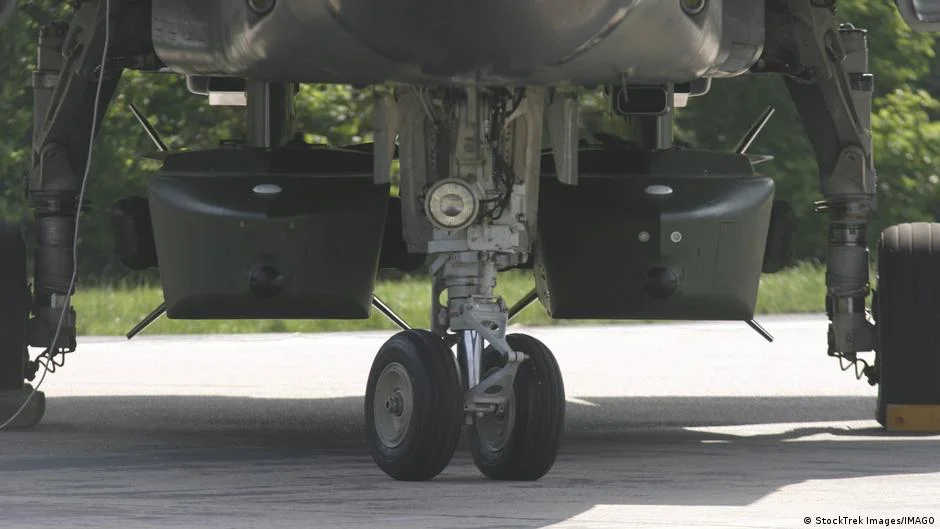
Germany is reportedly in talks with arms manufacturer MBDA to potentially send Taurus cruise missiles to Ukraine, with discussions focusing on altering the programming of the missiles to restrict possible targets. While the UK and France have already sent cruise missiles to Ukraine, Germany has been hesitant due to concerns about their potential use against Russia. The German government has not provided any new information on the status of the missile deliveries. The Taurus missiles are sought after by Ukraine for their precision and ability to fly at low altitudes, making them difficult to detect. The German opposition has called for clarification on the government's stance, emphasizing the need for careful consideration and no involvement of German soldiers. Germany currently has around 600 Taurus missiles in its inventory.
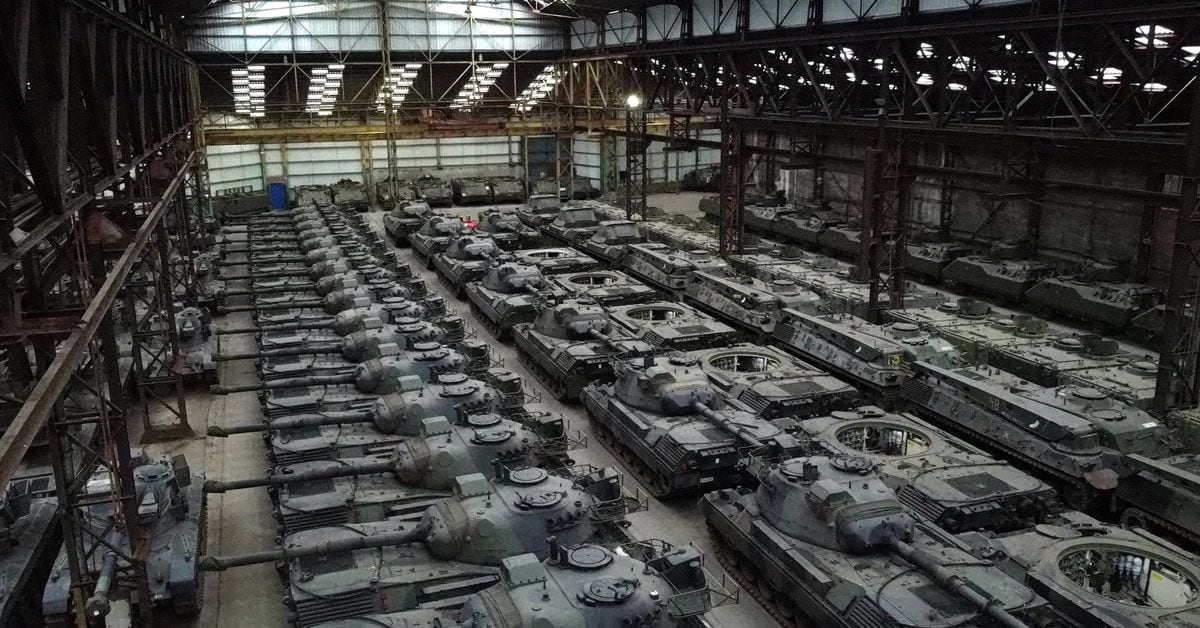
Dozens of second-hand Leopard 1 tanks, previously owned by Belgium, have been sold to another European country for Ukrainian forces fighting against Russia's invasion. The tanks were purchased by Freddy Versluys, CEO of Belgian defense company OIP Land Systems, who has now sold all 50 tanks to an undisclosed European government. German arms maker Rheinmetall is reported to have acquired the tanks and will prepare most of them for export to Ukraine. The German government is said to be paying for the restoration and transportation of 32 tanks as part of a support package for Ukraine. The Leopard 1 tanks will undergo substantial overhauls before being deployed in Ukraine, estimated to take four to six months.
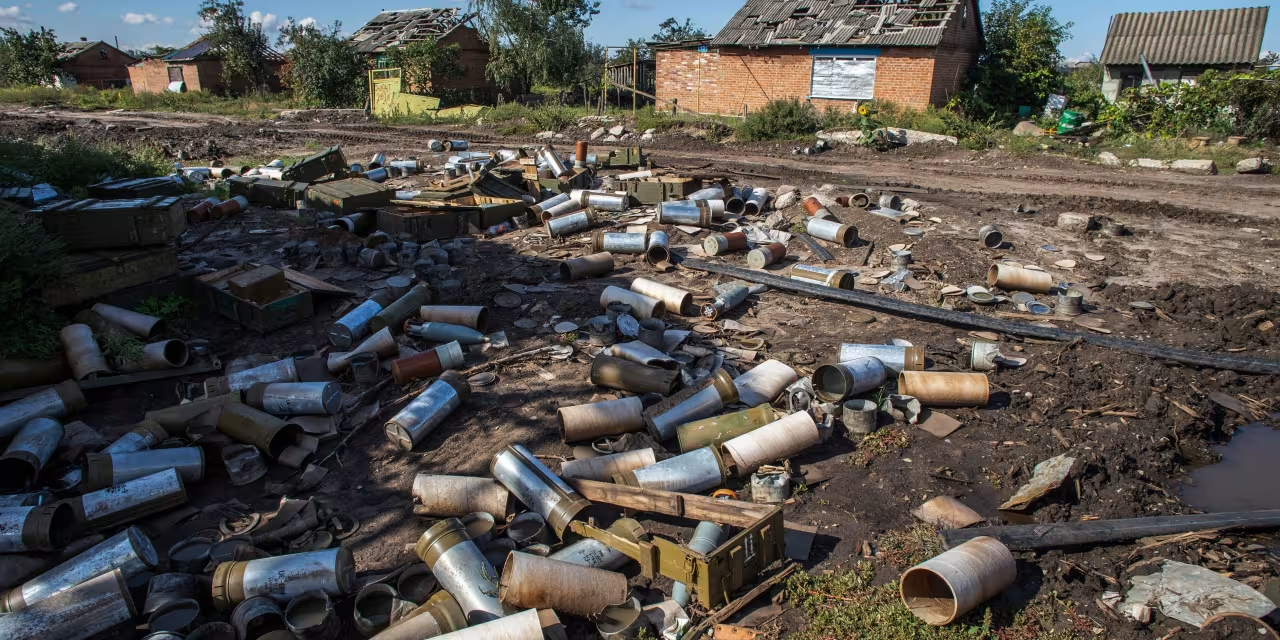
Russia has reportedly been turning to North Korea once again to replenish its ammunition supplies, according to sources. This move highlights the ongoing arms trade between the two countries, despite international sanctions against North Korea. The reliance on North Korea for ammunition raises concerns about the security implications and potential destabilization in the region.
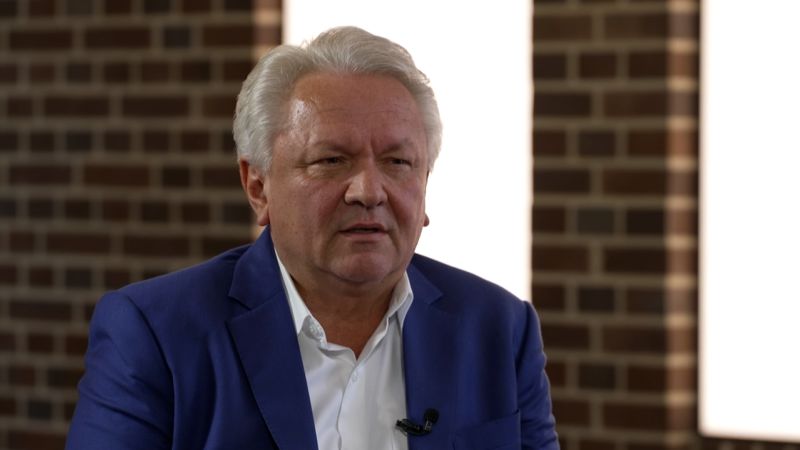
Germany's largest arms manufacturer is assisting Ukraine in addressing its "lack of ammunition" amid the ongoing Russia-Ukraine conflict. The company's support comes as Ukraine seeks to bolster its military capabilities, with Germany being one of its key allies. The provision of ammunition is seen as crucial in countering Russian aggression and maintaining Ukraine's defense capabilities.
Switzerland has vetoed the export of 100 tanks to Ukraine, despite never having used the vehicles themselves. The decision comes amidst concerns over the escalating conflict in Ukraine and the potential for the tanks to be used in the ongoing conflict. The move highlights Switzerland's stance on the arms trade and its commitment to maintaining neutrality in international conflicts.