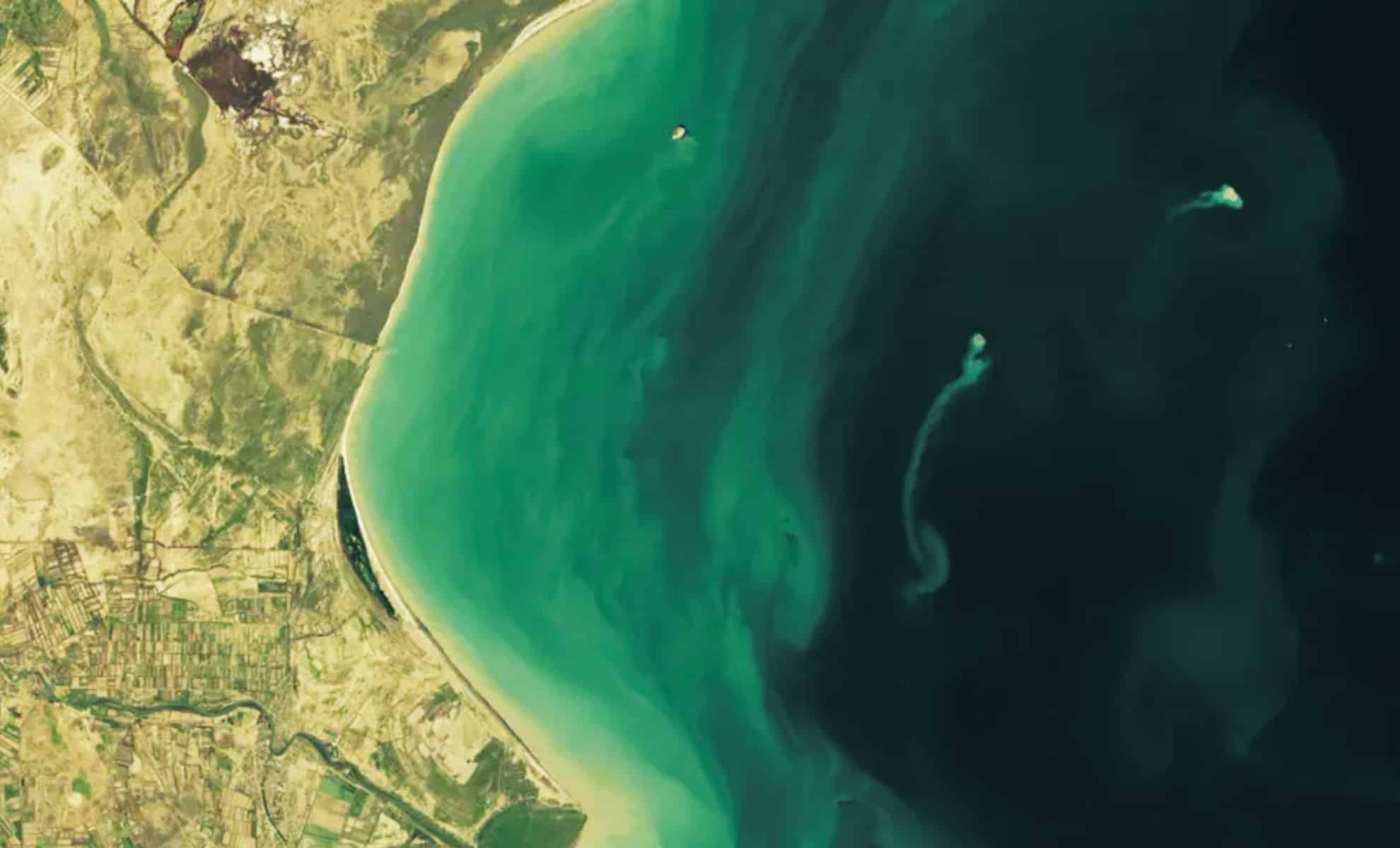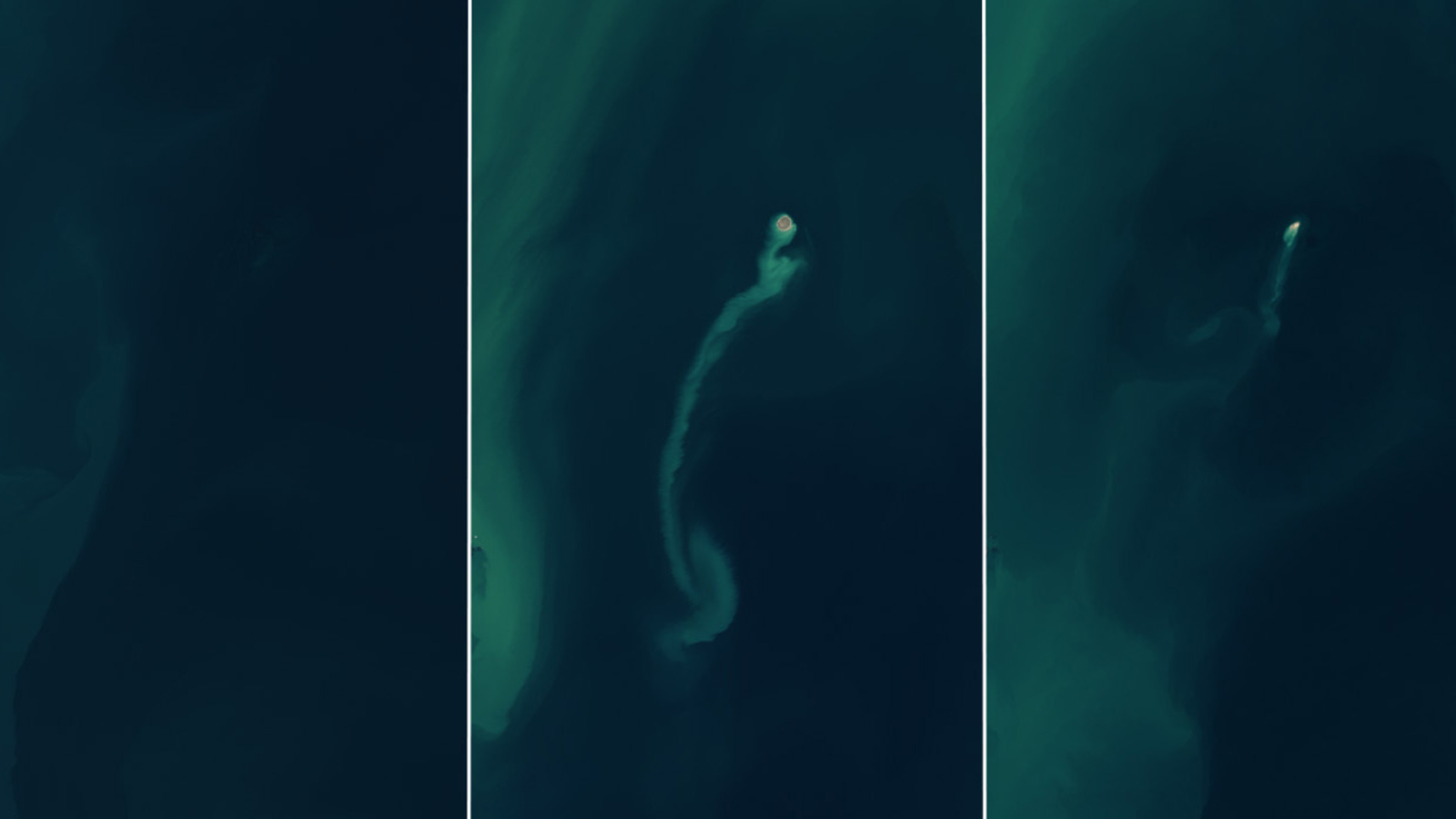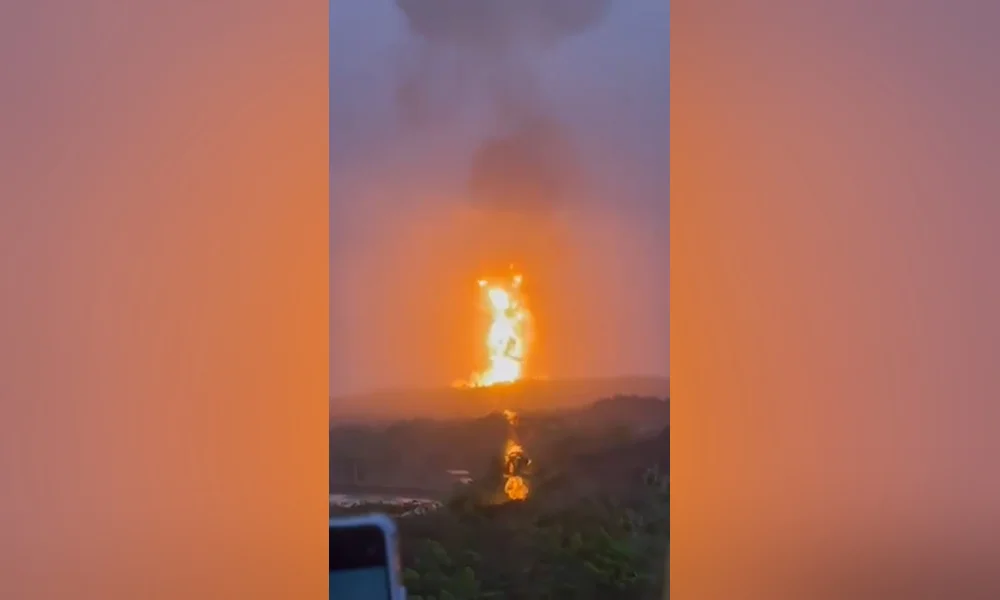
NASA satellites captured a fleeting 'ghost island' in the Caspian Sea formed by an underwater mud volcano eruption near Azerbaijan in early 2023, which quickly eroded by late 2024, highlighting the dynamic and ephemeral nature of mud volcanoes and underwater volcanic activity.
A temporary island appeared above an underwater mud volcano off Azerbaijan's coast in January 2023, formed by an eruption at Kumani Bank, but it nearly vanished by December 2024, illustrating the fleeting nature of such volcanic landforms. The region is known for its numerous mud volcanoes caused by tectonic activity, with similar ephemeral islands forming elsewhere due to volcanic eruptions.
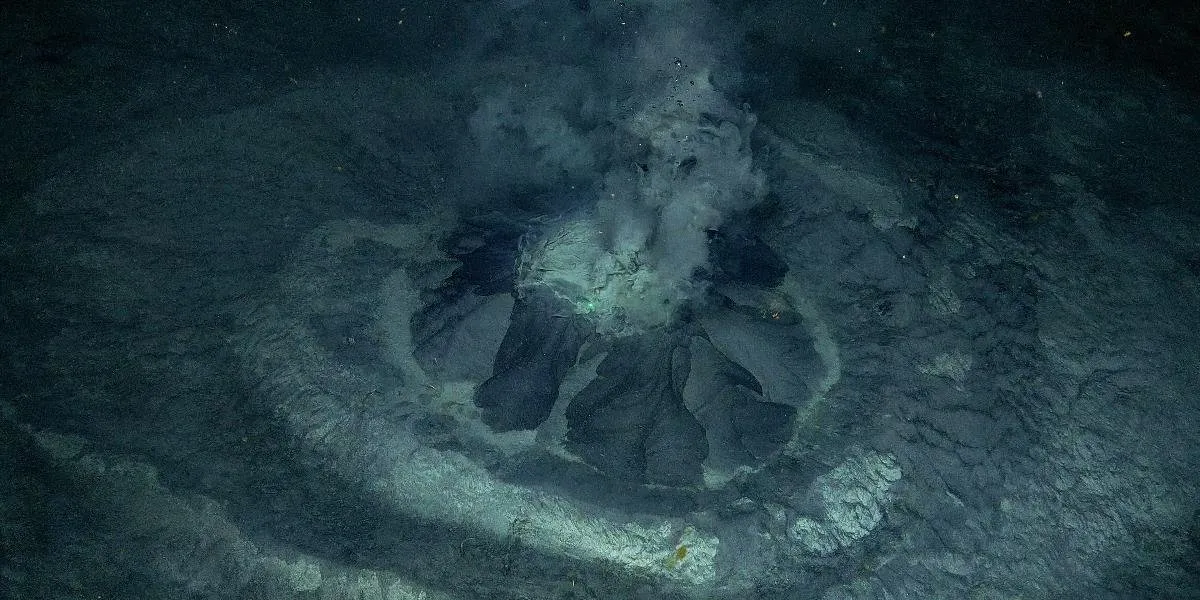
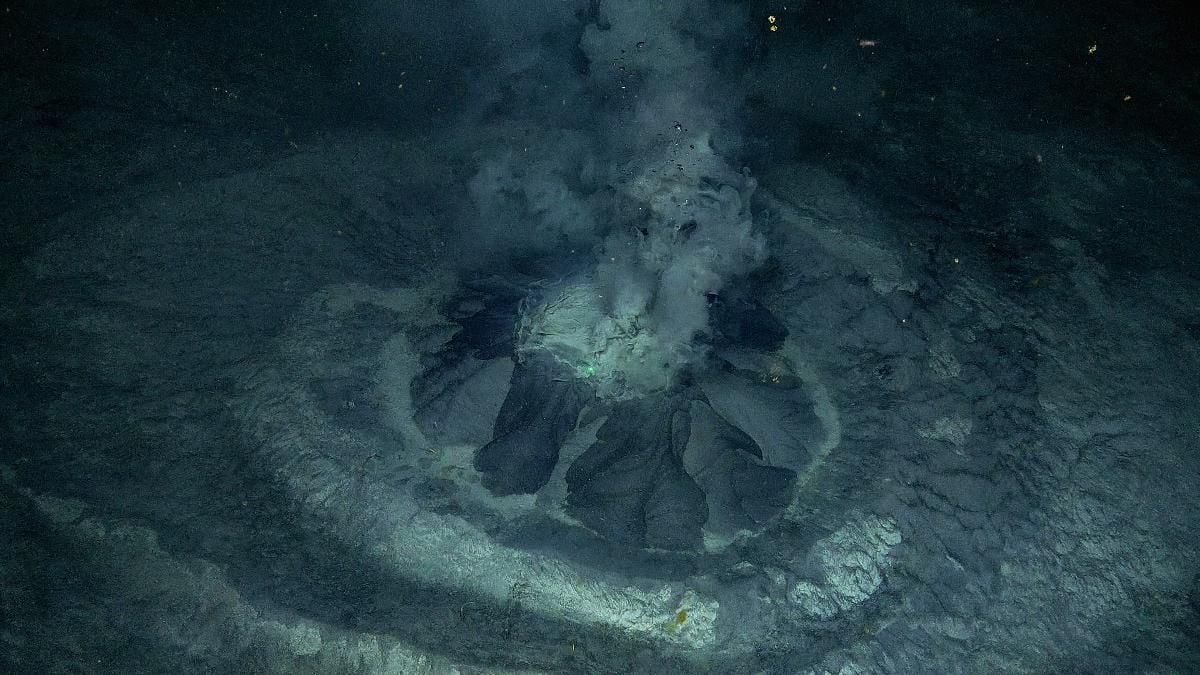
Arctic explorers have discovered a mud volcano in the Barents Sea, south of Norway's Bear Island, which is spewing out mud and methane from deep below the Earth's crust. The volcano is likely the result of a catastrophic, natural blowout that suddenly released massive methane shortly after the last Ice Age. Mud volcanoes serve as direct windows into the Earth's interior and offer clues about previous environments that have existed on Earth. The discovery has been named the Borealis Mud Volcano and is a unique refuge from human impacts.
Scientists have discovered an underwater mud volcano spewing methane from inside a larger crater in the Barents Sea, south of Norway's Bear Island. The Borealis Mud Volcano is only the second of its kind discovered in Norwegian waters and measures roughly 23 feet in diameter and 8 feet tall. The volcano sits in the middle of another, much larger crater, which is 984 feet wide and 82 feet deep, and likely resulted from a sudden and massive methane eruption after the last glacial period, 18,000 years ago. The researchers found the volcano's flanks teeming with animal life feeding off carbonate crusts that formed thousands of years ago.