Tag

Ev Transition

All articles tagged with #ev transition

Inside Norway: A Unique Perspective

Originally Published 7 months ago — by CleanTechnica

Featured image for Inside Norway: A Unique Perspective
Source: CleanTechnica

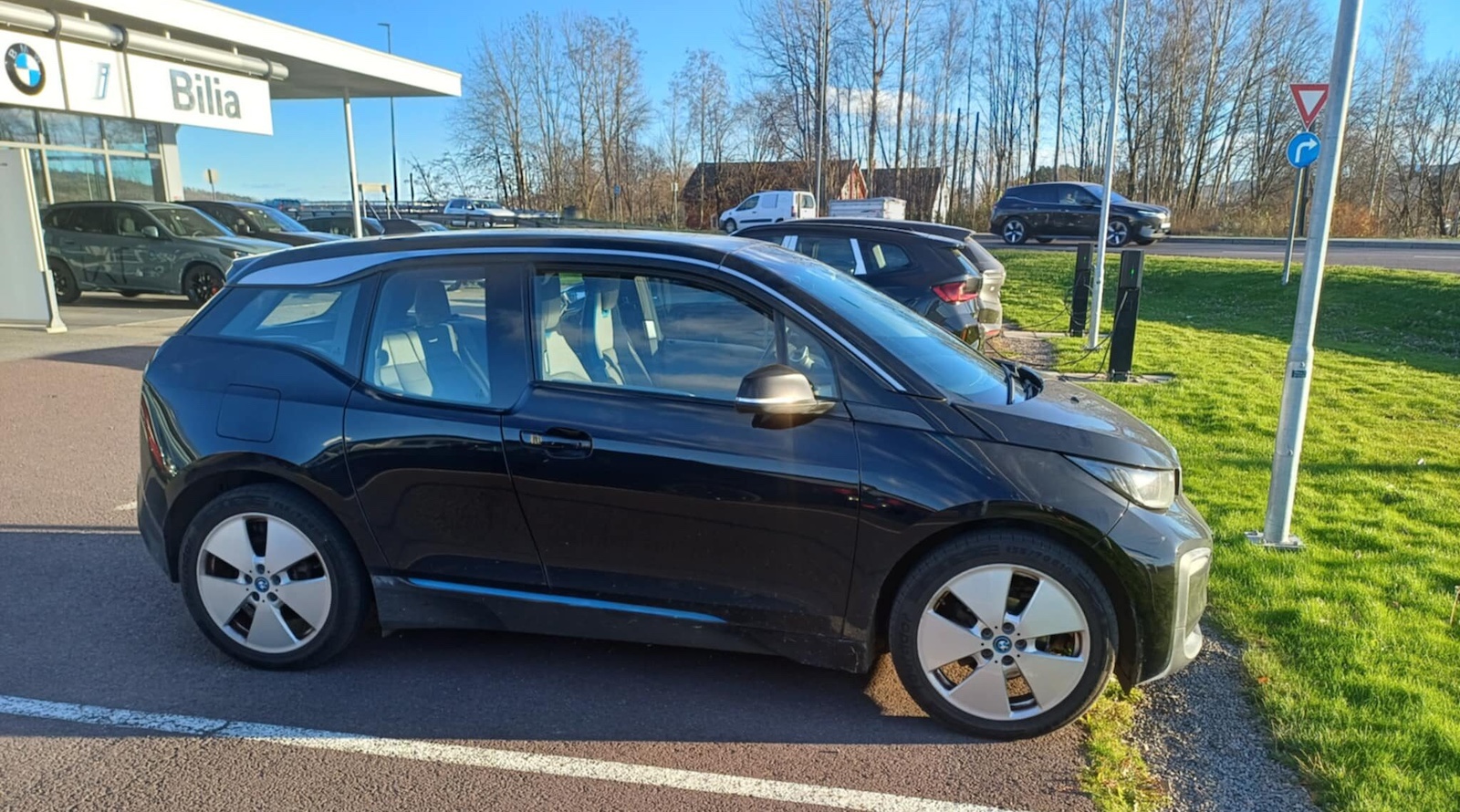
In Norway, electric vehicle adoption is now a normal part of life due to government incentives, high fuel taxes, and abundant renewable energy, with widespread charging infrastructure and a shift towards EVs across various transport sectors, though challenges remain with charging app management and infrastructure regulation.

Toyota and Japanese Automakers Innovate Efficient, Fuel-Adaptable Engines Amid EV Shift

Originally Published 1 year ago — by Electrek

Featured image for Toyota and Japanese Automakers Innovate Efficient, Fuel-Adaptable Engines Amid EV Shift
Source: Electrek

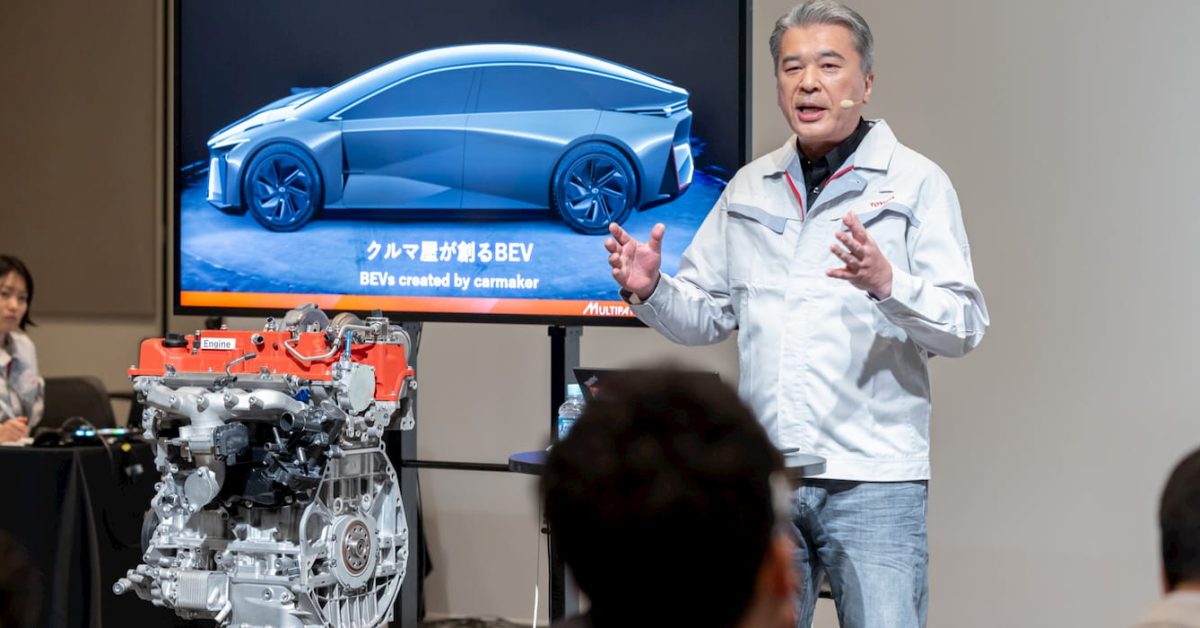
Despite the global shift towards electric vehicles, Toyota, Subaru, and Mazda are committed to developing next-generation internal combustion engines (ICE) integrated with EV components. These engines aim to be more efficient and support carbon neutrality through a multi-pathway approach, including e-fuel and biofuels. However, this strategy may cause these automakers to lag behind competitors who are more aggressively pursuing fully electric vehicles.

"Biden Administration Implements Strong Rules to Accelerate Electric Vehicle Adoption"

Originally Published 1 year ago — by The Washington Post

Featured image for "Biden Administration Implements Strong Rules to Accelerate Electric Vehicle Adoption"
Source: The Washington Post

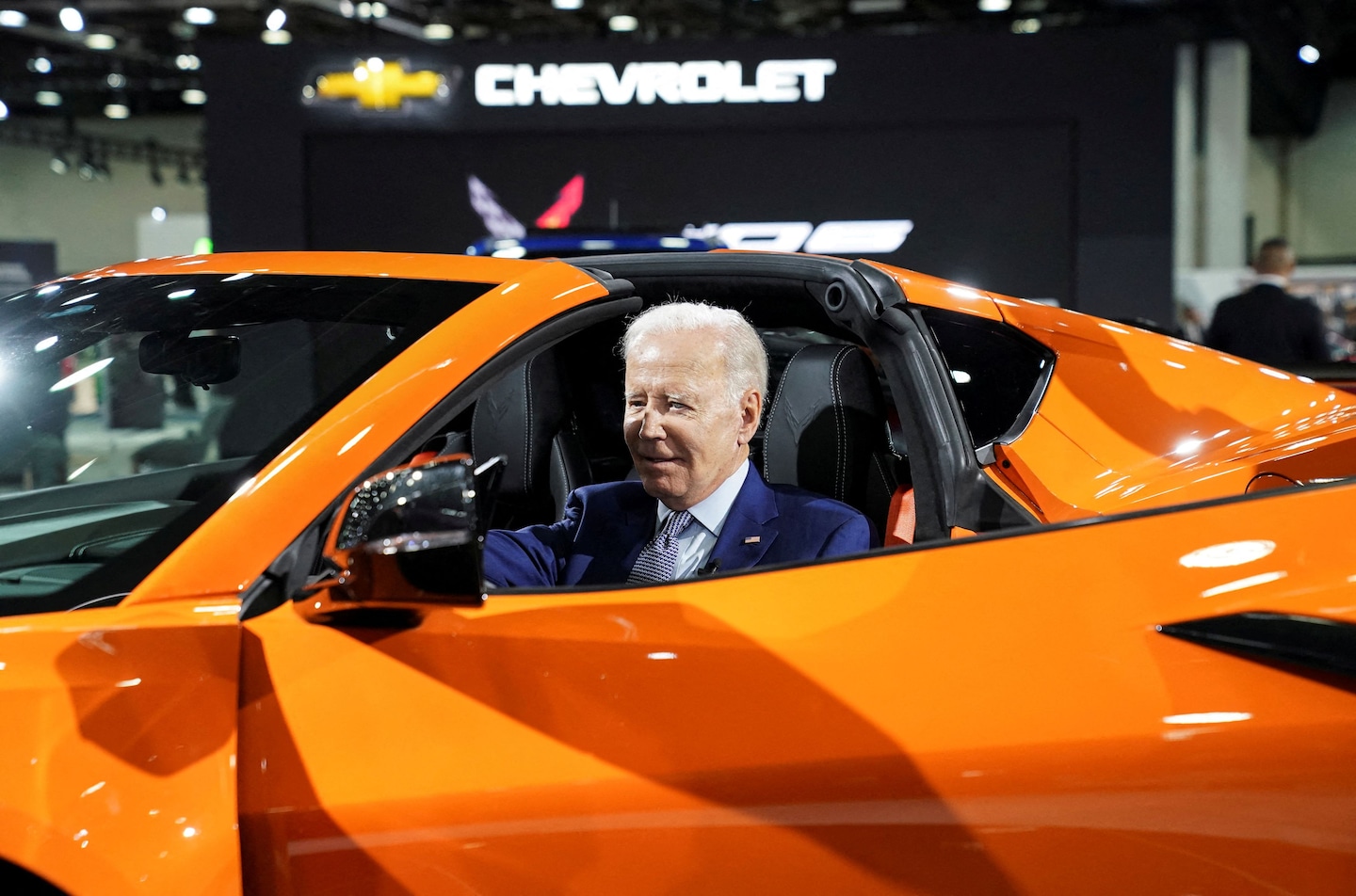
The Biden administration has finalized stringent limits on emissions from passenger cars and light trucks, aiming to accelerate the transition to electric vehicles (EVs) by requiring automakers to increase EV sales and reduce carbon emissions from gasoline-powered models. The rule, a concession to labor unions, allows automakers to comply by boosting sales of plug-in hybrid vehicles as well. Despite a recent slowdown in EV sales, the rule is expected to prevent billions of metric tons of carbon emissions and reduce air pollution-related deaths. However, it faces opposition from Republican-led states, fossil fuel companies, and former president Donald Trump, who has criticized Biden's EV goals.

"GM's Hybrid Shift: Disrupting EV Plans with Fresh Lineup"

Originally Published 1 year ago — by Business Insider

Featured image for "GM's Hybrid Shift: Disrupting EV Plans with Fresh Lineup"
Source: Business Insider

Car companies are facing challenges in the transition to electric vehicles as demand for pure EVs softens and a new wave of shoppers seeks more affordable and practical electric options, leading companies to rethink their strategies. General Motors and Volvo are shifting focus to hybrid sales, recognizing the need for hybrids in the near term, while Tesla's price war has forced legacy car companies to reconsider their paths to profitability for battery-powered vehicles. The industry is seeing a surge in demand for hybrids, signaling a shift in the automotive landscape.

"Ford's EV Transition Woes: Lightning Production Cuts and Job Layoffs"

Originally Published 2 years ago — by WDRB

Featured image for "Ford's EV Transition Woes: Lightning Production Cuts and Job Layoffs"
Source: WDRB

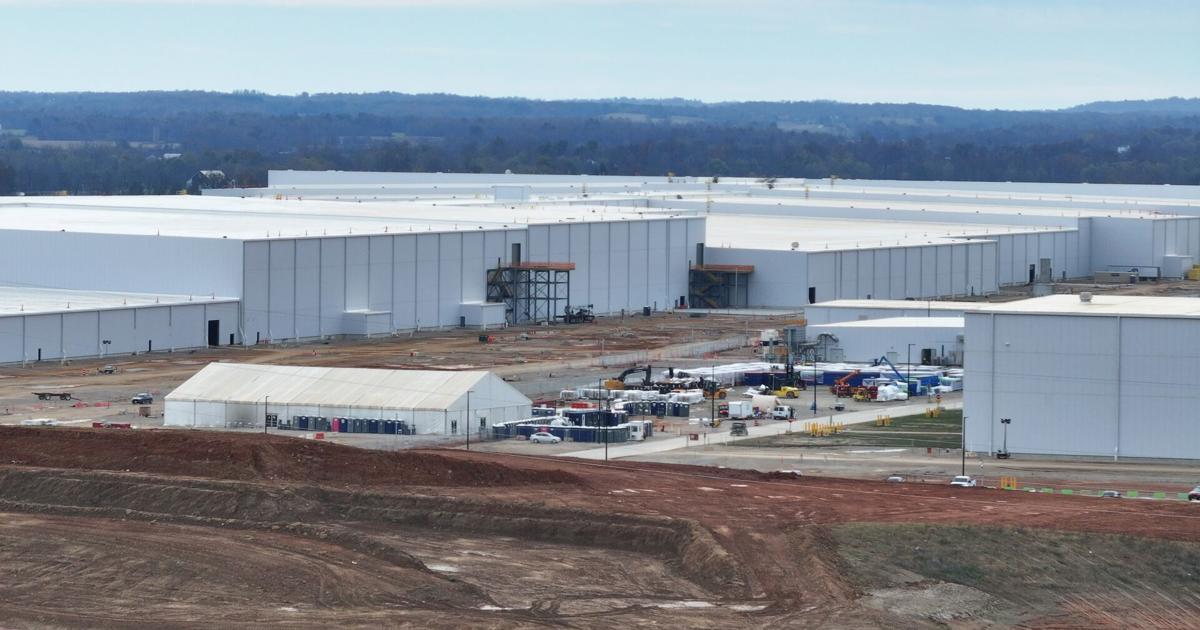
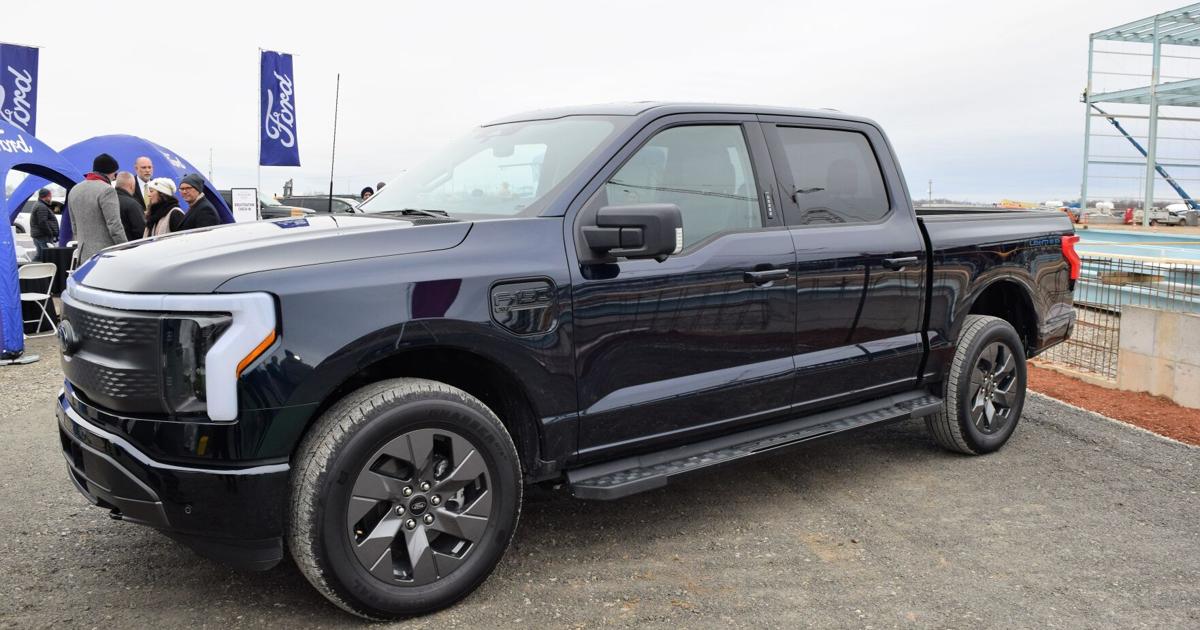
Ford announced a reduction in production of its F-150 Lightning electric pickup truck due to matching production with customer demand, signaling a slower-than-expected transition to electric vehicles (EVs) in the automotive industry. Despite initial aggressive targets, the growth rate of EVs is slowing, leading traditional carmakers like Ford to scale back their EV production plans. This decision impacts the automotive industry's shift to EVs, including Ford's operations in Kentucky, and raises questions about the future of EV investments and production in the region.

"UBS Downgrades Ford to 'Neutral'"

Originally Published 2 years ago — by Yahoo Finance

Featured image for "UBS Downgrades Ford to 'Neutral'"
Source: Yahoo Finance

UBS downgraded Ford's stock from "Buy" to "Neutral," citing the automaker's challenges in execution and quality compared to its peers, as well as a slower transition to electric vehicles. The analyst believes Ford may have more obstacles to overcome and limited upside potential, while the company has already adjusted its plans due to the underwhelming growth in EV demand. Ford's shares have declined about 6% since the start of the year and are under pressure, prompting CEO Jim Farley to make adjustments to the company's build-out plans.

Hertz's EV Dumping: Impact on Tesla and the EV Transition

Originally Published 2 years ago — by Fox Business

Featured image for Hertz's EV Dumping: Impact on Tesla and the EV Transition
Source: Fox Business

The White House had previously praised Hertz for its efforts to increase electric vehicle (EV) rentals, but the car rental company has now announced plans to sell approximately 20,000 EVs from its U.S. fleet due to high costs. This decision comes despite the Biden administration's goal of having 50% of total vehicle sales be electric by 2030. The White House stated that Hertz's actions wouldn't impact Biden's EV goals and could increase the number of used EVs eligible for a $4,000 tax credit.

"House Republicans' Assault on Biden's EV Mandate Threatens Major Transition in the U.S."

Originally Published 2 years ago — by TESLARATI

Featured image for "House Republicans' Assault on Biden's EV Mandate Threatens Major Transition in the U.S."
Source: TESLARATI

Plans for a major shift towards electric vehicles (EVs) in the U.S. by 2032 have suffered a setback as the House of Representatives, led by Republicans, blocked a vehicle emissions regulation proposed by the Biden Administration. The regulation aimed to have two-thirds of new vehicles be electric by 2032, but the vote resulted in a veto threat from the White House. Republicans argue that other technologies, including hydrogen, hybrids, and internal combustion engine vehicles, should also be considered. Automakers are divided on the proposed emissions cuts, with the UAW and Toyota expressing concerns, while Tesla supports stricter limits.

Stellantis CEO Warns of Impending Impact on EV Industry

Originally Published 2 years ago — by Detroit Free Press

Featured image for Stellantis CEO Warns of Impending Impact on EV Industry
Source: Detroit Free Press

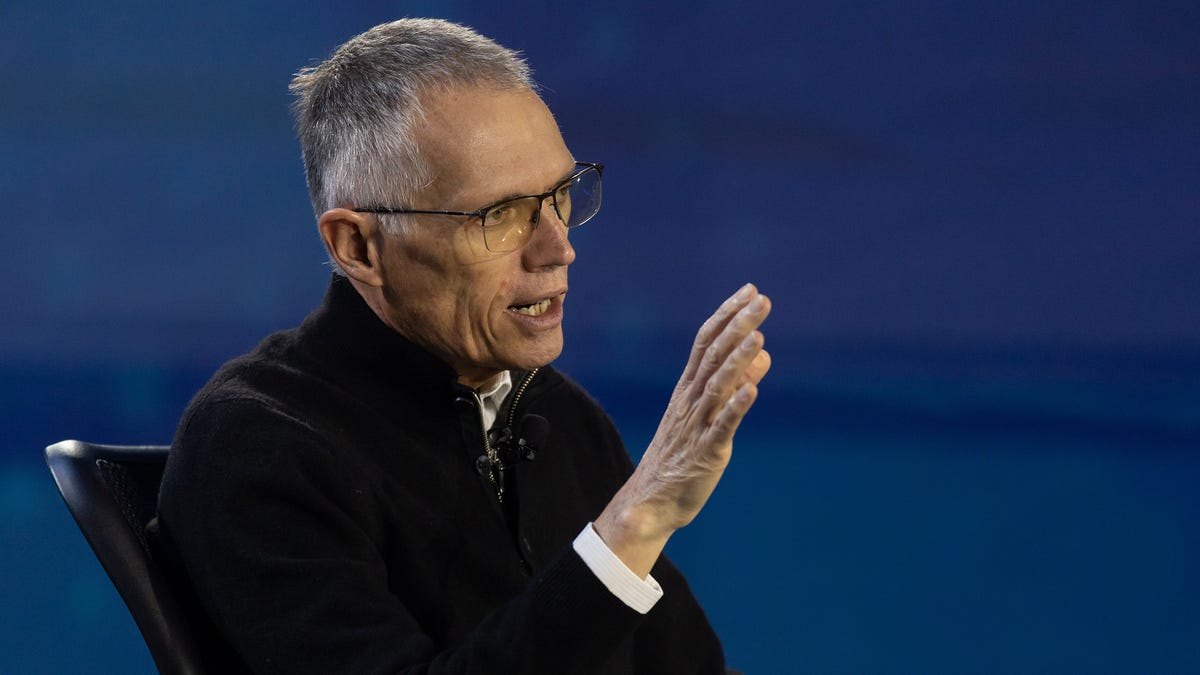
Stellantis CEO Carlos Tavares believes that the outcome of the 2024 presidential election in the US and parliamentary elections in Europe will significantly impact the speed of the automotive industry's transition to electrification. Tavares stated that Stellantis is prepared for the transition and that the only uncertainty lies in how quickly it will occur. The results of the elections could lead to a faster or slower ramp-up of electrification depending on whether progressive or populist candidates win. Tavares emphasized the importance of companies using profits from legacy businesses to fund future investments in electrification. Stellantis is currently profitable in both the US and Europe with its electrified vehicles, and Tavares stated that the company is well-positioned for the transition.

"2024 Porsche Panamera: World Premiere Livestream and Leaked Images"

Originally Published 2 years ago — by Motor1

Featured image for "2024 Porsche Panamera: World Premiere Livestream and Leaked Images"
Source: Motor1

Porsche is set to debut the 2024 Panamera today, featuring an evolutionary exterior design and a thoroughly modernized interior. The new Panamera will offer a choice between four plug-in hybrid powertrains, with larger battery packs for increased all-electric range and a more powerful electric motor. There will also be V6 versions available, and all combustion engines will meet the forthcoming Euro 7 standard. Porsche estimates that over 80 percent of its annual deliveries will be EVs by 2030, making this the final Panamera with combustion engines.

The Complex Relationship Between Car Companies, Dealerships, and EV Demand

Originally Published 2 years ago — by The Washington Post

Featured image for The Complex Relationship Between Car Companies, Dealerships, and EV Demand
Source: The Washington Post

Many car dealerships in the United States are ill-prepared to sell electric vehicles (EVs), potentially derailing the country's EV boom. Customers have reported frustrating experiences, with salespeople lacking knowledge about EVs and attempting to steer them towards gas-powered cars. Some dealerships do not even offer EVs for sale, despite the Biden administration's goal of having two-thirds of new cars sold in the US be electric by 2032. The dealership model, protected by laws passed in the 1940s and 1950s, may not be suited for the electric future, as EVs have lower maintenance costs and require different sales approaches.

UAW's EV deal: A stepping stone towards labor reform

Originally Published 2 years ago — by POLITICO

Featured image for UAW's EV deal: A stepping stone towards labor reform
Source: POLITICO

The recent labor deal between the United Auto Workers and Detroit automakers could ensure unionized workers have a significant role in the transition to electric vehicles (EVs). However, it remains uncertain whether Ford, General Motors, and Stellantis will successfully transition to EVs and be profitable, as they face competition from non-unionized Tesla and wavering buyer enthusiasm for expensive EVs. Additionally, the Biden administration's push for more EVs is dependent on securing a domestic supply chain for critical minerals needed for battery manufacturing, as China currently dominates the global supply.

Auto Industry Labor Agreements: A Recap and Future Outlook

Originally Published 2 years ago — by POLITICO

Featured image for Auto Industry Labor Agreements: A Recap and Future Outlook
Source: POLITICO

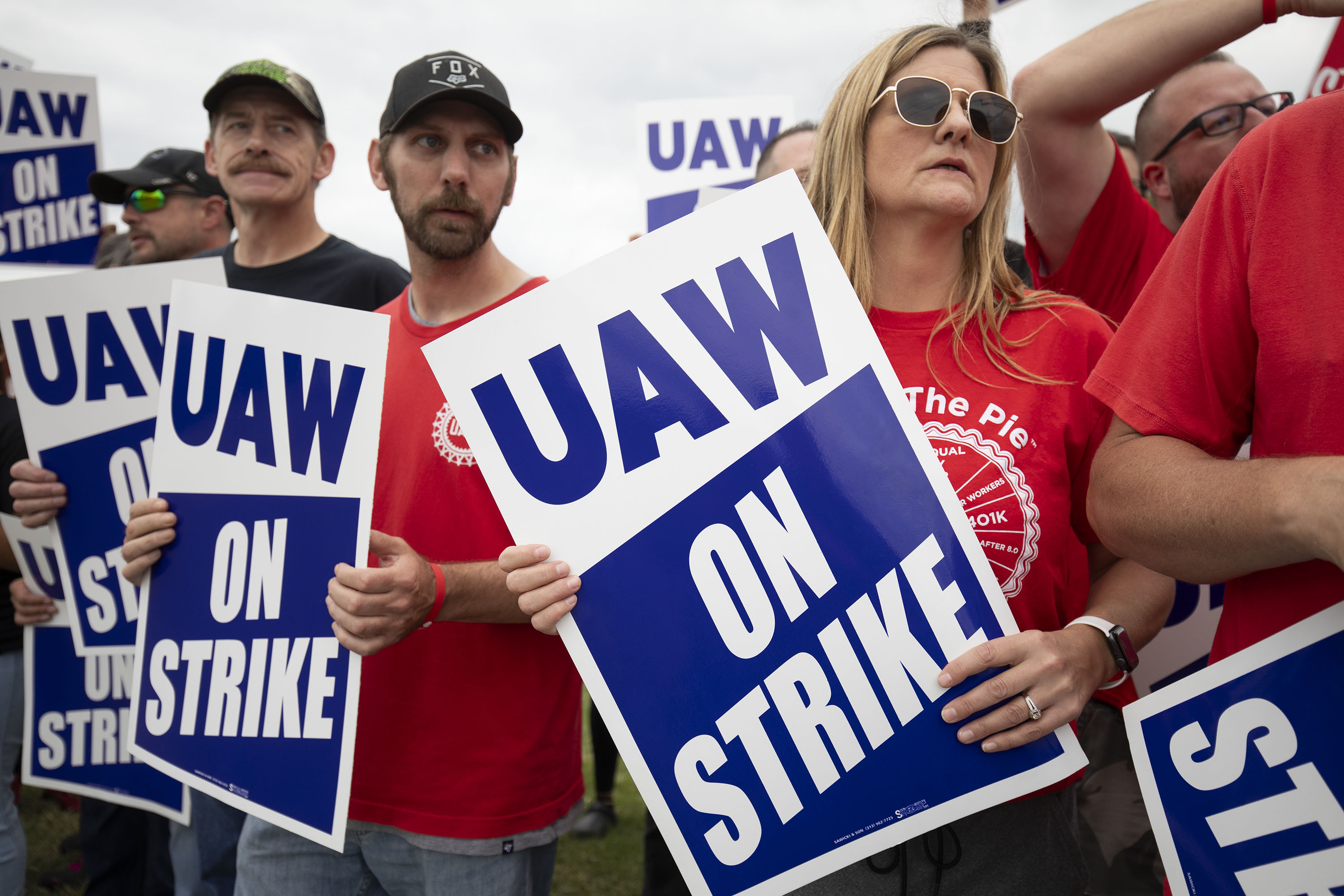
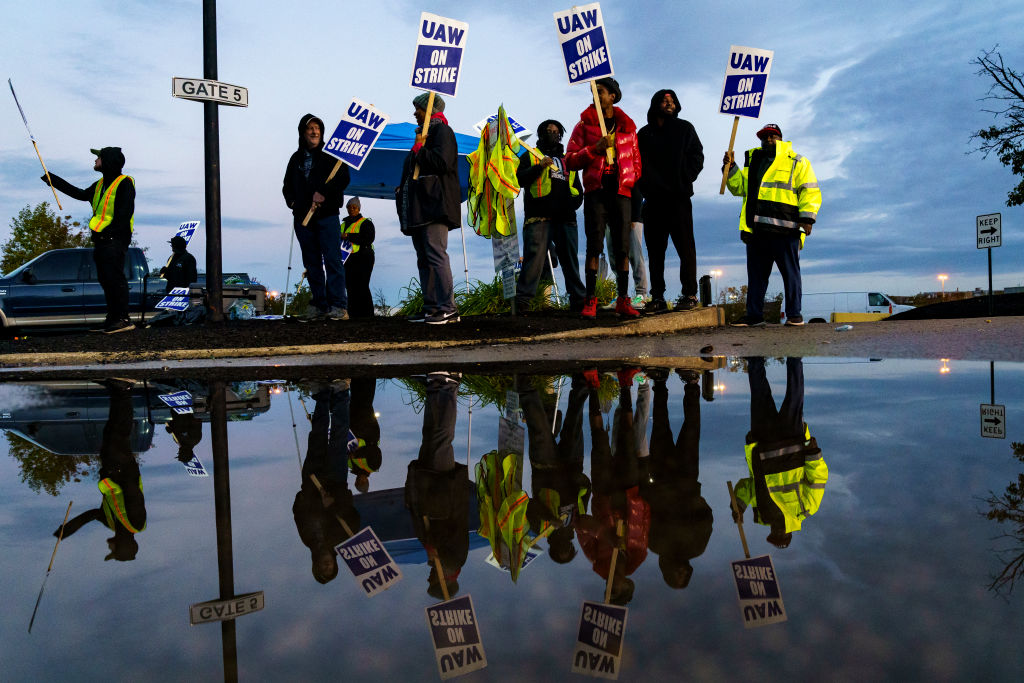
The United Auto Workers (UAW) have reached tentative agreements with the Big Three automakers (Ford, GM, and Stellantis), potentially ending a prolonged strike and delivering significant economic gains for workers. The deals include a top-line wage increase of 25% over four years, a cost-of-living adjustment, improved benefits, and provisions for electric vehicle (EV) workers. The UAW's success in securing favorable contracts could have implications for the labor movement and boost President Joe Biden's support among the working class. However, challenges remain, including the need for contract ratification and potential clashes over the EV transition. The UAW also aims to expand its reach and organize workers in new facilities producing EVs.

Biden's Fuel Economy Plan Threatens Automakers with $14 Billion in Fines

Originally Published 2 years ago — by TESLARATI

Featured image for Biden's Fuel Economy Plan Threatens Automakers with $14 Billion in Fines
Source: TESLARATI

The Alliance for Automotive Innovation has expressed concerns that the NHTSA's proposed fuel economy standards for 2027-2032 model year vehicles could hinder the industry's transition to electric vehicles. The proposed standards, which call for a 2% per year fuel efficiency improvement for cars and a 4% per year improvement for light trucks, are deemed to exceed maximum feasibility by the Alliance. They also raise concerns about penalties for noncompliance and a pending rule at the US Department of Energy that could challenge automakers balancing their investments in electric vehicles and improving internal combustion engine vehicles. The Alliance fears that these factors could distract manufacturers from the EV transition. The NHTSA argues that the proposed standards will make cars more efficient, strengthen US energy independence, save money for Americans, and increase consumer choice.