Merck is in negotiations to acquire Revolution Medicines, a cancer drug developer, for up to $32 billion, signaling a significant move in the biotech and pharmaceutical industry.
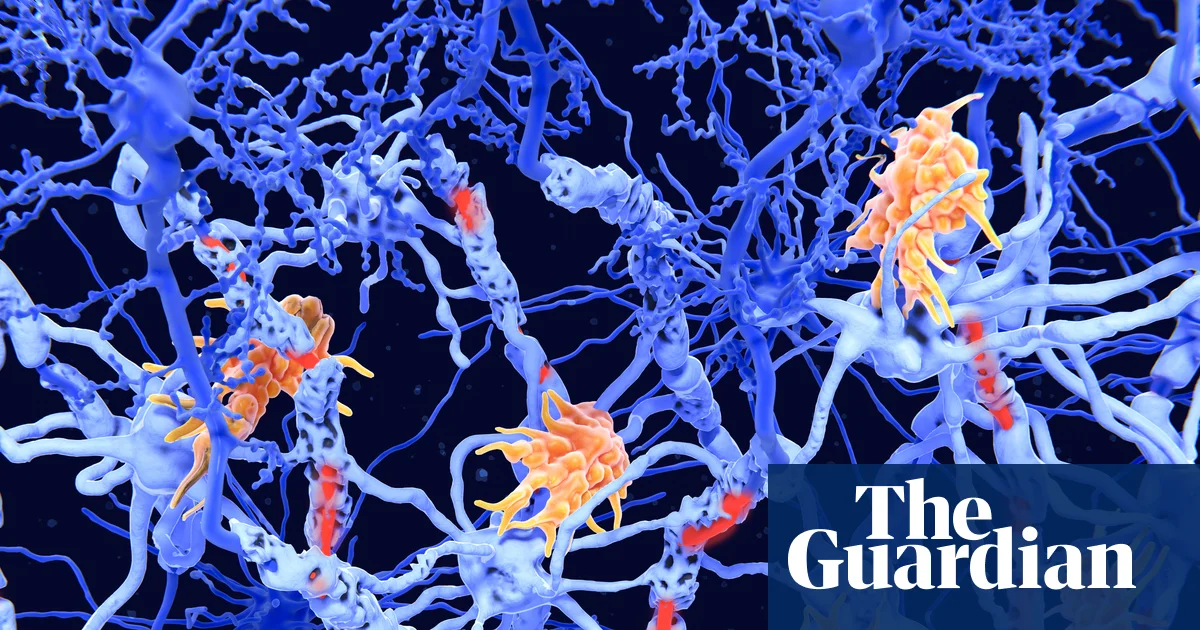
Early clinical trial results suggest that combining a common diabetes drug with an antihistamine may partially repair nerve damage in multiple sclerosis, offering hope for a new class of therapies, although the effects observed were small and not yet clinically noticeable.
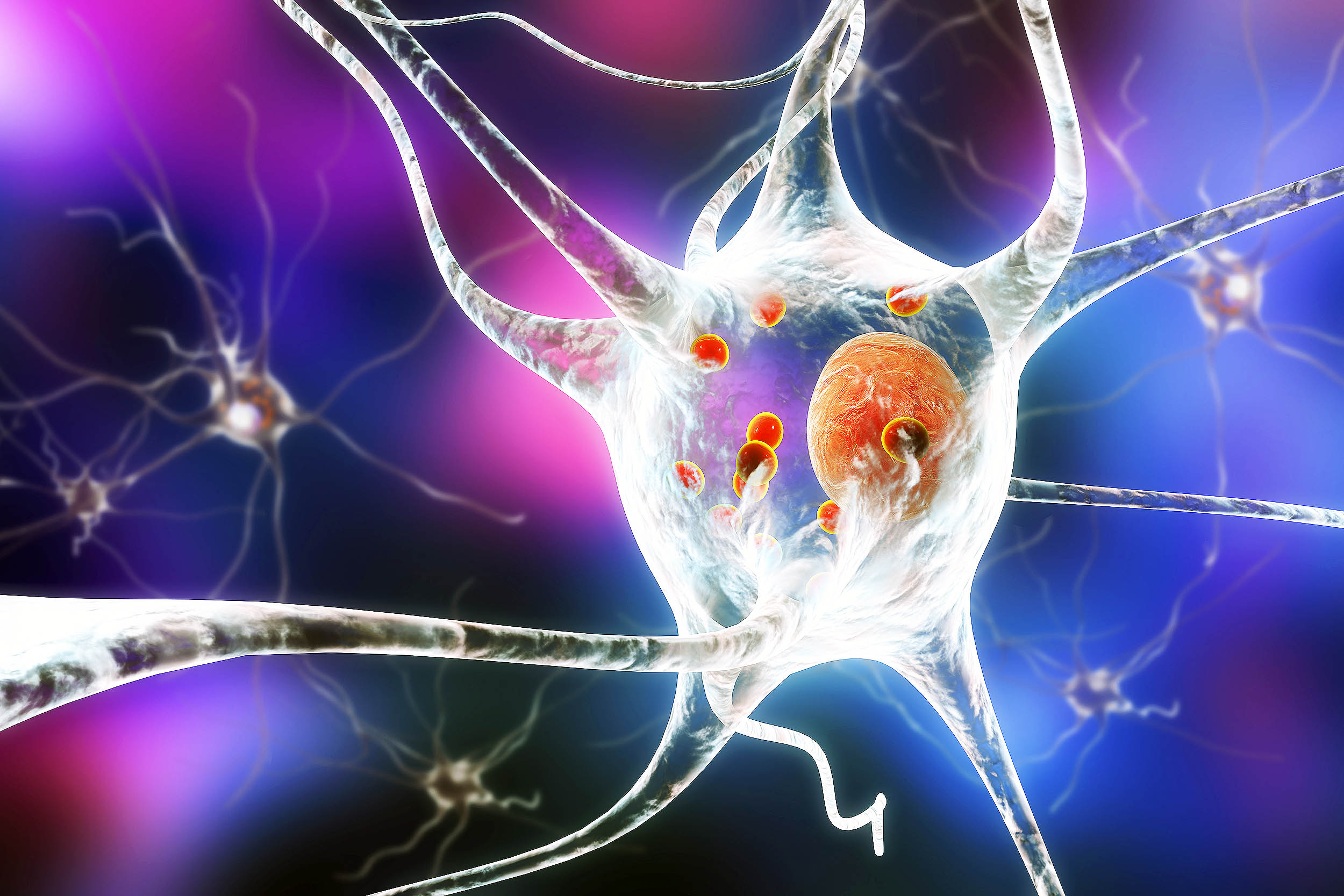
Scientists have discovered that an existing cancer immunotherapy drug, nivolumab–relatlimab, shows promise in slowing Parkinson’s disease progression by blocking the spread of toxic protein clumps in the brain, through disrupting a partnership between two proteins, LAG-3 and Aplp1, involved in the disease mechanism. This repurposing could lead to new treatments that slow or halt disease progression.
Exelixis stock rose over 9% after positive results from a study of its next-generation colon cancer drug, zanzalintinib, showing improved survival rates when combined with Roche's Tecentriq, marking a significant milestone in its development program.
A Danish research team has decoded the full biosynthetic pathway of Taxol, a vital chemotherapy drug, enabling its production in yeast, which could lower costs, reduce environmental impact, and improve access to cancer treatment worldwide.
Bristol-Myers Squibb will pay BioNTech up to $11.1 billion to license a new cancer immunotherapy, marking a significant move in the competitive oncology market aiming to expand immune-based treatments, with the deal including upfront payments, milestone payments, and shared development costs.
Bristol Myers Squibb has signed an $11 billion partnership with BioNTech to develop and commercialize BNT327, a promising cancer drug that could rival Keytruda, with potential to treat up to 3 million patients and transform cancer care. The deal includes shared clinical trial costs and milestone payments, reflecting the drug's significant potential in immunoncology.
Merck has announced a $3.3 billion licensing deal with China's LaNova Medicines for a cancer drug, LM-299, as a strategic move against Summit Therapeutics' ivonescimab, which recently outperformed Merck's Keytruda in a lung cancer study. The deal includes a $588 million upfront payment and up to $2.7 billion in milestone payments. Both LaNova's and Summit's drugs target PD-1 and VEGF proteins, potentially offering a competitive edge over Keytruda, which only targets PD-1. This move is seen as Merck's insurance policy to maintain its market share in cancer treatments.
Summit Therapeutics' stock surged after the company announced that its cancer drug outperformed Keytruda in a Phase 3 trial, just ahead of a major cancer conference in Chicago.
Summit Therapeutics Inc. shares soared 272% after a late-stage trial showed their cancer drug ivonescimab significantly outperformed Merck's Keytruda in treating non-small cell lung cancer, leading to a decline in Merck's shares. The trial, conducted in China, demonstrated a meaningful improvement in progression-free survival, with analysts optimistic about the drug's potential in other populations and across multiple solid tumors.
Pfizer has received approval from U.S. antitrust regulators for its $43-billion deal to acquire Seagen after agreeing to donate the rights of royalties from sales of cancer drug Bavencio. The deal is set to close on Thursday, and Pfizer plans to create a separate cancer drugs operation and split its commercial business into two divisions. Pfizer's Chief Commercial Officer will step down, and the company will donate the royalty rights for Bavencio to the American Association for Cancer Research. The U.S. Federal Trade Commission had previously requested more information on the Seagen deal.
Bristol Myers Squibb has announced that it will pay $800 million upfront and up to $8.4 billion to Sichuan Biokin Pharmaceutical to develop and commercialize one of the Chinese drugmaker's cancer treatments outside of China. The agreement includes co-development of an antibody-drug conjugate (ADC) that has shown promise against solid tumors. SystImmune, a U.S.-based unit of Sichuan Biokin, will be responsible for development and commercialization in mainland China, while Bristol Myers will handle these responsibilities outside the country. ADCs are designed to target only cancer cells, potentially reducing damage to normal cells.
AstraZeneca has entered into a partnership with AI biologics firm Absci to develop an antibody for cancer treatment. The collaboration aims to utilize generative artificial intelligence to design improved antibody therapeutics. The deal includes an upfront fee, research and development funding, milestone payments, and royalties on product sales. The specific type of cancer being targeted was not disclosed.
Pharmaceutical company AstraZeneca has partnered with AI biologics company BenevolentAI to develop a cancer drug. The collaboration will leverage BenevolentAI's artificial intelligence technology to identify and validate new drug targets for AstraZeneca's oncology research. The partnership aims to accelerate the discovery and development of potential cancer treatments.
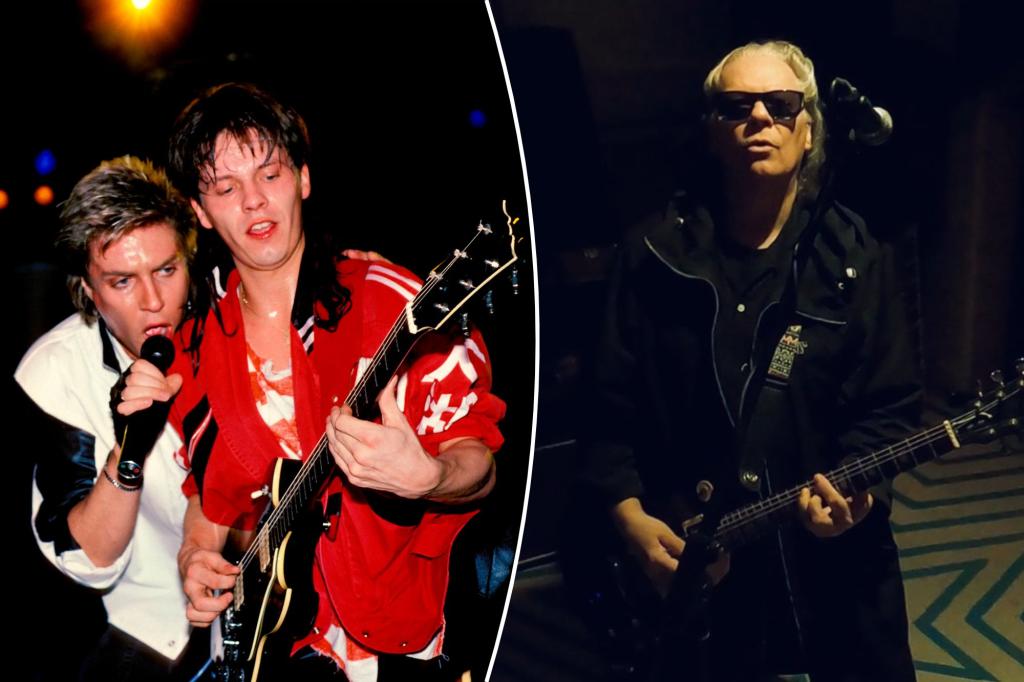
Duran Duran guitarist Andy Taylor revealed that a breakthrough cancer drug called Lutetium-177 has extended his life by five years. Taylor, who was diagnosed with stage 4 prostate cancer in 2015, received his first round of the targeted medicine six weeks ago. The drug has been approved by the FDA and has shown significant improvements in prostate cancer survival rates and quality of life. Taylor expressed gratitude to his bandmates and fans during the band's Rock and Roll Hall of Fame Induction speech, as he was unable to attend the ceremony due to his health.