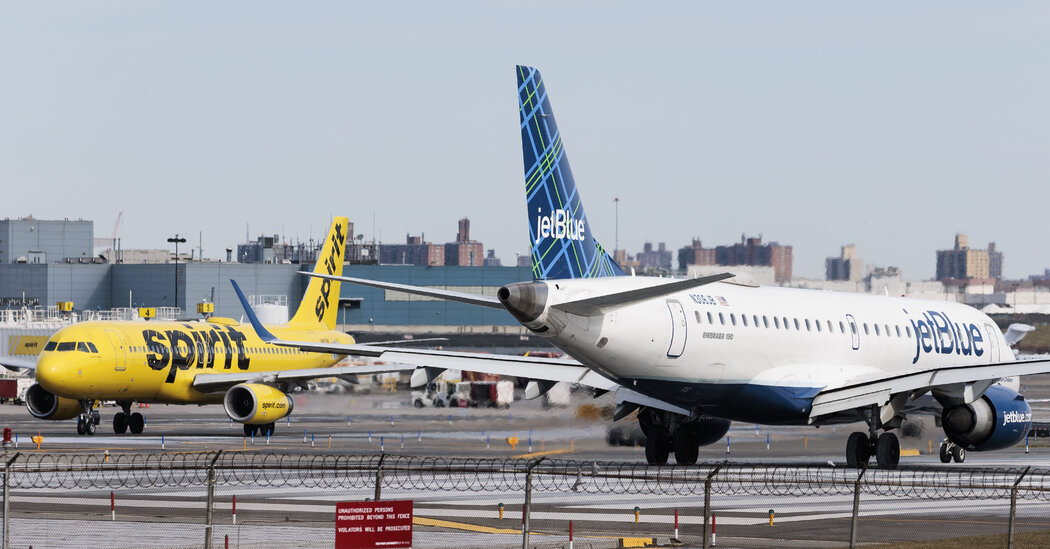
JetBlue and Spirit Airlines have decided to abandon their planned $3.8 billion merger after facing opposition from federal antitrust regulators. JetBlue will pay Spirit $69 million to terminate the deal, which was blocked by a federal judge who ruled that the merger would reduce competition in the industry and potentially lead to higher ticket prices. The decision to walk away from the merger comes after JetBlue and Spirit appealed the judge's ruling, with JetBlue arguing that the deal should be allowed to proceed.
Amazon and iRobot have decided to abandon their $1.4 billion merger deal due to opposition from EU and U.S. antitrust regulators. iRobot announced a significant restructuring plan, including cutting 31% of its workforce, and its founder stepping down as CEO. The EU's antitrust chief cited concerns that the acquisition would have allowed Amazon to hinder iRobot's rivals on its online marketplace. The FTC was also set to reject the deal before it was abandoned. Amazon expressed disappointment over the failed acquisition, while iRobot expects a significant revenue reduction for 2023.
iRobot stock plunged nearly 20% after Politico reported that Amazon will not offer concessions to European Union antitrust regulators in its acquisition of iRobot, despite the EC's concerns about potential competition restrictions in the robotic vacuum cleaner market. This decision increases the risk of the deal being struck down, but some speculate that Amazon may be calling the regulators' bluff. Investors now face a speculative opportunity with iRobot stock trading at a significant discount to the agreed acquisition price.
Pfizer has received approval from U.S. antitrust regulators for its $43-billion deal to acquire Seagen after agreeing to donate the rights of royalties from sales of cancer drug Bavencio. The deal is set to close on Thursday, and Pfizer plans to create a separate cancer drugs operation and split its commercial business into two divisions. Pfizer's Chief Commercial Officer will step down, and the company will donate the royalty rights for Bavencio to the American Association for Cancer Research. The U.S. Federal Trade Commission had previously requested more information on the Seagen deal.
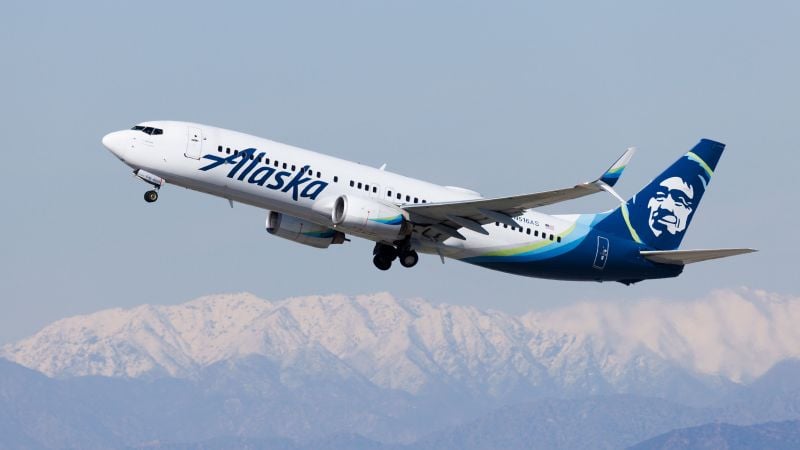
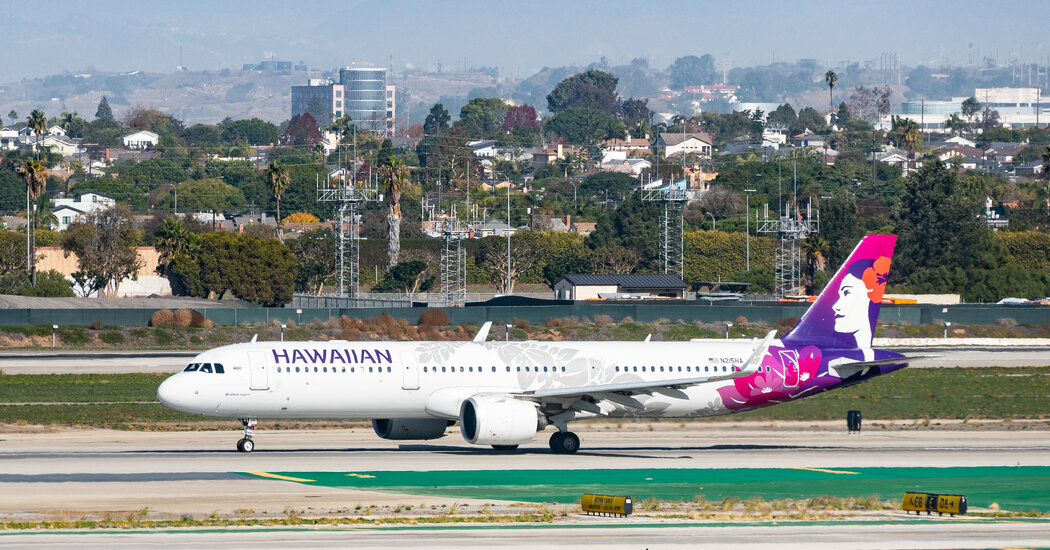
Alaska Air has announced its acquisition of Hawaiian Airlines for $1.9 billion, including $900 million in debt. The deal, which will take between nine and 18 months to complete, will allow both airlines to maintain their brands and expand domestic and international choices for customers. The merger, subject to approval from antitrust regulators, aims to create a stronger competitor to the four major carriers that currently control 80% of the US air traffic. Hawaiian Airlines has been facing financial struggles due to increased competition and rising labor costs, while Alaska Airlines aims to enhance its presence in the Asia-Pacific region.
Alaska Airlines has announced plans to acquire Hawaiian Airlines in a $1.9 billion deal. The combined airline will maintain both brands but operate on a single platform, providing service to 138 destinations. The deal is expected to face scrutiny from federal antitrust regulators, who have been actively enforcing antitrust laws under President Biden. If approved, the merger would create a company with just over 8 percent of the market share in the airline industry. Unions representing workers at both airlines have expressed the need for worker benefits to be prioritized in the merger.
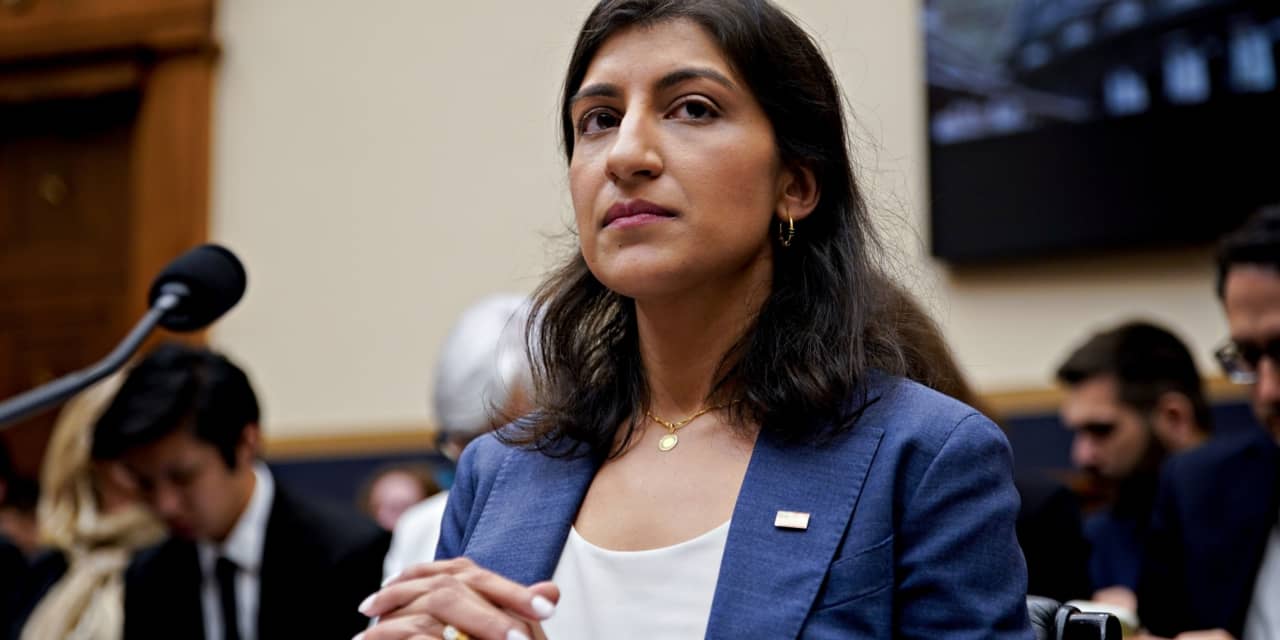
The Federal Trade Commission's (FTC) new merger review has sparked controversy and opposition from big business, leading to criticism of FTC Chairwoman Lina Khan. The Biden administration's antitrust regulators have clashed with major companies, causing tension in the industry.
The Securities and Exchange Commission (SEC) is investigating Illumina over its $7.1 billion acquisition of cancer test developer Grail. The SEC has requested documents and communications related to the deal, as well as information about the "conduct and compensation" of certain members of both companies' management. Illumina, which has already faced scrutiny from antitrust regulators, is cooperating with the investigation. The company's market value has significantly declined since closing the deal, and it has also been fined by the European Commission for closing the acquisition without regulatory approval. Illumina has appealed the decision and expects a final outcome in late 2023 or early 2024.
Bunge and Viterra have announced an $18 billion merger, creating one of the world's largest agriculture trading firms. The combined entity will be worth $34 billion and will be examined closely by antitrust regulators. The deal brings Bunge closer in global scale to leading rivals Archer-Daniels-Midland and Cargill. Bunge is already the world's largest oilseed processor and analysts said it and Viterra's crushing businesses could face regulatory scrutiny in Canada and Argentina.
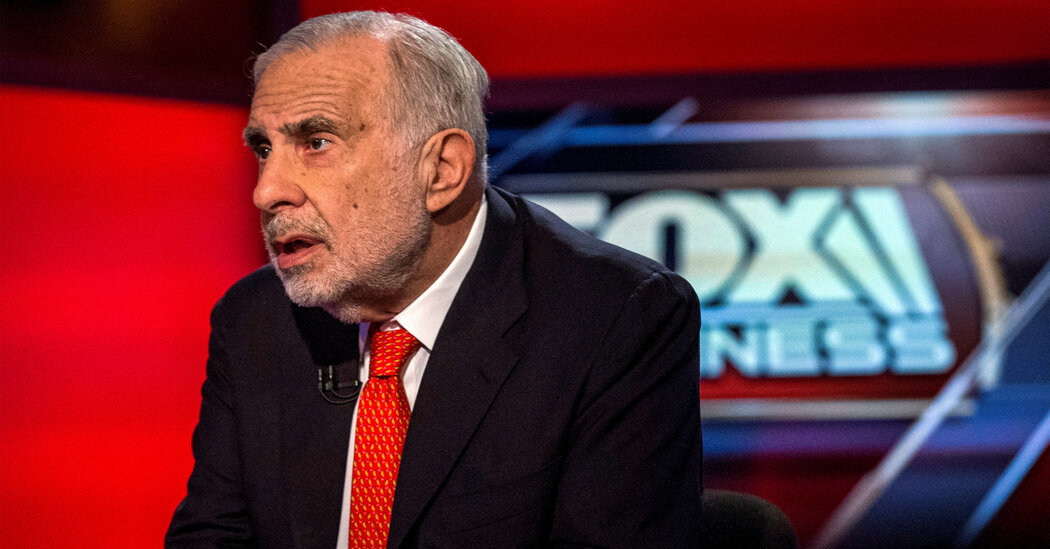
Shareholders of gene-sequencing company Illumina are set to vote on whether to back the company’s incumbent directors or candidates nominated by activist investor Carl Icahn. Icahn has criticized Illumina’s effort to close its takeover of cancer-detection company Grail, despite opposition from antitrust regulators. The contest is also a test of universal proxy, a new SEC rule that makes it easier for shareholders to vote for board candidates from different slates. Icahn could very well win a seat, with influential shareholder advisory firms backing his campaign. However, Icahn is also facing pressure from short seller Hindenburg Research, which has accused his publicly traded investment vehicle of being overvalued.
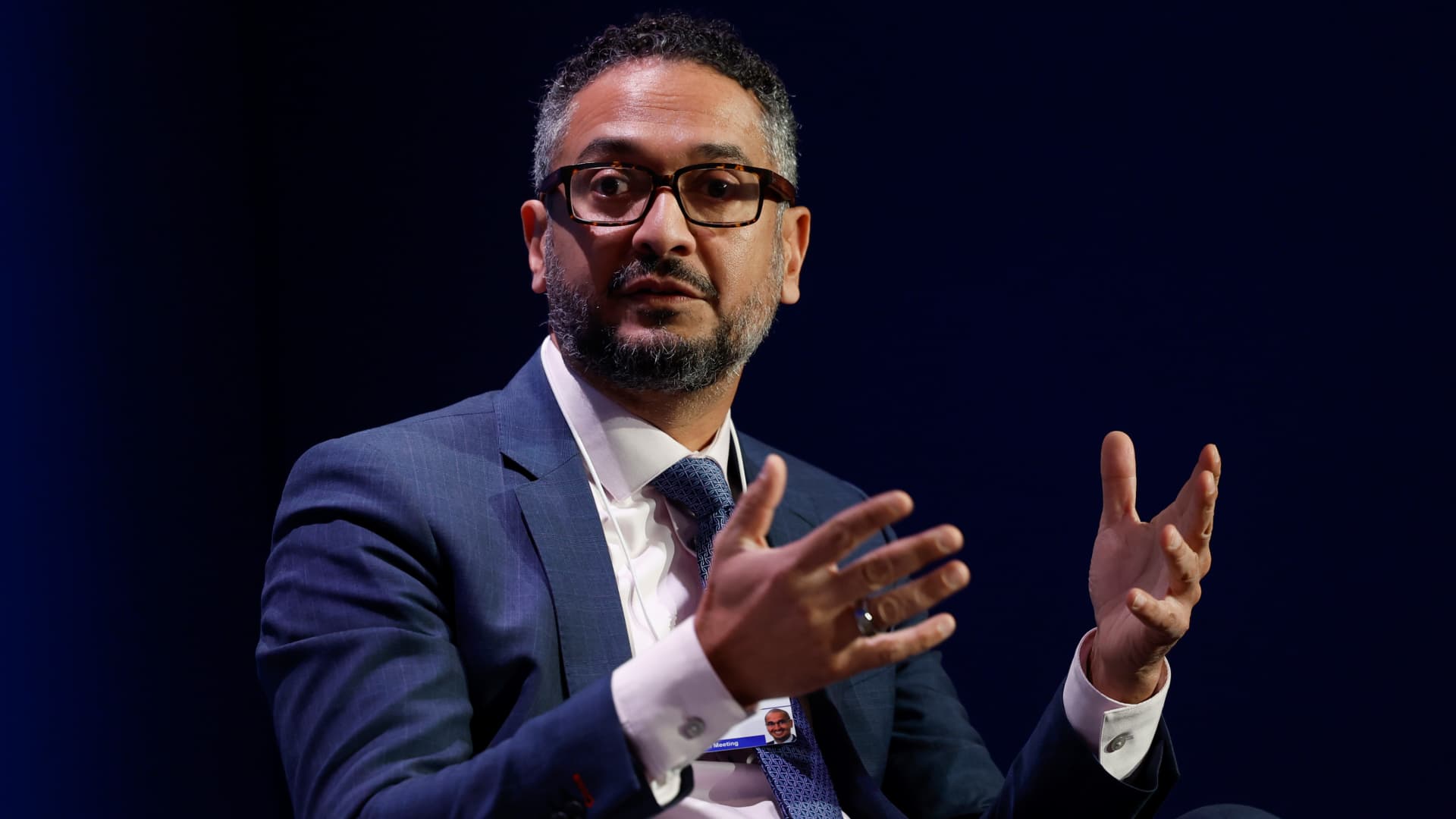
Illumina CEO Francis deSouza has praised the company's acquisition of Grail after the cancer test developer's revenue doubled in the last year. Grail's early screening test, which can detect over 50 types of cancer through a single blood draw, has driven the sales. However, the acquisition is the focus of a proxy fight with activist investor Carl Icahn, who has called it "disastrous" and criticized Illumina's corporate governance. Antitrust regulators in the US and Europe have also ordered Illumina to divest the $7.1 billion acquisition.
Billionaire investor Carl Icahn has announced an investigation into the value destruction caused by Illumina's board of directors' decision to close the GRAIL acquisition over the objections of European antitrust regulators. Icahn claims that the board's decision has caused a massive decline in shareholder value and that the directors demanded an unprecedented level of additional personal liability protection. He also intends to nominate three highly qualified individuals to the board of directors to help stop the company's "toboggan slide."