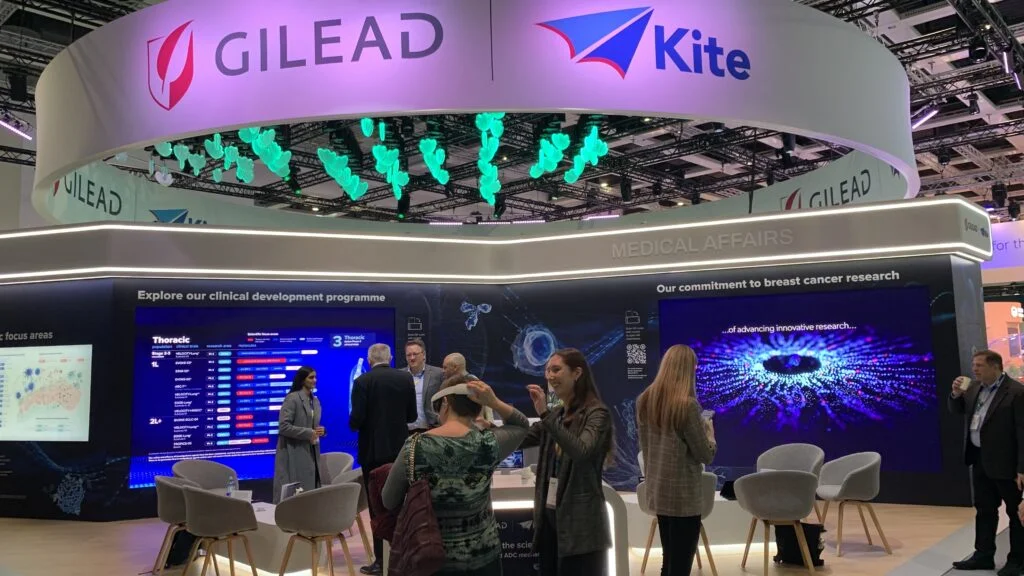
AstraZeneca and Gilead Sciences presented successful trial results for antibody-drug conjugates as new first-line treatments for metastatic triple-negative breast cancer, offering potential options after over a decade without new approvals for this aggressive cancer type.
Genmab has announced the acquisition of ProfoundBio for USD 1.8 billion in cash, giving Genmab worldwide rights to three candidates in clinical development, including rinatabart sesutecan (Rina-S), and ProfoundBio’s novel antibody-drug conjugate (ADC) technology platforms. This acquisition will broaden Genmab’s mid- to late-stage clinical pipeline and strengthen its suite of proprietary technology platforms, potentially creating new opportunities to develop cancer medicines. The addition of Rina-S to Genmab’s portfolio aims to deepen its presence in gynecologic oncology and establish a firm foundation in solid tumors, with the potential to transform the treatment of cancer and improve patient lives.
Corbus Pharmaceuticals presented encouraging safety and efficacy data for CRB-701 (SYS6002), a next-generation antibody drug conjugate targeting nectin-4 positive tumors, at the 2024 ASCO GU Symposium. The Phase 1 study in China showed a 43% overall response rate and 71% disease control rate at predicted therapeutically relevant doses, with no dose-limiting toxicities observed up to 3.6 mg/kg. The drug demonstrated a differentiated pharmacokinetic profile and a safety profile devoid of peripheral neuropathy and skin rash, suggesting potential benefits for metastatic urothelial cancer and other nectin-4 positive solid tumors. Dose escalation and expansion are ongoing, with plans to commence a clinical study in the US in Q1 2024.
Corbus Pharmaceuticals presented encouraging safety and efficacy data for CRB-701 (SYS6002), a next-generation antibody drug conjugate targeting nectin-4 positive tumors, at the 2024 ASCO GU Symposium. The Phase 1 study in China showed a 43% overall response rate and 71% disease control rate at predicted therapeutically relevant doses, with no dose-limiting toxicities observed up to 3.6 mg/kg. The drug demonstrated a differentiated pharmacokinetic profile and a safety profile devoid of peripheral neuropathy and skin rash, prompting plans for further investigation and expansion of the study.
Pfizer's stock rose by 1.6% after the FDA approved the expanded use of Padcev, an antibody-drug conjugate (ADC), in combination with Merck's Keytruda for the treatment of advanced bladder cancer. This marks the first approval for a combination of an ADC product plus PD-L1 inhibitor for this indication, offering an alternative to platinum-containing chemotherapy. The approval was based on data from a phase III study showing that the combination nearly doubled overall survival and progression-free survival compared to chemotherapy. Pfizer's acquisition of Seagen, which added ADC technology to its portfolio, is expected to strengthen its position in the oncology market.
Bristol Myers Squibb has announced that it will pay $800 million upfront and up to $8.4 billion to Sichuan Biokin Pharmaceutical to develop and commercialize one of the Chinese drugmaker's cancer treatments outside of China. The agreement includes co-development of an antibody-drug conjugate (ADC) that has shown promise against solid tumors. SystImmune, a U.S.-based unit of Sichuan Biokin, will be responsible for development and commercialization in mainland China, while Bristol Myers will handle these responsibilities outside the country. ADCs are designed to target only cancer cells, potentially reducing damage to normal cells.
Bristol Myers Squibb has acquired an antibody-drug conjugate (ADC) asset from Orum Therapeutics for $100 million upfront. The ADC attaches a protein degrader to an antibody, offering a different approach to the technology compared to traditional chemotherapy or cytotoxic drugs. The asset has already been cleared by the FDA for Phase I testing in acute myeloid leukemia and high-risk myelodysplastic syndromes. Bristol Myers may potentially pay an additional $80 million in milestone payments for the asset.