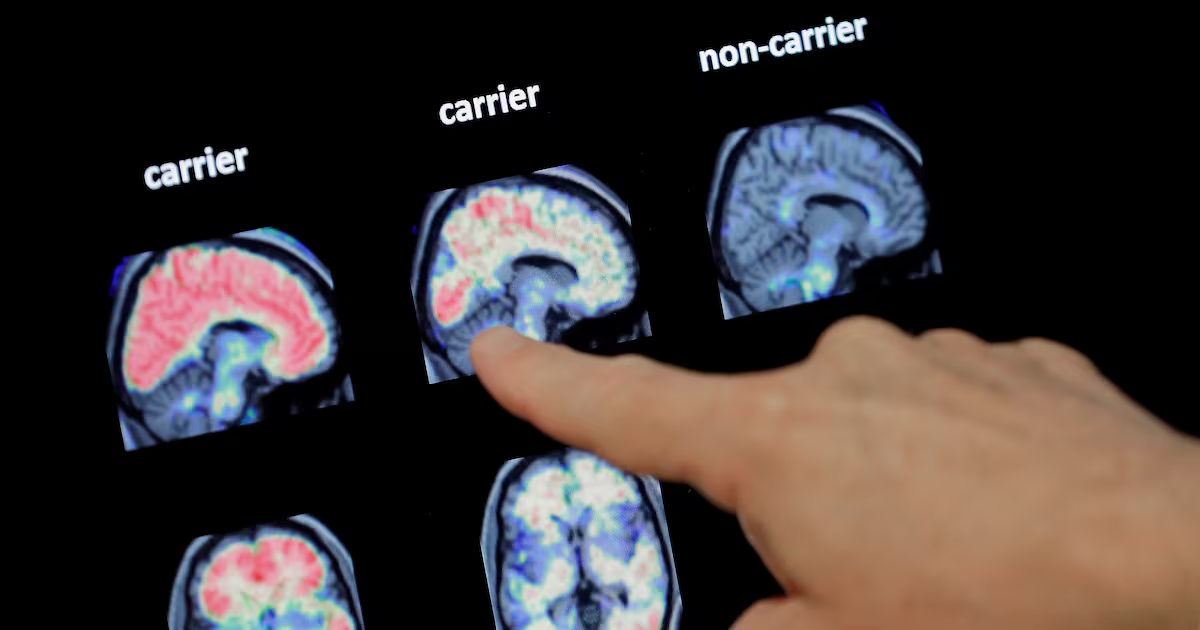
Researchers at Mass General Brigham's McCance Center for Brain Health, in collaboration with Yale University, have developed the McCance Brain Care Score to help individuals maintain brain health and reduce the risk of dementia, stroke, and depression. The scorecard includes 12 modifiable factors such as blood pressure, nutrition, physical activity, and social connections. A study involving over 350,000 participants from the U.K. Biobank found that a 5-point increase in the score was linked to a significant reduction in the risk of these conditions over a 13-year period.

A new study suggests that maintaining low blood sugar levels and following a green Mediterranean diet, rich in plant-based foods like green tea and Mankai duckweed, may slow brain aging. Researchers found that lower blood sugar markers were linked to less brain shrinkage and neuron death, indicating that diet plays a crucial role in brain health. The study highlights the potential of polyphenols in plant-based foods to reduce brain inflammation, which is important for memory. These findings offer a promising approach to slowing cognitive decline through dietary changes.
A study using the UK Biobank suggests lifetime cannabis use is linked to changes in brain structure and function, particularly affecting white matter integrity and neuronal connectivity. However, genetic analysis indicates these changes may not be causally related to cannabis use, highlighting the need for further research. The study also notes sex-based differences in brain impact and emphasizes the importance of understanding cannabis's long-term effects as its global use increases.
A 25-year study by the University of Edinburgh, published in Genomic Psychiatry, reveals that nearly half of the variance in cognitive ability in older age can be traced back to childhood. The research, based on the Lothian Birth Cohorts, highlights significant individual differences in brain aging and suggests that early-life cognitive ability influences later brain health. The study challenges conventional views on cognitive decline, emphasizing the role of genetics and early cognitive differences, and suggests potential areas for future research on lifestyle and environmental factors affecting brain health.
A study involving over 10,000 participants has found that regular moderate to vigorous physical activity is linked to larger, healthier brains, potentially protecting against neurodegenerative diseases like Alzheimer's. The research, conducted by a Canadian/American team, highlights that even modest physical activity can increase brain volume in regions such as the hippocampus and temporal lobe, with brain-derived neurotrophic factor (BDNF) playing a key role in this neuroprotective effect. The study suggests that moderate exercise may be more beneficial than vigorous activity for brain health.
A study from China indicates that men who recovered from the SARS-CoV-2 Omicron variant infection showed reduced gray matter thickness in certain brain areas and a decreased hippocampus volume ratio, which were associated with increased anxiety and cognitive function changes. The research, focusing on the neurological and psychological impacts of the Omicron variant, involved pre and post-infection neuroimaging and psychological assessments of 61 male participants. The findings contribute to the understanding of the potential long-term effects of COVID-19 on brain health, although the study's gender limitation and single follow-up imaging are noted constraints.
A new study published in JAMA Neurology suggests that lifestyle factors such as physical activity, limited alcohol use, healthy diet, cognitive activity, and social involvement may reduce the risk of young-onset dementia. The research, involving over 350,000 UK participants under 65, identified 15 controllable factors that could impact dementia risk. While genetics and socioeconomic status are less controllable, the study highlights the potential of lifestyle changes in supporting brain health over time.
A new study published in JAMA Neurology suggests that adopting healthy lifestyle factors such as physical activity, limited alcohol use, a healthy diet, cognitive activity, and social involvement may help reduce the risk of young-onset dementia. The research, which involved 356,052 UK participants under 65 years old over 15 years, identified 15 controllable factors that could impact dementia risk. While genetics and socioeconomic status are harder to control, the study highlights the potential of lifestyle changes in supporting brain health and reducing early dementia risk.
The New York Times crossword puzzle for January 4, 2024, created by Chase Dittrich and Christina Iverson, featured a clever theme that made solvers smile. The theme involved underlined (now in parentheses) letters in certain clues that, when read together, formed words related to the puzzle's answers. The puzzle's complexity and the satisfaction of solving it were highlighted, along with a note on the health benefits of smiling. Corrections were made to the article regarding the use of atta flour in Southeast Asia, and the constructors shared their experience and challenges in creating the themed crossword.
A study from the University of California, Davis, involving 44,000 individuals aged 49 to 81, suggests that personality traits such as extroversion and conscientiousness may lower the risk of dementia, while neuroticism could increase it. This is linked to the concept of cognitive reserve, the brain's resilience to age-related damage, which can be bolstered by social activities, education, and lifestyle choices. The research highlights the importance of maintaining cognitive, social, and physical activities throughout life to build cognitive reserve and potentially reduce dementia risk.
A study from Washington University School of Medicine found that smoking can lead to brain shrinkage and increase the risk of Alzheimer's disease. Analyzing brain scans and smoking history of over 32,000 participants, researchers discovered that those who smoked a pack a day had reduced brain volume, with greater shrinkage correlating with each additional year of smoking. The study emphasizes that while quitting smoking can't reverse past brain damage, it can prevent further deterioration. Health experts advocate for avoiding smoking to reduce oxidative stress and vascular damage to the brain, which are linked to cognitive decline and dementia.
A study from Washington University School of Medicine found that smoking can significantly shrink the brain and increase the risk of Alzheimer's disease. Analyzing data from the UK Biobank, researchers discovered that individuals who smoked a pack a day had reduced brain volume, with the shrinkage worsening with each additional year of smoking. While quitting smoking can prevent further brain tissue loss, the damage already done is irreversible. The study emphasizes smoking as a modifiable risk factor for brain aging and dementia, underscoring the importance of cessation for brain health.
A new study involving researchers from the Pacific Neuroscience Institute Brain Health Center and Washington University in St. Louis has found a correlation between regular physical activity and increased brain volume in regions associated with memory and learning, such as the frontal lobe and hippocampus. The study, which analyzed MRI brain scans of 10,125 people, suggests that even moderate levels of physical activity, like walking less than 4,000 steps a day, can positively impact brain health. This could be particularly beneficial in aging populations for delaying cognitive decline and reducing the risk of neurodegenerative diseases like Alzheimer's. The findings have been published in the Journal of Alzheimer's Disease.
A study from Purdue University indicates that having sex at least once a week until the age of 90 may help maintain cognitive function in older adults. The research, which involved over 1,600 participants aged 62 to 90, found that sexual activity was linked to better brain function across this age group, with variations in the impact of physical pleasure on cognitive functioning between men and women. The study emphasizes the potential importance of sexual well-being in preventing mental decline in later life.
A new study published in the Journal of Alzheimer's Disease suggests that engaging in moderate to vigorous physical activity, such as walking, running, or team sports, for at least 10 minutes three times a week can lead to increased brain volume. This effect is particularly noted in areas of the brain responsible for memory and sensory processing. The research, involving MRI scans of over 10,000 individuals, indicates that even less than the often recommended 10,000 steps a day, specifically around 4,000 steps, can have a positive impact on brain health. These findings highlight the potential of regular exercise in dementia prevention and maintaining brain size as we age.