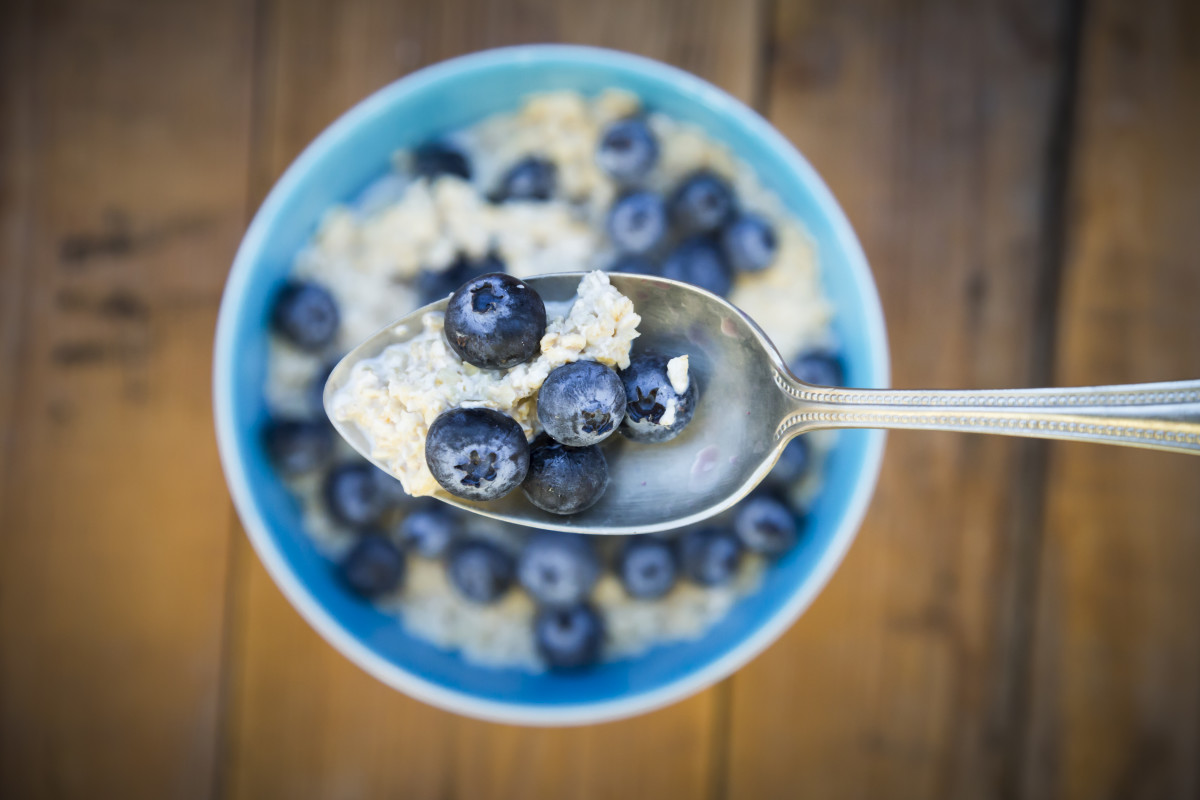
Eating instant flavored oatmeal can cause blood sugar spikes leading to energy dips and irritability; choosing unsweetened oats and adding protein and healthy fats can help maintain steady energy levels throughout the day.
A doctor has gone viral on TikTok for highlighting that most modern cases of fatty liver disease are due to blood sugar imbalances rather than alcohol consumption. Dr. Ben explains that poor diet choices, leading to fluctuating blood sugar levels, are the primary cause, even in non-drinkers. He suggests using a continuous glucose monitor to manage blood sugar and recommends dietary changes and physical activity to combat the disease. The video has sparked discussions, with viewers sharing their experiences of reversing fatty liver through lifestyle changes.
A new study suggests that maintaining low blood sugar levels and following a green Mediterranean diet, rich in plant-based foods like green tea and Mankai duckweed, may slow brain aging. Researchers found that lower blood sugar markers were linked to less brain shrinkage and neuron death, indicating that diet plays a crucial role in brain health. The study highlights the potential of polyphenols in plant-based foods to reduce brain inflammation, which is important for memory. These findings offer a promising approach to slowing cognitive decline through dietary changes.
Canadian actress Mairlyn Smith popularizes 'fart walks' on TikTok, promoting post-meal strolls to aid digestion, regulate blood sugar, and reduce bloating. Supported by experts, these walks can help prevent Type 2 diabetes and improve overall digestive health. Walking soon after eating, rather than lounging, helps release trapped gas and encourages digestion. Experts recommend a leisurely pace to avoid discomfort, with benefits including lower blood pressure and reduced stress.
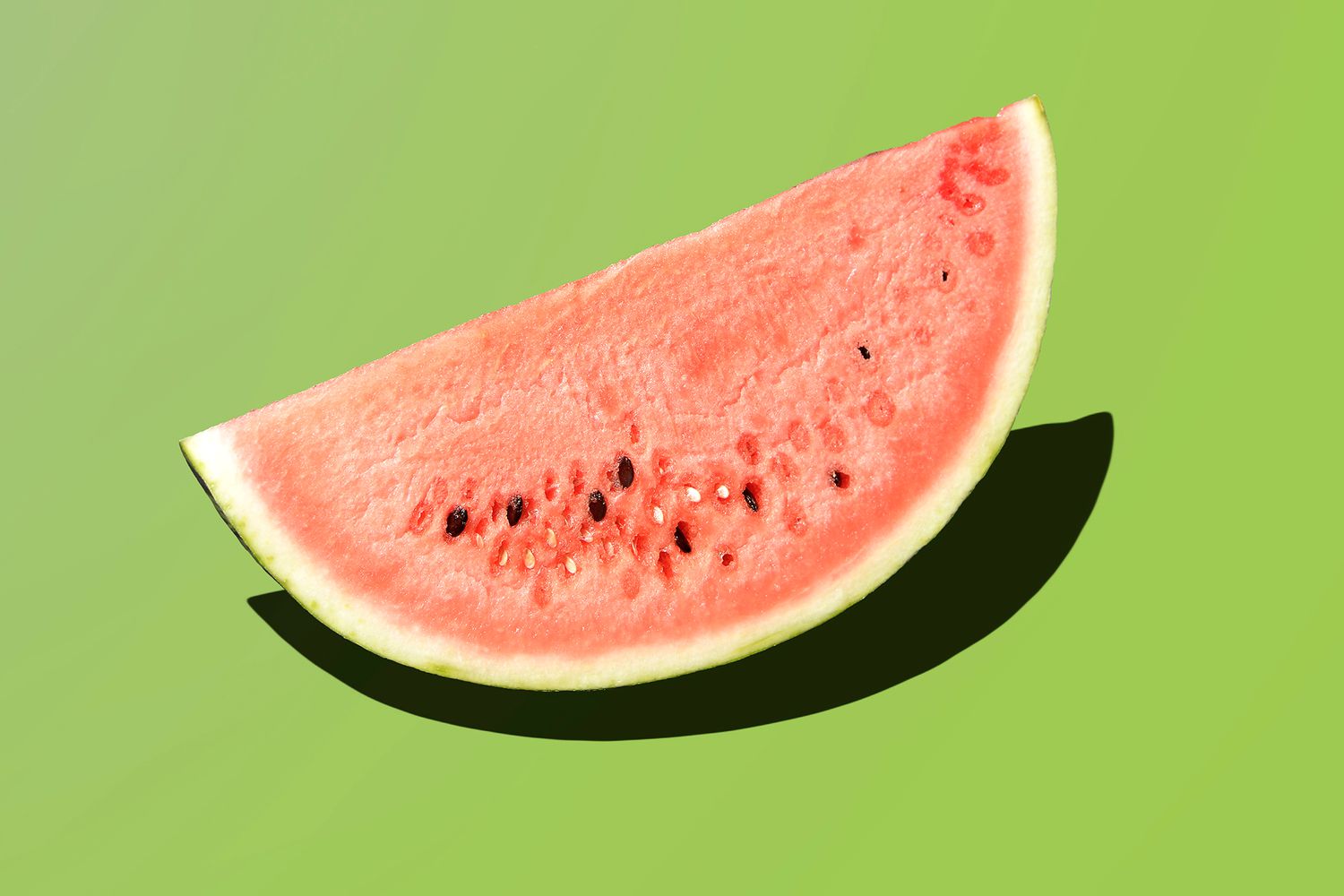
Dietitians and diabetes educators recommend including certain fruits in the diet of people with diabetes, debunking the myth that all fruits are bad due to their sugar content. Avocados, bananas, mangoes, oranges, prunes, and watermelon are highlighted for their health benefits, including fiber content and essential nutrients, which can help manage blood sugar levels. Pairing these fruits with proteins or healthy fats is advised for better blood sugar control. The article emphasizes the importance of including a variety of fruits in a balanced diet for individuals with diabetes.
Nutritionist Lisa Richards warns that brown rice, quinoa, sweet potatoes, and whole wheat pasta, although healthy in small doses, can spike blood sugar levels and contribute to insulin resistance if eaten in excess, leading to the accumulation of visceral fat. She suggests low-carbohydrate alternatives such as cauliflower rice stir-fry with lean protein, a stir-fry with vegetables and tofu or shrimp, a grilled chicken breast with roasted vegetables, and a grilled salmon with a spinach salad for dinner. It is important to pay attention to nutrition labels and recommended dosages to avoid insulin resistance and reduce visceral fat.