Tag

Dementiaprevention

All articles tagged with #dementiaprevention

health1 year ago

Boost Brain Health and Reduce Dementia Risk with Simple Habits and Exercise

Researchers at Mass General Brigham's McCance Center for Brain Health, in collaboration with Yale University, have developed the McCance Brain Care Score to help individuals maintain brain health and reduce the risk of dementia, stroke, and depression. The scorecard includes 12 modifiable factors such as blood pressure, nutrition, physical activity, and social connections. A study involving over 350,000 participants from the U.K. Biobank found that a 5-point increase in the score was linked to a significant reduction in the risk of these conditions over a 13-year period.
health-and-wellness2 years ago

"15 Everyday Habits to Modify for Lowering Early Dementia Risk, Studies Suggest"

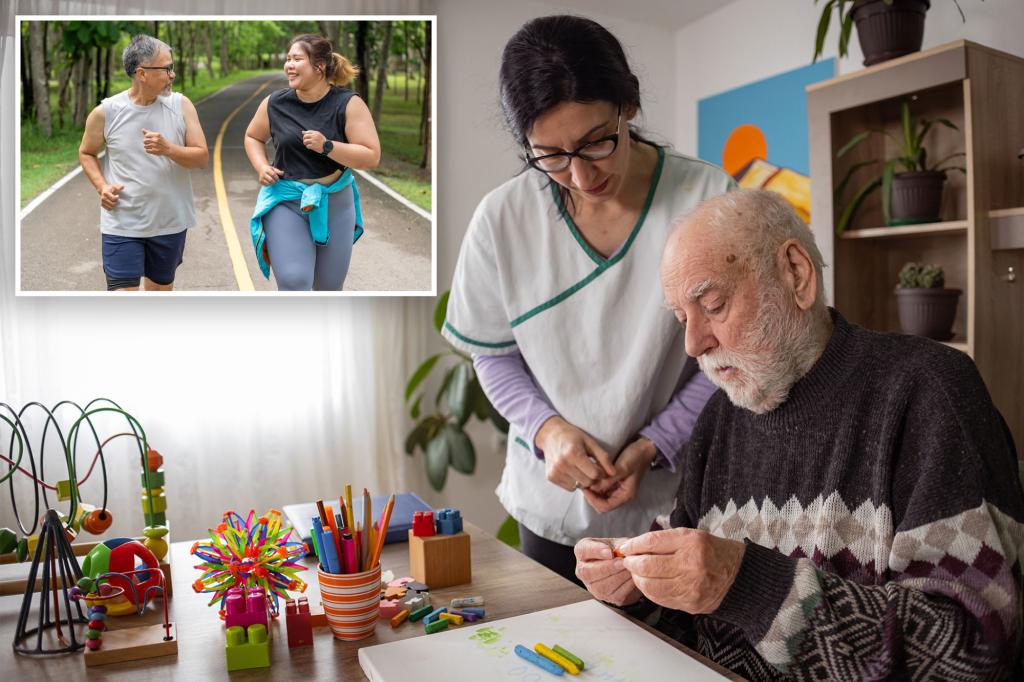
To reduce the risk of dementia, experts recommend adopting healthier lifestyle habits such as regular aerobic exercise, reducing stress, avoiding isolation by socializing in person, moderating alcohol consumption, improving sleep patterns, and eating a diet rich in natural, unprocessed foods like the Mediterranean Diet. These changes are beneficial at any age and can help mitigate factors that contribute to cognitive decline.

health2 years ago

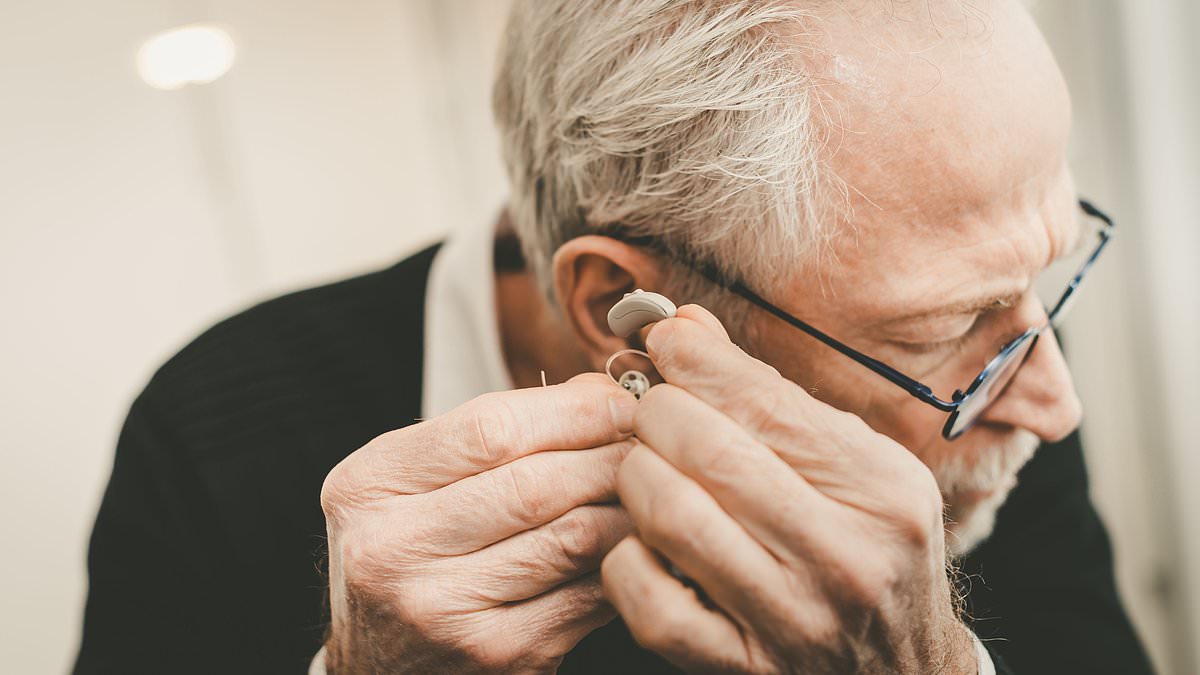
"Hearing Aid Regular Use Linked to Reduced Dementia Risk and Longer Lifespan, Studies Suggest"

A Danish study involving over half a million people suggests that using hearing aids can significantly reduce the risk of developing dementia. While hearing loss increases dementia risk by 20%, this risk drops to 7% with the use of hearing aids. The study highlights the importance of early intervention and regular hearing assessments to potentially decrease the incidence of dementia. Experts call for further research to understand the biological mechanisms behind this association and to destigmatize the use of hearing aids.

health-and-science2 years ago

"Shower Habits and Scent Therapy Linked to Dementia Risk and Memory Improvement"

A study at the University of California, Irvine, found that seniors who used scent diffusers with a variety of essential oils in their bedrooms at night showed a 226 percent improvement in cognitive performance after six months. The scent exposure also led to better sleep quality and increased integrity in a brain pathway associated with memory and aging. This non-invasive method could potentially help in preventing dementia, with a related product expected to be released in fall 2024.

health-and-medicine2 years ago

"Enhancing Memory and Reducing Dementia Risk Through Scent During Sleep and Showers"

A study by the University of California, Irvine suggests that diffusing fragrances such as rose, orange, and lavender during sleep can significantly improve cognitive performance in older adults. The research found a 226 percent improvement in cognitive tasks among participants who were exposed to a variety of scents compared to a control group. This finding indicates that sensory stimulation through smell could potentially slow cognitive decline and conditions like dementia, offering a simple and enjoyable intervention for maintaining brain health.

health2 years ago

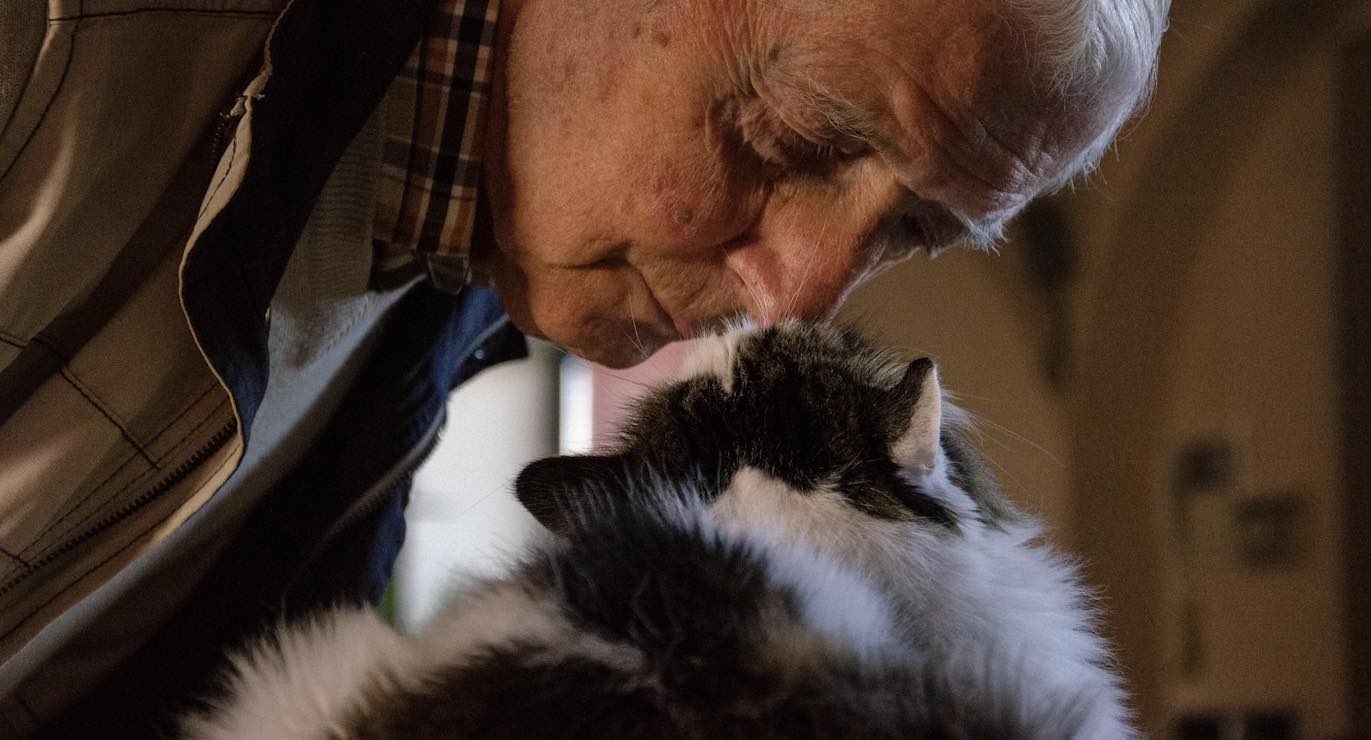
"Adopting Pets May Boost Cognitive Health in Older Adults, Studies Suggest"

A new study involving nearly 8,000 older adults suggests that owning pets can slow cognitive decline in individuals over 50 who live alone. The research, which followed participants for eight years, indicates that pet ownership is linked to better maintenance of verbal memory and fluency, potentially offsetting the risks associated with solitary living—a known factor for dementia. However, the benefits were not observed in older adults living with others, highlighting the unique support pets provide to those living alone.

health-and-fitness2 years ago

"Short Bursts of Exercise and Daily Steps: The Secret to Boosting Brain Size and Preventing Alzheimer's"

A new study published in the Journal of Alzheimer's Disease suggests that engaging in moderate to vigorous physical activity, such as walking, running, or team sports, for at least 10 minutes three times a week can lead to increased brain volume. This effect is particularly noted in areas of the brain responsible for memory and sensory processing. The research, involving MRI scans of over 10,000 individuals, indicates that even less than the often recommended 10,000 steps a day, specifically around 4,000 steps, can have a positive impact on brain health. These findings highlight the potential of regular exercise in dementia prevention and maintaining brain size as we age.