Scientists studying a 407-million-year-old fossilized plant, Asteroxylon mackiei, found that its leaf arrangement does not follow the Fibonacci sequence, challenging previous assumptions that Fibonacci spirals are universal in plant evolution. Using 3D reconstructions, they observed non-Fibonacci leaf patterns, suggesting early plants may have evolved different leaf arrangements before Fibonacci spirals became common in modern plants.
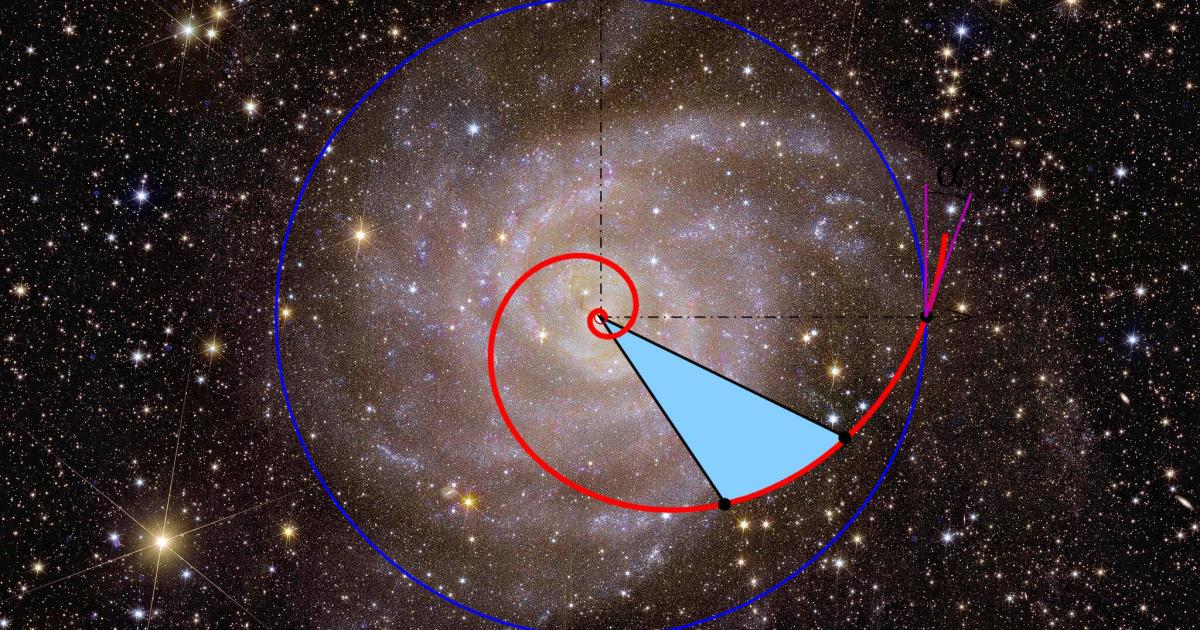
The Fibonacci sequence, a mathematical pattern found in nature, is not inherently linked to natural phenomena, but rather to pure mathematics. While the sequence appears in biological organisms due to the golden ratio's biological utility, it is only by pure coincidence that it appears in some physical sciences, including in a few spiral galaxies. The sequence is generated by adding the two prior terms together, and its ratios approach the golden ratio, φ, as the terms increase. A mathematical curiosity allows for the generation of the Fibonacci numbers by creating a fraction with 89 in the denominator and adding 9s on either side. This sequence is not self-similar and does not persist in most physical spirals, but it does appear in many biological organisms, including plants, due to evolutionary reasons.
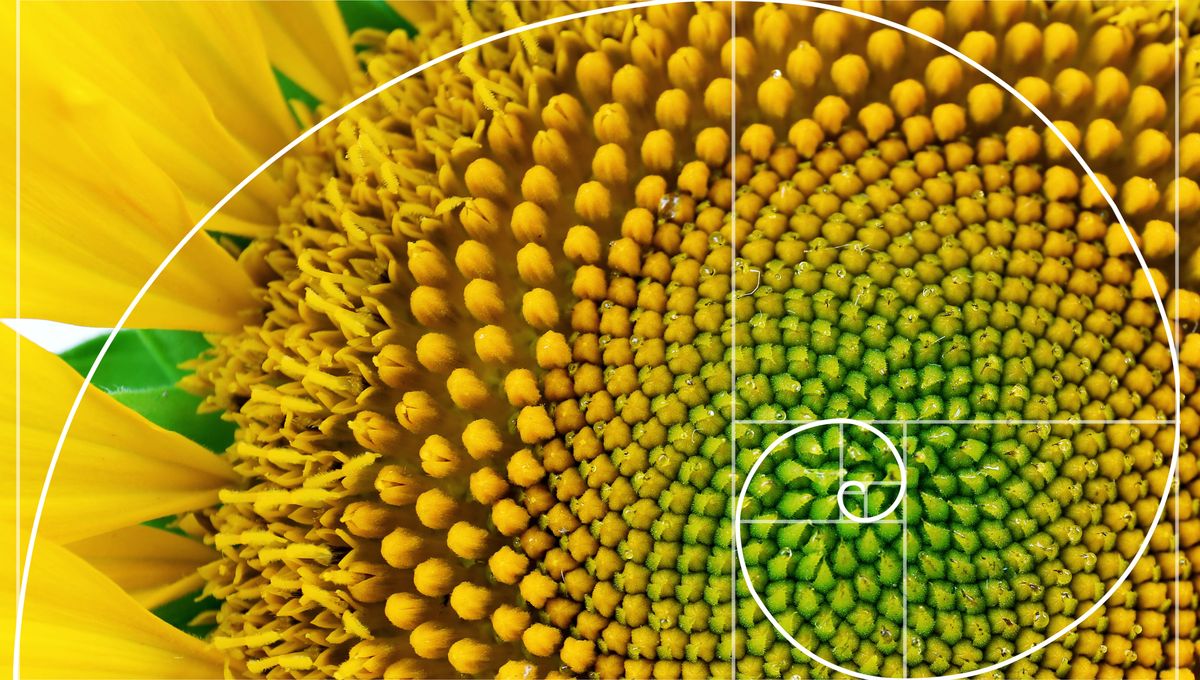
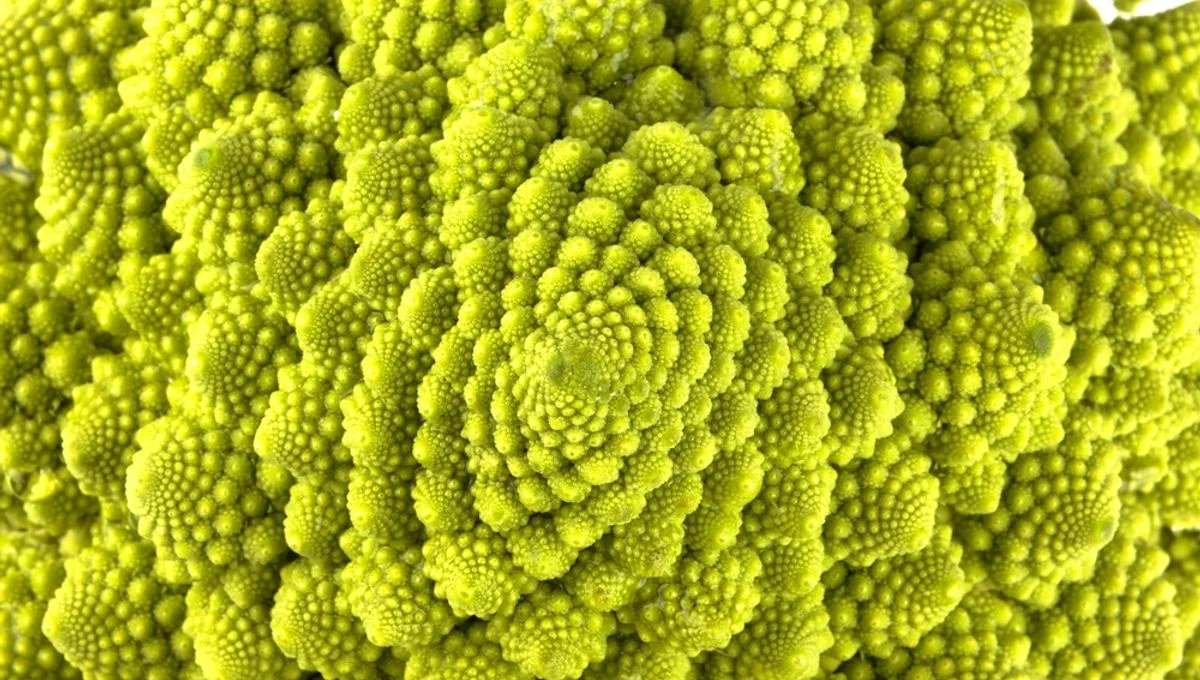
An ancient fossilized plant, Asteroxylon mackiei, dating back 407 million years, has challenged the assumption that the Fibonacci sequence is present in the structure of early plant species. Most living plants exhibit organs arranged in Fibonacci spirals, but this extinct lycopod species from the Early Devonian period has leaves arranged in non-Fibonacci patterns. 3D-printed reconstructions of the plant's cross-sections revealed that some reconstructions followed Fibonacci spirals, while others had no spirals at all and instead grew leaves in rings along the stem. These findings suggest that the evolution of Fibonacci spirals in plants may not be as ancient as previously thought and that leaf evolution in these clubmosses may be separate from other plant groups.
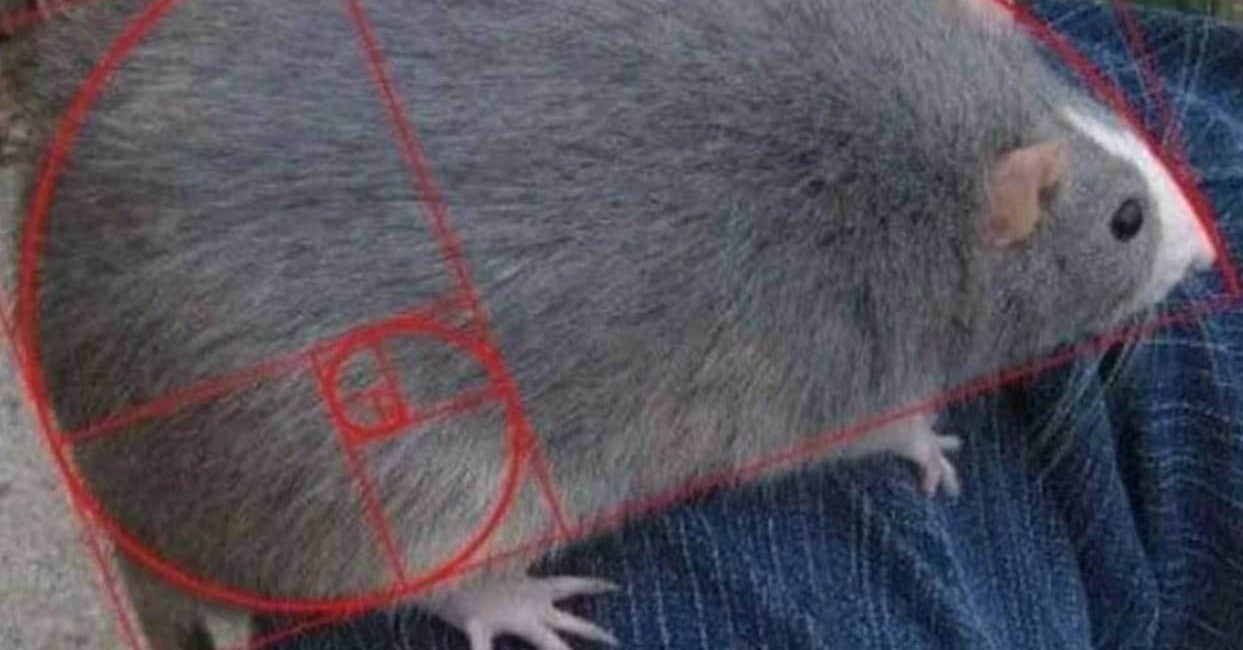
The Fibonacci sequence, a series of numbers that produce the "golden ratio," appears in nature in various forms, including the shell of a nautilus, bubbles made by whales, and the growth patterns of plants and trees. The sequence is also found in random and obscure places, such as broken computer screens and spilled liquids. The article showcases 18 examples of the Fibonacci sequence in nature and everyday life.