A Lifes Little Mysteries feature traces the origins of boats, from early dugout canoes to more advanced watercraft, highlighting archaeological finds and cultural innovations that enabled humans to travel, trade, and explore across rivers and seas.
A children's quiz features questions from kids about bees, boats, early houses, treats, and sharks, hosted by Molly Oldfield, who also has related books and a podcast answering children's curiosities.
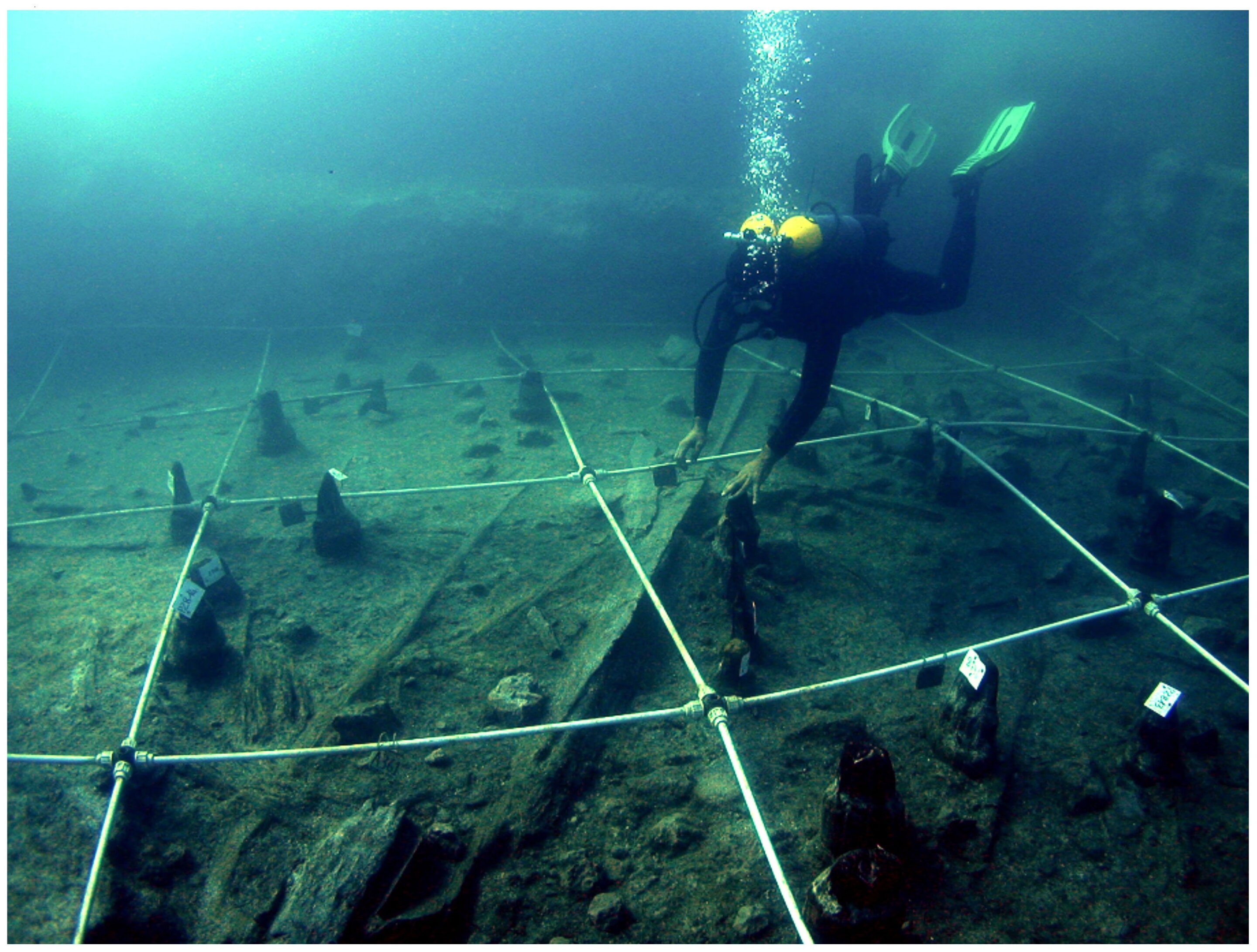
A study published in PLOS ONE reveals that 7,000-year-old canoes excavated at the Neolithic lakeshore village of La Marmotta near Rome, Italy, demonstrate advanced nautical technology. The canoes, dating between 5700 and 5100 BC, were constructed from four different types of wood and feature advanced construction techniques, indicating a detailed understanding of structural design and wood properties. The presence of T-shaped wooden objects associated with one canoe suggests the use of sails or other nautical elements. These findings provide valuable insights into the technological sophistication of early agricultural and pastoral communities and suggest that major advances in sailing were made during the early Neolithic period.
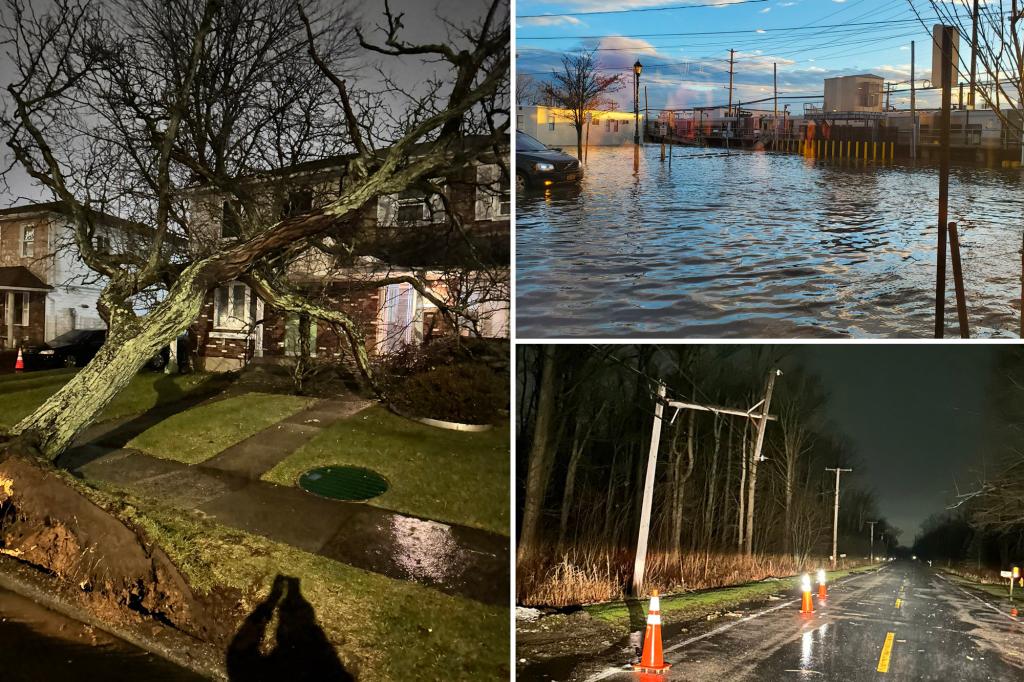
Residents in the tristate area of Connecticut and New York used boats to navigate flooded streets after a severe storm caused power outages for thousands. Videos showed people paddleboarding through the streets and fire department rescues in flooded areas. The storm brought heavy rain and damaging winds, leaving many without power. A wind advisory was in effect, and a second powerful winter storm is expected to hit the region over the weekend, bringing more rain and winds.
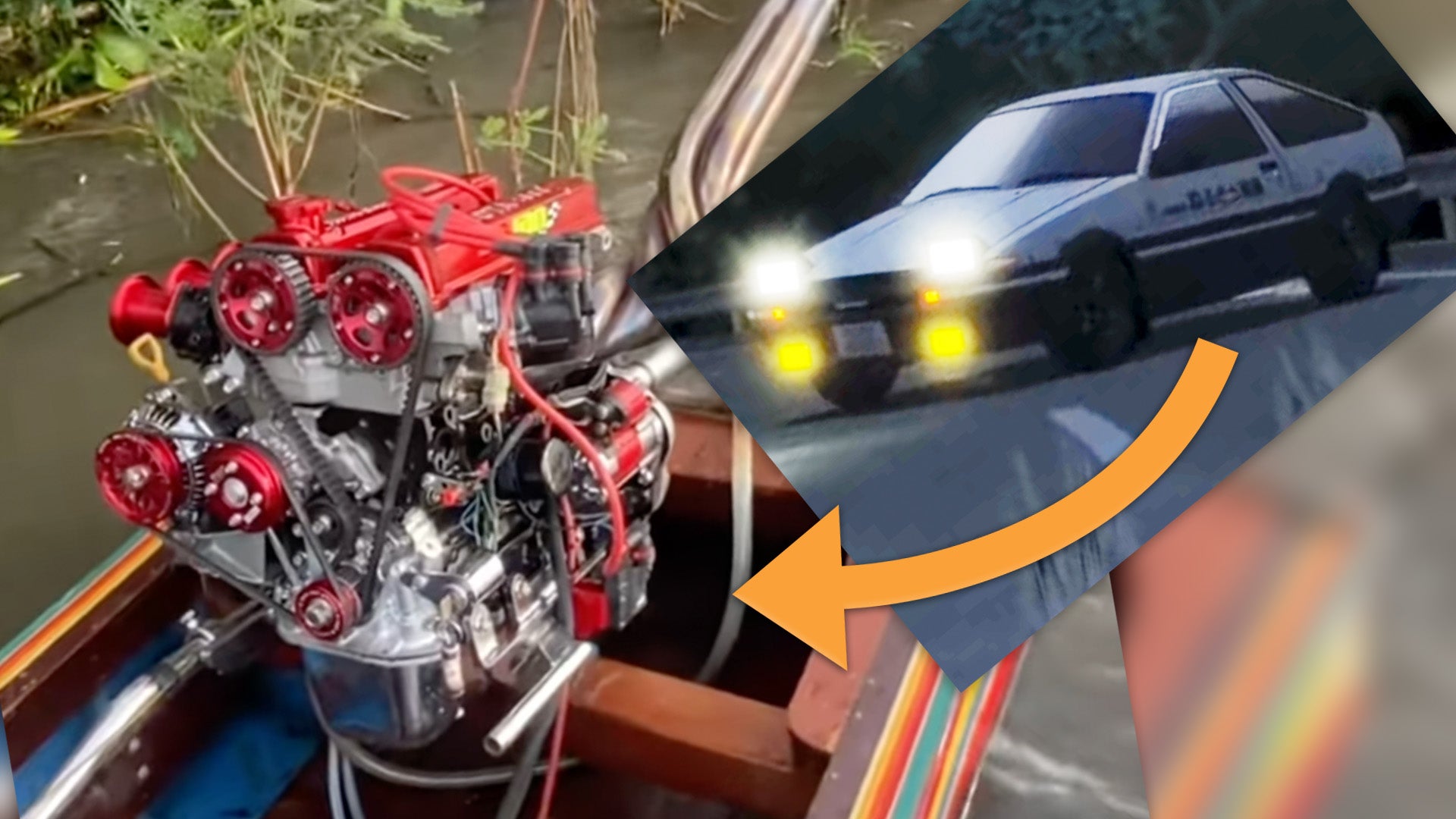
Toyota's 4A-GE engine, known for powering iconic cars like the AE86 Corolla, MR2, and Celica, is now being used to power boats in Southeast Asia, particularly in Thailand. These hot-rodded long-tail boats feature tuned 4A-GE engines with four-into-one headers and independent throttle bodies, producing a signature intake growl. While the power output may not be mind-blowing, ranging from 150 to 200 horsepower, the appeal lies in the engine's performance and sound at high RPMs. The popularity of these Toyota-powered boats has been growing, with enthusiasts embracing the versatility of the 4A-GE engine in various vehicles.
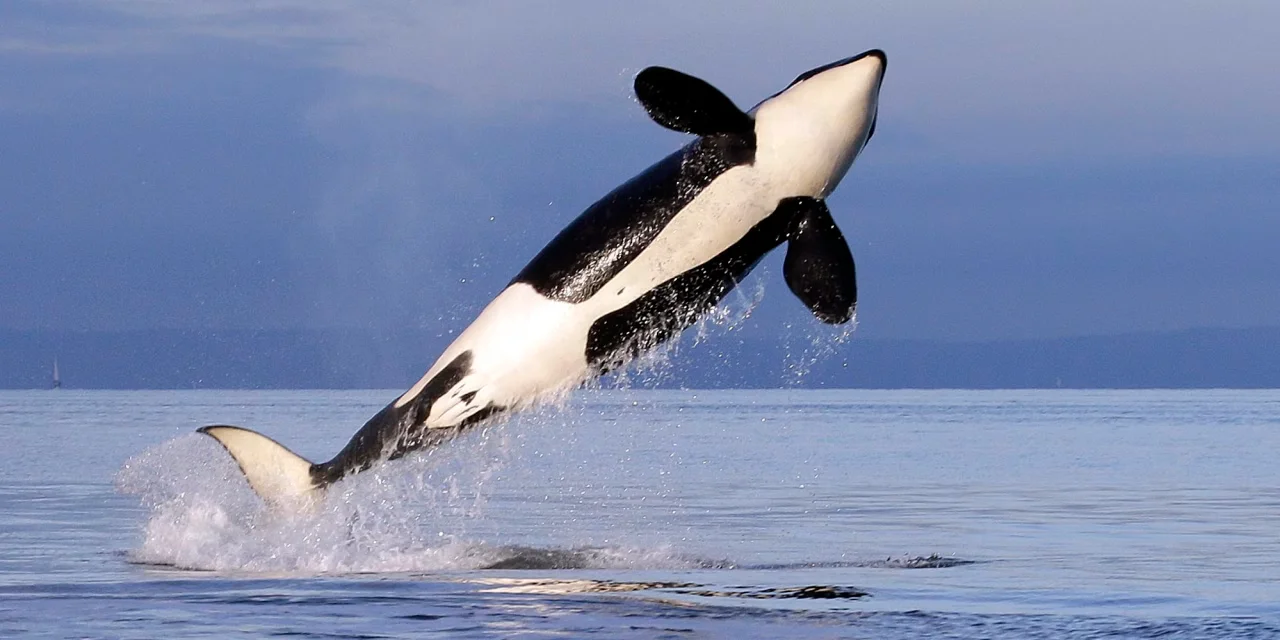
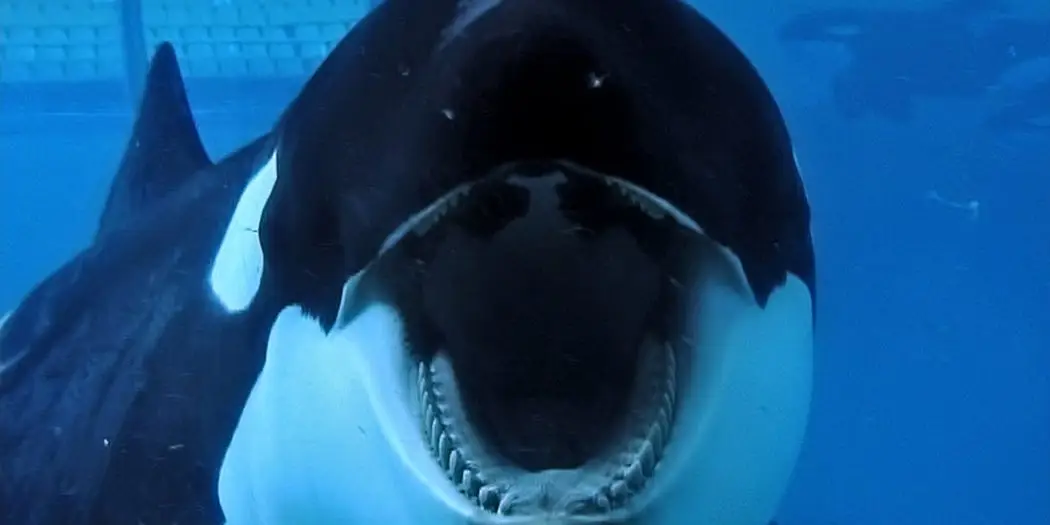
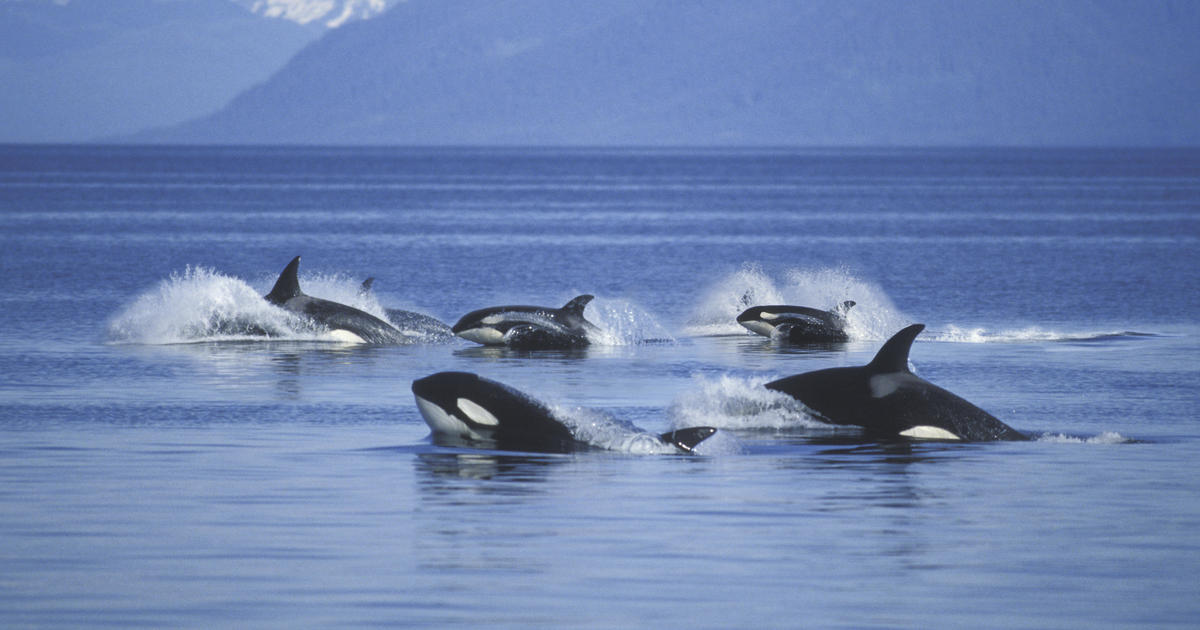
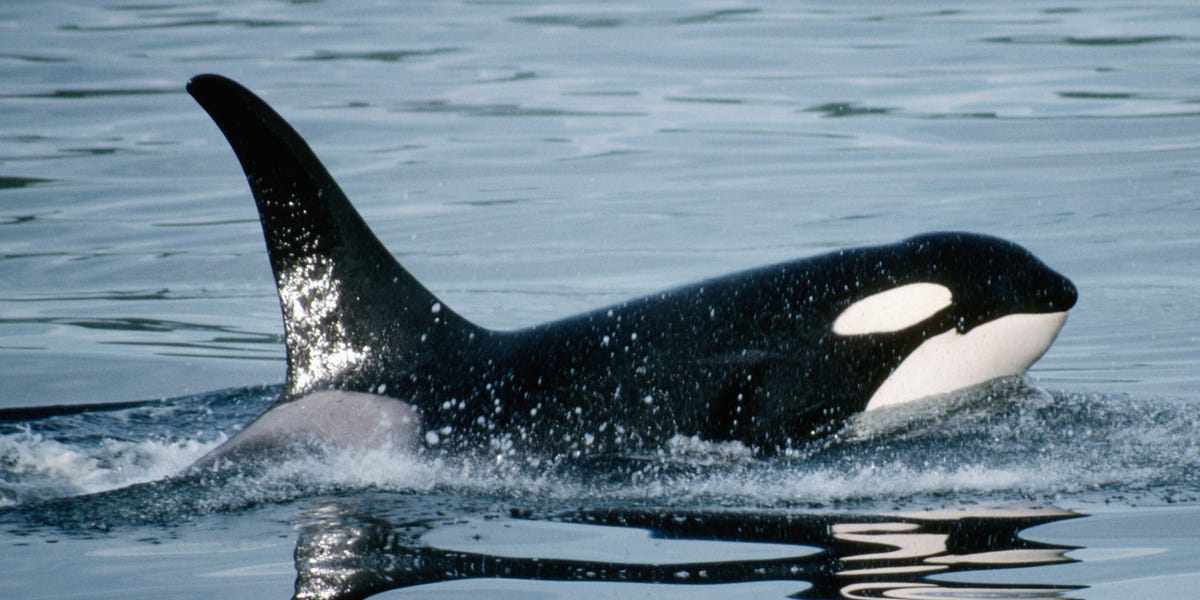
Iberian orcas have been bumping into boats off the coast of Spain, causing concern among conservationists. The reason for the behavior is unknown, but some speculate it could be due to a decline in the orcas' food sources or increased boat traffic in the area. Efforts are underway to study the orcas and find ways to protect both the marine mammals and boaters.
Killer whales have been ramming boats and ripping off rudders in the waters near southern Spain, but orca experts believe that these encounters are not out of revenge, but rather the orcas just want to play. Orcas are very social and curious animals that often engage with their environments, and their natural curiosity and playfulness are likely the cause for these encounters. Orcas might simply enjoy the sensation of ramming into boats, and they might also be enticed by a boat speeding through the water and get a thrill out of chasing it. However, this behavior could put orca lives at risk.
Orcas off the coast of Spain are increasingly touching, pushing, and even turning boats, with some incidents resulting in sinking. Experts believe that the behavior may be taught among the highly intelligent species, and theories suggest that it could be a form of "play" or a result of negative experiences with boats. No human injuries or deaths have been reported, but experts are calling for international coordination to prevent future damage to people, orcas, and vessels.
Killer whales off the coast of Spain and Portugal have been ramming into boats, causing damage and raising questions about their behavior. The incidents have more than tripled in the past two years, and the reason for the behavior remains a mystery. While some speculate the whales may be retaliating or teaching each other, experts believe it may just be playful behavior that's gotten out of hand. The behavior is dangerous and could result in a boater being killed, but there are no reports of the whales attacking humans.
A traumatized female orca named White Gladis may have triggered the recent incidents of killer whales ramming into and sinking sailboats near Portugal and Spain, but at least one other orca, Luna, has previously engaged in similar behavior for playful reasons. Luna, who lived alone and befriended humans, was killed by a tugboat in 2005. Orcas are known to be tactile and intelligent, and the fact that other orcas are mimicking the behavior suggests it is being positively reinforced. These interactions can be dangerous for both whales and humans.
A 32-year-old man has been arrested on suspicion of arson after a fire broke out at a marina in Seattle's University District, burning around 30 boats. The fire also spread to an adjacent warehouse, but no one was inside. The suspect was found in a boat docked near the fire and was taken to Harborview Medical Center before being identified by the Arson Bomb Squad. Seattle police are conducting a follow-up investigation, and no injuries were reported.
A fire near Seattle's Ship Canal Bridge destroyed 42 pleasure boats in a dry storage facility, and one person was injured. The cause of the fire is under investigation, and 80 firefighters responded to the scene to help get the fire under control.
A fire broke out at a boat rack dry storage facility near the Ship Canal Bridge in Seattle, destroying about 30 boats. The cause of the fire is under investigation, and a man in his 40s was taken into custody. No injuries were reported, and the fire is now under control. Over 100 personnel responded to the scene, including the Coast Guard.