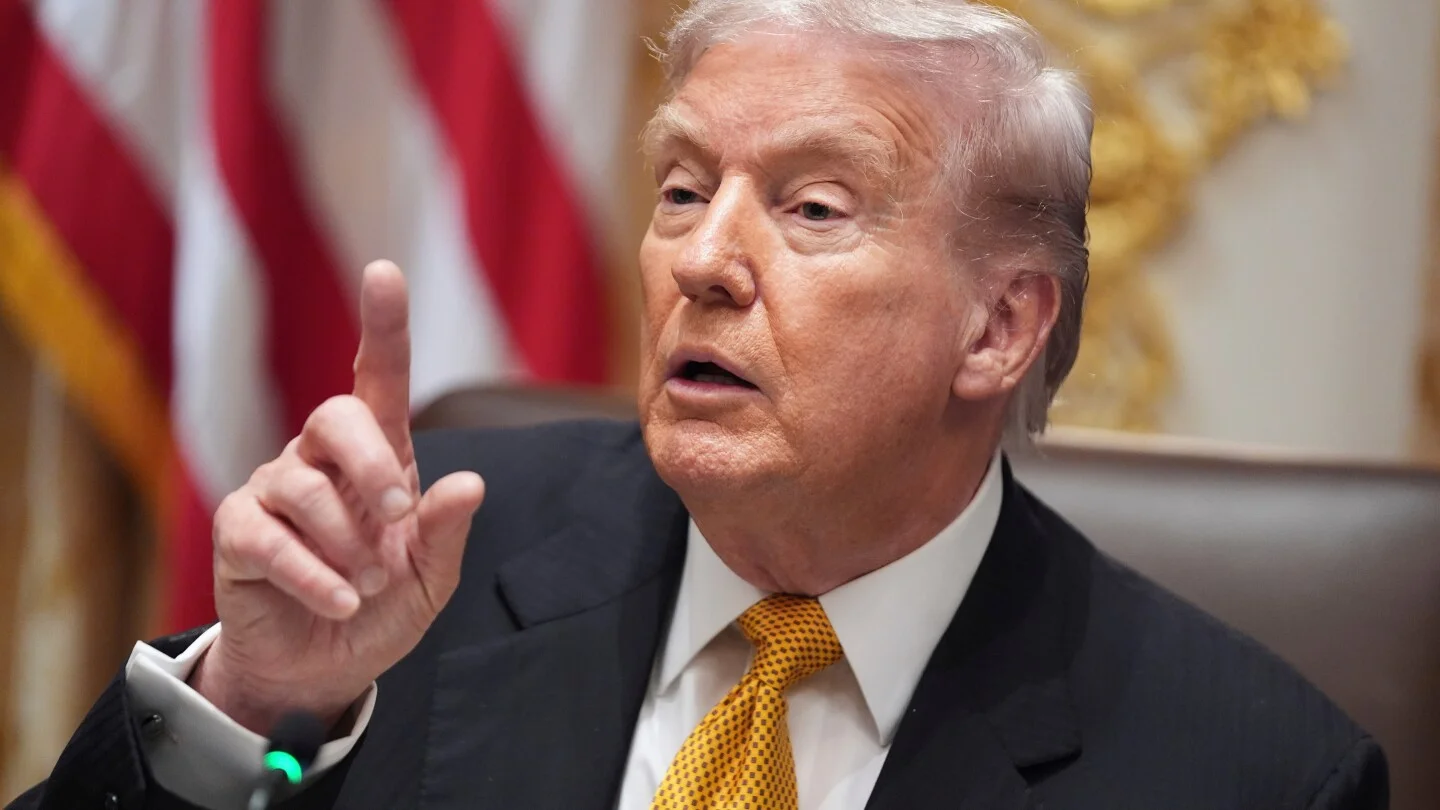
The article reviews recent outlandish and often unfeasible ideas proposed by President Trump, including 50-year mortgages, tariff checks, air traffic controller bonuses, and other controversial or impractical policies, highlighting the mixed progress and setbacks in their consideration.
The U.S. Department of Labor has proposed over 60 changes to eliminate or revise outdated workplace rules, aiming to reduce regulatory burdens but facing criticism for potentially increasing worker risks, especially for vulnerable groups like women and minorities. Key proposals include removing minimum wage requirements for home health care workers, rescinding protections for migrant farmworkers, and relaxing safety standards at construction sites and mines, with ongoing public comment periods before implementation.
Social Security faces a significant funding shortfall that could lead to a 23% reduction in benefits within eight years if Congress does not take action to bolster the program, which is projected to run out of funds by 2033. The shortfall is driven by demographic shifts, lower birthrates, and policy changes, with policymakers urged to implement phased reforms to ensure long-term sustainability.
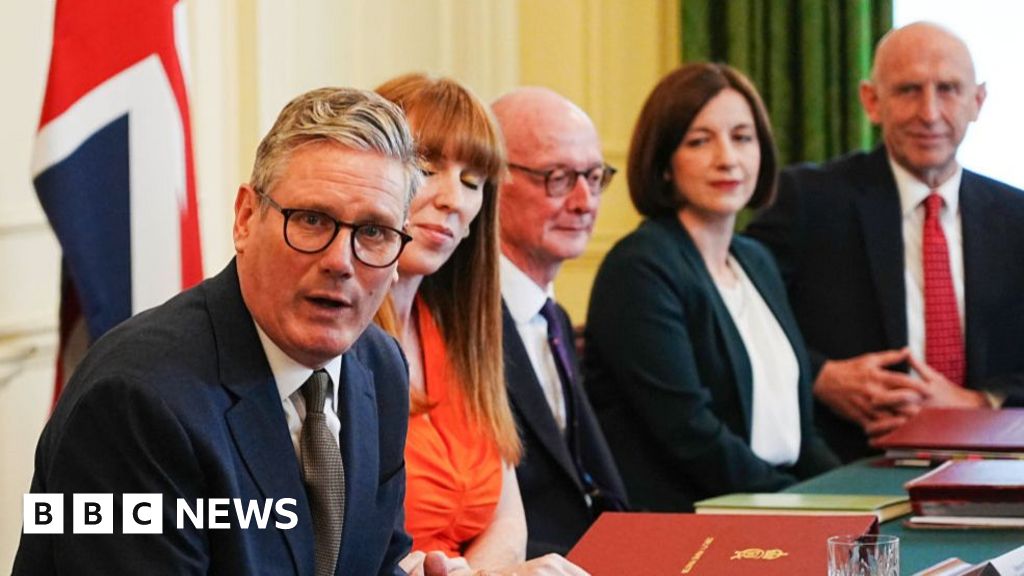
UK Labour leader Sir Keir Starmer is set to unveil a "plan for change" with six key milestones ahead of the next general election, focusing on issues like housebuilding, NHS operations, and greener energy. While the plan aims to provide clear, measurable goals, it faces criticism as an "emergency relaunch" by opponents. The strategy seeks to address voter concerns with concrete promises, though it risks being met with skepticism due to past political disappointments.
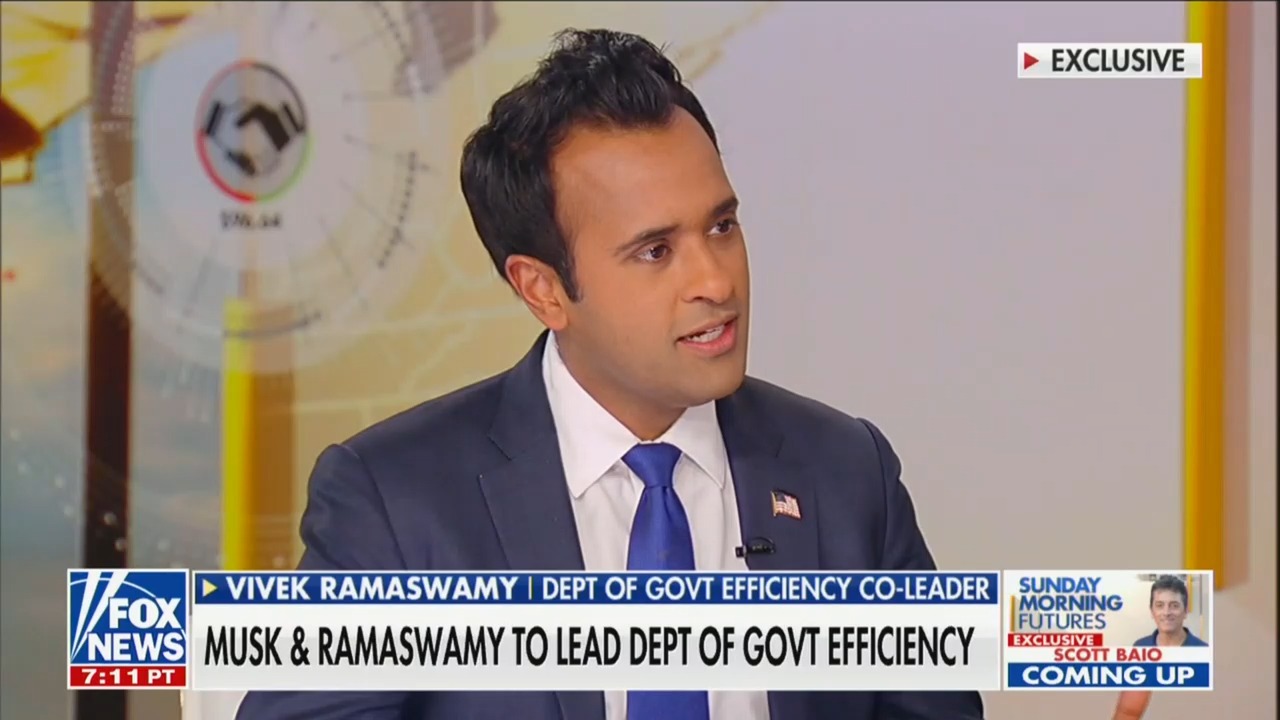
Vivek Ramaswamy, speaking on Fox News, stated his intention to "delete" certain government agencies as part of his political reform agenda. He emphasized the need for significant changes in the structure and function of federal agencies to improve efficiency and accountability.
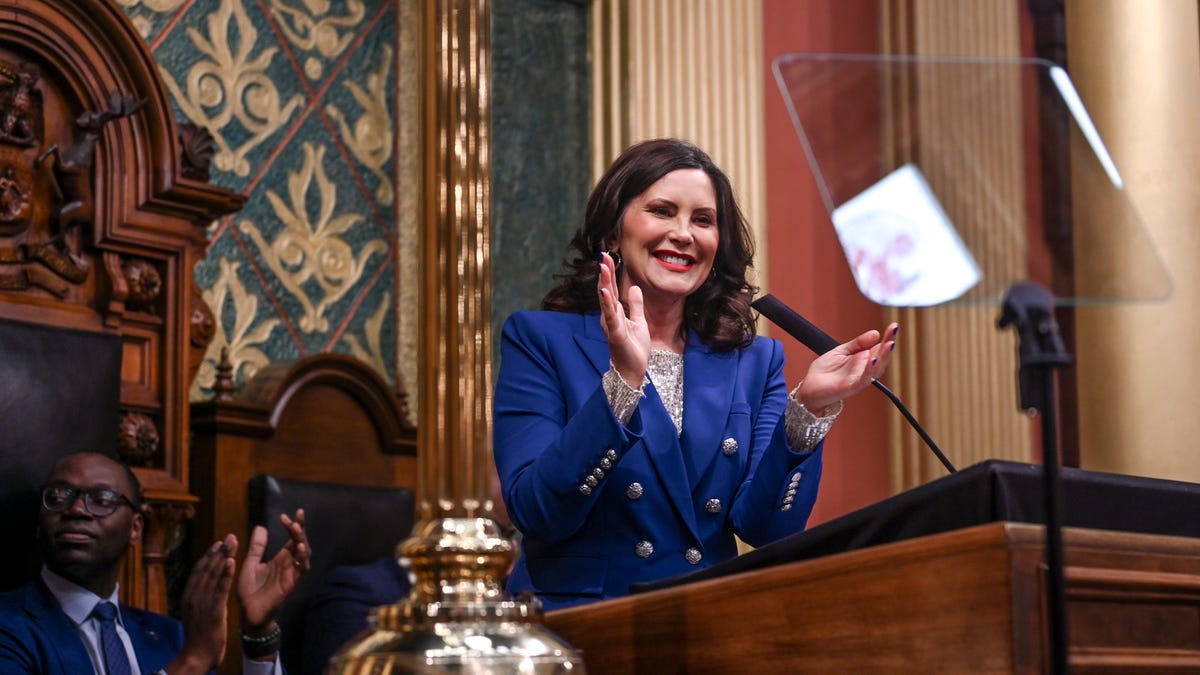
Governor Gretchen Whitmer proposed a caregiver tax credit, an innovation fund to attract start-ups, and free community college in her State of the State address, while avoiding mention of paid family and medical leave, government transparency, and the Enbridge Line 5 issue. The proposed "Caring for MI Family Tax Credit" aims to provide relief for uncompensated caregivers, the innovation fund seeks to bolster economic development, and the free community college initiative aims to increase post-secondary credential attainment. Notably, Whitmer did not address her previous support for paid leave, government transparency, and her campaign promise to shut down the Enbridge oil pipeline.
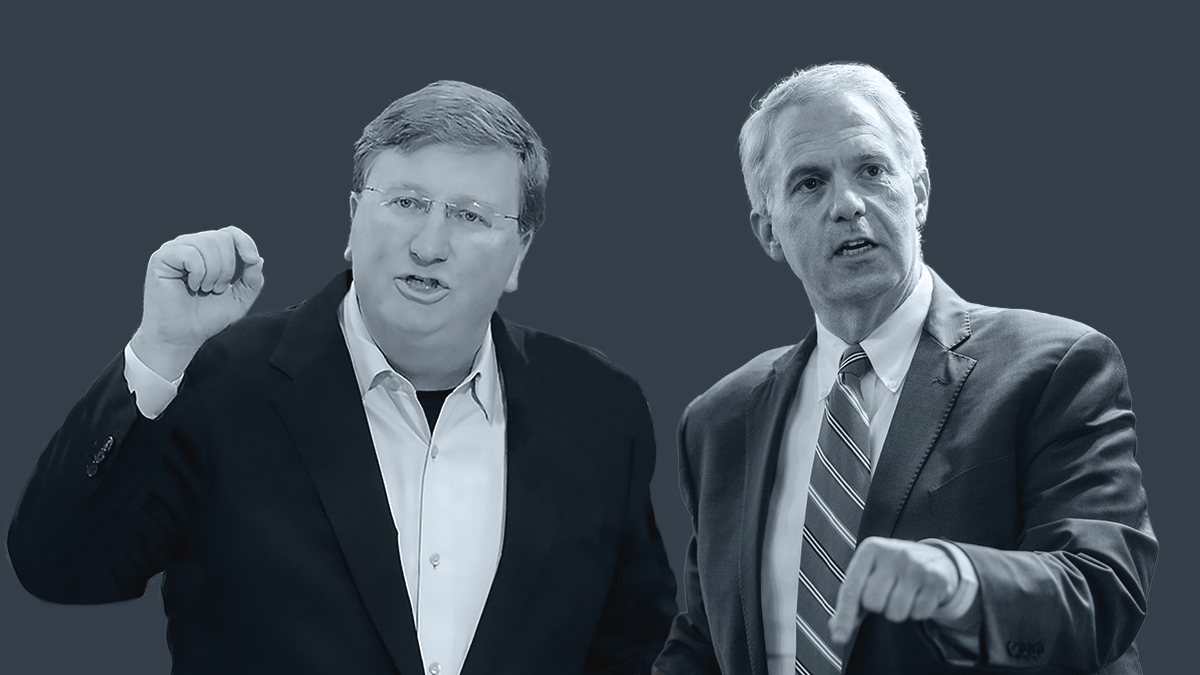
In the final stretch of the 2023 Mississippi governor's race, Republican incumbent Tate Reeves has focused on stoking fear among voters, emphasizing the threat of "out-of-state liberals" and the need to protect "Mississippi values." Meanwhile, Democratic challenger Brandon Presley has pitched new ideas, including expanding Medicaid, addressing corruption in state government, and cutting taxes. Reeves has faced fundraising challenges and low popularity, while Presley has benefited from a coordinated get-out-the-vote effort. The outcome of the race remains uncertain, with the possibility of a runoff if neither candidate secures 50% of the vote.
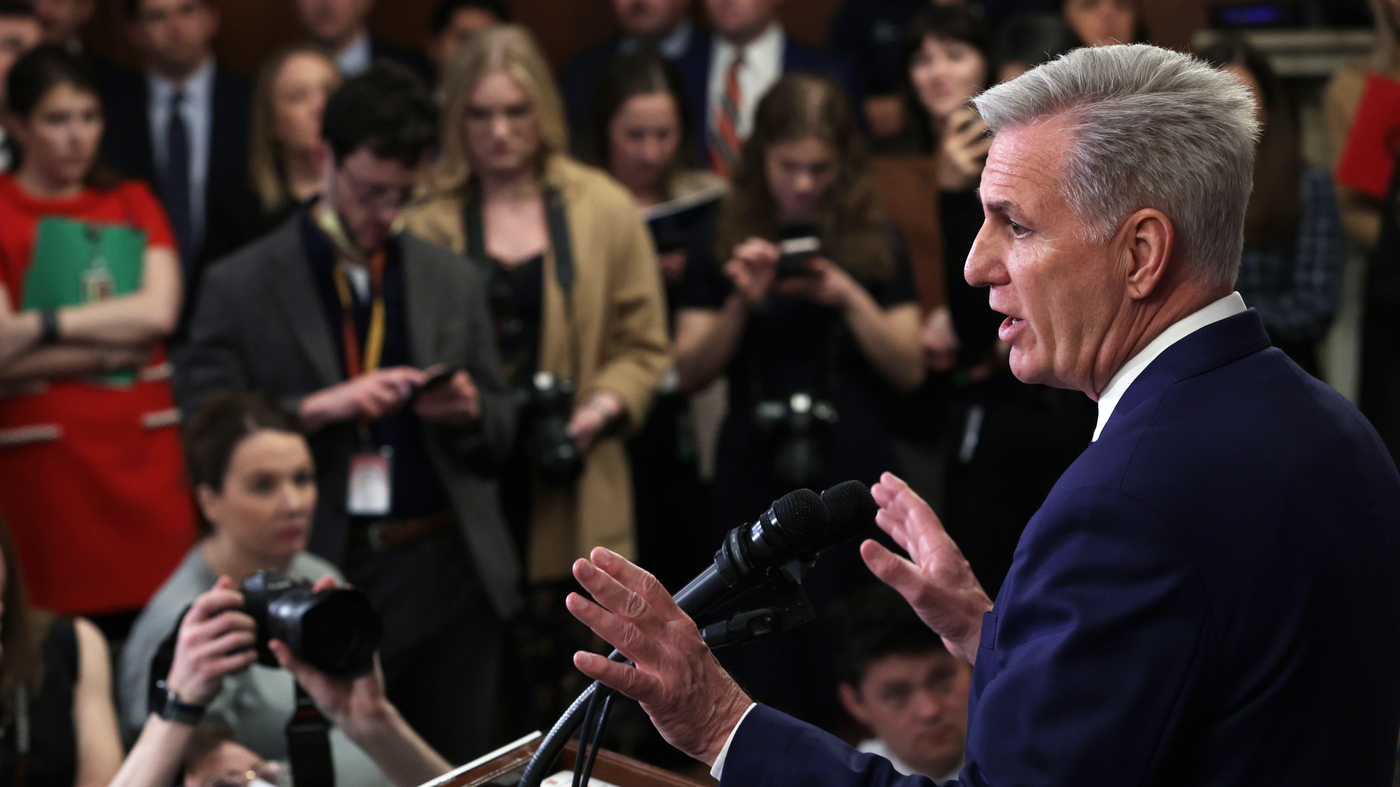
With negotiations over avoiding a default on the country's credit limit stalled, House Speaker Kevin McCarthy told reporters Thursday that the GOP-led House may move its own bill. McCarthy said the House could vote on legislation that is modeled on a letter he sent earlier in the week to Biden that proposed lowered spending levels and floated adding several policy proposals to a package to increase the debt ceiling. Democrats have dismissed the GOP's emphasis on federal spending cuts and policy proposals, insisting on a clean extension of the debt limit.