Tag

Atmospheric Composition

All articles tagged with #atmospheric composition

astronomy1 year ago

"Unprecedented Rainbow-Like Glory Spotted on Distant Alien World"

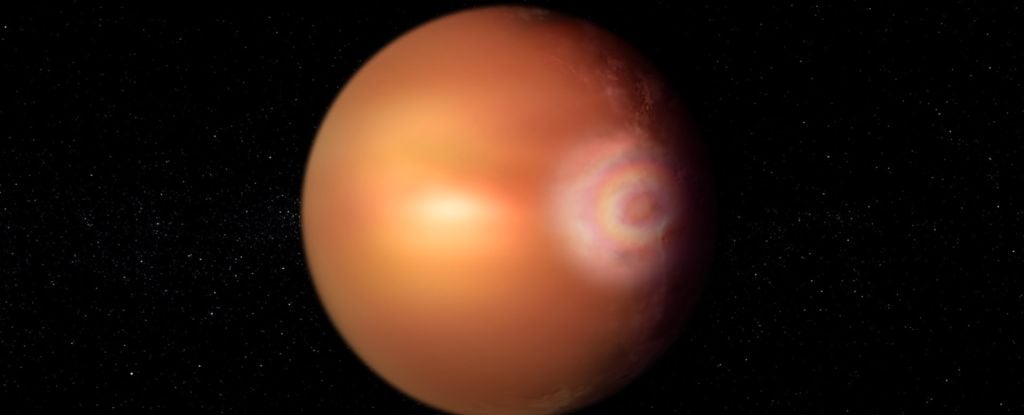
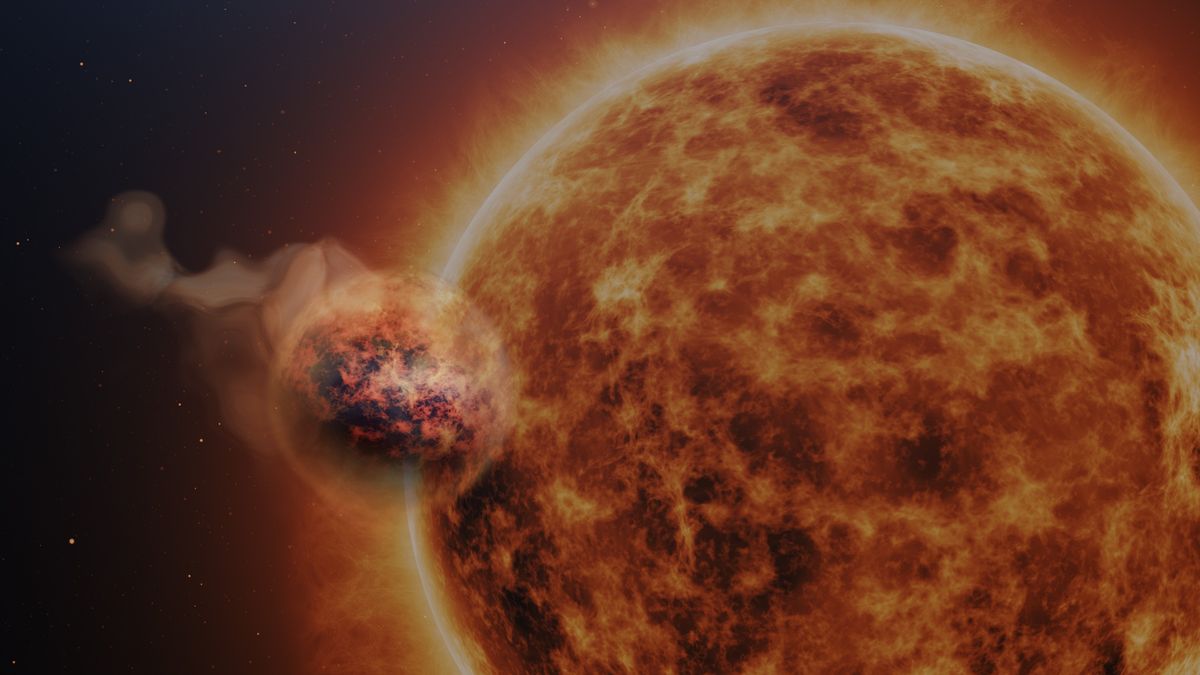
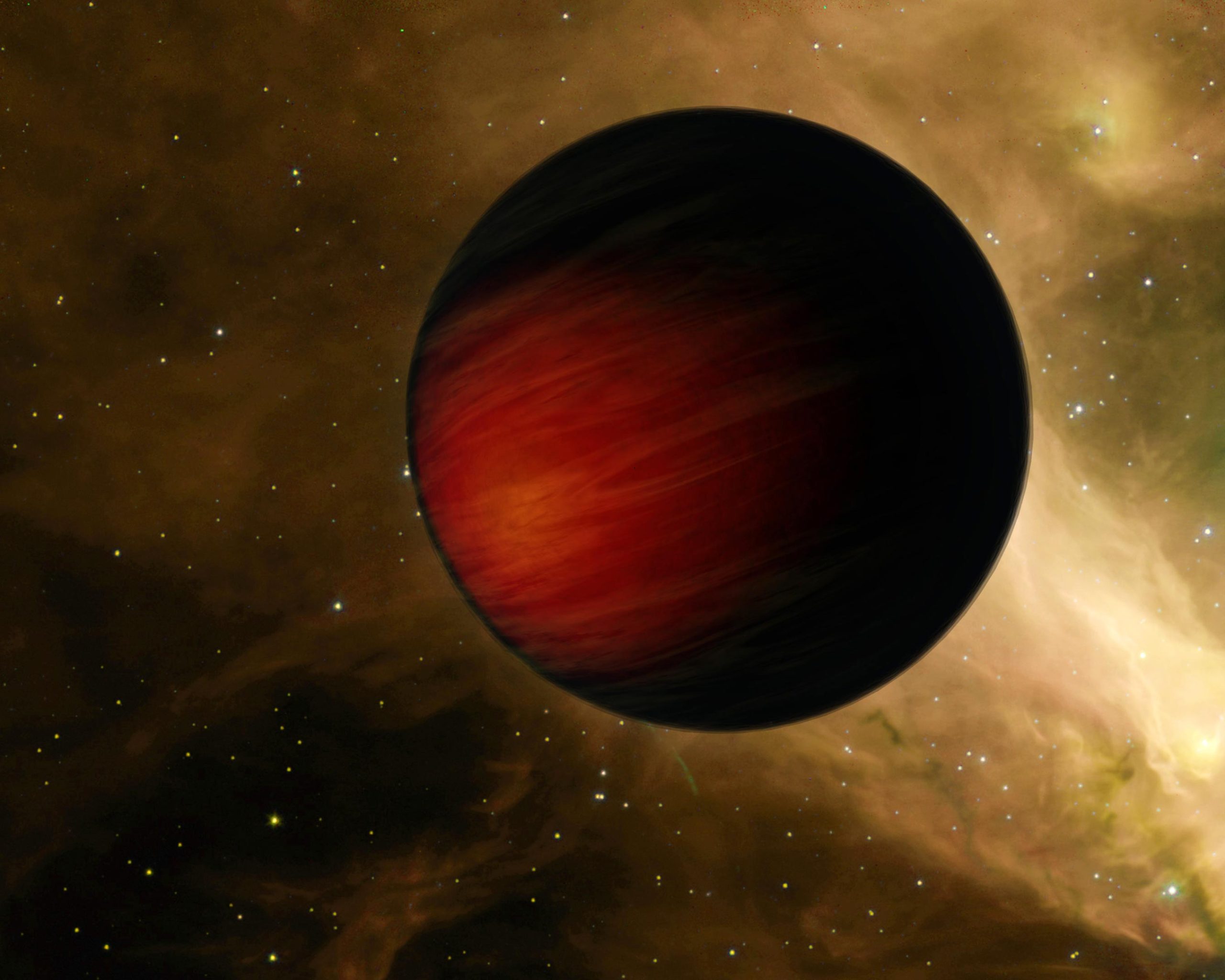
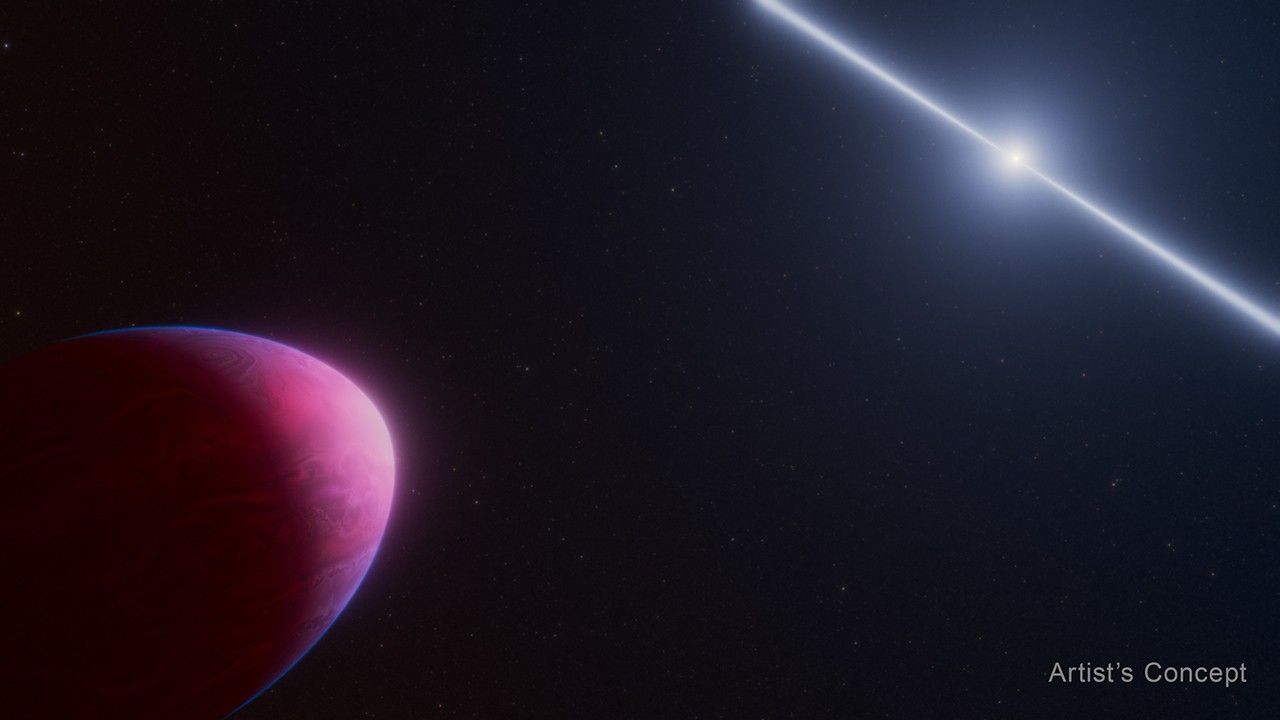
Astronomers have detected a rare and beautiful phenomenon known as a glory in the skies of WASP-76b, an exoplanet located 640 light-years from Earth. This colorful halo of light, previously only observed on Earth and Venus, provides insights into the unique atmospheric conditions of this alien world. The discovery suggests the presence of stable, spherical aerosol droplets in the planet's clouds and could lead to further revelations about its atmospheric composition. If confirmed, this finding could serve as a model for identifying similar phenomena on other exoplanets and potentially uncovering other features such as starlight reflecting off liquid surfaces.

space-science2 years ago

"Promising Exoplanet Unveils Vital Clue to Alien Life"

The James Webb Space Telescope has detected methane in the atmosphere of WASP-80b, an exoplanet half the size of Jupiter. While the presence of methane does not confirm the existence of life, it is a promising sign for astronomers searching for biosignatures on other planets. The discovery of methane in the atmosphere of a gas giant like WASP-80b provides valuable insights into atmospheric composition and helps expand our understanding of chemistry and physics in different conditions. Further study of methane and other gases in exoplanet atmospheres will contribute to the development of atmospheric theory and enhance our knowledge of our own solar system.

astronomy2 years ago

"NASA's James Webb Telescope Uncovers Exoplanet with Sand Clouds and Surprising Atmosphere"

European astronomers using NASA's James Webb Space Telescope have made new discoveries about the exoplanet WASP-107b. The observations reveal that the Neptune-like gas giant has scorching hot temperatures, sandy clouds high in the atmosphere that can fall like rain onto its surface, and a complex chemical composition including water vapor and sulfur dioxide. The absence of methane suggests a warm interior, and the presence of silicate sand clouds indicates a "fluffy" composition. The findings reshape our understanding of planetary formation and evolution, shedding new light on our own solar system.

science-and-astronomy2 years ago

"JWST Discovers Exoplanet with Sand Clouds and Sulfuric Skies"

The James Webb Space Telescope (JWST) has revealed the presence of strange sandy clouds high in the atmosphere of the exoplanet WASP-107b. The low density of the planet allowed astronomers to observe its atmosphere in greater detail, leading to the discovery of water vapor, sulfur dioxide, and silicate sand clouds. This finding could have implications for our understanding of the chemistry of distant planets and sheds new light on planetary formation and evolution. The observations were made using JWST's Mid-Infrared Instrument (MIRI) and were published in the journal Nature.

space-science2 years ago

"James Webb Space Telescope Discovers Exoplanet with Sand Clouds and Sulfuric Skies"

Observations by the James Webb Space Telescope (JWST) suggest that the gas giant planet WASP-107b has clouds made of tiny bits of sand. The sand acts like water on Earth, falling towards the planet's hotter interior and evaporating back up to form clouds. This discovery reveals the existence of bizarre clouds beyond our solar system and provides valuable insights into the atmospheric composition of distant planets. The JWST's ability to detect infrared light and make precise measurements has allowed scientists to confirm the presence of sand clouds on WASP-107b, challenging previous assumptions and paving the way for further exploration of otherworldly cloud formations.

spaceexoplanets2 years ago

Planetary Neighbors: The Key to Discovering Life

A new study suggests that comparing the atmospheric composition of a potentially habitable exoplanet with those of its neighboring planets in the star system could be a better approach to finding signs of life. By analyzing the abundance of atmospheric carbon, researchers can determine if an exoplanet has significantly less carbon than similar worlds in its system, indicating the presence of water and organic life. While this method is not definitive, it could help identify candidate planets for further study and potentially lead to the discovery of extraterrestrial life.

space-science2 years ago

"Webb Telescope's Captivating Recordings: Exploring Solar Explosions and Flares for Habitable Planets"

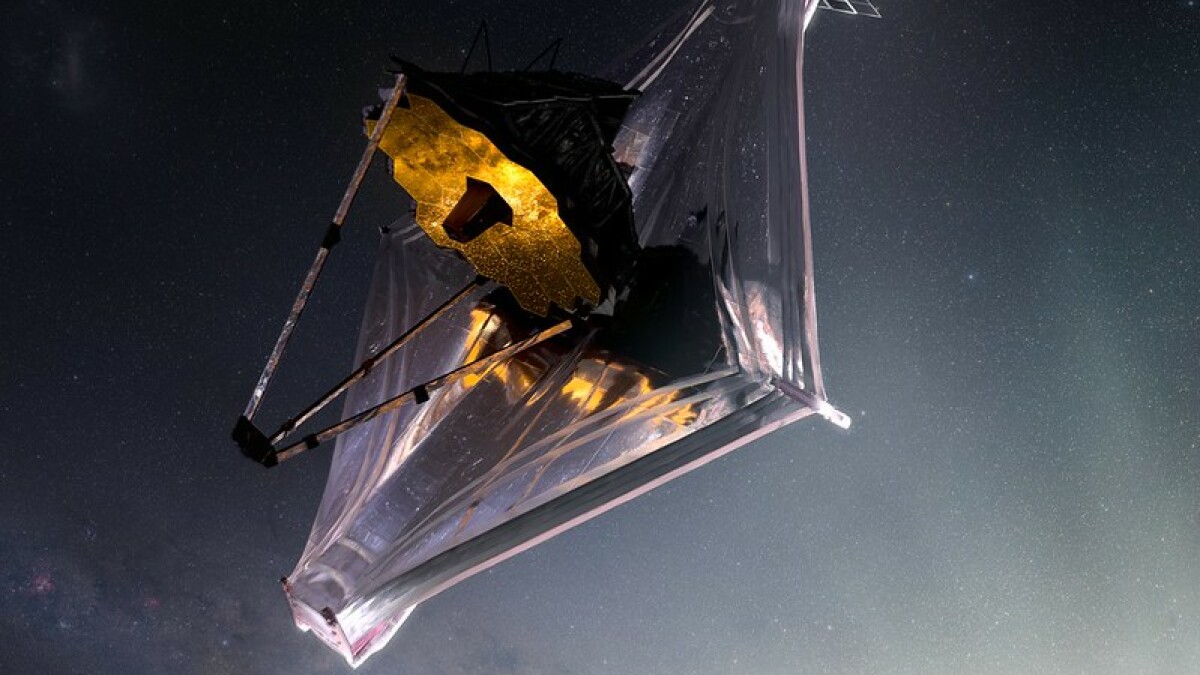
The James Webb Space Telescope has recorded four solar explosions in the TRAPPIST-1 solar system, which contains seven Earth-sized planets. These solar flares from the red dwarf star TRAPPIST-1 occur several times a day and can obscure the light observed from the TRAPPIST planets. By filtering out the light from these solar flares, researchers hope to gain a clearer view of the distant exoplanets and determine their atmospheric composition. Three of the TRAPPIST planets lie in the habitable zone, making them particularly interesting for further investigation. The Webb telescope's powerful abilities, including its giant mirror and infrared view, allow it to peer into the deepest cosmos and study distant exoplanets in the Milky Way galaxy.

earth-science2 years ago

Earth's 19-hour days and the origin of water.

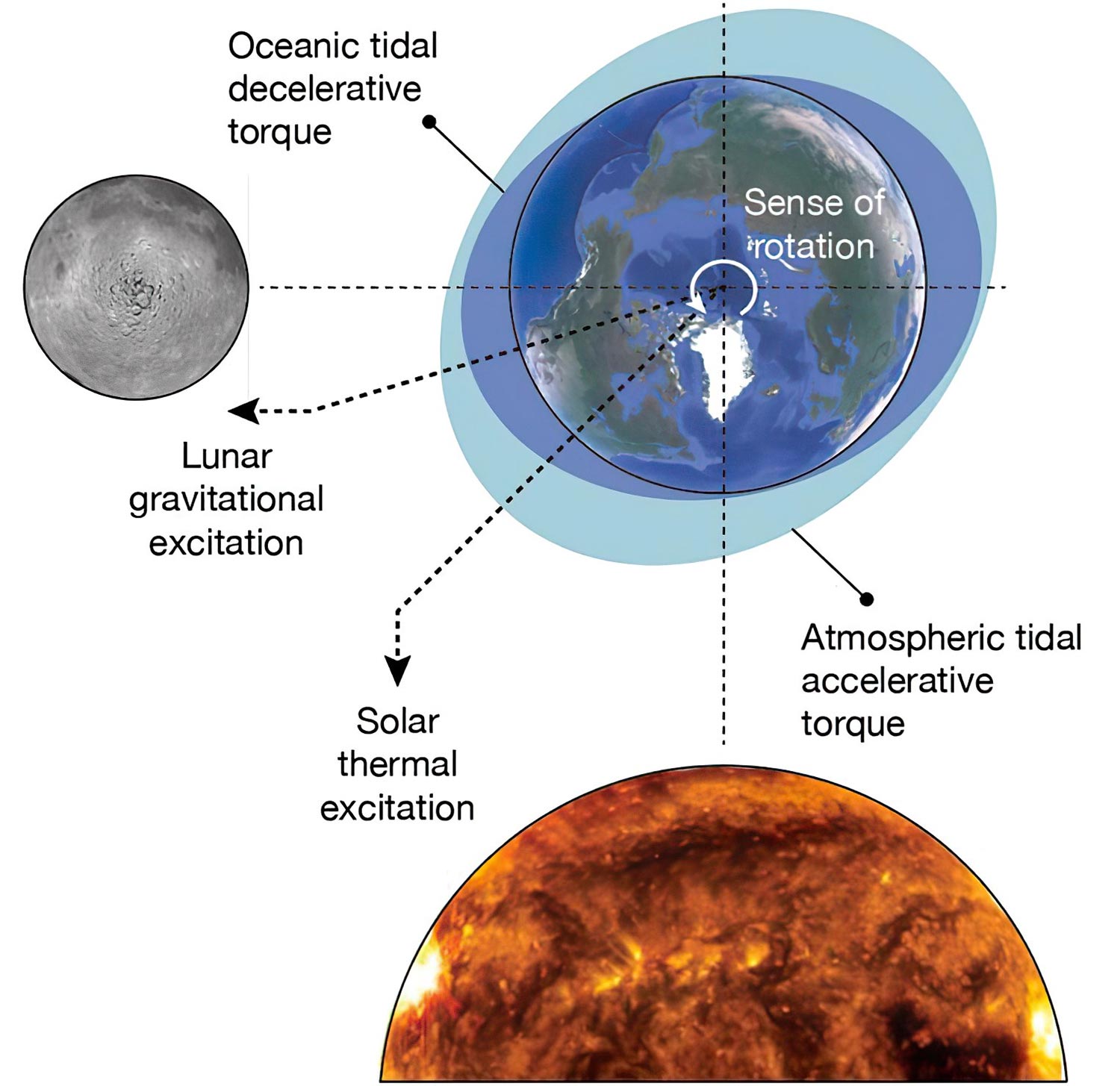
Earth's day length may have stalled at about 19 hours for about a billion years, according to a study published in Nature Geoscience. This period of stable day length intriguingly coincides with two significant rises in atmospheric oxygen, suggesting Earth's rotation may have affected its atmospheric composition. The study supports the idea that Earth's rise to modern oxygen levels had to wait for longer days for photosynthetic bacteria to generate more oxygen each day.

astronomy2 years ago

JWST Discovers Surprising Exoplanet Atmospheres.

The James Webb Space Telescope has discovered that the atmosphere of exoplanet HD149026b is super-abundant in the heavier elements carbon and oxygen, far above what scientists would expect for a planet of its mass. The carbon-to-oxygen ratio is elevated relative to our solar system, which could provide insight into planet formation and an important first step toward obtaining similar measurements for a large sample of exoplanets in order to search for statistical trends.

science-and-astronomy2 years ago

Webb Telescope Discovers Surprising Exoplanet Variations

The James Webb Space Telescope has discovered that the atmosphere of exoplanet Smertrios is rich in heavy elements, such as carbon and oxygen, which is unexpected for a gas giant planet. The planet's atmospheric composition is off the charts, with as much as 27 times the amount of heavy elements relative to its hydrogen and helium that we find in Saturn. The study sheds light on the diversity of chemical compositions of hot Jupiter planets and their formation, which is a fundamental mystery in our understanding of planet formation.

astronomy2 years ago

Diverse Atmospheres Found on Giant Planets by James Webb Space Telescope.

Using the James Webb Space Telescope, astronomers have discovered that the atmospheric compositions of giant exoplanets do not follow the same trend as those in our solar system. The atmosphere of exoplanet HD149026b, a "hot Jupiter," is super-abundant in the heavier elements carbon and oxygen, far above what scientists would expect for a planet of its mass. These findings provide insight into planet formation and are an important first step toward obtaining similar measurements for a large sample of exoplanets in order to search for statistical trends.