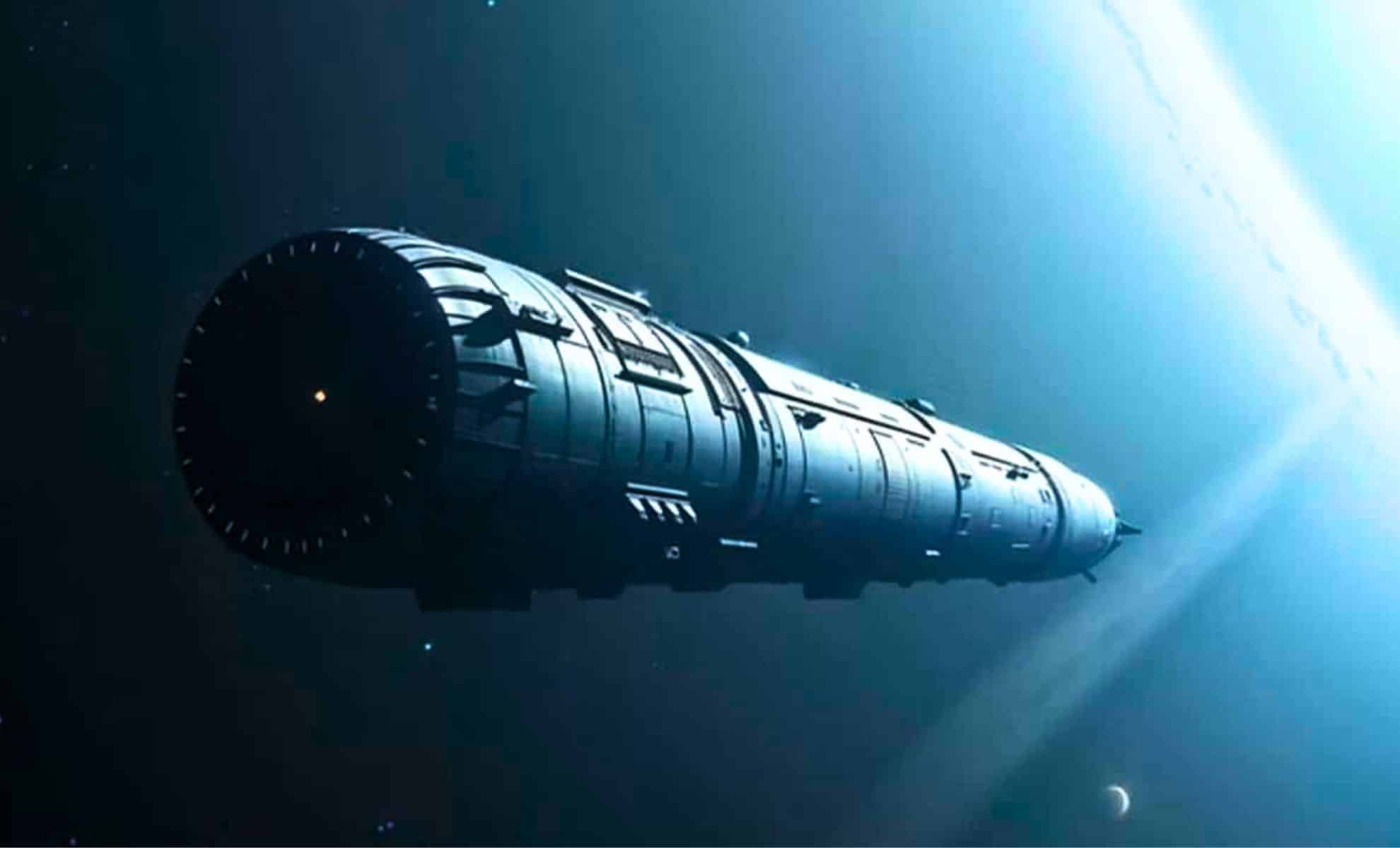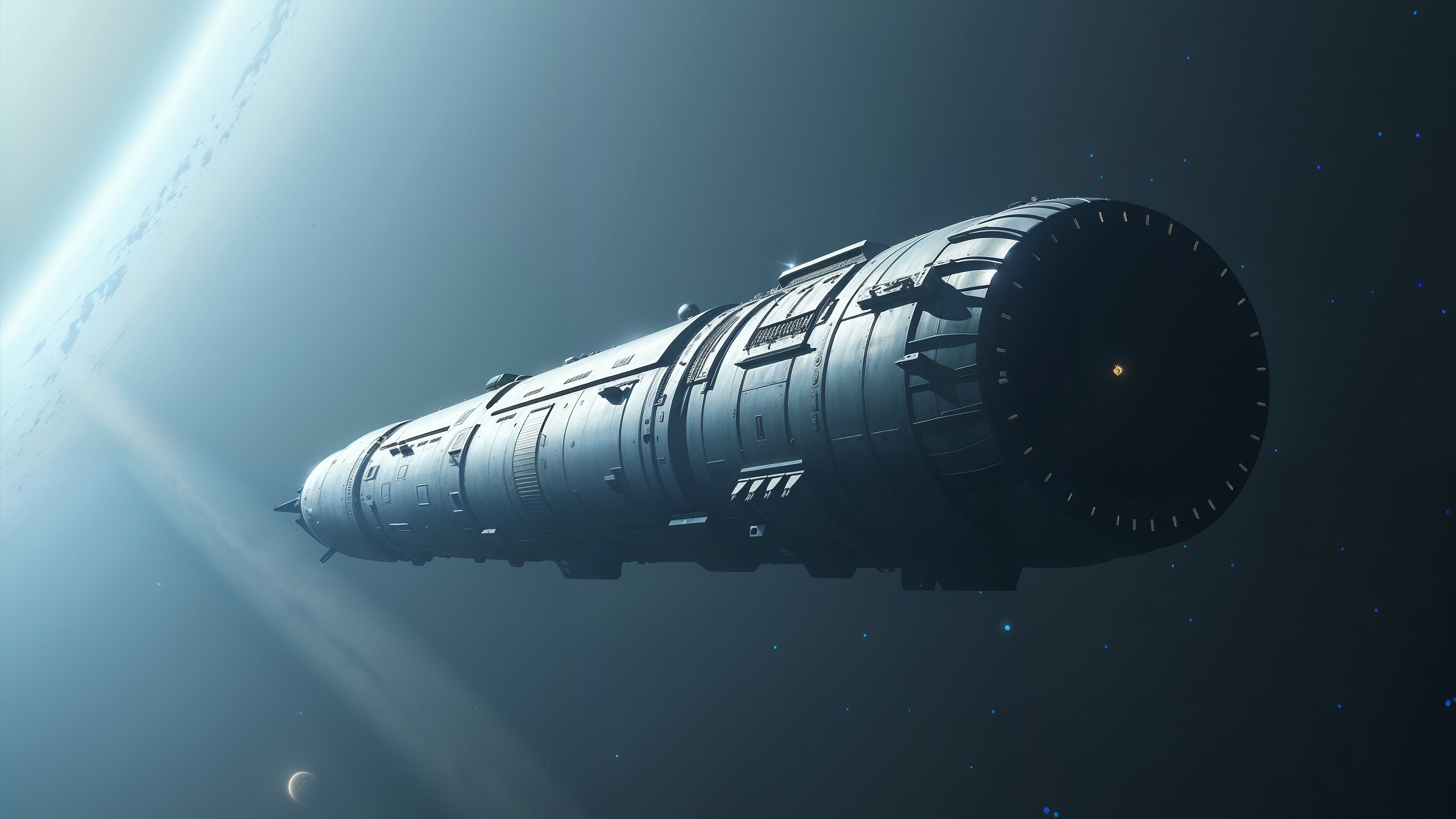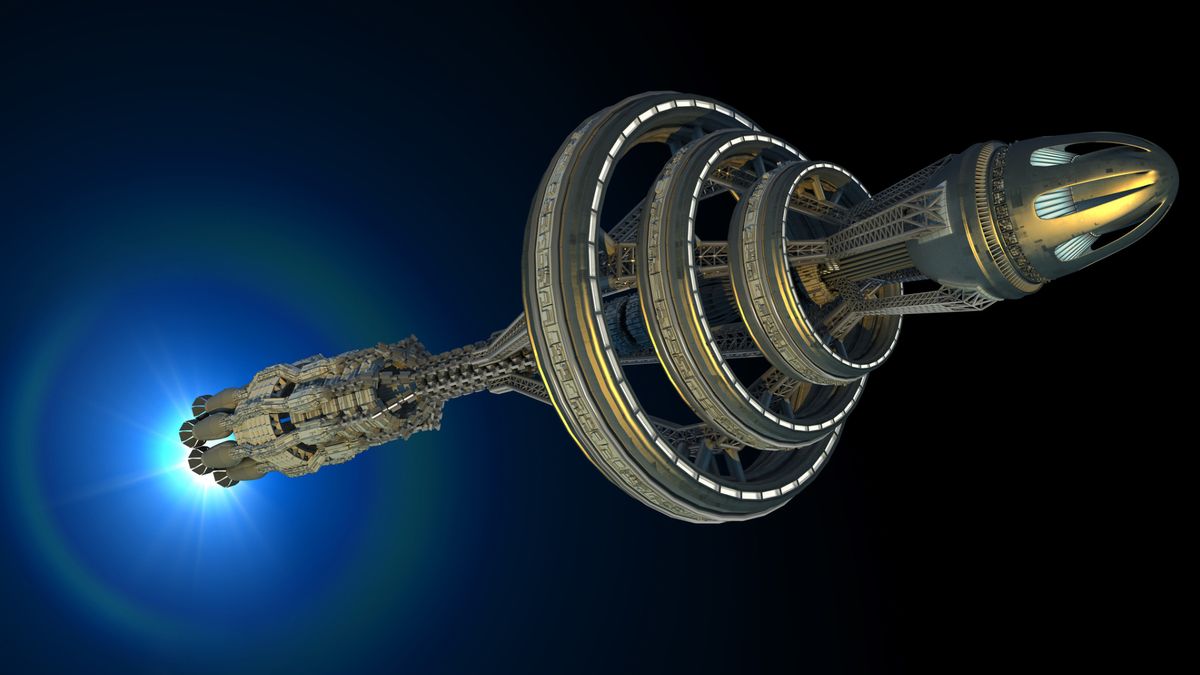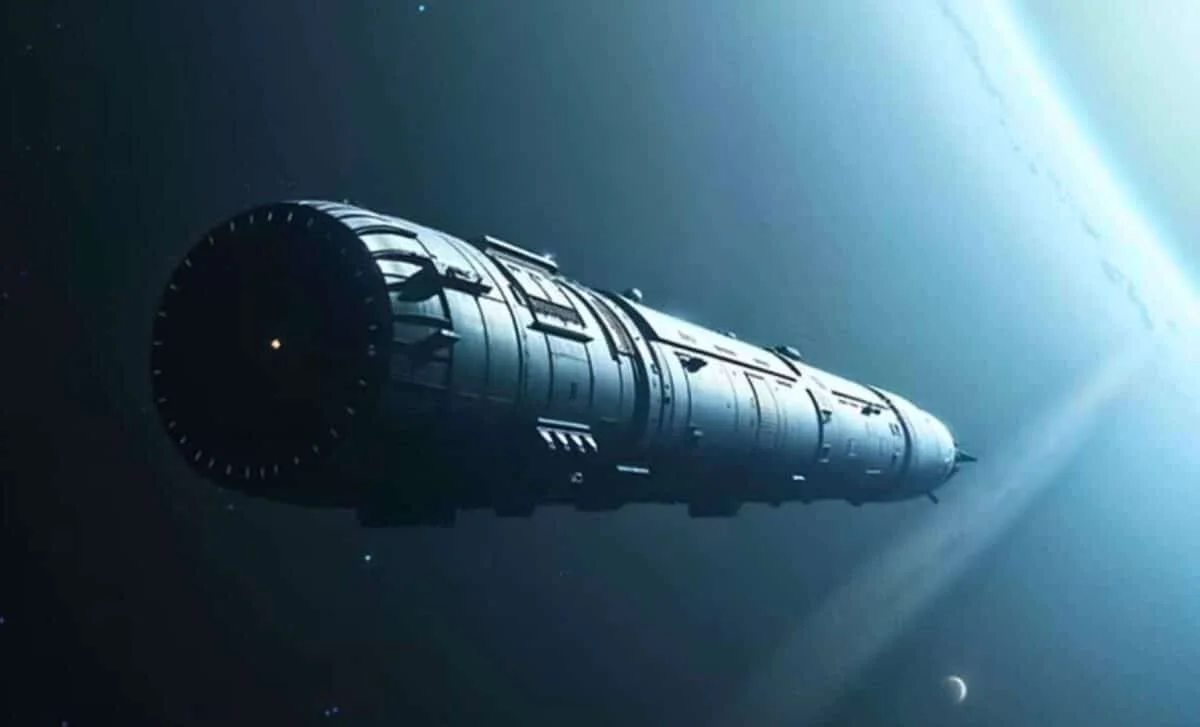
Chrysalis is a theoretical 36-mile-long generation ship designed to carry 1,000 humans to Proxima Centauri b over 400 years, featuring self-sustaining ecosystems, artificial gravity, and in-space construction, aiming to create a mobile civilization far from Earth without plans for return.
A hypothetical 400-year journey to Alpha Centauri aboard a multigenerational spacecraft called Chrysalis has won a design competition, raising the question of whether people would be willing to undertake such a long, one-way space voyage.
A global competition showcased innovative designs for a self-sustaining, 250-year interstellar generation ship capable of carrying 1,000 people, with the winning design being a massive fusion-powered cylinder called Chrysalis. While such travel remains science fiction due to immense distances, these concepts offer insights into future space colonization and human resilience.
Project Hyperion hosted a design competition for crewed interstellar ships, with winners proposing innovative, self-sustaining generation ships capable of reaching Proxima b in about 250 years, featuring modular habitats, advanced propulsion, and societal systems for multi-century space journeys.
The Hyperion competition, hosted by the Initiative for Interstellar Studies, offers a $10,000 prize for designing a self-sustaining generation ship capable of supporting human life for up to 250 years in deep space. Participants must address engineering, social, and biological challenges, including resource management, cultural preservation, and psychological well-being. The competition aims to advance interstellar travel concepts, with submissions due by December 15, 2024, and winners announced in June 2025.
Project Hyperion is a design competition inviting teams to conceptualize a generation ship capable of sustaining human life for a 250-year journey to a nearby star. The focus is on creating a viable space habitat and social system, rather than propulsion technology. The ship must accommodate 1000 people, simulate Earth-like conditions, and address challenges like privacy, mental health, and social hierarchy. The competition aims to assess the feasibility of interstellar travel using current and near-future technologies.