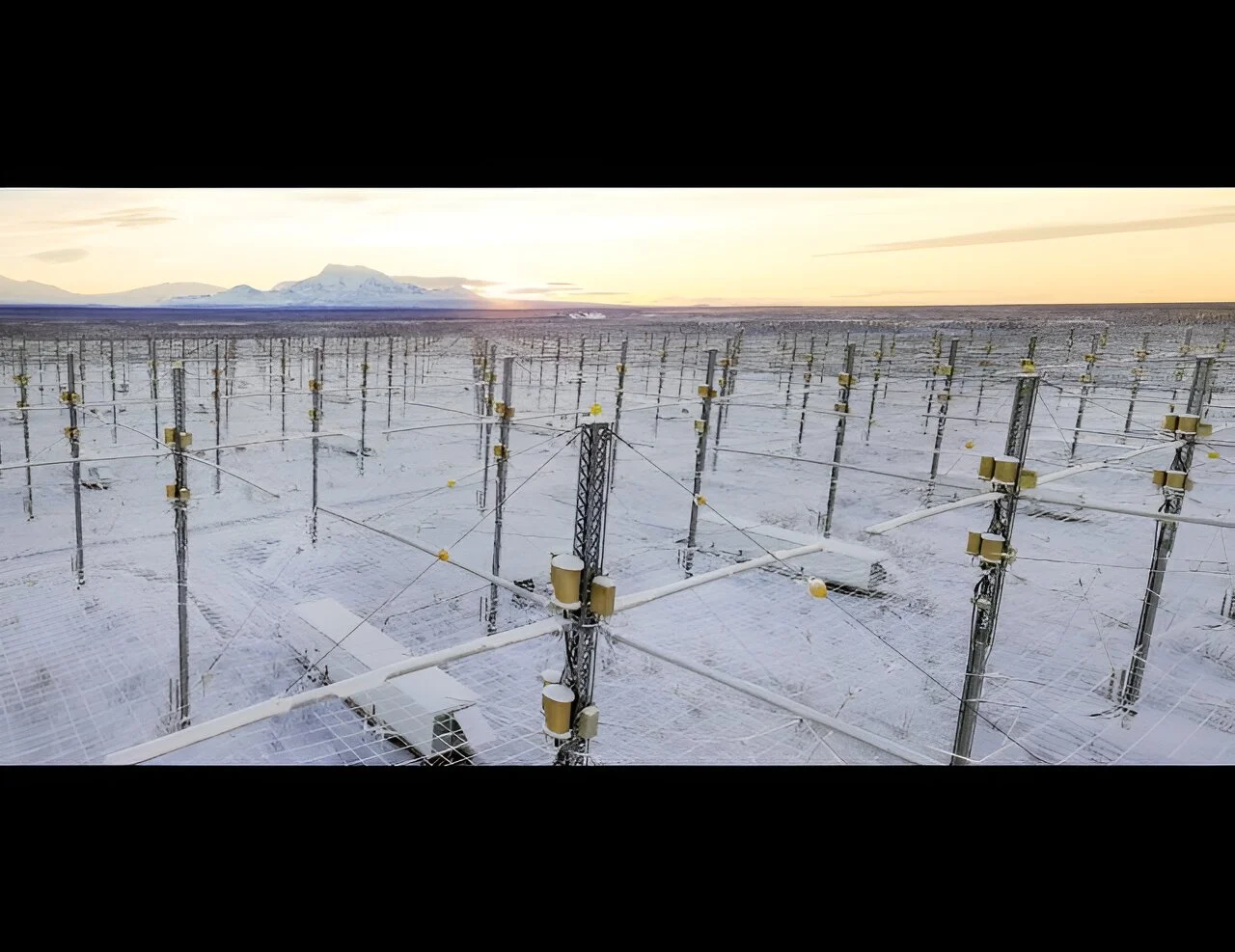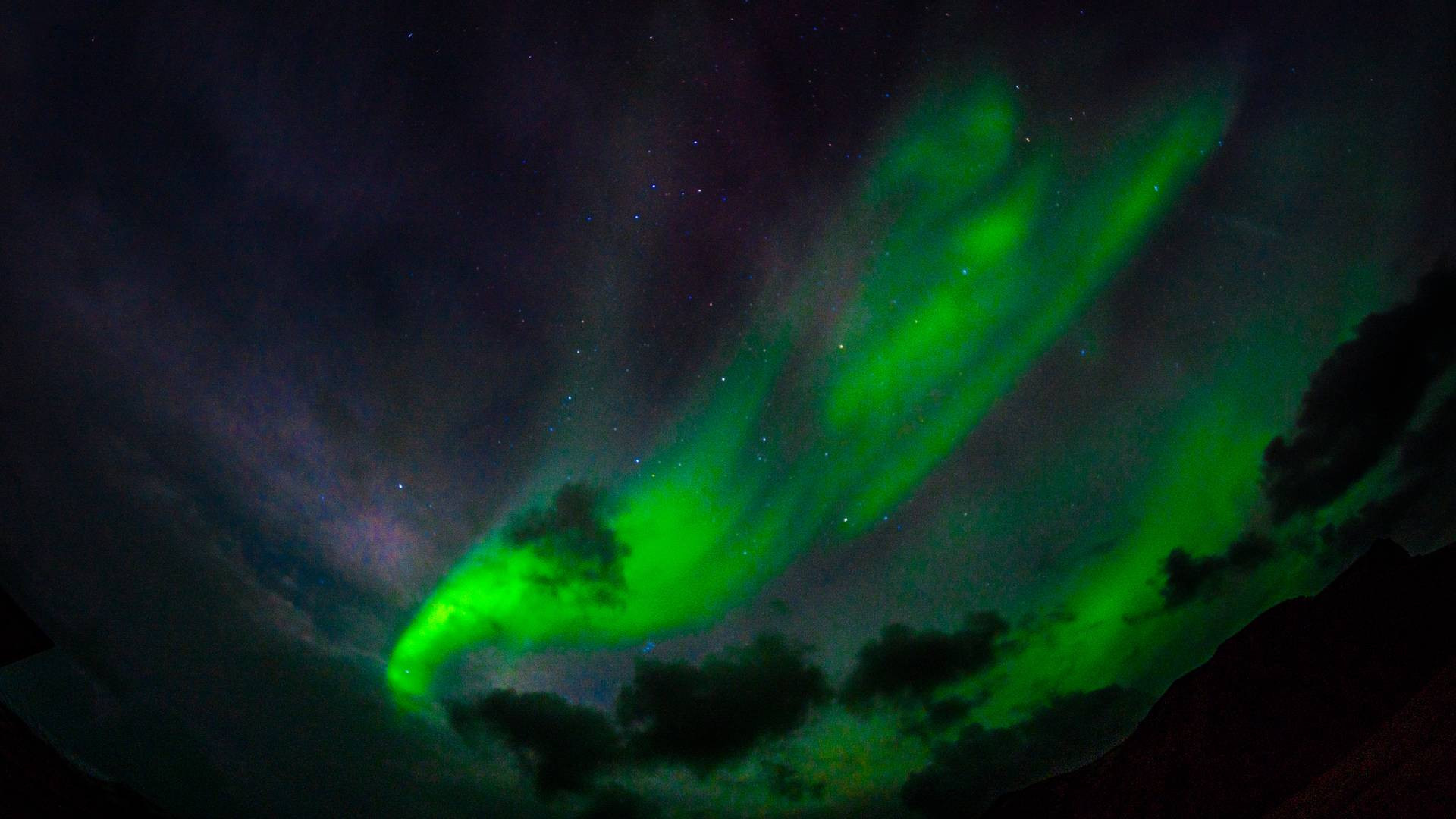
Scientists will create an artificial airglow in the sky for four days using the HAARP facility in Alaska. The purpose of this experiment is to study the ionosphere, a region of the upper atmosphere that contains ions and free electrons. Artificial airglow is a natural light emission caused by solar and cosmic radiation interacting with atmospheric molecules. This research aims to gain a better understanding of the celestial properties of airglow and its impact on the ionosphere.
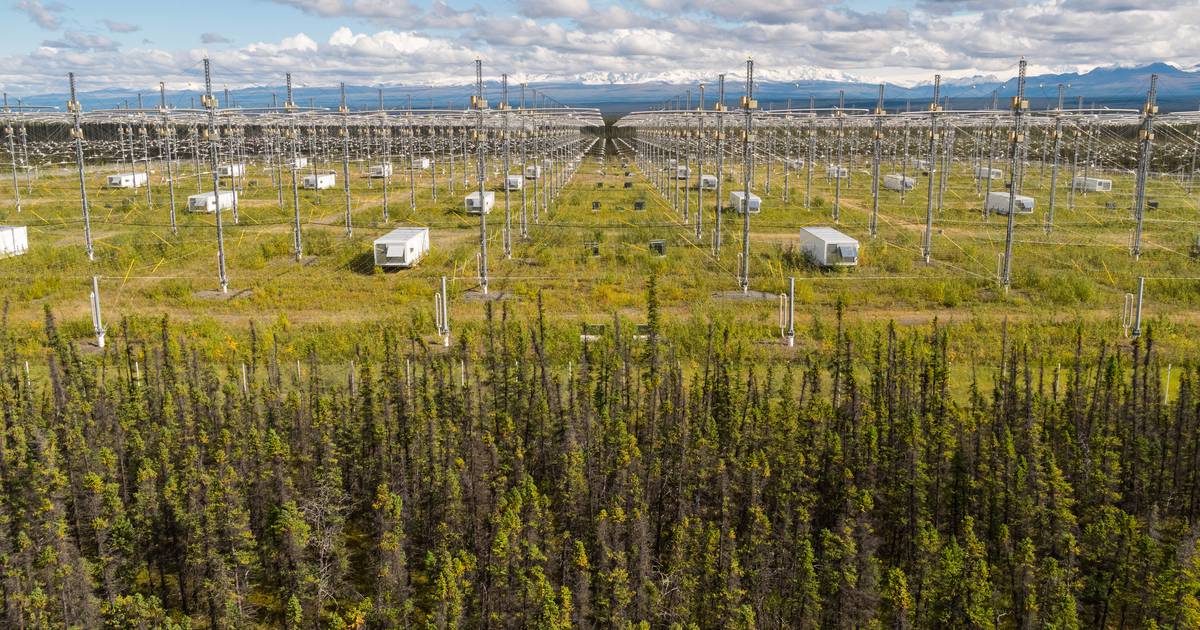
The High-frequency Active Auroral Research Program (HAARP) in Alaska will be conducting a four-day-long set of experiments to create an artificial aurora in the ionosphere. The experiments aim to study the mechanisms behind natural auroras and investigate how satellites can use plasma waves for collision detection and avoidance. Additionally, researchers are exploring a novel technique for tracking space debris by measuring the electric fields surrounding them. The experiments, funded by a $9.3 million grant from the National Science Foundation, will be visible as a red or greenish "airglow" up to 300 miles from the HAARP facility.
The High-frequency Active Auroral Research Program (HAARP) will conduct a four-day research campaign in Alaska, during which an artificial airglow may be visible in the sky. Scientists from multiple universities will investigate ionosphere mechanisms, plasma waves, and satellite collision detection. The airglow, created by exciting electrons in the ionosphere, will appear as a faint red or green patch and can be seen up to 300 miles from the HAARP facility. HAARP's research aims to explore Earth's upper atmosphere and geospace environment.