
Tag

Light Confinement

All articles tagged with #light confinement

"Unleashing Quantum Photonics: Advancements in Nanocavity Light Confinement"

Originally Published 1 year ago — by Phys.org

Featured image for "Unleashing Quantum Photonics: Advancements in Nanocavity Light Confinement"
Source: Phys.org

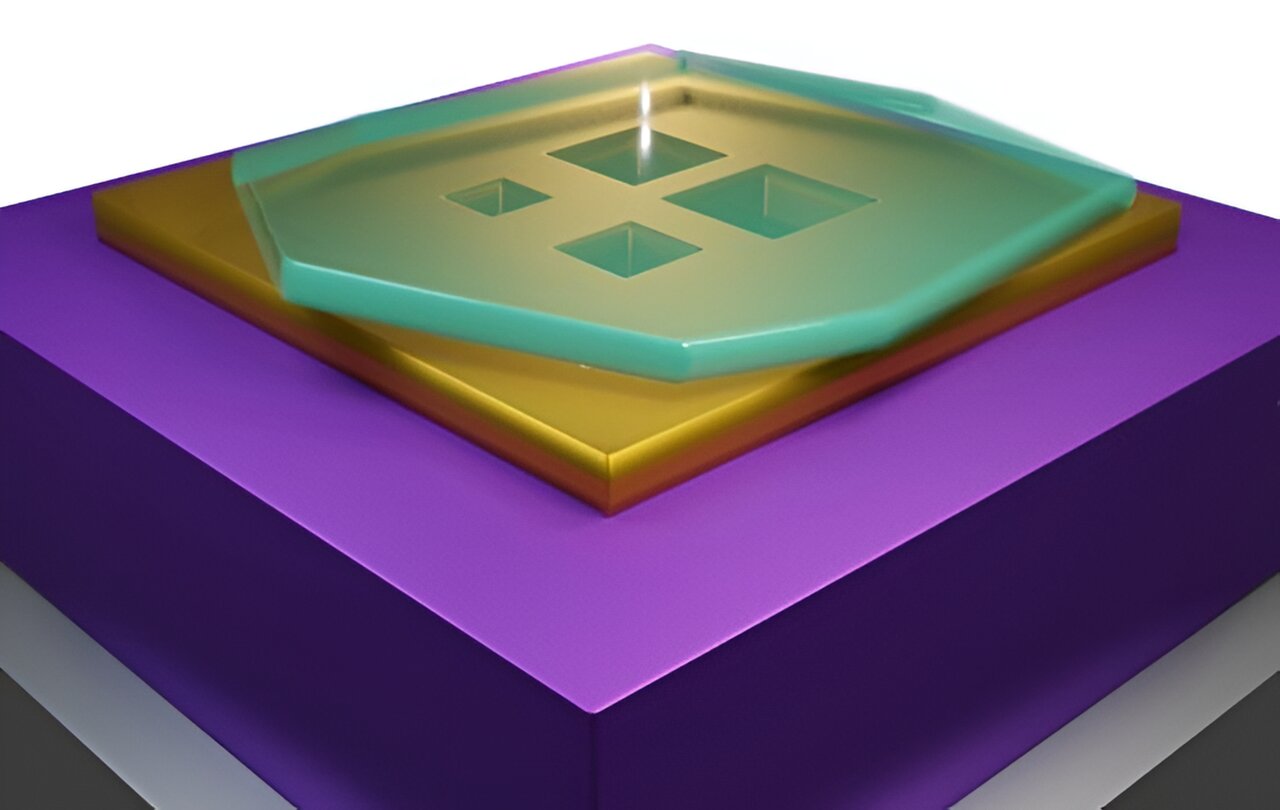
A team of physicists has developed a new type of polaritonic cavities that redefine the limits of light confinement in quantum nanophotonics. By utilizing hyperbolic-phonon-polaritons in 2D materials, they have created nanocavities smaller than 100x100nm² that confine light for significantly longer durations, overcoming the challenge of dissipation. This breakthrough opens doors to novel applications and advancements in quantum photonics, pushing the boundaries of what was previously thought possible.
"Indium Phosphide Nanocavity Achieves Sub-Wavelength Light Confinement"

Originally Published 2 years ago — by Phys.org

Featured image for "Indium Phosphide Nanocavity Achieves Sub-Wavelength Light Confinement"
Source: Phys.org

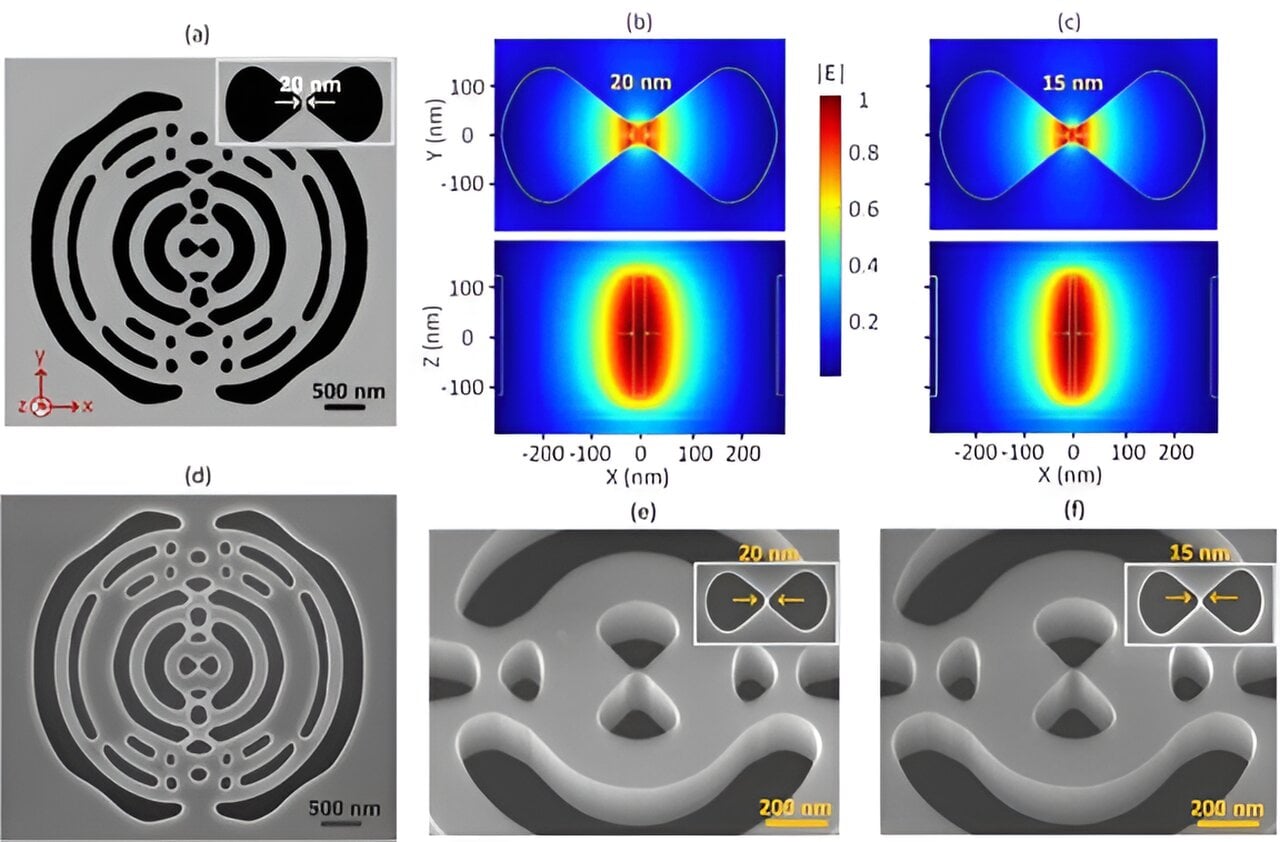
Researchers at the Technical University of Denmark have developed a new III-V semiconductor nanocavity that can confine light at levels below the diffraction limit, demonstrating extreme dielectric confinement (EDC). This achievement could lead to advancements in photonic devices, quantum communication, and sensing, as well as improved energy efficiency in data centers and computers. The nanocavity, fabricated in indium phosphide, exhibits a mode volume an order of magnitude smaller than previously demonstrated in III-V materials, enhancing light-matter interaction and enabling potential applications in various fields, including advanced imaging and environmental monitoring.

Unlocking Quantum Possibilities with Subnanometer Optical Fields

Originally Published 2 years ago — by SciTechDaily

Featured image for Unlocking Quantum Possibilities with Subnanometer Optical Fields
Source: SciTechDaily

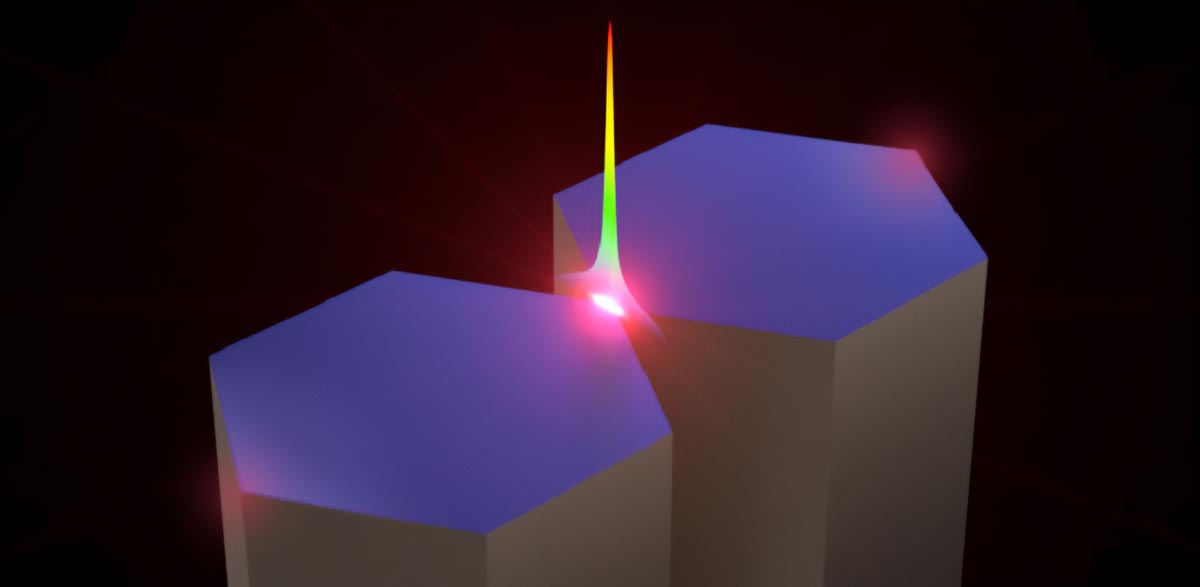
Researchers from Zhejiang University have developed a novel waveguiding scheme that can confine light to subnanometer scales, opening up possibilities for advancements in light-matter interactions and super-resolution nanoscopy. This innovative approach allows for the generation of a confined optical field as small as 0.3 nm with an efficiency of up to 95 percent. The breakthrough extends the boundaries of nano-exploration and has potential applications in areas such as atom/molecule manipulation, ultrasensitive detection, and more.