
Firefly Aerospace Files for IPO Amid 2024 Revenue Growth
Firefly Aerospace has filed paperwork to go public, aiming to raise funds and continue its development in the space industry, including its lunar lander projects.

All articles tagged with #space companies
Firefly Aerospace has filed paperwork to go public, aiming to raise funds and continue its development in the space industry, including its lunar lander projects.

Several space companies, including Momentus, Astra, and Sidus, are facing financial challenges, with some at risk of delisting, acquisition, or bankruptcy. Momentus is running out of money and needs a major new backer or buyer to avoid bankruptcy. Astra has been nearly out of cash since October and is seeking a take-private deal to improve its situation. Sidus, which went public in late 2021, has seen minimal revenue growth and has struggled to raise significant funding. Despite these challenges, the space sector as a whole continues to attract interest from private markets, with overall investment bouncing back in 2023.
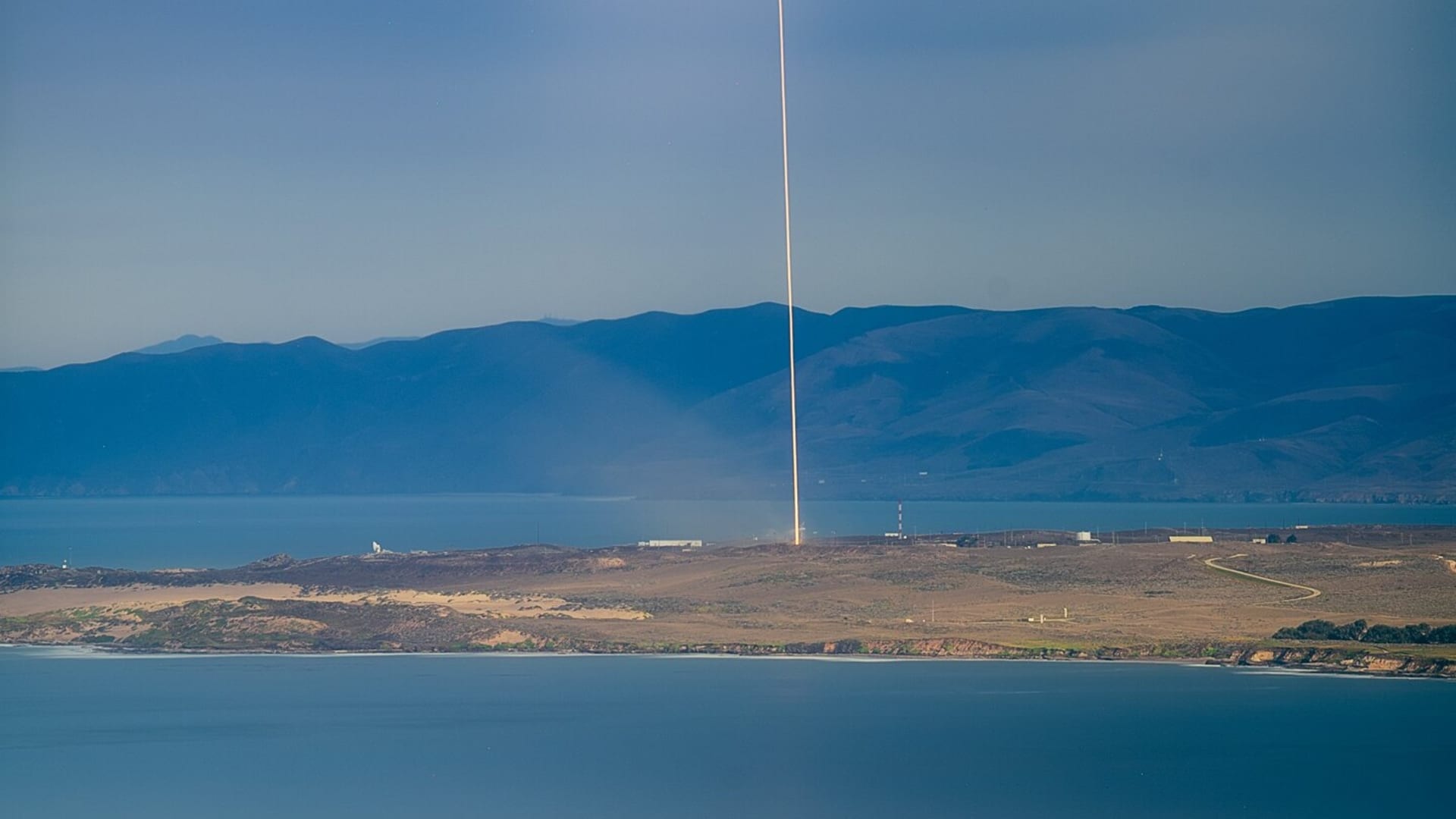
Investment in the space sector rebounded in 2023, nearing the record high of 2021, with infrastructure accounting for 70% of total investment. Space infrastructure companies raised $2.6 billion in the fourth quarter, contributing to a total of $12.5 billion for the year. The report also highlighted 39 merger and acquisition deals in the sector, signaling a year of consolidation, with expectations for more M&A activity in 2024.

According to a recent survey conducted by the Pew Research Center, Americans believe that NASA's top priority should be monitoring asteroids and objects that could potentially hit Earth, with 60% of respondents prioritizing this. Other important areas include monitoring Earth's climate (50%), researching the effects of space travel on human health (29%), and searching for life and planets that could support life (16%). The survey also revealed that exploring the moon and Mars with astronauts ranked low in priority for NASA. Additionally, the private sector received largely favorable reviews, particularly among those who were more familiar with the space industry.

As space tourism becomes more popular, researchers warn that space-vacationers may engage in sexual activities, increasing the risk of pregnancy. However, the radiation in space could harm the embryo, leading to potential lawsuits and negative publicity for space companies. While there is limited research on the effects of space on reproduction, scientists suggest that spaceflight companies should proactively discuss the risks of cosmic coupling with their customers.
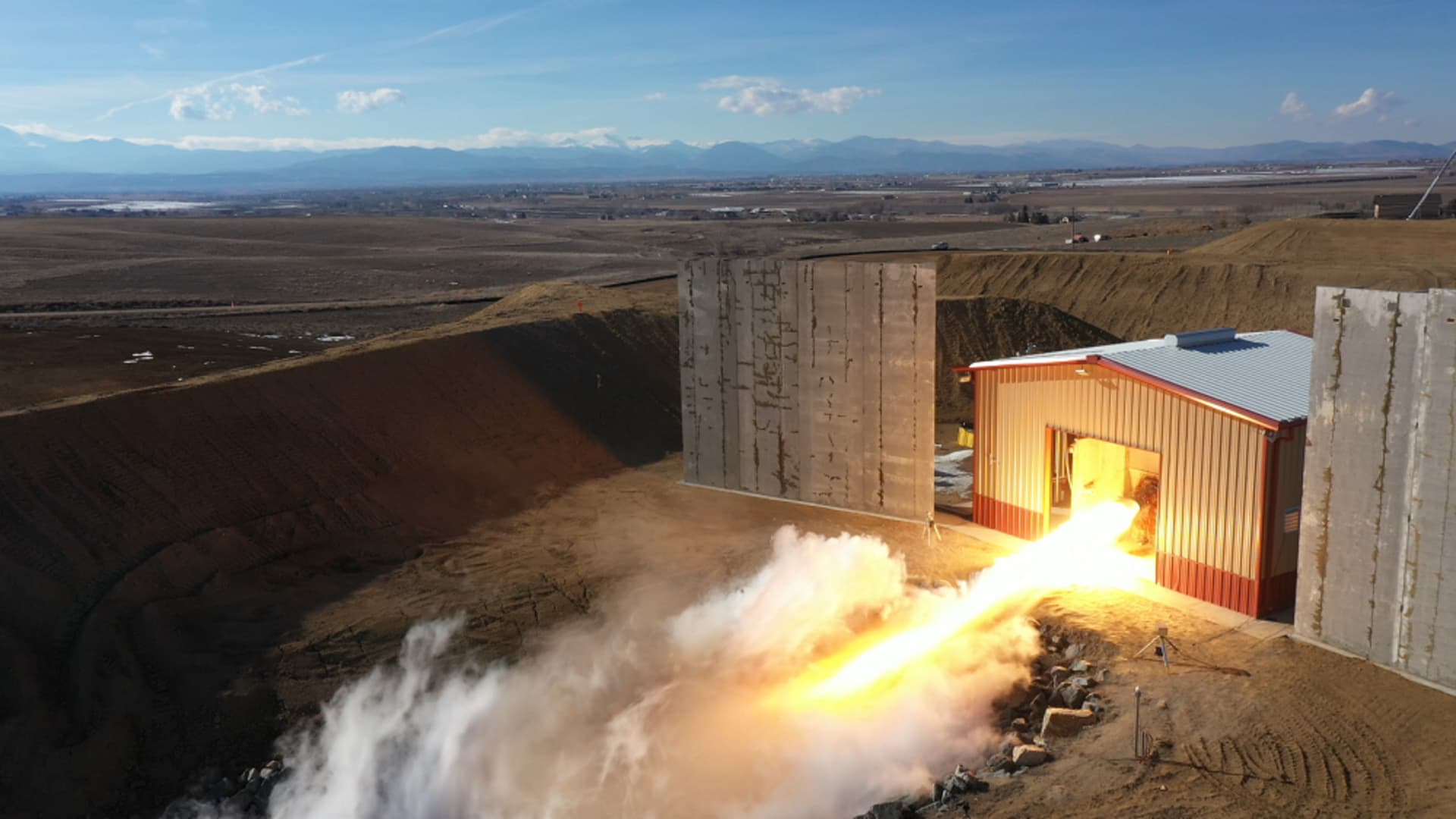
Colorado-based space companies Ursa Major and Orbit Fab have laid off employees as they adapt to a tight funding environment. Ursa Major, which makes rocket engines, let go of 27% of its employees, while Orbit Fab laid off 10 people. Both companies cited restructuring as the reason for the layoffs. The space sector saw the lowest period of investment in the industry since 2015 in Q1 2023, according to Space Capital.