Several space companies, including Momentus, Astra, and Sidus, are facing financial challenges, with some at risk of delisting, acquisition, or bankruptcy. Momentus is running out of money and needs a major new backer or buyer to avoid bankruptcy. Astra has been nearly out of cash since October and is seeking a take-private deal to improve its situation. Sidus, which went public in late 2021, has seen minimal revenue growth and has struggled to raise significant funding. Despite these challenges, the space sector as a whole continues to attract interest from private markets, with overall investment bouncing back in 2023.
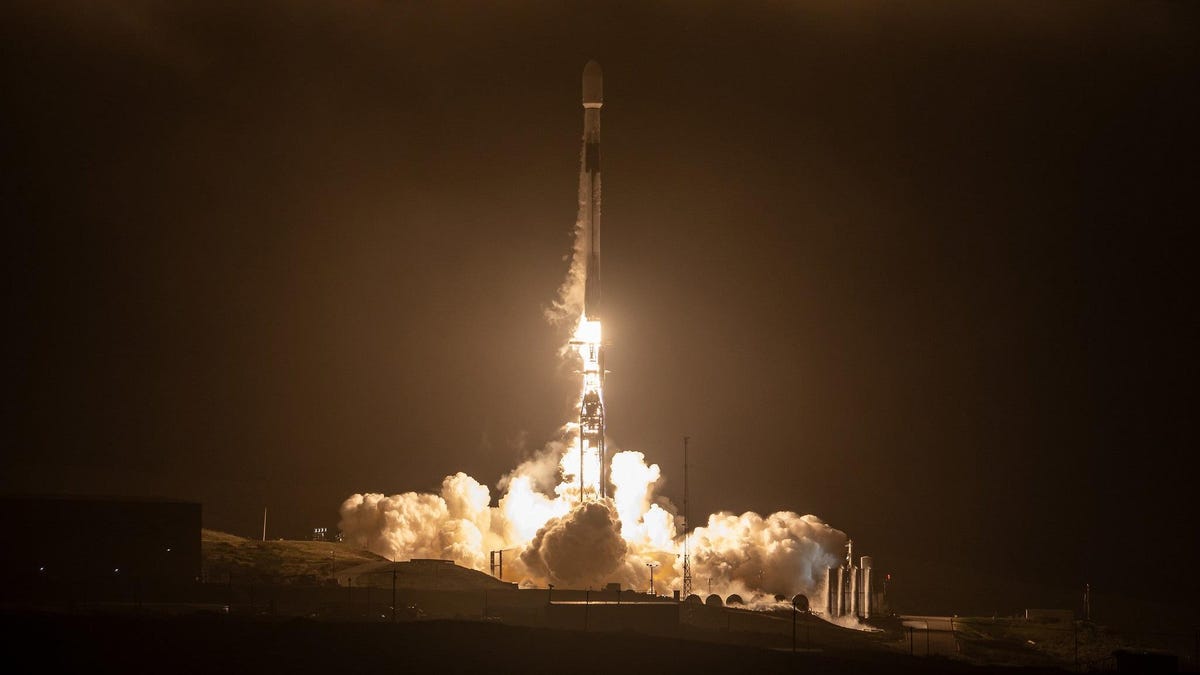
Three satellites from SpaceX's Transporter-9 mission, launched on November 11, have failed to deploy and their current location is unknown. Momentus, the in-space transportation company that supported the launch, confirmed the successful deployment of two satellites but stated that the remaining three likely failed to be released. The lost satellites include an Earth observation satellite for Poland's SatRev, another Earth observation satellite for South Korea's CONTECv, and a communication prototype satellite for Tucson startup Lunasonde. Lunasonde is now attempting to locate and communicate with its lost satellite, while Momentus is investigating the deployment failure.
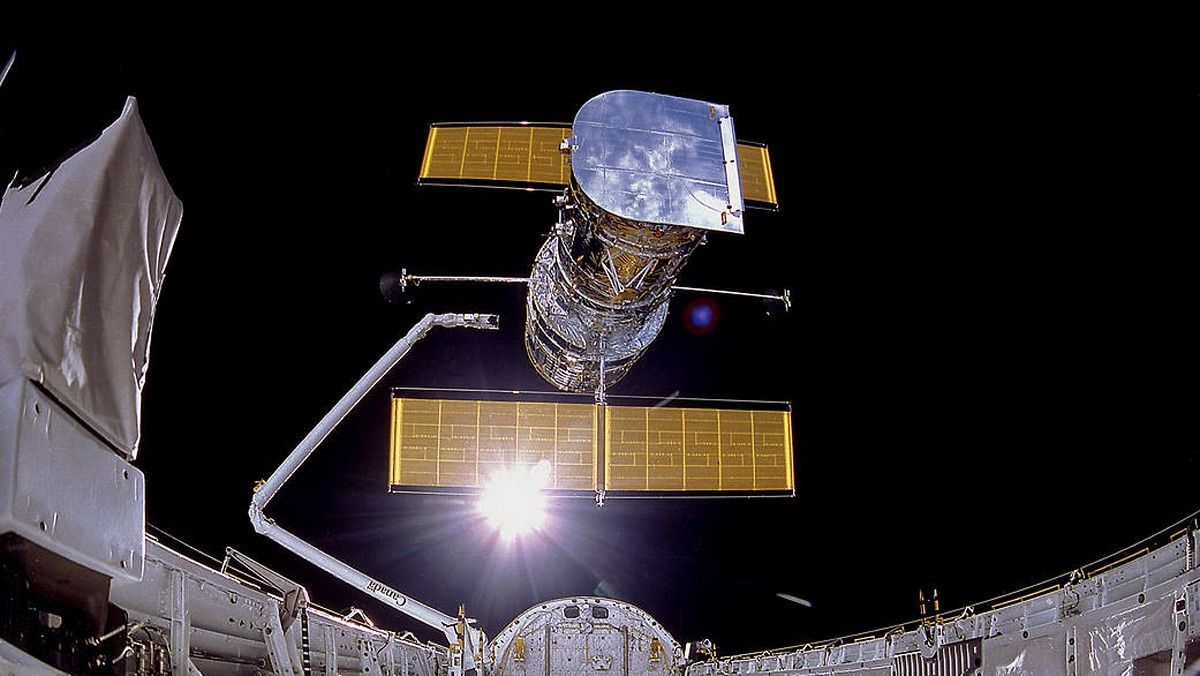
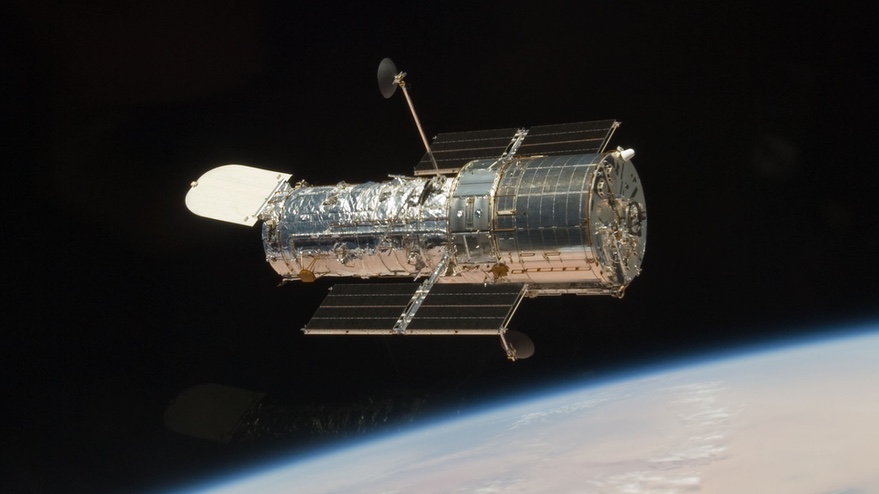
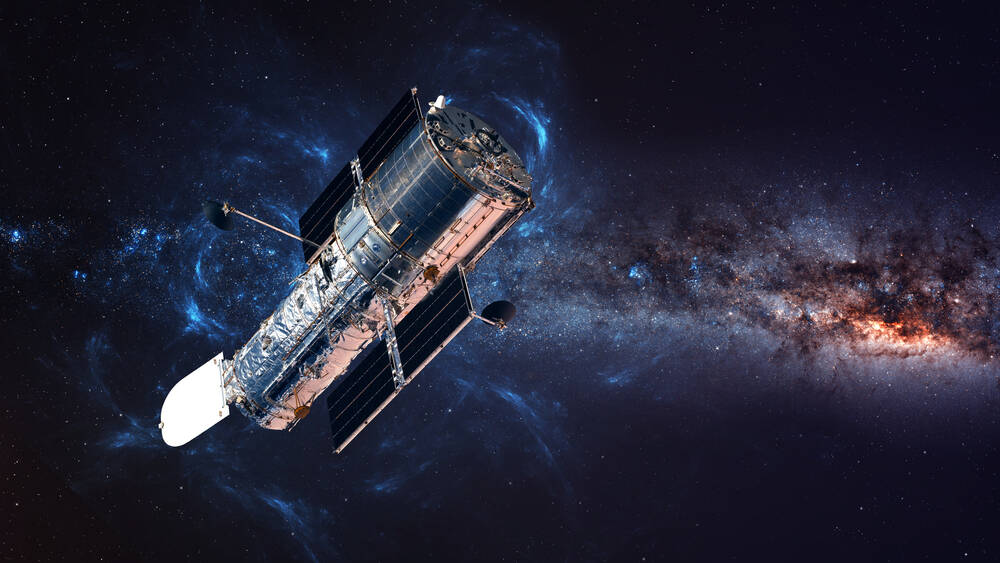
Momentus and Astroscale, two space startups, have submitted a proposal to NASA to extend the lifetime of the Hubble Space Telescope while also cleaning up orbital debris in the vicinity. The proposal would use Momentus' space tug called Vigoride, which would launch on a yet-to-be-determined rocket and use Astroscale technology for rendezvous, proximity operations, and docking to reach the telescope. The tug would eventually move Hubble's orbit up by 31 miles and then turn to a new task of cleaning up orbital debris. The proposal is part of a private-public partnership, and NASA is still studying Hubble proposals issued in response to its request for information.
Astroscale and Momentus have submitted a proposal to NASA to raise the orbit of the Hubble Space Telescope, which has been slowly descending since the last shuttle servicing mission in 2009. The proposal involves using Astroscale's technology to dock with and extend the life of satellites and orbital transfer vehicles from Momentus. The vehicle would boost Hubble’s orbit by 50 kilometers before undocking and could then be used to remove orbital debris in orbits approaching Hubble. NASA is currently reviewing eight responses to its request for information and emphasized that the RFI is simply an effort to help the agency determine whether and how to reboost Hubble’s orbit.
Startups Momentus and Astroscale have offered to collaborate on a potential future servicing mission to boost NASA's aging Hubble Space Telescope into a safe orbit and remove any debris that could collide with the probe. The companies want to launch an orbital service vehicle that can rendezvous with and capture spacecraft, fire its thrusters, and boost Hubble to an orbit 50 kilometers higher, and then clear any litter found in its new environment. NASA issued a Request for Information (RFI) in December to explore potential solutions from commercial vendors.
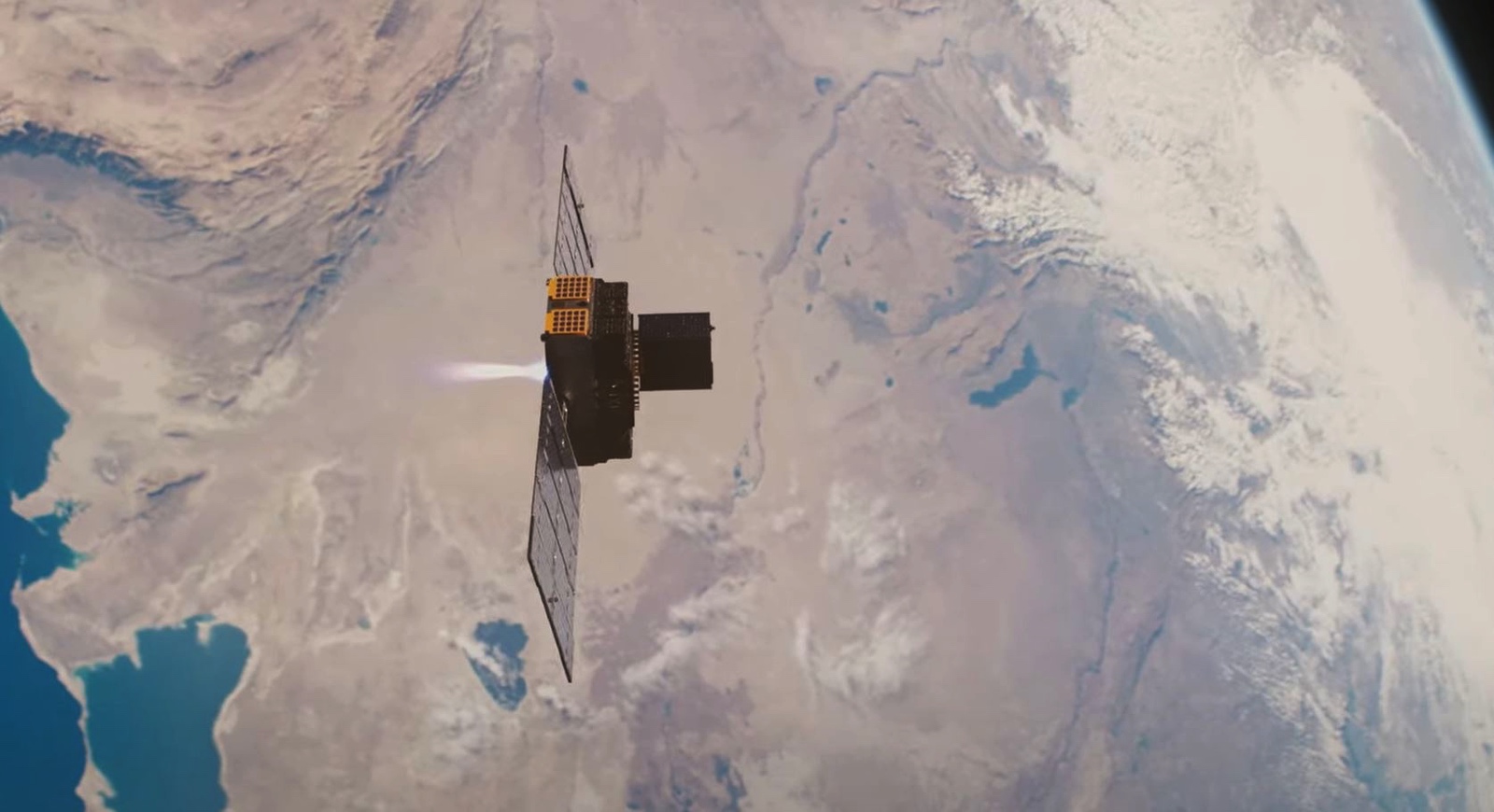
Momentus has successfully demonstrated the propulsion system on its Vigoride space tug, raising the vehicle’s orbit using its Microwave Electrothermal Thruster (MET). The MET vaporizes water with microwaves to generate thrust and has fired for more than 140 minutes cumulatively, in burns ranging from 30 seconds to six minutes each. The company said that those burns raised the orbit of Vigoride-5 by more than three kilometers when taking atmospheric drag into account. The test of the MET is a major milestone for Momentus, which is relying on the technology to propel its tugs that will deliver satellites to their desired orbits.
Spire Global and Momentus, two space companies, have received delisting warnings from the New York Stock Exchange and Nasdaq, respectively, as their stock prices fell below $1 a share. The companies have 180 days to get their stock prices back above $1 a share to comply with the exchanges' rules. Both companies noted the possibility of conducting a reverse stock split to regain compliance.