A doctor shares five natural ways to strengthen arteries, including strength training, consuming Omega-3 rich foods, maintaining a consistent sleep routine, managing stress, and avoiding lifestyle factors that weaken arteries like high blood pressure, smoking, and poor diet.
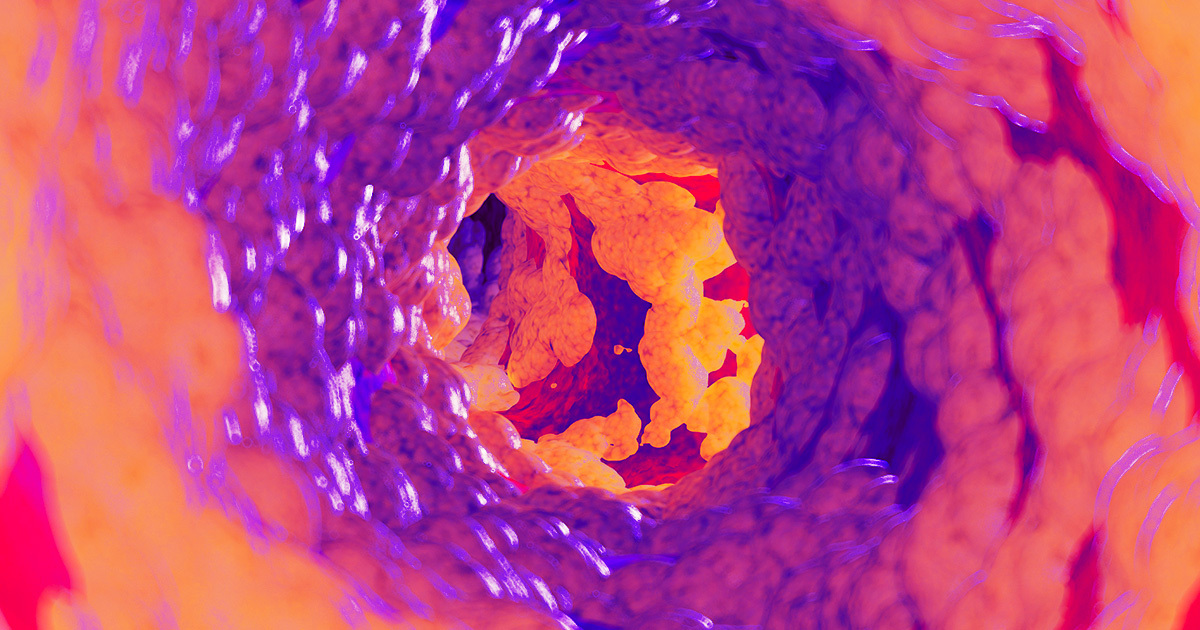
The article highlights five essential vitamins—C, D, E, K, and B—that help keep arteries clean and unclogged by preventing plaque buildup, regulating blood pressure, protecting arterial cells, directing calcium to bones, and reducing homocysteine levels.
A study published in Nature Metabolism suggests that consuming excessive protein, over 22 percent of daily dietary calories, can activate immune cells to accelerate the hardening of arteries, leading to atherosclerosis, which increases the risk of heart attacks and strokes. The study highlights leucine as a key activator in this process and calls for a conversation about precise dietary modifications to mitigate disease risks. While some interpret the findings as a debate over meat consumption, the takeaway remains to eat in moderation and ensure a varied diet for better health.
A new study warns that consuming an excessive amount of protein, particularly from animal sources, can lead to atherosclerosis and damage to the arteries, potentially increasing the risk of heart disease. The research suggests that if more than 22% of daily calories come from protein, it can lead to increased activation of immune cells involved in plaque formation in the arteries. The study highlights the need for balanced meals and precise dietary modifications to mitigate cardiovascular risks, especially for individuals at risk of heart disease and vessel disorders.
A new study warns that consuming an excessive amount of protein, particularly from animal sources, may lead to artery damage and atherosclerosis. Research suggests that if more than 22% of dietary calories come from protein, it can increase the activation of immune cells involved in plaque formation in the arteries. The study emphasizes the need for balanced meals and precise dietary modifications to mitigate cardiovascular risks, especially for individuals at risk of heart disease and vessel disorders.
High cholesterol can manifest subtle symptoms in the fingers, such as leg pain during physical activity, yellowish deposits on the skin, unusual lumps on various body parts, and cold feet, serving as indicators of elevated cholesterol levels. Excessive cholesterol can lead to plaque formation in the arteries, increasing the risk of heart disease and stroke. Understanding risk factors and being attentive to these subtle signs can help in managing cholesterol levels and mitigating associated health risks.
Stretching before a workout can have a protective effect on arteries and veins, improving their function under stress, according to a study from the University of Wisconsin La Crosse. While moderate to high-intensity workouts can temporarily decrease blood vessel efficiency, stretching has the opposite effect and can help reduce the risk of heart disease.
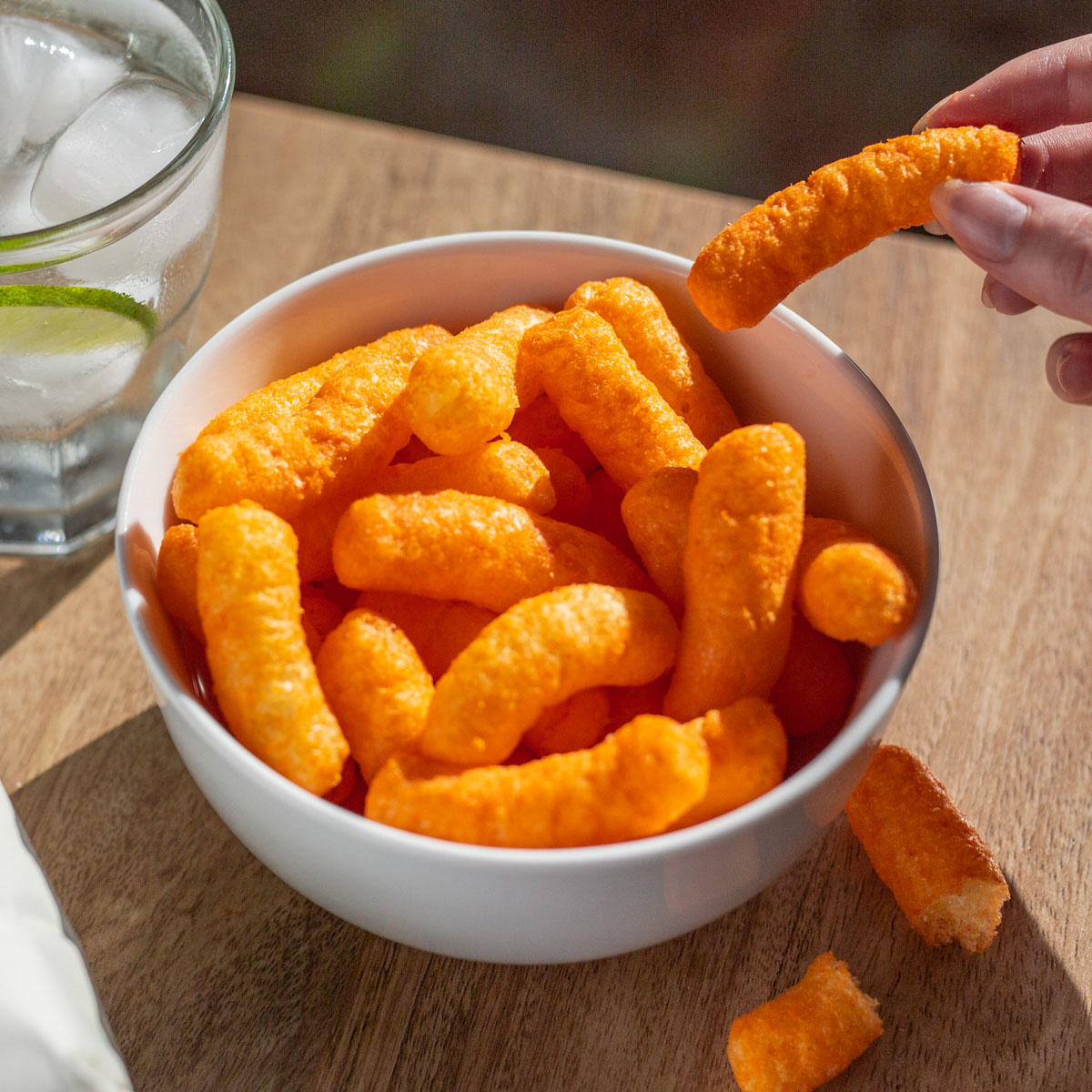
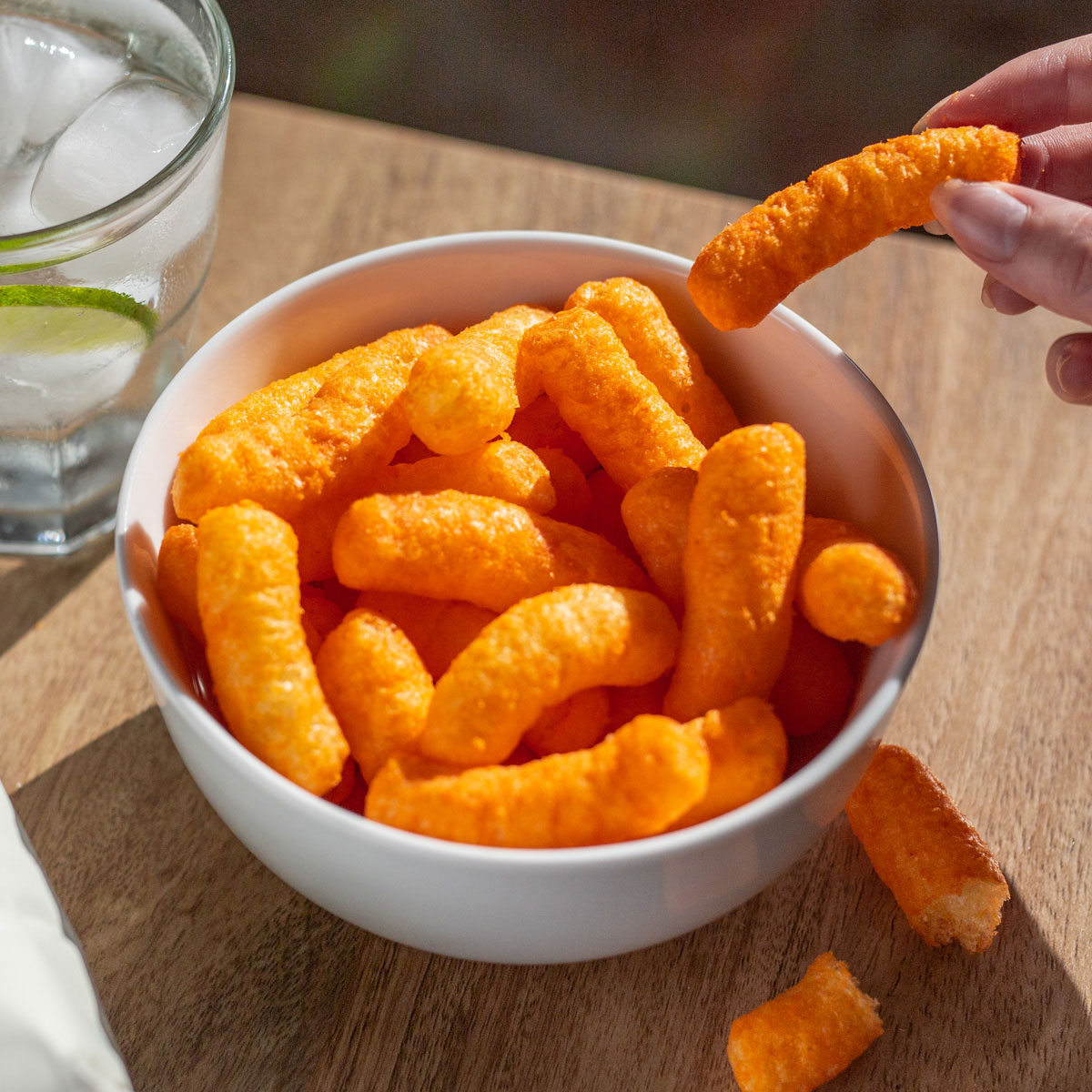
Potato chips and cheese puffs, two popular processed snacks, can contribute to clogged arteries and increase the risk of heart disease. These snacks are typically deep-fried in unhealthy oils high in saturated and trans fats, which can raise cholesterol levels and promote plaque formation in the arteries. Additionally, they often contain excessive sodium, which further raises LDL cholesterol levels and increases the risk of arterial plaque buildup. By cutting out these artery-clogging foods, individuals can take a step towards better heart health.
Nutritionists warn that popular salty snacks like potato chips and cheese puffs can clog arteries and increase the risk of heart disease. Potato chips, deep-fried in unhealthy oils high in saturated and trans fats, can raise cholesterol levels and promote plaque formation in the arteries. Cheese puffs, made with partially hydrogenated oils containing trans fats, can also contribute to arterial plaque buildup and elevated cholesterol levels. To maintain optimal heart health, it is important to limit the consumption of these processed, artery-clogging snacks.
Patients with STEMI and COVID-19 had a significant amount of clotting in their arteries both before and after intervention, according to the latest analysis from The North American COVID-19 STEMI (NACMI). Clots were seen in multiple arteries in close to 30% of patients, a phenomenon observed in less than 5% of patients with heart attacks who do not have COVID-19. The findings point to the need for clinicians to be meticulous with blood thinning strategies, early interventions, and patient follow-up.