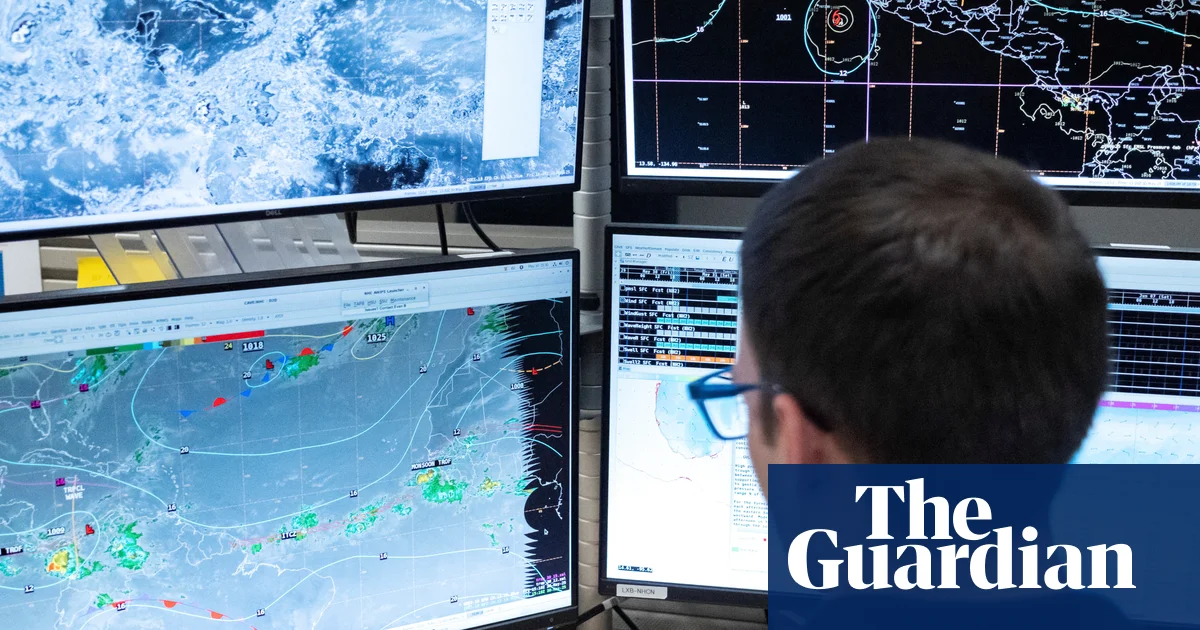
The US Department of Defense is discontinuing the critical DMSP satellite program by June 30, 2025, which could significantly impair hurricane forecasting and Arctic sea ice monitoring, raising concerns among scientists about the loss of vital data and the potential impact on weather prediction accuracy.
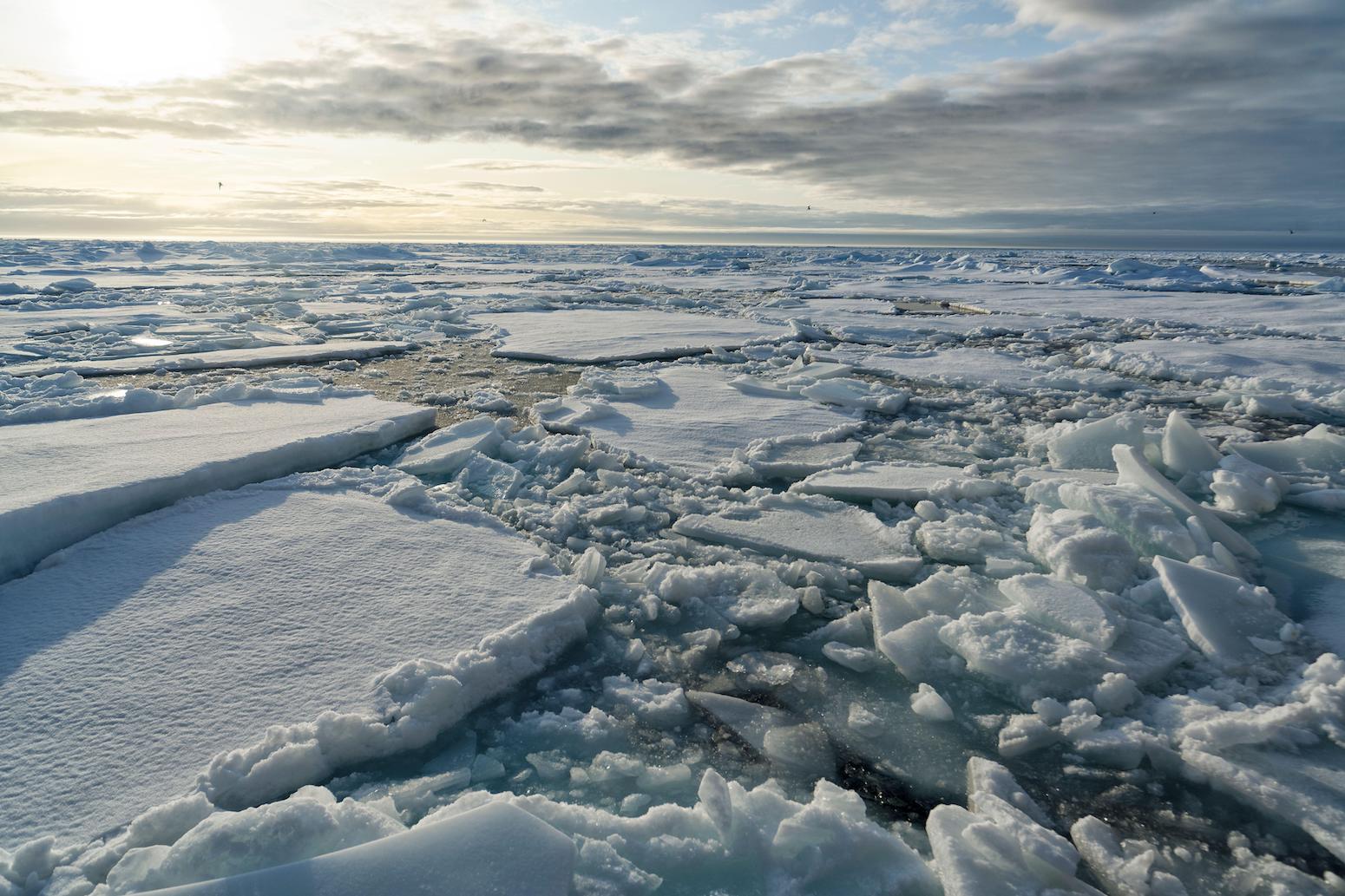
Antarctic sea ice has been at near-record-low levels for months, with the 2024 minimum extent tying with 2022 for the second-lowest in the 46-year satellite record. The director of the US National Snow and Ice Data Centre (NSIDC) suggests that more warm ocean water reaching the surface may be affecting the sea ice, leading to a potential "new regime" in the Antarctic. Meanwhile, Arctic sea ice reached its maximum extent for the year, peaking at 15.01m square kilometres on 14 March, which was 640,000km2 smaller than the 1981-2010 average maximum. Despite this, the relatively high winter peak is a reminder of the need to account for weather variability when discussing Arctic climate change.
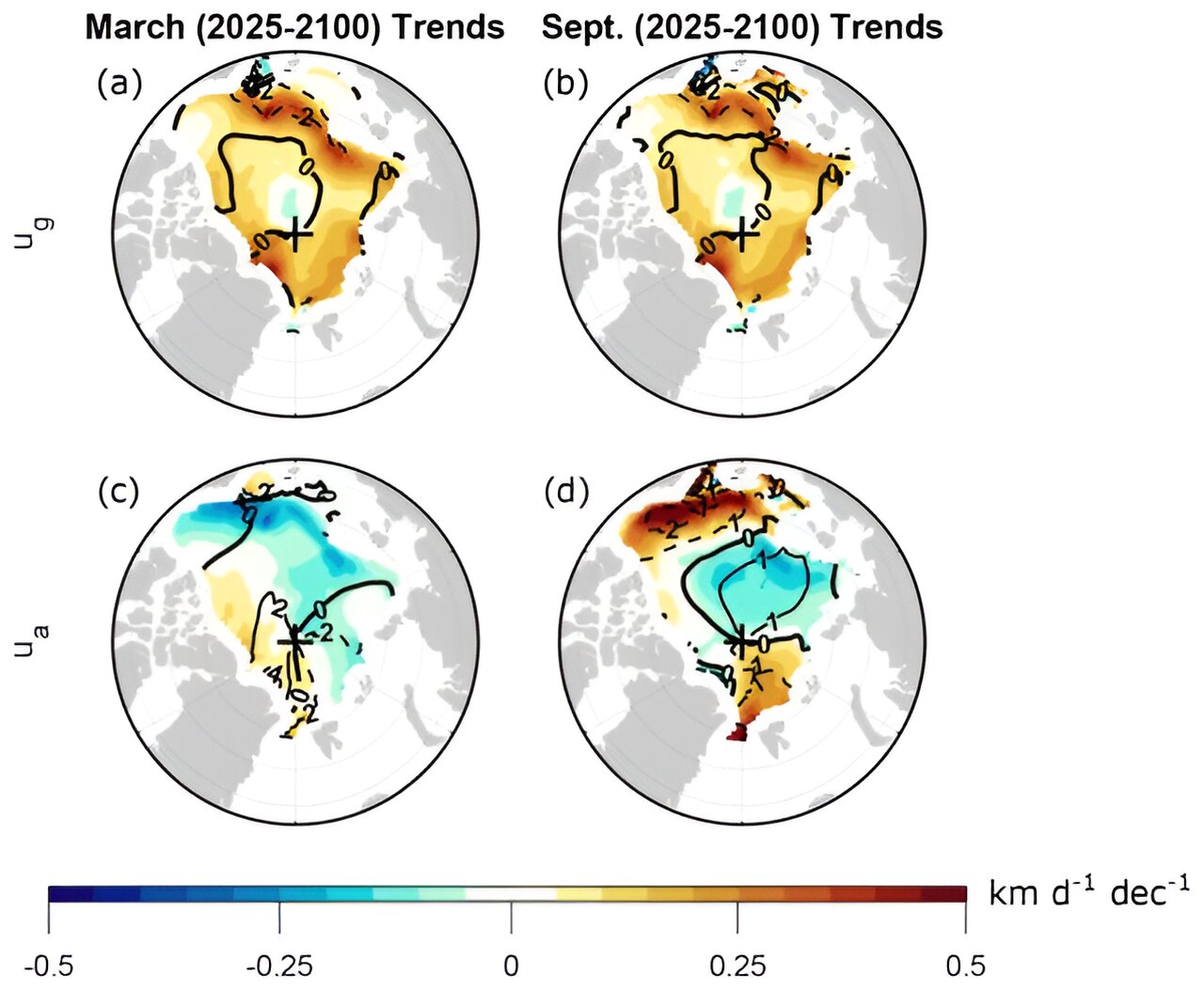
Observational data suggests that Arctic sea ice has been moving faster, but climate models project a future slowdown in ice speeds during the summer season. This projected reversal has implications for marine transportation safety and the rate of ice cover loss, which affects Northern Indigenous communities, ecosystems, and the global climate system. While the mechanisms driving the ice slowdown are plausible, questions remain about the timing of the slowdown, with some models suggesting it could occur within the next decade. Despite potential benefits for marine transport, the overall decline in sea ice cover remains a concern due to its impact on ecosystems, Indigenous populations, and the global climate.
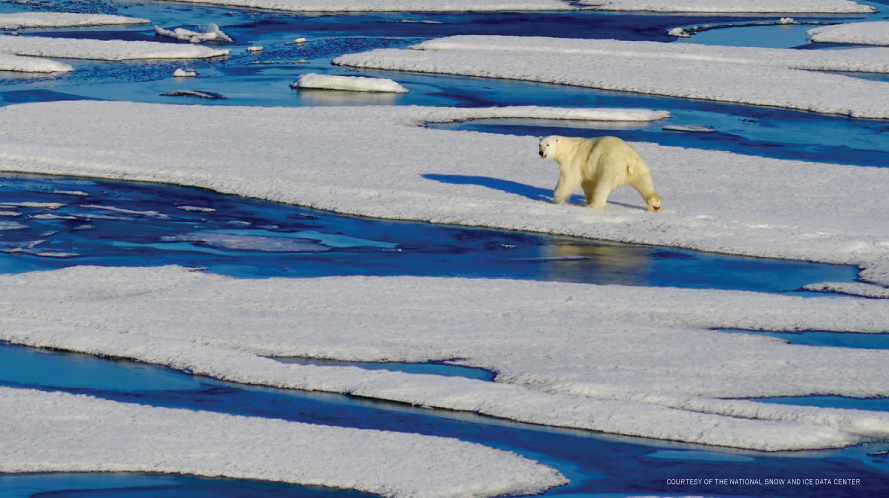
The Arctic sea ice has been declining over the past five decades, while Antarctic sea ice has experienced fluctuations. The rate of global sea level rise has increased from 0.06 inches per year in the 20th century to 0.14 inches per year from 2006-2015. Earth's climate has been in an Icehouse state for the past 3 million years, characterized by alternating glacial and interglacial periods. During the early Eocene, there were no polar ice caps, and average global temperatures were significantly higher than today.