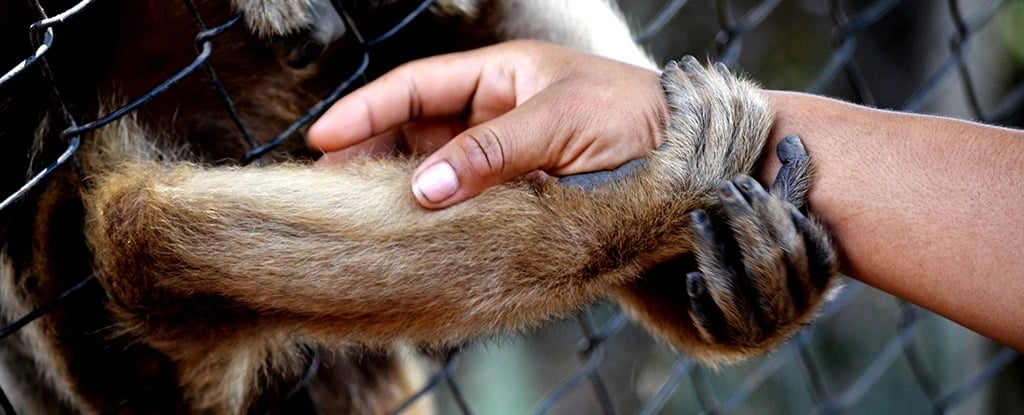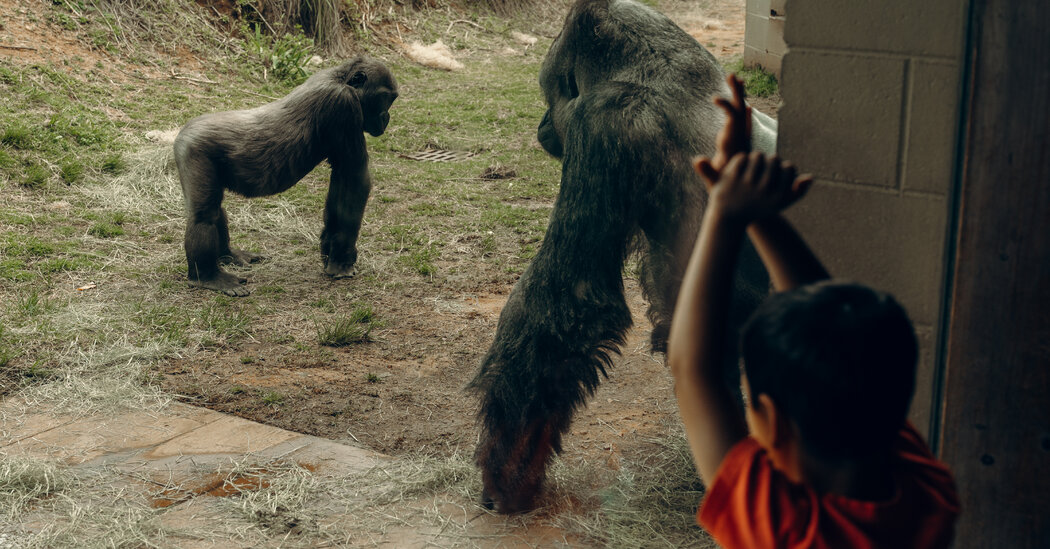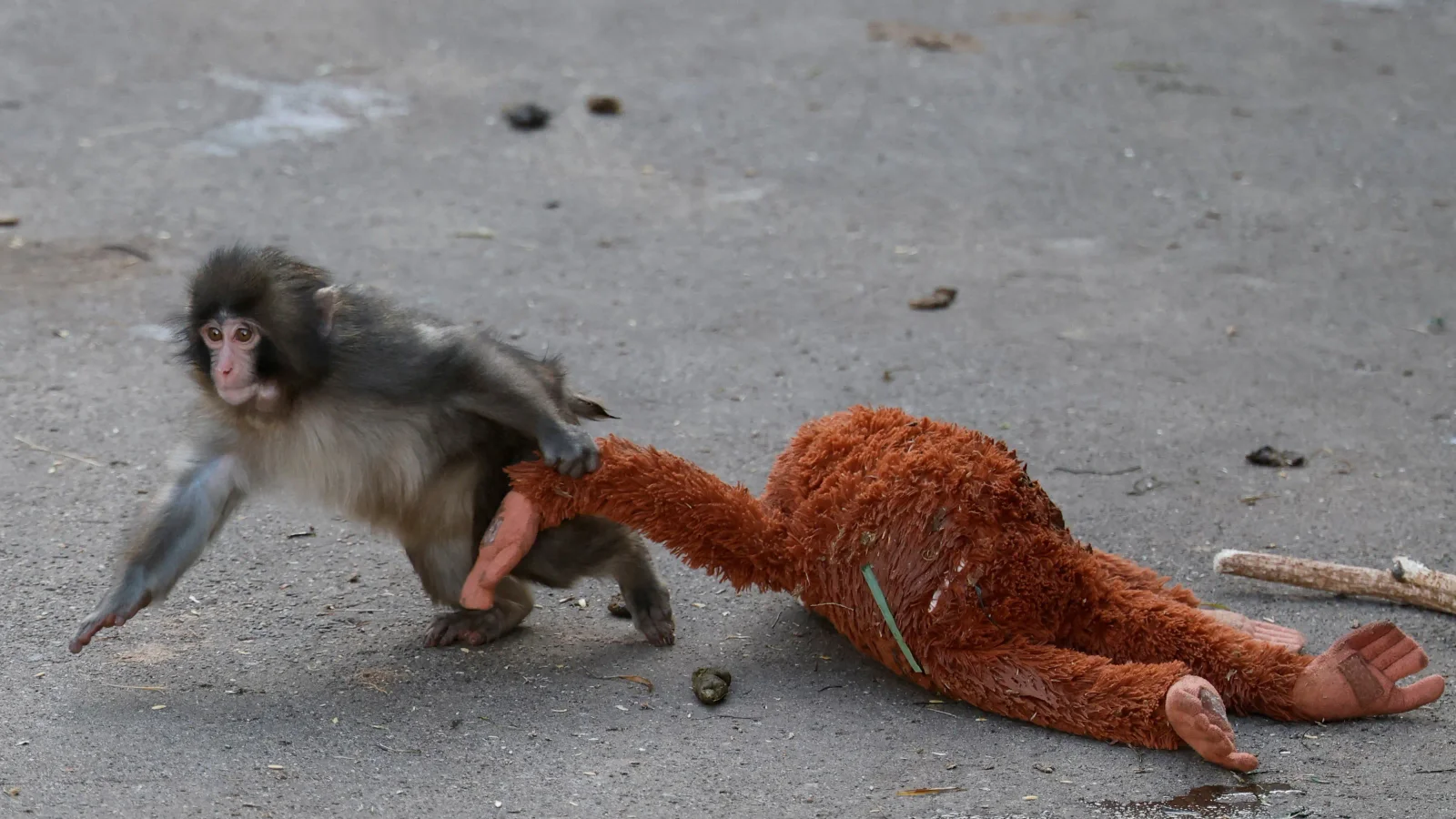
During the COVID-19 pandemic, zoo closures led to noticeable changes in primate behavior, as observed in a study at UK zoos. Primates like bonobos, chimpanzees, gorillas, and baboons altered their habits, such as resting and eating patterns, in response to the absence and return of visitors. The study highlights the complex impact of human presence on zoo animals, suggesting that visitor interactions can be both stimulating and disruptive. This research provides valuable insights for improving animal welfare in zoos and parks.
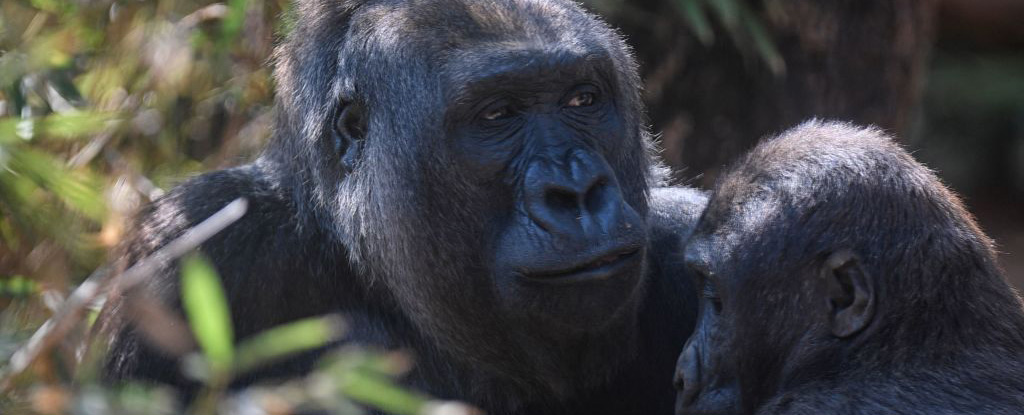
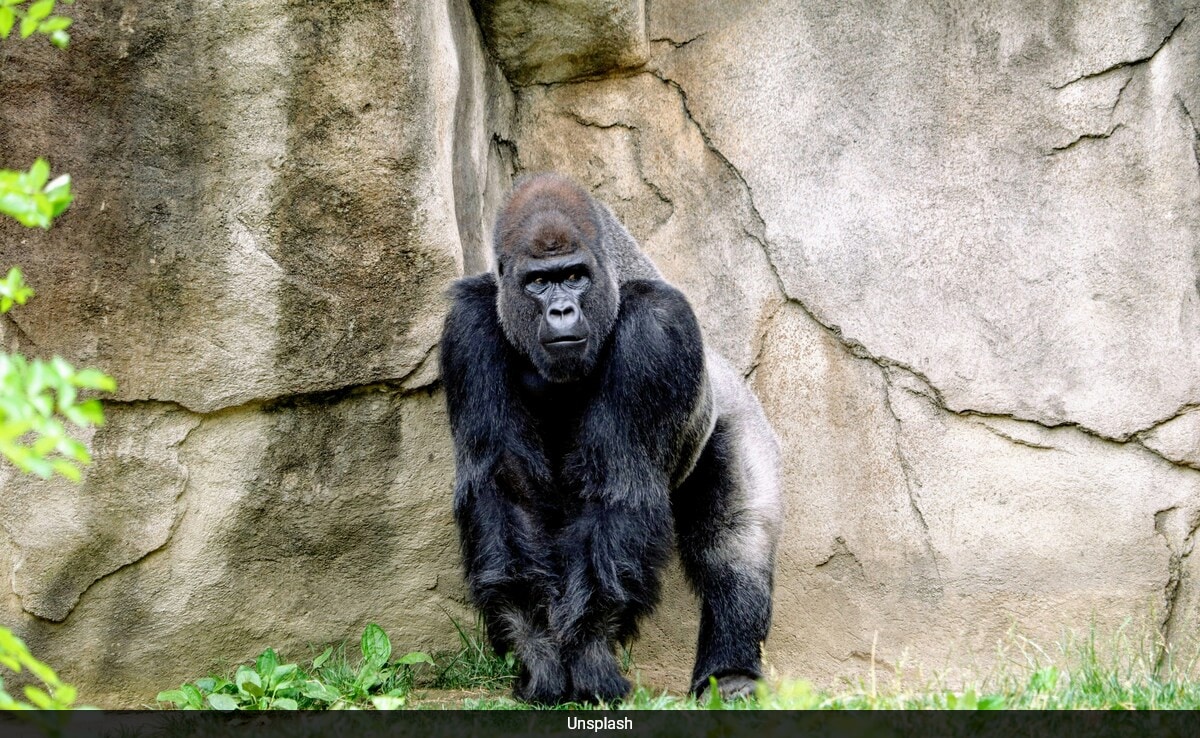
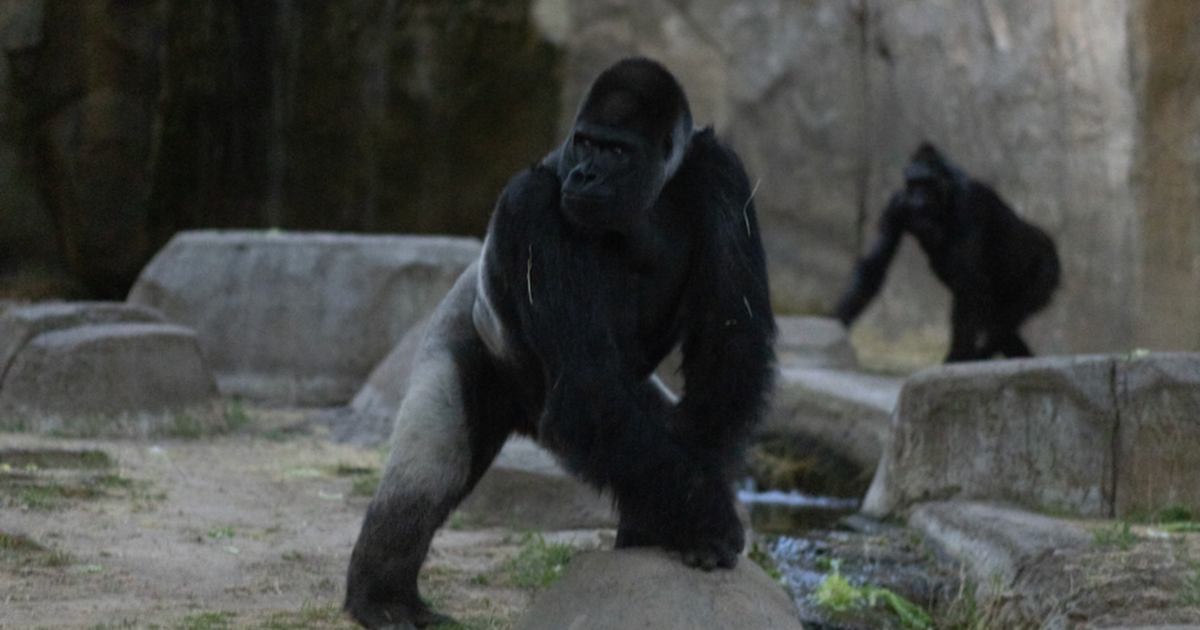
A study at Belo Horizonte Zoo in Brazil found that 1 in 5 animals tested positive for COVID-19, likely contracted from humans. The research highlights the risk of virus transmission between humans and animals in zoos, with species like western lowland gorillas and maned wolves testing positive for variants like Alpha and Omicron. This underscores the importance of monitoring wildlife to prevent the virus from evolving and spreading, especially in conservation-critical species. The findings call for integrated public health strategies to address emerging infectious diseases.
A study at Belo Horizonte Zoo in Brazil found that 19.1% of tested animals were positive for SARS-CoV-2, likely contracted from humans. Researchers identified Alpha and Omicron variants in animals like wolves, deer, and gorillas, suggesting human-to-animal transmission. The findings highlight the need for continuous monitoring and genomic surveillance of SARS-CoV-2 in wildlife to understand transmission dynamics and prevent future zoonotic outbreaks.
The San Antonio Zoo released video clips showing how animals reacted during the solar eclipse, with meerkats running through their habitat, whooping cranes "dancing," and flamingos clustering. The animals' activities, though not uncommon, were performed in a different context than usual, with the meerkats displaying evening activity patterns during totality. Zoos across the country were excited to study animals' behavior during the eclipse, as researchers have found that many animals display behaviors connected with an early dusk.
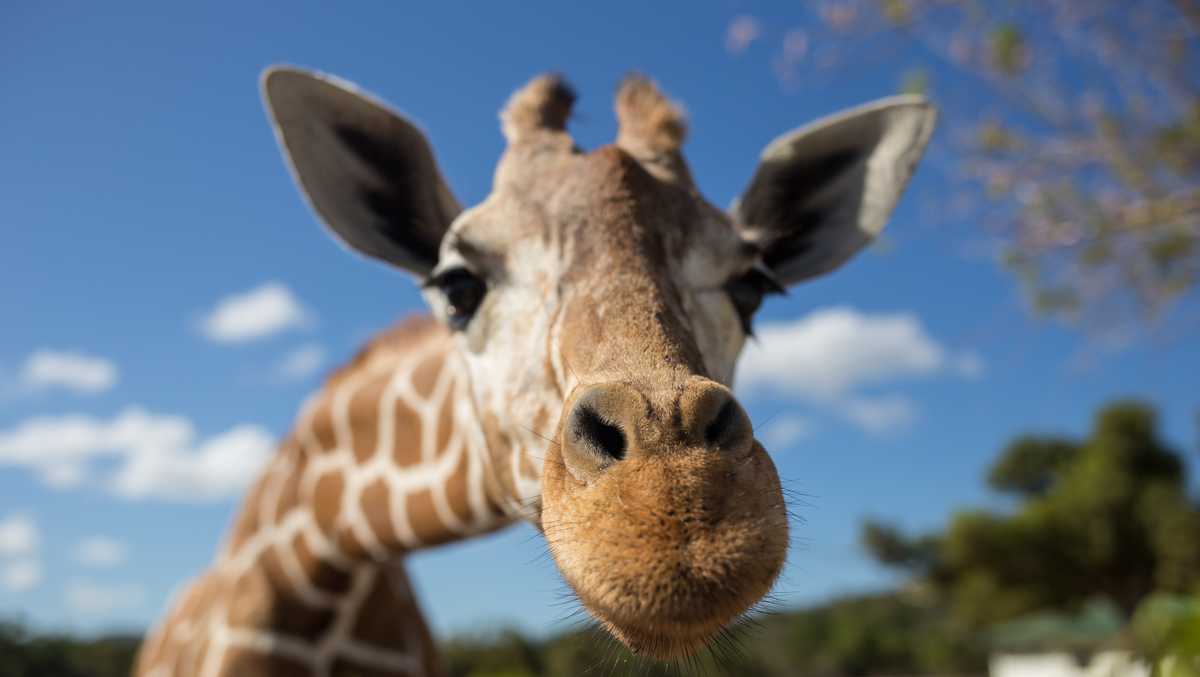
Animals at several zoos in the US displayed unusual behavior during the solar eclipse, with some showing increased alertness and interest, while others exhibited characteristics typically seen at night. Giraffes, gorillas, lions, lemurs, and various bird species demonstrated changes in behavior, such as moving towards barns, increased daytime activity, and laying eggs. Scientists noted that while some animals displayed signs of fear, most exhibited behaviors commonly observed in the evening or at night, providing insight into the effects of solar eclipses on animal behavior.
During the total solar eclipse, zoo animals such as giraffes, gorillas, lions, macaws, and flamingos exhibited unusual behavior, with some animals showing signs of increased vigilance and curiosity. At the Fort Worth Zoo, several animals made their way toward their barn doors as the skies darkened, while at the Dallas Zoo, giraffes and zebras ran around and chimpanzees patrolled the outer edge of their habitat. No signs of increased anxiety or nervous behaviors were observed, and researchers noted that most animals returned to normal behavior almost immediately after totality.
Animal behaviorists at several zoos in the US will be observing the reactions of various animals during the upcoming solar eclipse, building on their observations from the 2017 eclipse. The research aims to understand how animals respond to sudden darkness, with previous findings showing changes in behavior such as anxiety-related actions and unusual mating behaviors. The observations are not only for recreational purposes but also to understand and mitigate anxiety in animals, as well as satisfy the fundamental curiosity humans have about animal behavior.
As the total solar eclipse approaches, researchers are eager to observe how animals will react to the sudden change in light and temperature. From cows heading to their barns for bedtime to flamingoes huddling in fear, and even the possibility of Galápagos tortoises mating, the eclipse's impact on animals' circadian rhythms and behavior is of great interest to experts. Zoos along the eclipse's path will be studying the animals' responses, with the anticipation that most creatures will notice the unusual event.
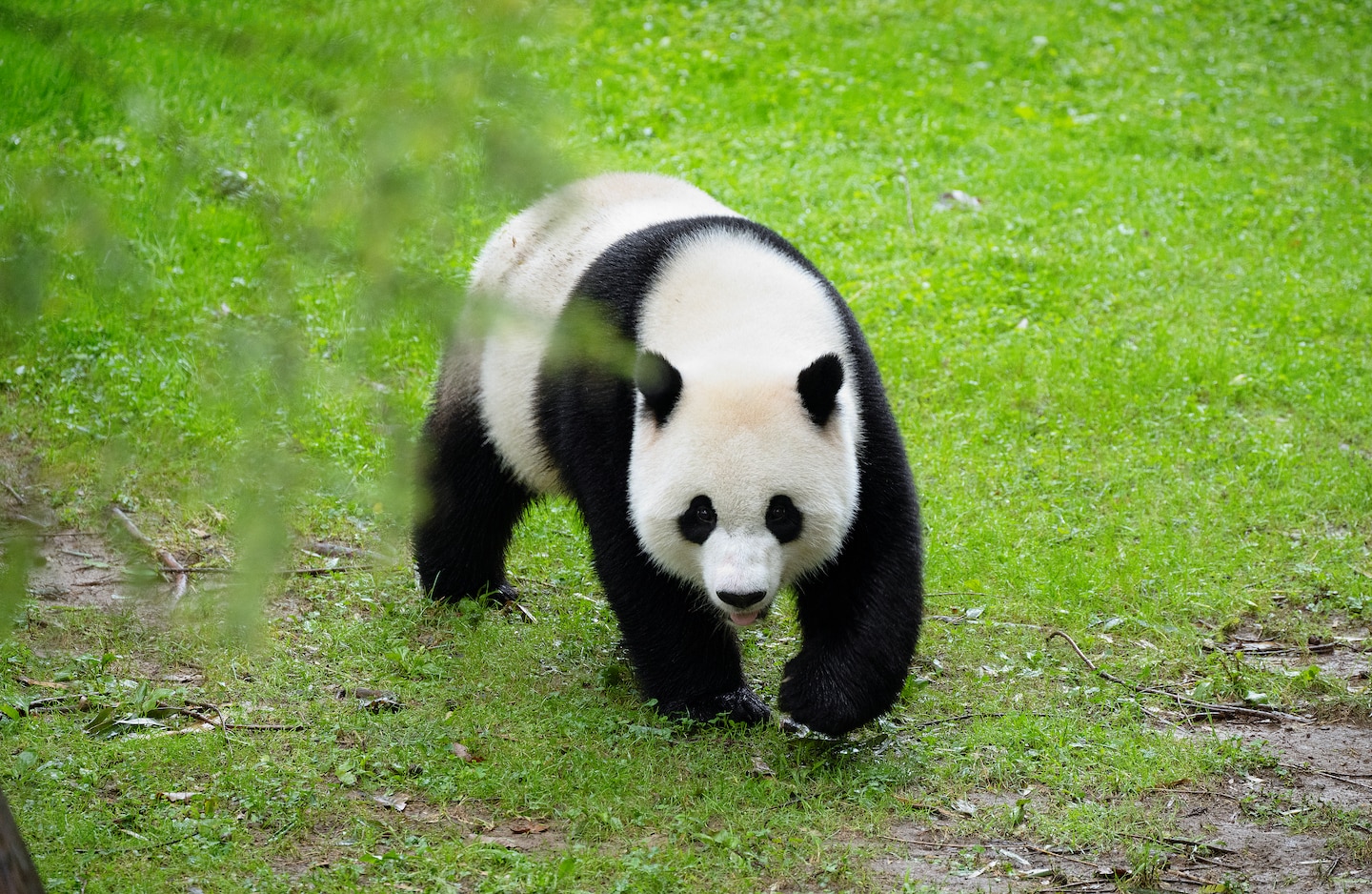
China is recalling its giant pandas from zoos in the United States and the United Kingdom, signaling a possible shift in its approach to "panda diplomacy." The National Zoo in Washington will see its three pandas depart by December 7, leaving only four in Atlanta, who are also expected to leave next year. Britain and Australia will also lose their last pandas in December and next year, respectively, if existing agreements are not extended. This move is seen as a potential response to deteriorating relations between China and the West, as well as a reflection of China's changing conservation priorities. The departure of the pandas could have financial implications for the zoos, as pandas are a major attraction for visitors.
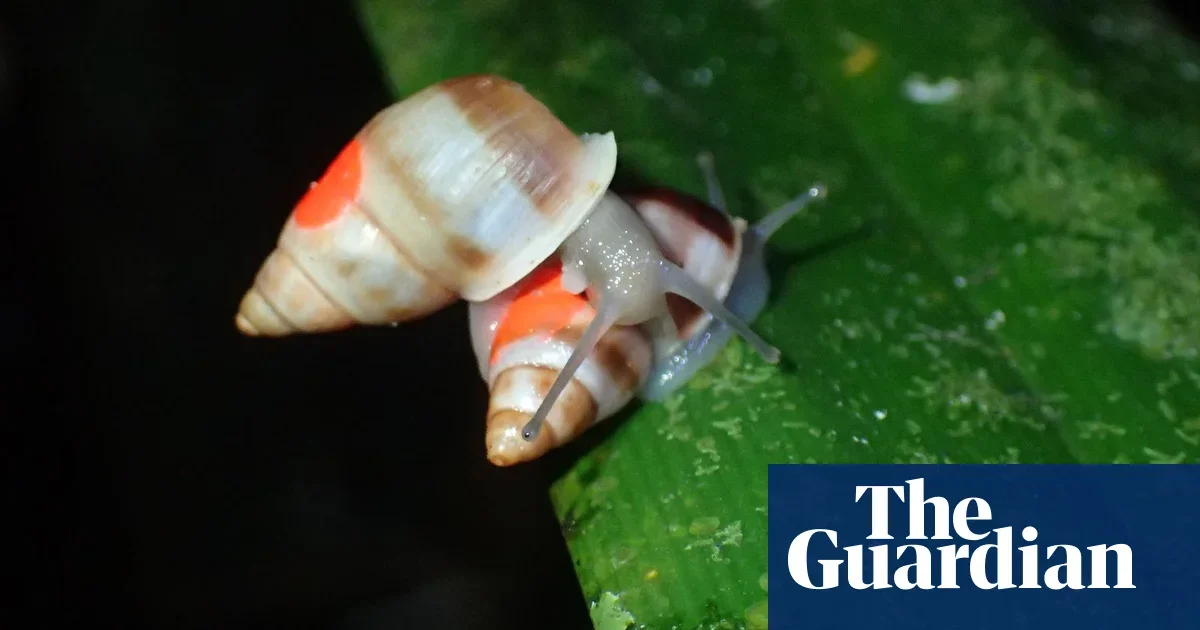
More than 5,000 partula snails, belonging to 11 different species, have been released on the islands of Moorea and Tahiti after being bred in captivity. The snails, which play an important role in maintaining tropical forest health, were classified as "extinct in the wild" by the IUCN Red List of endangered species. The release is the largest ever of an "extinct in the wild" species and is helping to restore the ecological balance to the islands. The snails were individually marked with a dot of red UV-reflective paint to help conservationists monitor the growing populations.
Two Florida zoos, Brevard Zoo and ZooTampa, have been voted among the best in the country, with Brevard Zoo holding onto the No. 3 spot and ZooTampa ranking at No. 6. The top spot went to Omaha's Henry Doorly Zoo and Aquarium, followed by Cincinnati Zoo & Botanical Garden.