Tag

Zombie Viruses

All articles tagged with #zombie viruses

"Rising Concern: Scientists Warn of Potential Pandemic from Arctic Zombie Viruses"
science2 years ago

"Rising Concern: Scientists Warn of Potential Pandemic from Arctic Zombie Viruses"

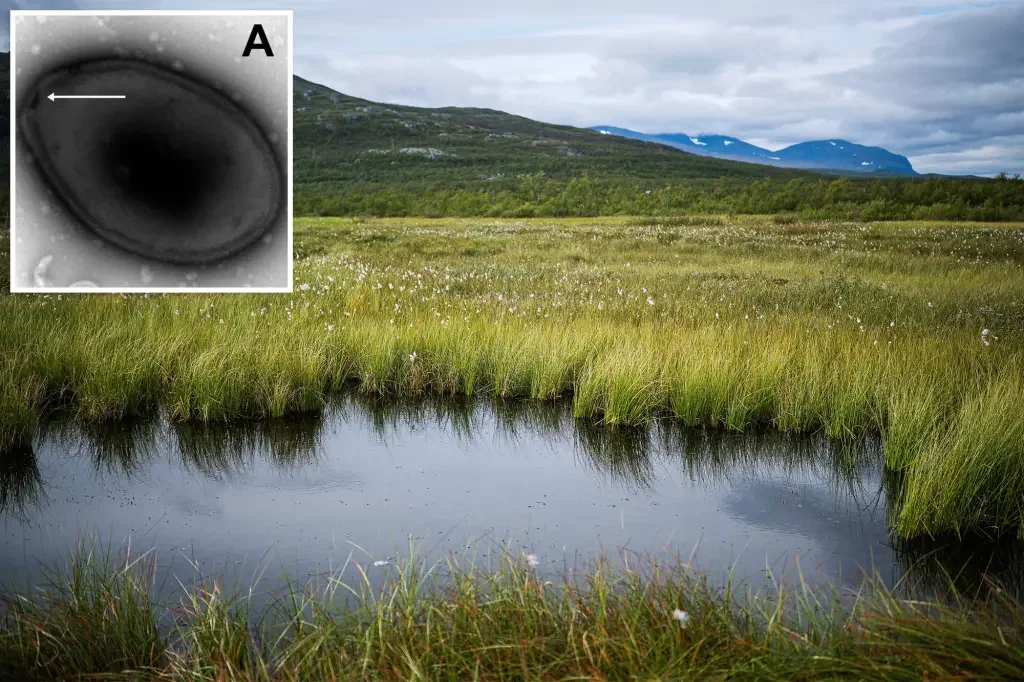
Scientists are concerned about the potential threat of "zombie viruses" trapped in Arctic permafrost being released due to global warming, which could lead to a disease outbreak or pandemic. These ancient viruses, some as old as 48,500 years, have been isolated by researchers, raising fears of a global medical emergency triggered by diseases from the distant past. Permafrost, which contains ice, soil, and organic matter, is at risk of thawing due to rising global temperatures, potentially releasing these viruses and exacerbating climate change.
"48,500-Year-Old 'Zombie Virus' Poses Pandemic Threat, Scientists Warn"
health-environment2 years ago

"48,500-Year-Old 'Zombie Virus' Poses Pandemic Threat, Scientists Warn"

Scientists warn that melting Arctic ice in Siberia could release ancient "zombie" viruses, posing a potential global health crisis due to the region's rising temperatures. These viruses, known as Methuselah microbes, can remain viable for tens of thousands of years in frozen soil. Experts are collaborating on a surveillance network to monitor and prevent potential outbreaks, as the disappearance of Arctic sea ice due to global warming increases the risk of human exposure to these pathogens. While the likelihood of a prehistoric virus causing a new pandemic is low, virologists emphasize the need to be prepared for such a scenario.

The Terrifying Secret Lurking Beneath the Permafrost
environment2 years ago

The Terrifying Secret Lurking Beneath the Permafrost

While the media has focused on the potential threat of "zombie" viruses emerging from melting permafrost, the real concern lies in the release of carbon trapped in the frozen ground. The permafrost, which covers an area larger than the United States, contains an enormous amount of methane and other carbon sources. If released into the atmosphere, this carbon could contribute to a dangerous feedback loop of warming and melting. Additionally, the melting permafrost poses immediate risks such as landslides and infrastructure damage. While there have been cases of dormant microbes reanimating, experts believe the risk of a massive plague is low, and bacteria pose a more localized threat.

Ancient Viruses Resurrected by Global Warming
science-and-environment2 years ago

Ancient Viruses Resurrected by Global Warming

As the planet warms due to climate change, long-dormant viruses, known as "zombie viruses," are waking up after being frozen for thousands of years in the Arctic permafrost. Scientists have extracted and revived ancient viruses from the Siberian permafrost, highlighting the potential threat to public health. The melting permafrost could release not only greenhouse gases but also dormant pathogens, posing a danger to humans, animals, and plants. Recent incidents, such as the activation of anthrax spores and the successful reanimation of a 46,000-year-old roundworm, demonstrate the risks associated with these ancient viruses. The ubiquity of these viruses underscores the need to understand and address this emerging threat.

science-and-environment2 years ago

The Resurrection of Zombie Viruses through Climate Change.

Climate change is causing permafrost to thaw, releasing ancient viruses that have been frozen for millions of years. While most of these "zombie viruses" are harmless to humans, there are concerns that deadly diseases could be revived. Anthrax, a bacterial disease that can be fatal, has already been found in thawing permafrost. Other dangerous diseases could also be lurking beneath the ice, making their resurgence and potentially fatal consequences not a matter of if, but when.

Revived 'Zombie Viruses' from Permafrost Pose Modern Threat.
science2 years ago

Revived 'Zombie Viruses' from Permafrost Pose Modern Threat.

Scientists have discovered that "zombie viruses" found in permafrost, some of which are tens of thousands of years old, can infect amoeba cells once revived. The viruses were found in seven permafrost samples from ancient Siberia and were in a dormant state for between 27,000 and 48,500 years. As permafrost melts due to climate change, viruses capable of infecting humans may emerge, and the release of organic matter frozen for up to a million years could further enhance the greenhouse gas effect.