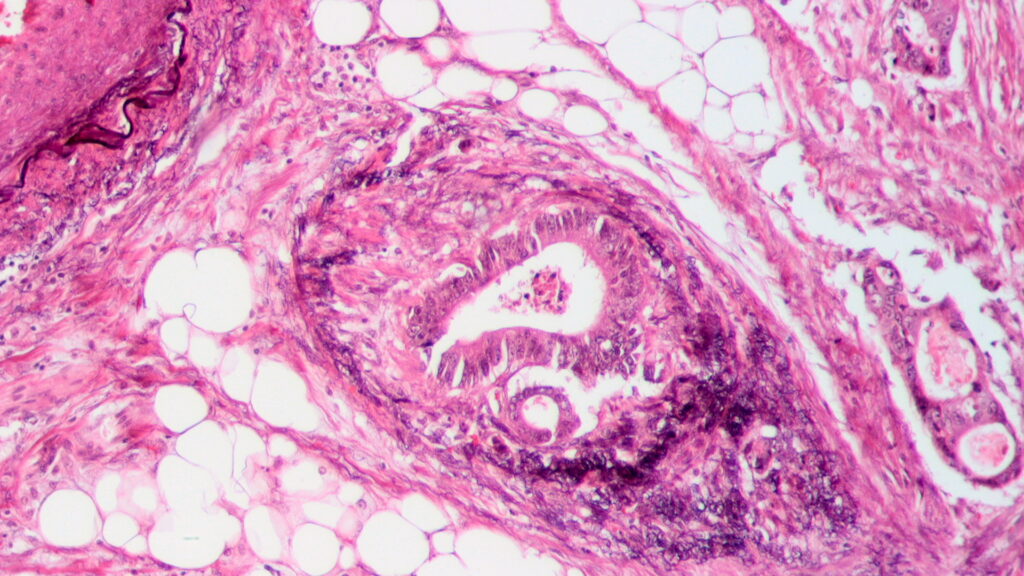
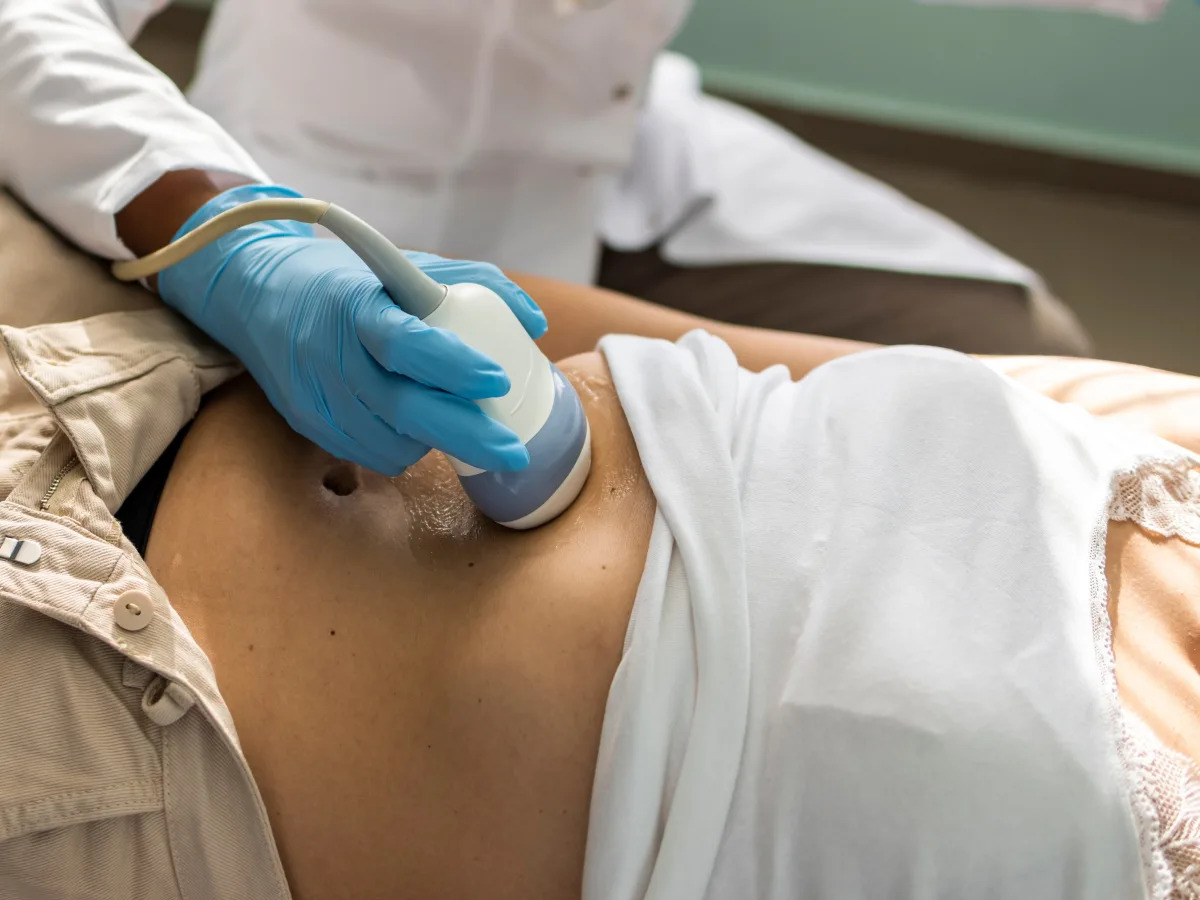
Cancer rates among younger people are on the rise, with Orange County leading the trend in Southern California. The increase in colorectal and breast cancers among the younger population has prompted changes in cancer screening guidelines. Experts are uncertain about the reasons behind this trend, but emphasize the importance of healthy lifestyle choices and regular screenings. City of Hope Orange County has launched research trials and a mobile cancer prevention and screening program to address the rising rates and provide broader access to screening.
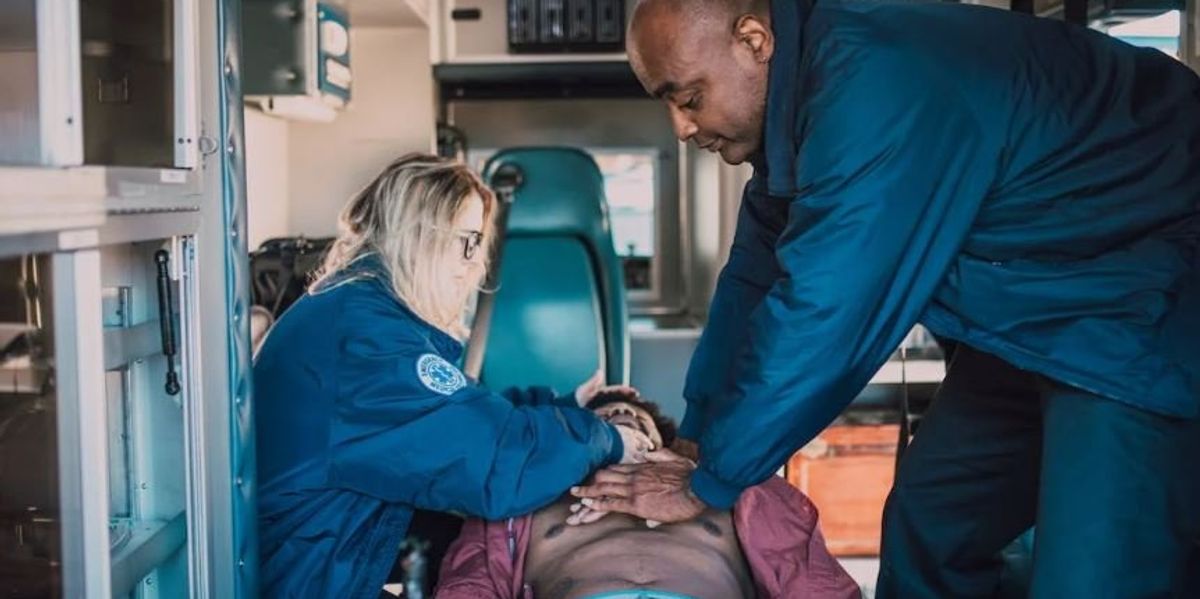
The COVID-19 pandemic has led to a surge in heart attacks among younger people in the United States. A study by Cedars Sinai Hospital found that heart attack deaths among those aged 25 to 44 rose by nearly 30% over the first two years of the pandemic. The increase in heart attack mortality is attributed to the COVID-19 virus, which can increase blood clot formation, cause inflammation in blood vessels, and lead to spikes in blood pressure. A study by the U.S. Department of Veterans Affairs supports this claim, stating that COVID-19 survivors face increased risks for various cardiovascular conditions. The lingering heart conditions caused by COVID-19 infections highlight the ongoing impact of the pandemic on cardiovascular health.
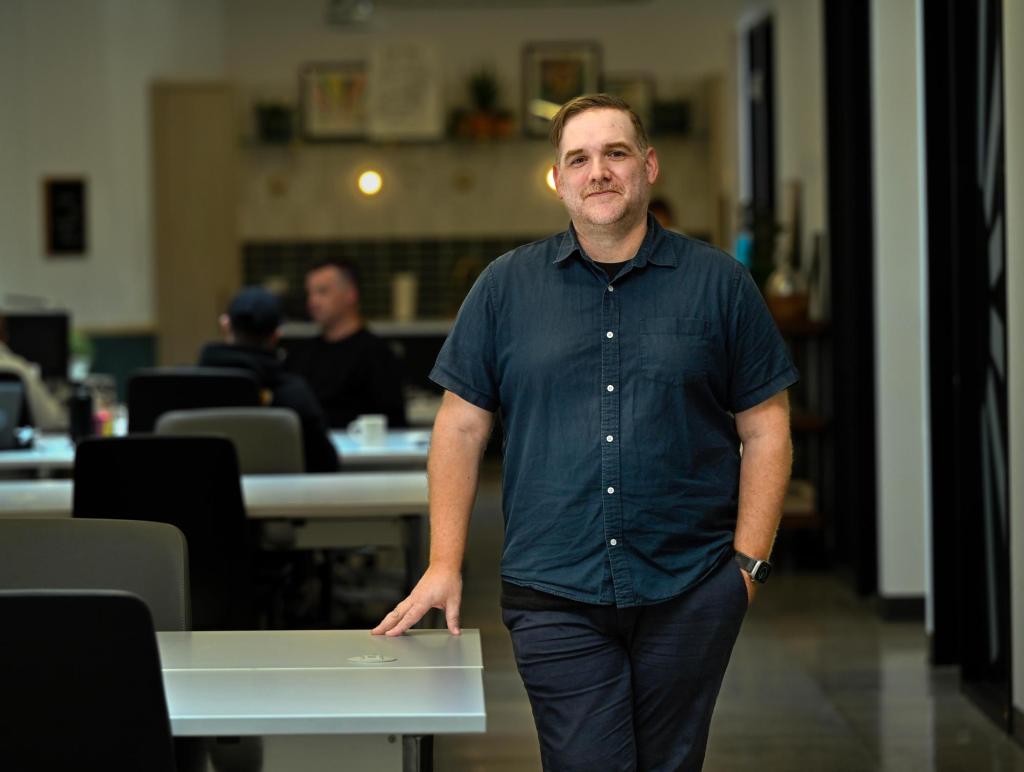
Doctors are increasingly concerned about the rise in cancer cases among younger people. A man's experience with stage 4 colorectal cancer, which had spread to his liver, highlights the need for early detection and awareness. Shoulder pain can be a possible sign of liver disease, and further testing is crucial in diagnosing and treating cancer. The reasons behind the increase in cancer cases among younger individuals remain a medical mystery.
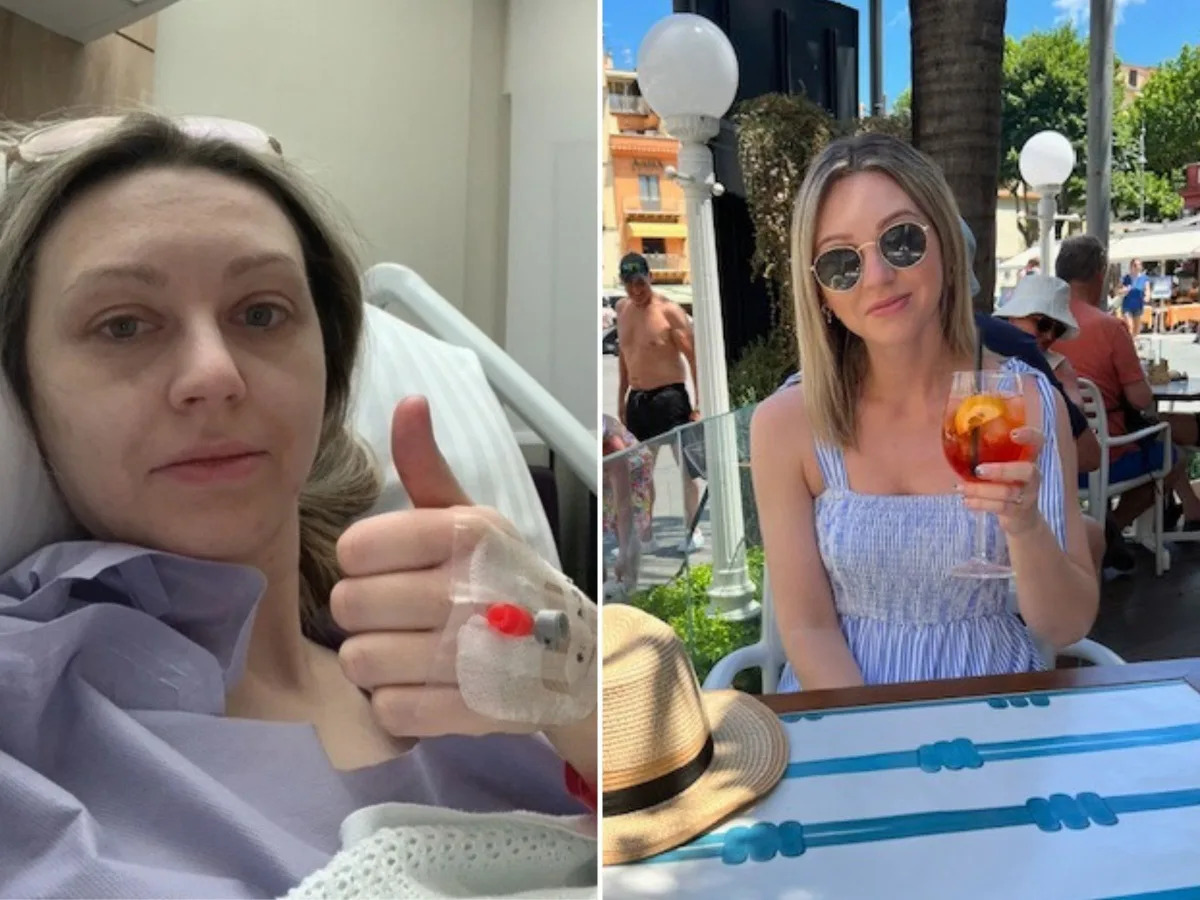
A 36-year-old woman in the UK was diagnosed with bowel cancer after experiencing symptoms of anemia. Further testing revealed that she had a genetic condition called Lynch syndrome, which increases the risk of certain cancers. Bowel cancer rates among younger people are on the rise. The woman underwent keyhole surgery and chemotherapy, and is now in remission. She emphasizes the importance of recognizing the signs of bowel cancer and raising awareness about the disease, which is often associated with older individuals. Regular screening is crucial for early detection and treatment.
Dr. Lauren Juyia, a 38-year-old gynecologist, was diagnosed with stage 4 colon cancer after experiencing pelvic pain and fatigue. Despite not having any other major symptoms, she discovered a mass on her ovary and sought medical attention. Colon cancer is being diagnosed more in younger people, and Juyia urges them to get screened, even if symptoms are mild. As a doctor herself, she understands the importance of cancer screenings and encourages others to take advantage of them.