In uncertain times and with AI transforming many tasks, workers clinging to their current roles for security risk stunting their long‑term prospects; employers need adaptable talent, so actively seeking growth and upgrading skills while employed is wiser than ‘job hugging.’
'Quiet cracking' is a new workplace trend where employees feel dissatisfied and unmotivated but remain in their jobs due to economic and personal reasons, reflecting broader shifts in corporate loyalty and job security.
'Quiet cracking' is a new, subtle form of burnout affecting millions of workers, characterized by disengagement and stagnation due to feeling unappreciated and lacking career growth, which can lead to significant economic costs; addressing it involves recognizing its causes and providing growth opportunities and open communication.
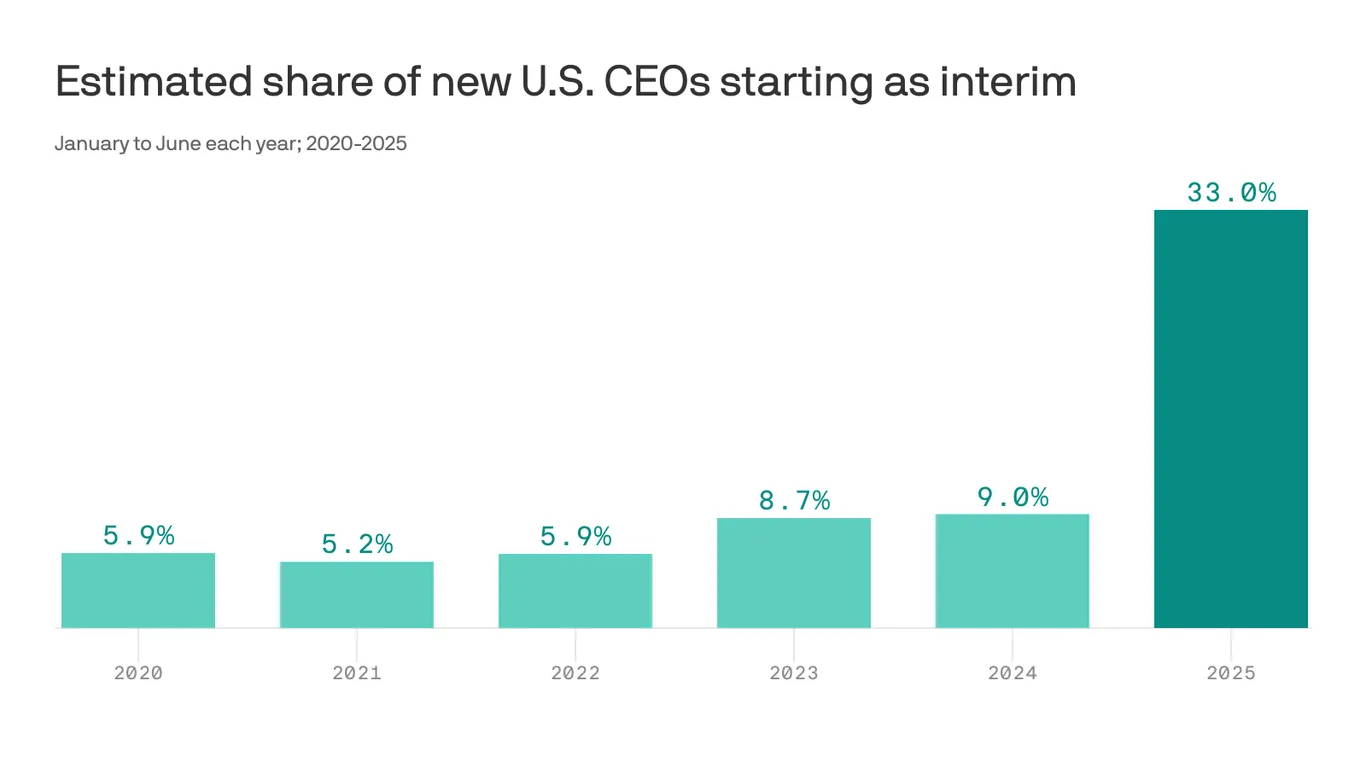
A growing trend of CEOs taking on short-term, interim roles is emerging, with 33% of new CEOs in early 2025 serving temporarily, reflecting a shift towards a gig economy style approach in executive leadership as companies adapt to ongoing workplace changes.
The CEO of ABM Industries discusses how companies are adjusting their office spaces to attract workers back, including downsizing, upgrading amenities, adding private areas, and emphasizing cleanliness, with a focus on the evolving hybrid work model and the importance of understanding organizational culture.
A new wave of resignations, dubbed "Great Resignation 2.0," is emerging as employees feel overworked and underpaid, according to PwC's Global Workforce Hopes & Fears Survey. The survey, which included over 56,000 workers, found a 28% increase in those planning to change jobs compared to 2022. Key reasons include increased workloads, career ambitions, and the integration of new technologies like AI. Many employees are seeking roles that offer better pay and opportunities for skill development, despite the risk of regret after quitting. The trend is evident globally, with significant impacts in Europe and the U.K.
Millennials are increasingly engaging in "quiet vacationing," where they take time off without informing their bosses, facilitated by remote work arrangements. This trend stems from anxiety about requesting PTO in a competitive work environment. A Harris Poll found that 37% of millennial workers have done this, and nearly half of all respondents feel anxious about asking for time off. Employers can address this by encouraging and mandating PTO usage.
Millennials are adopting a new practice called 'quiet vacationing,' where they take unofficial time off without informing their bosses to achieve better work-life balance. This trend is a response to the high percentage of employees, especially among Gen Z and millennials, who don't take all their paid time off. Unlike 'quiet quitting,' which involves doing only the minimum job requirements, 'quiet vacationing' involves discreetly taking breaks while maintaining the appearance of being active at work.
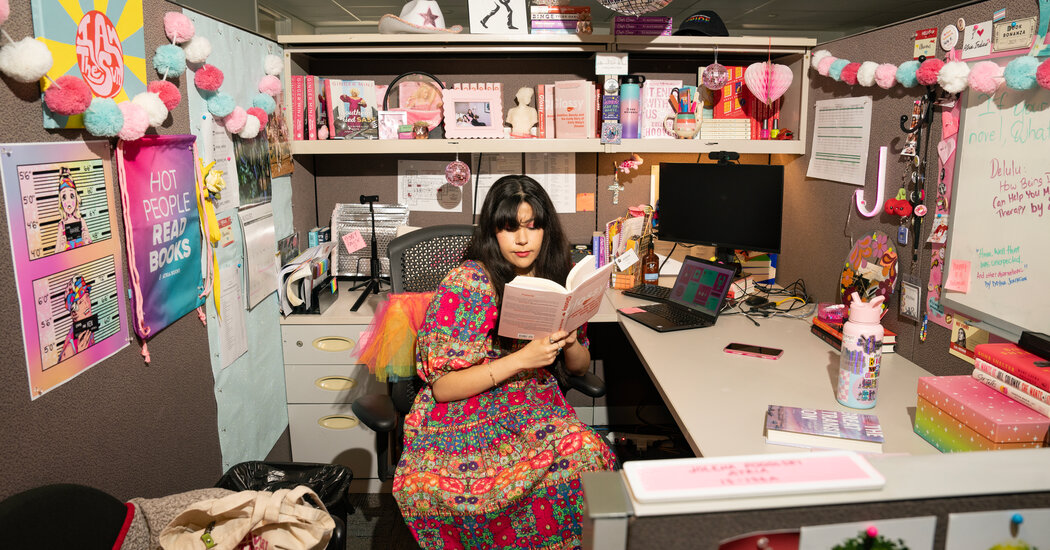
Cubicles, once vilified as symbols of a dehumanized work force, are making a comeback as employees return to the office. The demand for quiet spaces and privacy has increased due to the disruptions and lack of focus experienced during remote work. Global demand for cubicles and partitions is expected to grow to $8.3 billion over the next five years. The new iterations of cubicles are ergonomic, flexible, and can accommodate multiple electronic devices. Employers are now offering a variety of work spaces, including shared offices, conference rooms, and libraries, alongside cubicles. Some employees are personalizing their cubicles and posting photos on social media, incorporating home décor into their work spaces.
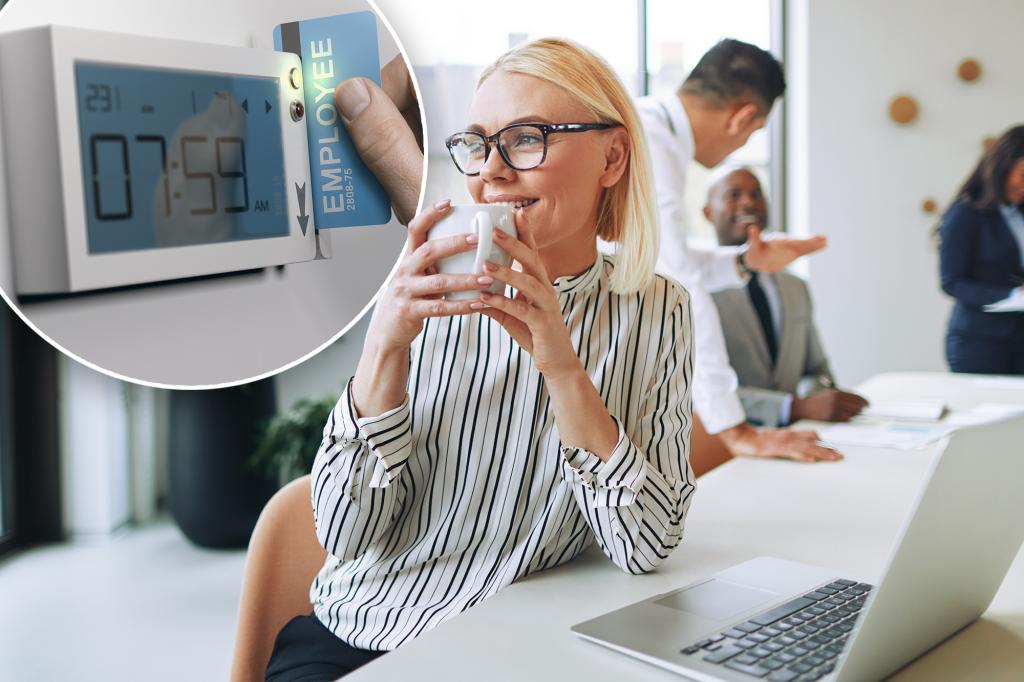
"Coffee badging" is a new trend where employees return to the office for a short period of time, just enough to have a cup of coffee, show their face, and swipe their badge before going home to do the rest of their work. This trend has emerged as a form of protest against companies mandating a return to the office post-pandemic. A study found that 58% of hybrid workers are engaging in coffee badging. Employers are advised to research and address this trend by implementing flex hours, encouraging socialization among employees, and promoting open communication to improve work-life balance and prevent employee dissatisfaction.
"Coffee badging" is a new trend where employees return to the office for a short period, just enough to have a cup of coffee and swipe their badge, before going home to do the rest of their work. This trend has emerged as a form of protest against companies mandating a return to the office post-pandemic. A study found that over half of hybrid workers are engaging in coffee badging. While some managers have also participated, it can be seen as disrespectful or insubordinate to business leaders. To address this, companies can implement flex hours, encourage socialization among employees, and promote open communication to improve work-life balance and reduce burnout. Widespread coffee badging can undermine organizational culture and collaboration, so companies are adopting hybrid schedules to provide flexibility while reducing unpredictability.
Companies are increasingly designing office spaces that are Instagrammable and visually appealing in order to attract and retain young talent. These "Envy Offices" combine the comforts of a living room with the glamour of a vacation, featuring colorful walls, upholstered furniture, and carefully curated coffee table books. The goal is to create spaces that employees want to share on social media, showcasing a fun and enjoyable workplace. However, some employees feel that these aesthetics mask inconvenient arrangements like hot desks and lack of privacy. As office design evolves with changing work norms, companies are using social media aesthetics to enhance their corporate image and retain employees.
A new workplace trend called "quiet cutting" is emerging in the American job market, where companies reorganize existing employees instead of laying them off or firing them. This approach allows companies to avoid severance packages and potentially save money. While the U.S. job market has been strong, some companies are adopting this trend due to apprehensions about the future. This shift suggests that employers are gaining more control in the workplace.