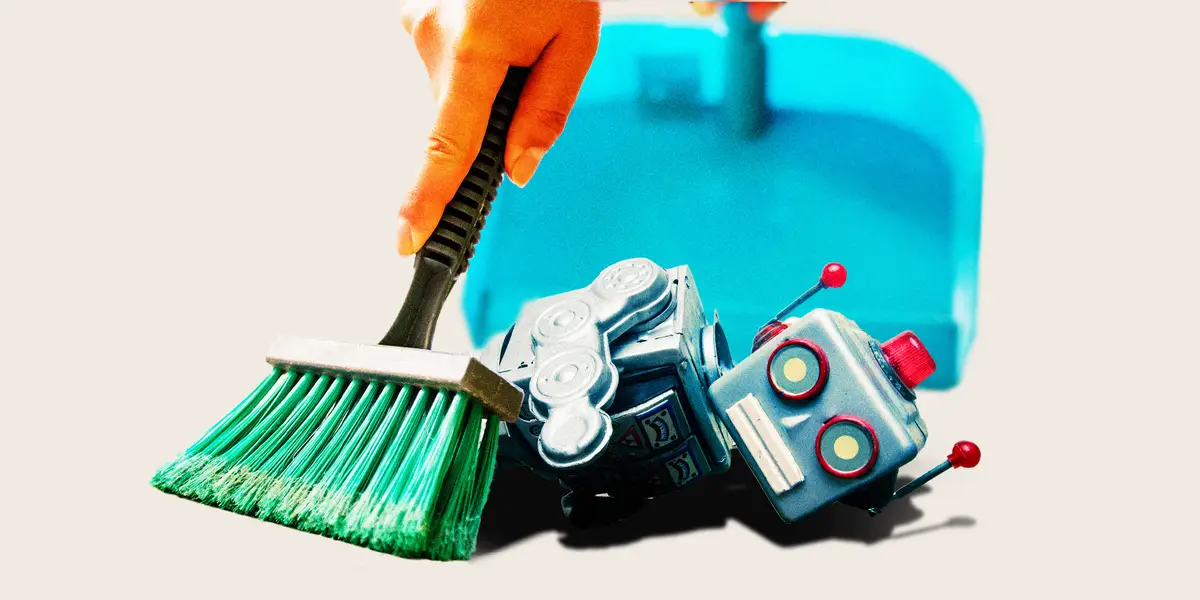
The rise of 'workslop,' AI-generated but low-quality work, is causing frustration and inefficiency in American offices, highlighting issues with overreliance on AI tools that often lead to more work for humans and erode trust among colleagues.
As artificial intelligence (AI) becomes more prevalent in the workplace, the adoption of a four-day workweek is gaining traction, with companies using AI tools to streamline operations and free up time for employees. AI has been fundamental to the success of businesses implementing a shorter workweek, saving time and boosting productivity. However, the shift to a four-day workweek will also depend on organizational culture, employee skills development, and executive buy-in. While AI may pave the way for a shorter workweek, its widespread adoption will ultimately depend on how businesses choose to integrate it into their operations.
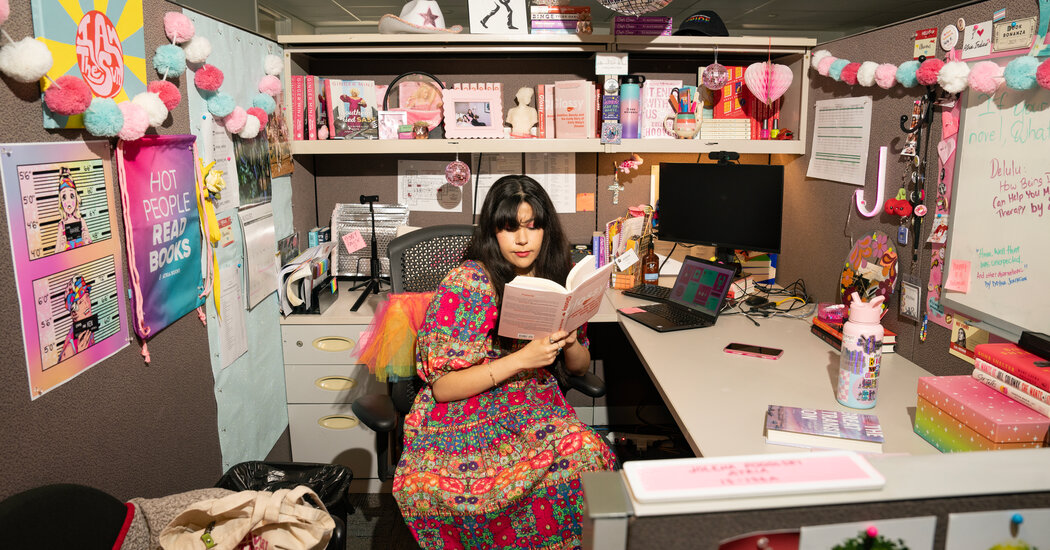
Cubicles, once vilified as symbols of a dehumanized work force, are making a comeback as employees return to the office. The demand for quiet spaces and privacy has increased due to the disruptions and lack of focus experienced during remote work. Global demand for cubicles and partitions is expected to grow to $8.3 billion over the next five years. The new iterations of cubicles are ergonomic, flexible, and can accommodate multiple electronic devices. Employers are now offering a variety of work spaces, including shared offices, conference rooms, and libraries, alongside cubicles. Some employees are personalizing their cubicles and posting photos on social media, incorporating home décor into their work spaces.
Rep. Lauren Boebert faced criticism from an executive counselor for the Social Security Administration (SSA) during a House Oversight Committee hearing. Boebert accused the SSA of allowing "delinquent employees to sit on their sofas at home" instead of working, but the counselor explained that employees' performances are monitored and they are required to be accessible during work hours. Boebert further questioned the increase in backlogs for Social Security applicants, to which the counselor attributed to historical underfunding and low staffing levels.
The rise of artificial intelligence (AI) is set to radically reshape the job market and global economy. Over 300 million jobs worldwide could be disrupted by AI, with at least 12 million Americans changing fields by 2030. While this technological revolution could add trillions of dollars to the global economy, it also poses challenges. The adoption of AI is happening faster than previous technologies, and the effects will be felt across various industries and occupations, including highly skilled workers. However, AI is also expected to lead to net job creation and significant productivity gains. To navigate this disruption, governments and businesses need to invest in workforce education and retraining programs to ensure workers are prepared for the AI revolution.
Despite concerns over security and intellectual property leaks, a Reuters/Ipsos poll reveals that many workers in the US are using ChatGPT, a chatbot program that utilizes generative AI, to assist with basic tasks at work. The poll found that 28% of respondents regularly use ChatGPT, even though only 22% said their employers explicitly allowed such external tools. Companies worldwide are grappling with how to effectively leverage ChatGPT while mitigating potential risks. Some firms have embraced the technology, while others have implemented bans or restrictions. Security concerns arise from the potential for data leaks and the reproduction of proprietary information by similar AI systems.
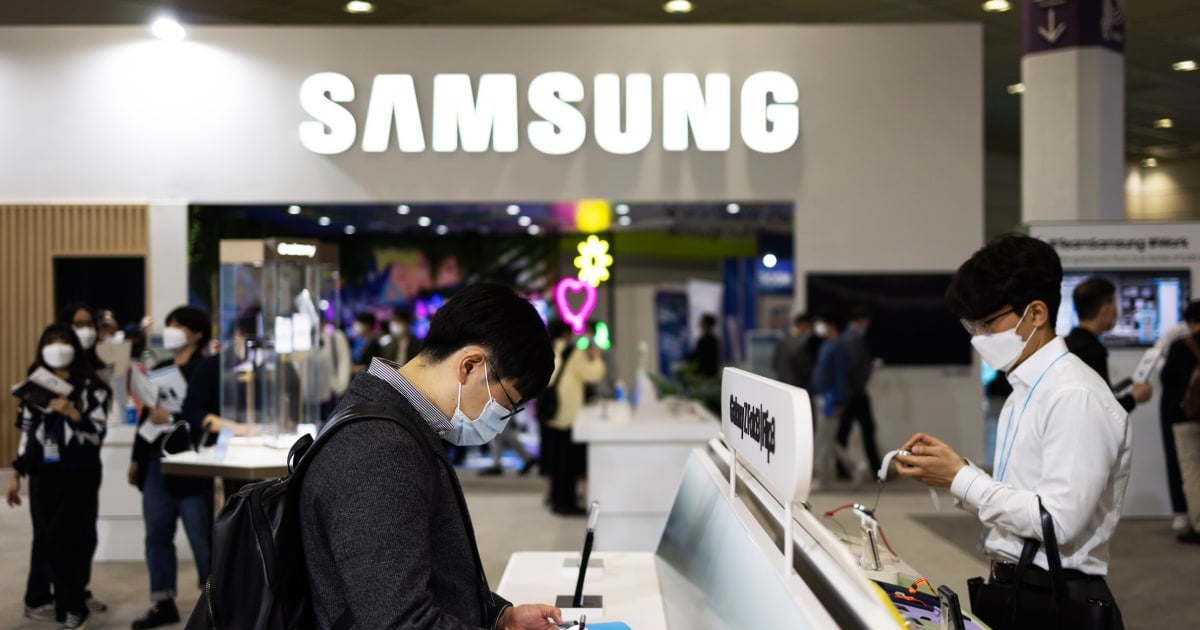
Samsung is temporarily restricting the use of generative AI tools like ChatGPT for employees after cases of misuse were discovered, including uploading sensitive code. The company advised workers not to enter any personal or company-related information into the services and is looking for ways to use generative AI safely to enhance employee productivity and efficiency. Other companies, including JPMorgan and Amazon, have also restricted the use of ChatGPT due to concerns about data security.
Samsung is temporarily restricting the use of generative AI tools like ChatGPT for employees after cases of misuse were discovered, including uploading sensitive code to the chatbot. The company does not have its own generative AI product yet and is looking for ways to safely enhance employee productivity and efficiency. Other companies, including JPMorgan and Amazon, have also restricted the use of ChatGPT due to concerns about data security.
Despite office bans on messaging app ChatGPT, some workers still want to use it for workplace communication, citing its ease of use and ability to improve employee productivity. However, companies are concerned about security risks and potential distractions, leading to the implementation of strict policies and monitoring of employee activity on messaging apps.