Tag

Employers

All articles tagged with #employers

Rising Costs and Access Challenges in Weight Loss Medications

Originally Published 24 days ago — by statnews.com

Featured image for Rising Costs and Access Challenges in Weight Loss Medications
Source: statnews.com

Employers like HCA Healthcare are dropping coverage for weight loss drugs such as Zepbound and Wegovy due to rising costs and are directing employees to manufacturer discount programs, which may be cheaper than insurance coverage. The growth of direct-to-consumer programs by pharma companies Eli Lilly and Novo Nordisk is contributing to this shift, potentially making these drugs less affordable for the general public despite expanding access.

Rising Use of Obesity Drugs Sparks Cost and Access Challenges

Originally Published 2 months ago — by statnews.com

Featured image for Rising Use of Obesity Drugs Sparks Cost and Access Challenges
Source: statnews.com

Pharmaceutical companies and entrepreneurs are promoting a new payment model where employers subsidize the cash price of obesity medications like Wegovy and Zepbound, allowing employees to access these drugs at lower costs without insurance, potentially reducing overall expenses for both parties.

Health Care Costs Hit 13-Year High Amid Rising Premiums and Drug Prices

Originally Published 4 months ago — by NPR

Featured image for Health Care Costs Hit 13-Year High Amid Rising Premiums and Drug Prices
Source: NPR

U.S. healthcare costs are rising sharply, with employers facing nearly 9% higher expenses for employee coverage, leading to increased paycheck deductions and out-of-pocket costs for workers, driven by higher insurer, drug, and hospital prices amid reduced competition and market consolidation.

Rising Health Care Costs Signal Higher Employee Expenses Next Year

Originally Published 4 months ago — by The New York Times

Featured image for Rising Health Care Costs Signal Higher Employee Expenses Next Year
Source: The New York Times

A survey indicates that healthcare costs for workers are expected to rise significantly next year, with higher premiums, deductibles, and potential benefit reductions, driven by increased drug prices, hospital costs, and demand for care, marking the largest increase since 2010.

Rising Healthcare Costs in 2026: Impact on Workers and Employers

Originally Published 4 months ago — by Axios

Featured image for Rising Healthcare Costs in 2026: Impact on Workers and Employers
Source: Axios

In 2026, workers will face higher health insurance premiums due to a projected 9-10% increase in employer health costs, driven by rising medical and drug expenses, with employers shifting more costs onto employees and exploring alternative health plan arrangements to manage expenses.

Employers Increasingly Shift Health Coverage Shopping to Employees

Originally Published 6 months ago — by Yahoo Finance

Featured image for Employers Increasingly Shift Health Coverage Shopping to Employees
Source: Yahoo Finance

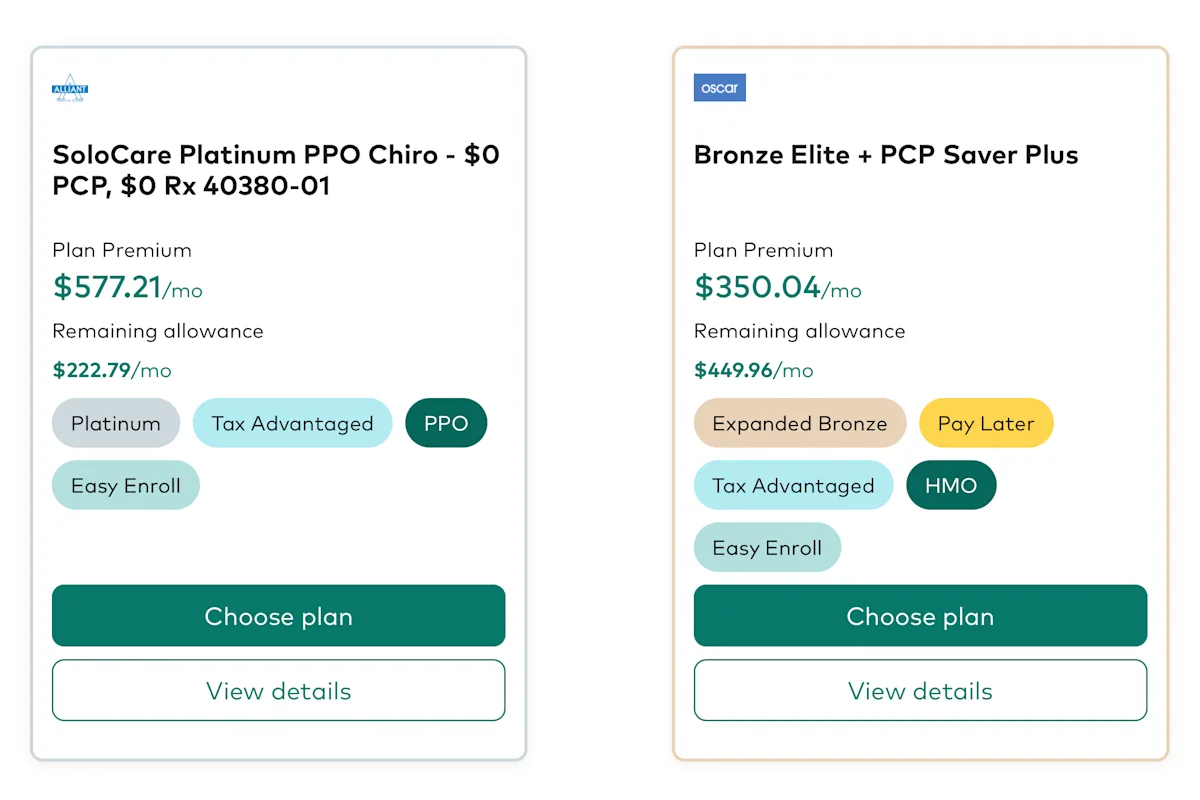
A growing number of employers are adopting Individual Coverage Health Reimbursement Arrangements (ICHRAs), which give workers money to buy their own health insurance instead of traditional group plans, offering more flexibility and predictability for small businesses but shifting the insurance shopping burden to employees.

"Minimum Wage Hikes Across 22 States in 2023: Who's Ready for the Change?"

Originally Published 2 years ago — by Star Tribune

Featured image for "Minimum Wage Hikes Across 22 States in 2023: Who's Ready for the Change?"
Source: Star Tribune

Starting January 1st, Minnesota's minimum wage will increase, impacting both employees and employers. The change is part of scheduled wage adjustments to keep up with inflation and cost of living. Employers in the state are preparing for the change, which may involve adjusting their payroll systems, reassessing labor costs, and potentially altering prices or services to maintain profitability. The wage hike aims to help low-income workers but could also challenge small businesses operating on thin margins.

"The Rise of Bosses: Power Dynamics in 2023"

Originally Published 2 years ago — by BBC.com

Featured image for "The Rise of Bosses: Power Dynamics in 2023"
Source: BBC.com

After years of tension between workers and bosses over remote work and office returns, employers have gained the upper hand in 2023. The weakening economy and cooling labor market have shifted the power balance in favor of employers, leading to mandates for in-person work and monitoring attendance. However, workers have not lost all they fought for, as many have gained greater flexibility, autonomy, and pay. Going forward, the new hybrid work environment is expected to be dictated by employers, although some employees in high-demand sectors may still hold leverage. Until the next economic growth cycle, workers will likely have fewer opportunities to change jobs and less sway in negotiating pay and autonomy.

"Unlocking the Power of AI Skills: Boost Your Salary and Bridge the Knowledge Gap"

Originally Published 2 years ago — by Business Insider

Featured image for "Unlocking the Power of AI Skills: Boost Your Salary and Bridge the Knowledge Gap"
Source: Business Insider

A recent study conducted by Access Partnership and Amazon Web Services reveals that workers with AI skills can expect a salary increase of at least 30%. The study surveyed employers and employees across various industries and found that IT, sales and marketing, and operations departments are likely to see the highest pay bumps. Employers estimate that IT workers with AI expertise could receive a 47% salary increase, followed by sales and marketing teams at 38%. The research highlights the increasing value of AI skills in the workplace and the potential for productivity improvements.

"The Resurgence of Boss Power: A Shift in U.S. Offices"

Originally Published 2 years ago — by CNBC

Featured image for "The Resurgence of Boss Power: A Shift in U.S. Offices"
Source: CNBC

A new workplace trend called "quiet cutting" is emerging in the American job market, where companies reorganize existing employees instead of laying them off or firing them. This approach allows companies to avoid severance packages and potentially save money. While the U.S. job market has been strong, some companies are adopting this trend due to apprehensions about the future. This shift suggests that employers are gaining more control in the workplace.

The Disruptive Cost of New Weight-Loss Drugs: A Warning from Blackstone Exec

Originally Published 2 years ago — by Business Insider

Featured image for The Disruptive Cost of New Weight-Loss Drugs: A Warning from Blackstone Exec
Source: Business Insider

The rising cost of GLP-1 weight-loss drugs, such as Ozempic and Wegovy, is causing concern among employers, with some fearing it could put them out of business. The drugs have seen a 600% increase in spending across Blackstone's portfolio in the last four years. While effective, these drugs are expensive, with a month's supply costing around $1,000 or more. As more than 40% of Americans are considered to have obesity, the costs to employers and state governments could become overwhelming. Panelists at a healthcare conference agreed that if employers choose to cover the drugs, it should be part of a broader support program that includes nutrition and activity habits and support for side effects.

Weight Loss Medications: Split Opinions, High Interest, and Potential Risks

Originally Published 2 years ago — by Yahoo Finance

A survey conducted by the Business Group on Health (BGH) revealed that large US employers are divided on whether to cover GLP-1 drugs, which are used for weight loss. While 46% of respondents already cover these drugs, 3% plan to add coverage in 2024 and 13% are considering it for the following year. In comparison, 92% already cover GLP-1 drugs for diabetes. The inclusion of GLP-1 coverage has been a contentious issue due to high costs, with some employers choosing to drop coverage. Concerns about pharmacy benefit costs and the rising cost of new medications, including cell and gene therapies, were also highlighted in the survey.

Retaining 401(k) Assets: A Wise Move for Retirees?

Originally Published 2 years ago — by MarketWatch

Featured image for Retaining 401(k) Assets: A Wise Move for Retirees?
Source: MarketWatch

Employers are now increasingly encouraging workers to keep their 401(k) assets in-plan after retirement, marking a shift from the previous trend of encouraging employees to withdraw their money. This change is driven by various factors, including the desire to provide retirees with ongoing investment options, potential cost savings for employers, and the potential for better investment returns.

Tougher Penalties Imposed on Employers and Landlords for Hiring Undocumented Workers

Originally Published 2 years ago — by BBC

Featured image for Tougher Penalties Imposed on Employers and Landlords for Hiring Undocumented Workers
Source: BBC

The UK government has announced that fines for businesses and landlords who knowingly support illegal migrants will triple under new rules. Repeat offenders could face fines of up to £60,000 per breach, while landlords could be fined up to £10,000 per lodger and £20,000 per occupier for multiple breaches. The government hopes that these increased penalties will deter illegal migration and dangerous Channel crossings. However, critics argue that stronger enforcement action is needed alongside tougher penalties.