'Quiet cracking' is a new workplace trend where employees feel dissatisfied and unmotivated but remain in their jobs due to economic and personal reasons, reflecting broader shifts in corporate loyalty and job security.
'Quiet cracking' describes the silent struggle of employees feeling unhappy and disengaged at work but feeling unable to leave, often due to financial or emotional reasons. Workers share experiences of stress, mental health challenges, and the feeling of being trapped, highlighting the need for better workplace support and understanding.
The "Great Stay" has replaced the "Great Resignation," with quit rates dropping below 2% for the first time since 2020. However, many employees feel stuck in their roles, with 65% reporting stagnation, particularly in tech, advertising, and consulting sectors. This dissatisfaction is fueled by a tougher job market, fewer opportunities, and less lucrative job switches, leading to increased employee disengagement and resentment. The situation is exacerbated by mass layoffs and hiring slowdowns, affecting both managers and entry-level workers.
Patagonia, known for its employee-friendly culture and environmental commitment, is facing internal backlash after restructuring efforts aimed at improving efficiency and meeting customer demands. The changes, including job cuts and stricter performance metrics, have left employees feeling disconnected from the company's original ethos. Despite the upheaval, Patagonia maintains that these measures are necessary for financial stability and long-term sustainability. The company's shift has sparked concerns about its ability to uphold its values while adapting to market pressures.
A new wave of resignations, dubbed "Great Resignation 2.0," is emerging as employees feel overworked and underpaid, according to PwC's Global Workforce Hopes & Fears Survey. The survey, which included over 56,000 workers, found a 28% increase in those planning to change jobs compared to 2022. Key reasons include increased workloads, career ambitions, and the integration of new technologies like AI. Many employees are seeking roles that offer better pay and opportunities for skill development, despite the risk of regret after quitting. The trend is evident globally, with significant impacts in Europe and the U.K.
A journalist's article on declining workplace loyalty struck a chord with older workers, who expressed disillusionment with the broken "psychological contract" between employees and employers. They recounted experiences of corporate greed, broken promises, and a shift towards a hypertransactional relationship. While older workers have reluctantly adapted to the new reality, younger generations, particularly Gen Z, are vocal about their displeasure and believe they have the power to force employers to change. The article highlights the evolving attitudes towards workplace loyalty and the generational differences in how workers are responding to it.
Tech workers are experiencing a significant decline in job satisfaction, with employee dissatisfaction now on par with workers in finance and consulting. The tech industry, once known for its generous compensation and reasonable work-life balance, is now facing a growing sense of frustration among its workforce. Factors contributing to this shift include the managementization of tech, with more managers than front-line workers, and the realization that the best jobs in tech are often non-technical roles. To regain workplace happiness and foster innovation, tech companies need to flatten organizational hierarchies, prioritize investment in technical talent, and listen to the voices of front-line employees.
Amazon is implementing a strict "return-to-hub" policy, requiring employees to work from central locations assigned to their teams rather than the nearest office. Exceptions to this policy are being made extremely rare, leading some employees to consider drastic measures to comply, such as living in a van near headquarters or flying in from another city. The company is offering relocation packages for those who choose to move, but the mandate has caused internal turmoil, including a walkout and internal petition. Employees are expressing frustration over the policy, mocking Amazon's leadership principles in response.
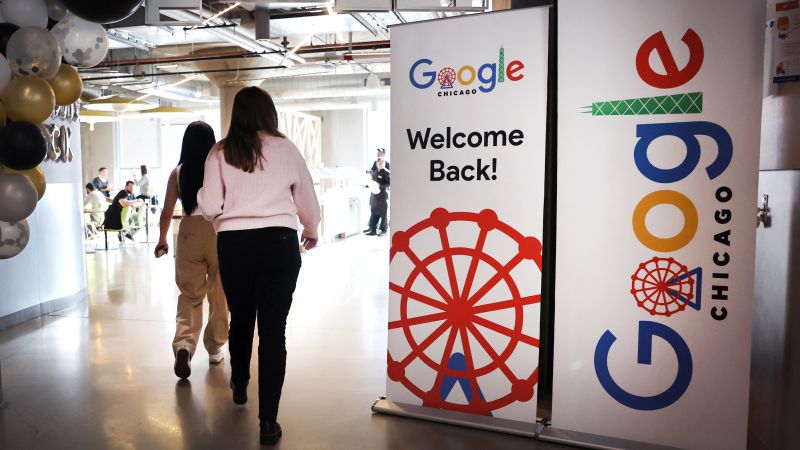
Silicon Valley tech companies, including Google and Amazon, are facing pushback from employees over their return-to-office policies, which require workers to be in-office at least three days a week. Some employees are frustrated with the tracking of office badge attendance and the disregard for their various life circumstances. While some companies, like Salesforce, are taking a gentler approach by offering charitable donations, others are doubling down on their push to get workers in the office. The tug-of-war is compounded by the fact that tech companies have laid off tens of thousands of employees over the past year, leveling a major blow to employee morale.
Google CEO Sundar Pichai's $226 million pay raise and the company's $70 billion stock buyback have sparked employee frustration as the company cuts costs, including the elimination of 12,000 jobs. Internal Google platforms have been filled with conversations and memes criticizing Pichai for taking a pay bump while slashing costs elsewhere. Some employees also criticized the share repurchase, which equaled its 2022 buyback.