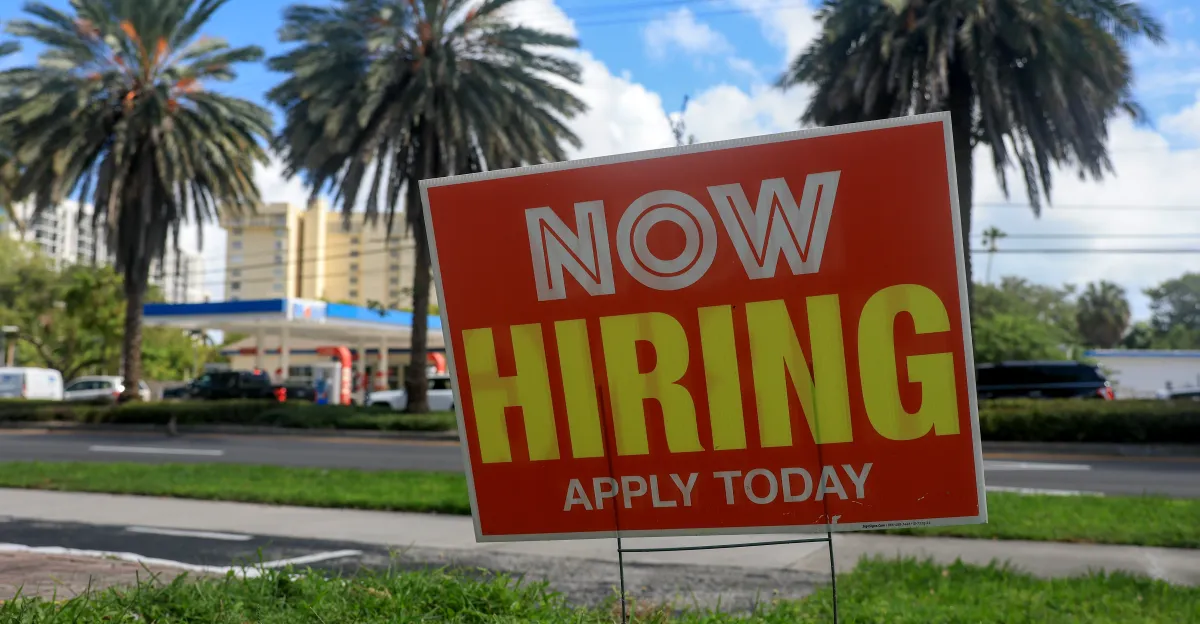
Last year, Trump's tariffs led to the slowest job growth in decades and a rise in unemployment, as businesses hesitated to hire or invest due to policy uncertainty, despite only modest increases in consumer prices.
Despite geopolitical turmoil and President Trump's aggressive actions, the US dollar has remained resilient, reaching a one-month high due to strong job market data and doubts about the extent of upcoming Federal Reserve interest rate cuts, highlighting the unpredictable nature of markets in the Trump era.
The U.S. economy in 2025 was characterized by contradictions such as healthy growth amid slowing hiring, elevated inflation, and rising unemployment, with uncertainties about future trends due to data disruptions and technological impacts like AI potentially leading to a 'jobless expansion.' Economists are cautiously optimistic about 2026, expecting improved hiring and growth, but underlying inequalities and data collection issues remain concerns.
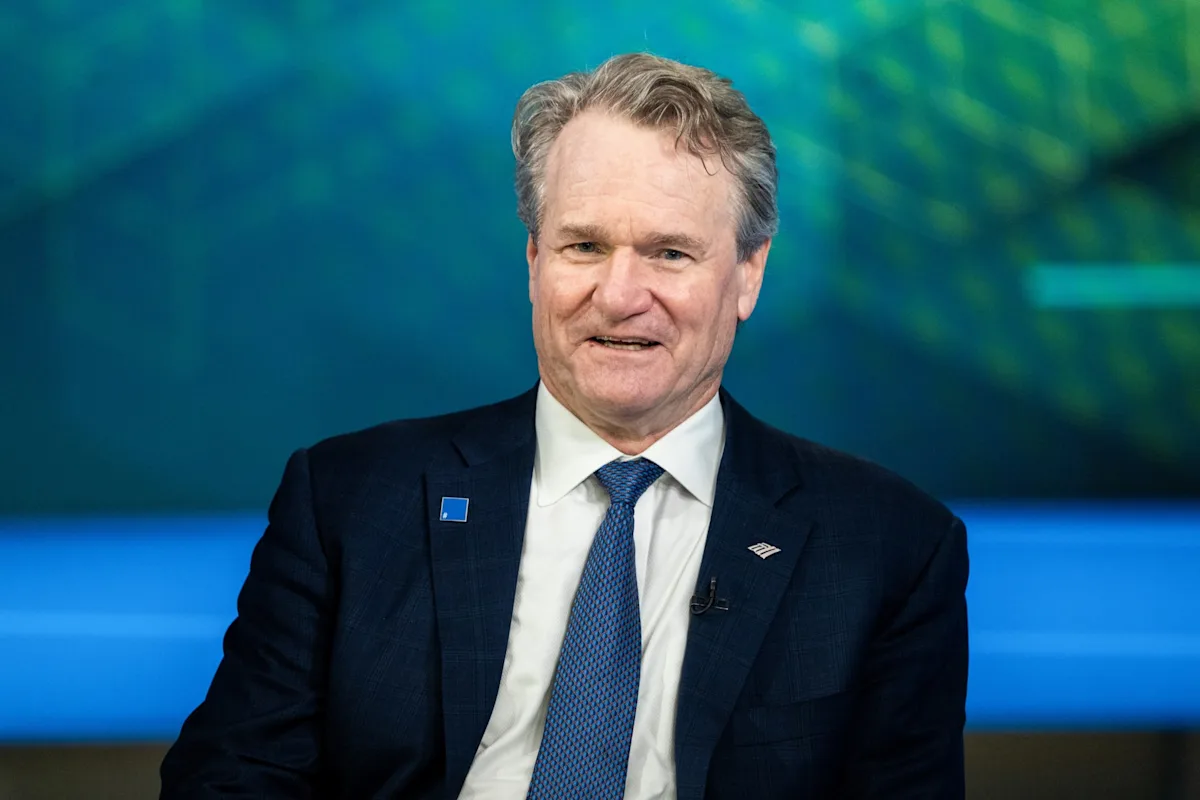
Bank of America CEO Brian Moynihan highlights that while many Gen Z graduates are anxious about AI and job prospects, the bank's recent hiring of 2,000 top grads from 200,000 applications reflects ongoing opportunities. Moynihan encourages young people to harness their fears for future growth, as AI may drive efficiencies and growth in the economy. Meanwhile, experts note that Gen Z faces a challenging job market with low hiring rates, increased automation, and a sense of despair among recent grads, amid broader economic concerns.
Bank of America CEO Brian Moynihan announced the bank hired 2,000 recent Gen Z graduates from 200,000 applications, amid concerns about young people's fears of the future due to AI-driven automation and a challenging job market. Moynihan emphasized harnessing AI for growth and criticized overemphasis on the Fed's role in the economy. Meanwhile, experts highlight that Gen Z faces a 'hiring nightmare' with reduced entry-level opportunities and increased automation, leading many to pursue further education to compete.
Experts predict that the US economy in 2026 will see modest improvements in housing affordability and job growth, with inflation remaining above the Fed's target, leading to cautious optimism about economic stability. The Federal Reserve may continue to cut interest rates, and stock markets could perform well, but concerns about overvalued AI stocks and ongoing inflation challenges persist.
In 2025, the US economy experienced solid growth with resilient consumer spending and investment, but faced challenges such as rising unemployment, sluggish wage growth, and persistent inflation, especially impacting certain demographics and sectors.
In 2025, AI profoundly impacted society by influencing policy, mental health, and the economy, with increased investments and regulatory debates, alongside concerns over safety, mental health risks, and job losses, setting the stage for continued change in 2026.
Despite facing significant challenges in 2025, including inflation, a softer labor market, and geopolitical tensions, the US economy demonstrated remarkable resilience with strong GDP growth and a rising stock market, though underlying issues such as weak job creation and income inequality pose risks for 2026.
Contrary to popular belief, jobs most exposed to AI automation are actually experiencing higher growth and wage increases, with AI enhancing productivity rather than displacing workers. However, young entry-level workers face significant challenges, including reduced job opportunities and layoffs, which may be influenced by broader economic factors rather than AI alone.
2025 was a challenging year for job seekers in the US, with the worst hiring environment since the post-Great Recession era, driven by economic uncertainty, low job growth, and sector-specific struggles, making it a tough year especially for recent graduates and certain industries.
Despite the US economy's fastest growth in two years with a 4.3% GDP increase, many Americans remain pessimistic due to stagnant wages, rising living costs, and concerns over job security, highlighting a K-shaped recovery where the wealthy benefit while others struggle.
Consumer confidence in the US has dropped to its lowest level since April 2025, influenced by concerns over high prices, tariffs, and a sluggish job market, despite some positive outlooks on future financial expectations. The decline reflects ongoing economic uncertainty amid trade tensions and rising interest rates.
In December, US consumer confidence dropped to its lowest level since the rollout of tariffs, driven by concerns over high prices, inflation, and the impact of tariffs, despite some optimism about future financial prospects. The survey indicates ongoing economic uncertainty, with declining perceptions of the job market and current financial situation, amid mixed economic data showing growth in the third quarter but sluggish outlook for the fourth.
Consumer confidence in the U.S. dropped to its lowest level since April 2025, influenced by concerns over high prices, tariffs, and a sluggish job market, with the confidence index falling to 89.1 in December and perceptions of economic stability weakening.