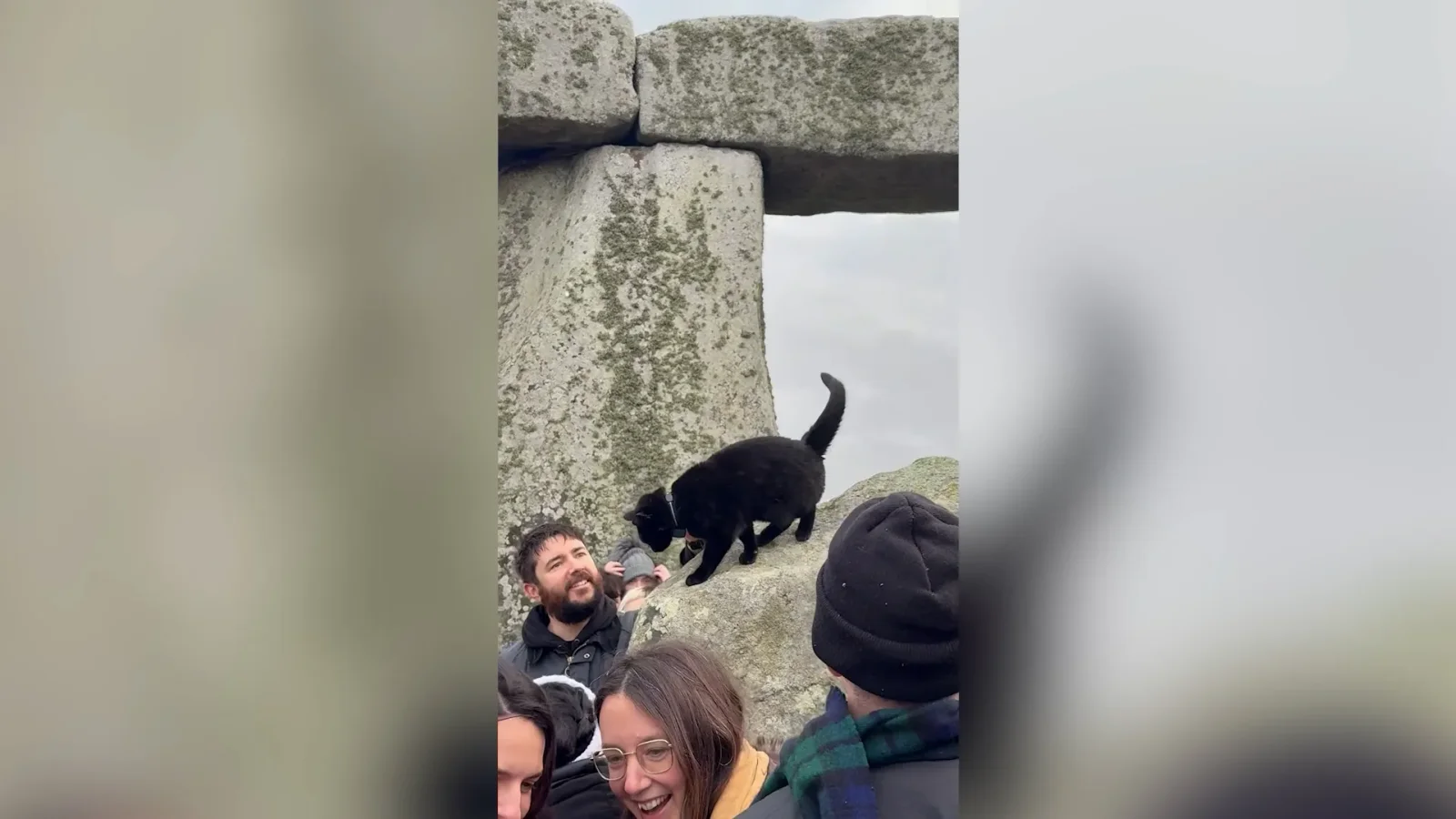
A black cat named Moon stole the show at Stonehenge's winter solstice celebration, with about 8,500 people attending to mark the shortest day of the year, and a viral video capturing the feline's adventurous moment atop the stones.
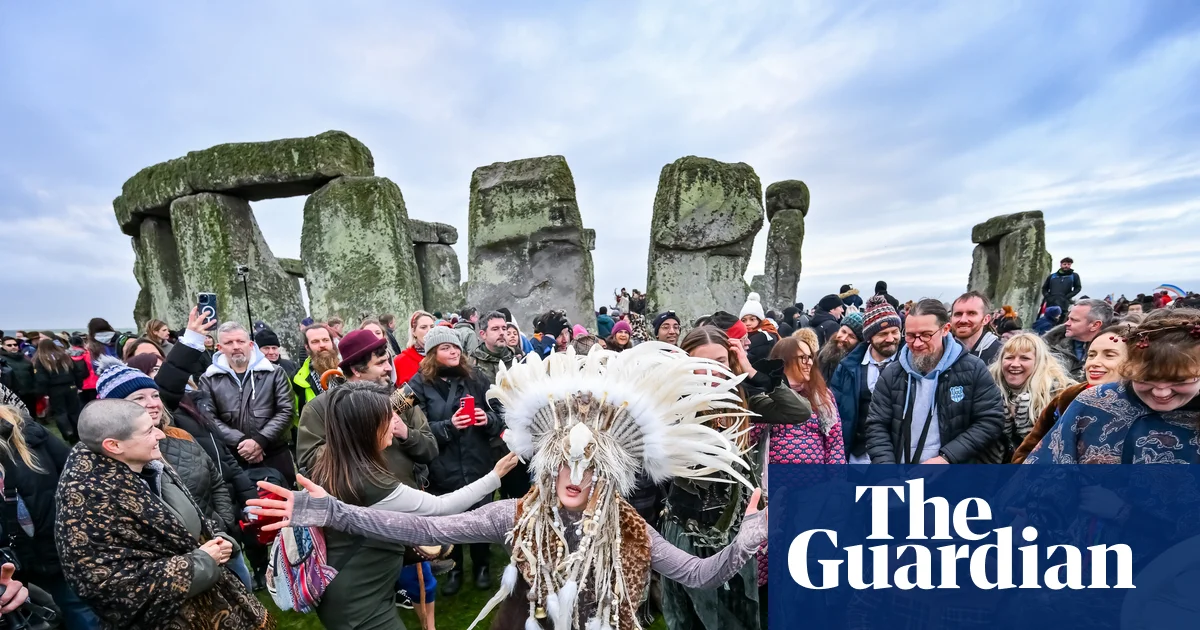
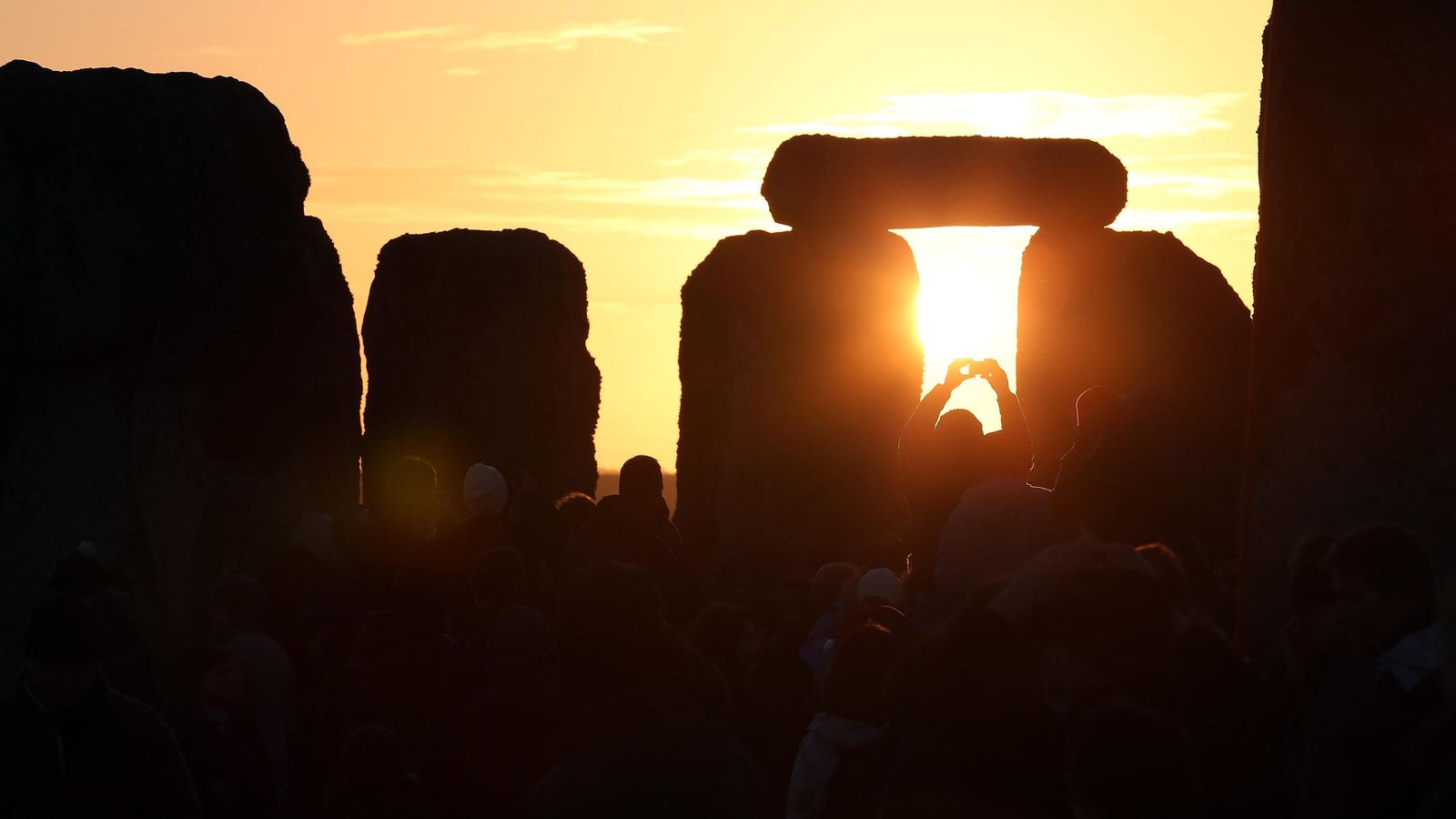
Thousands gathered at Stonehenge to celebrate the winter solstice, marking the shortest day of the year with diverse cultural traditions and a shared appreciation for the site's historical and spiritual significance.
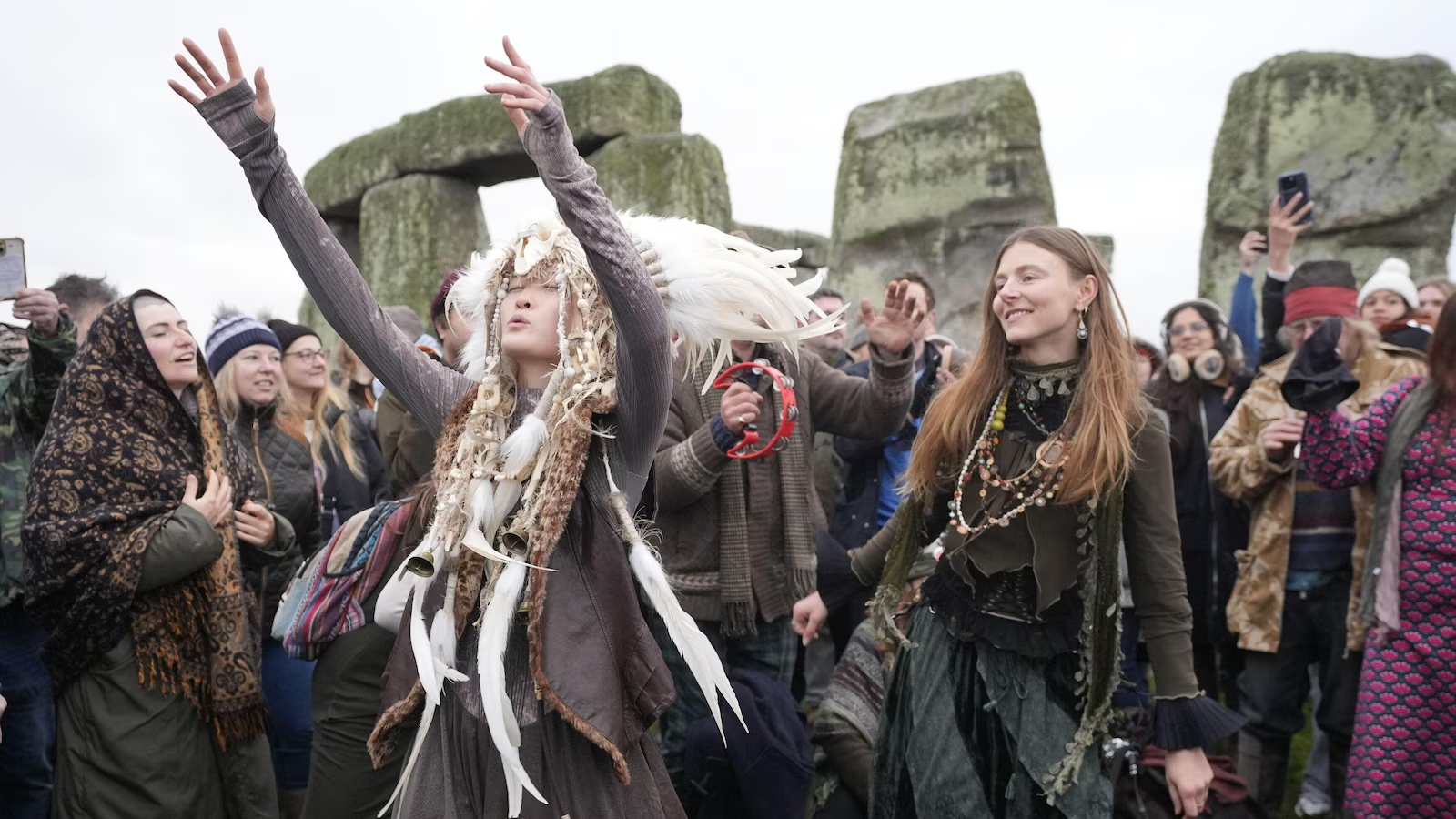
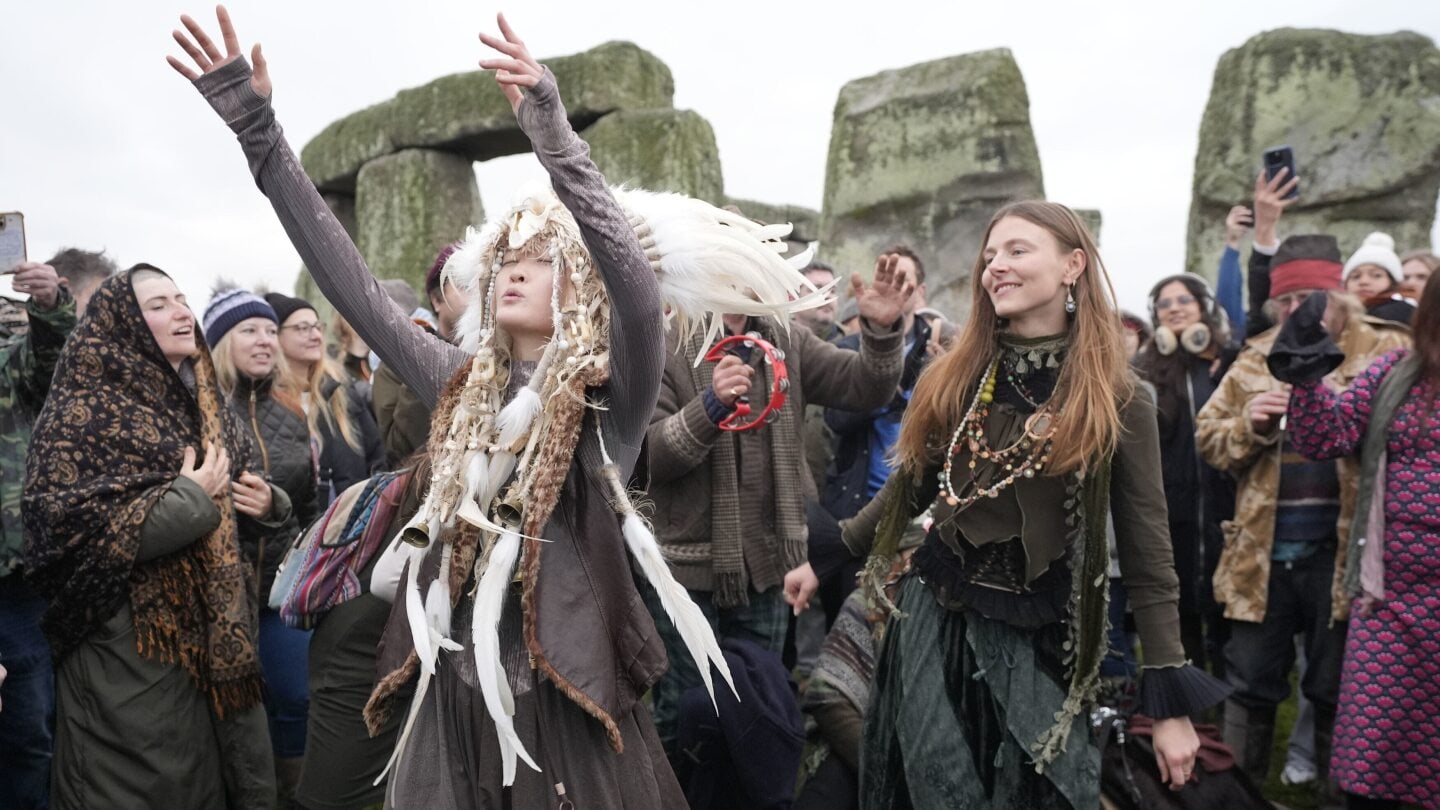
Thousands gathered at Stonehenge to celebrate the winter solstice, marking the shortest day of the year and a time of renewal, with people dancing, singing, and reflecting around the ancient monument.
Thousands gathered at Stonehenge to celebrate the winter solstice, marking the shortest day of the year and the start of astronomical winter, with many viewing it as a spiritual renewal as the sun begins to climb again.
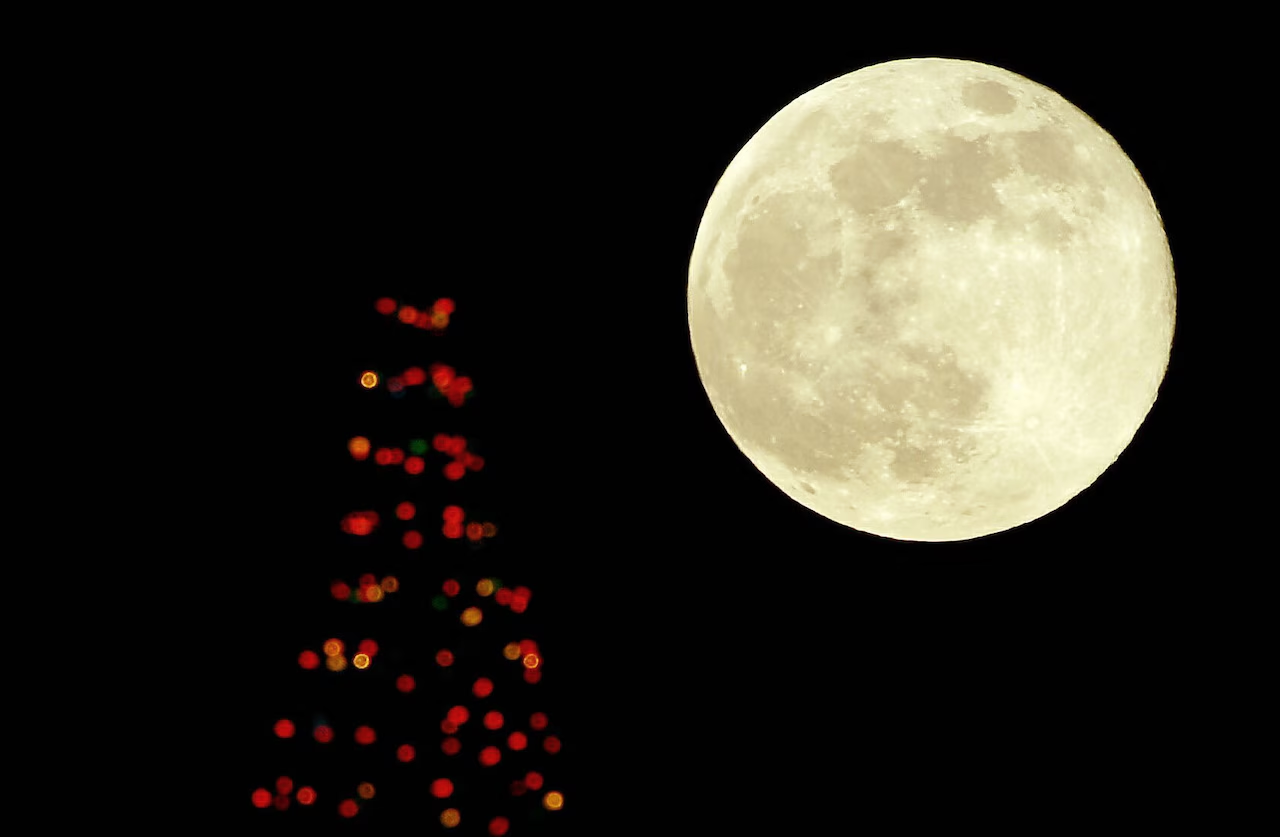
The December 2024 full moon, known as the "cold moon," will illuminate the sky this weekend, reaching its peak brightness early Sunday morning, December 15. Although it won't be a supermoon, it will still be a significant celestial event, coinciding with the Geminid meteor shower, which may be partially obscured by the moonlight. The "cold moon" nickname originates from Native American tribes, reflecting the onset of winter's chilly weather. The moon will be most visible in the northeastern U.S., with specific rise and set times provided for the New York City region.
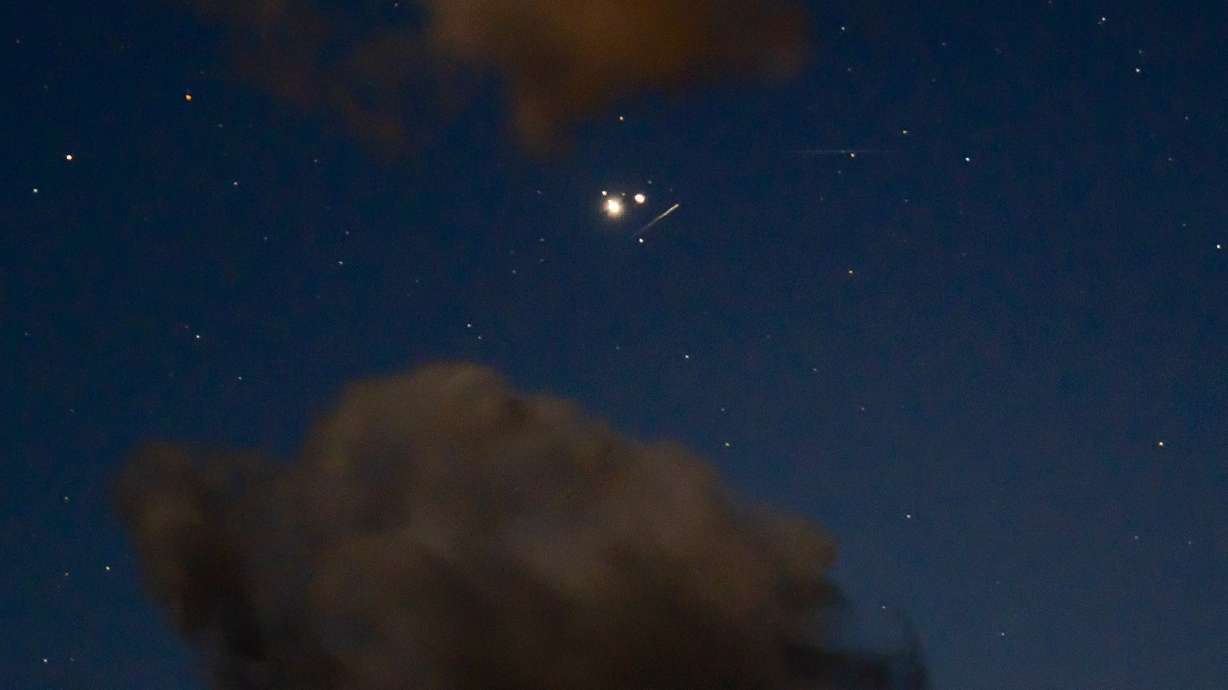
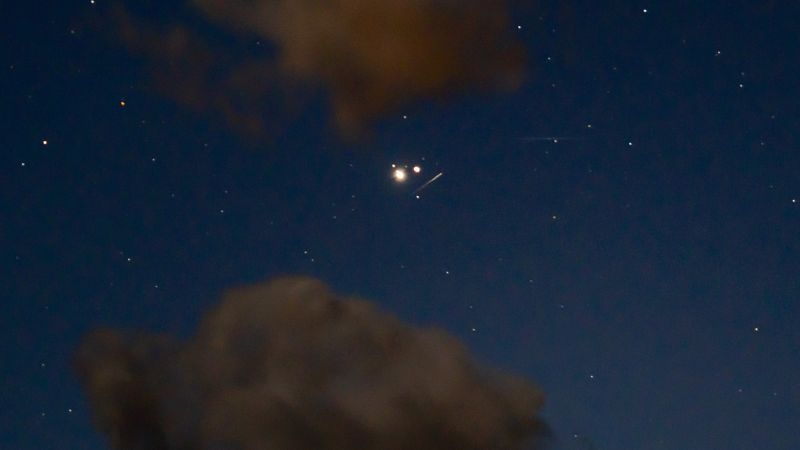
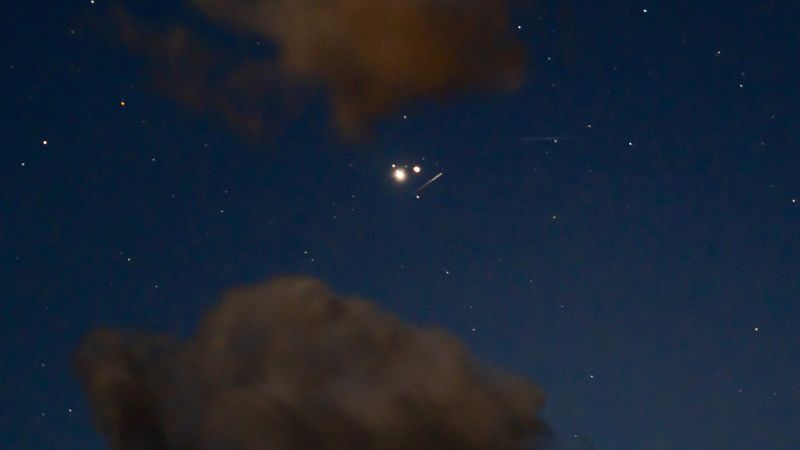
December's night sky offers a celestial spectacle with Venus shining as the "Evening Star," Jupiter at its brightest during opposition, and Mars increasing in brightness. The Winter Triangle, formed by Sirius, Procyon, and Betelgeuse, dominates the sky, while the Geminid meteor shower peaks under challenging moonlit conditions. Key events include Venus pairing with the crescent Moon, Jupiter flanked by the Moon and Aldebaran, and Mars nearing opposition. The winter solstice on December 21 marks the start of the new season.
The coldest time of the year typically occurs about a month after the winter solstice, despite it being the darkest day, due to Earth's tilt and the way it retains heat. This phenomenon, known as 'seasonal lag,' happens because physical objects like oceans and land retain warmth longer than the air. Proximity to large bodies of water can further influence temperature variations and delay the coldest or warmest periods.
The Ursids meteor shower, the last meteor shower of the year, will peak on the evening of the winter solstice, December 21st, and continue into the early morning hours of December 22nd. Skygazers in the Northern Hemisphere, especially those in Alaska or Northern Canada, will have the best view. The meteor shower is expected to produce around five to 10 meteors per hour during its peak, with the best viewing time between 3 a.m. and dawn local time on Friday. No special equipment is needed to view the meteor shower, and casual skygazers can contribute to data collection by reporting their sightings to the American Meteor Society.
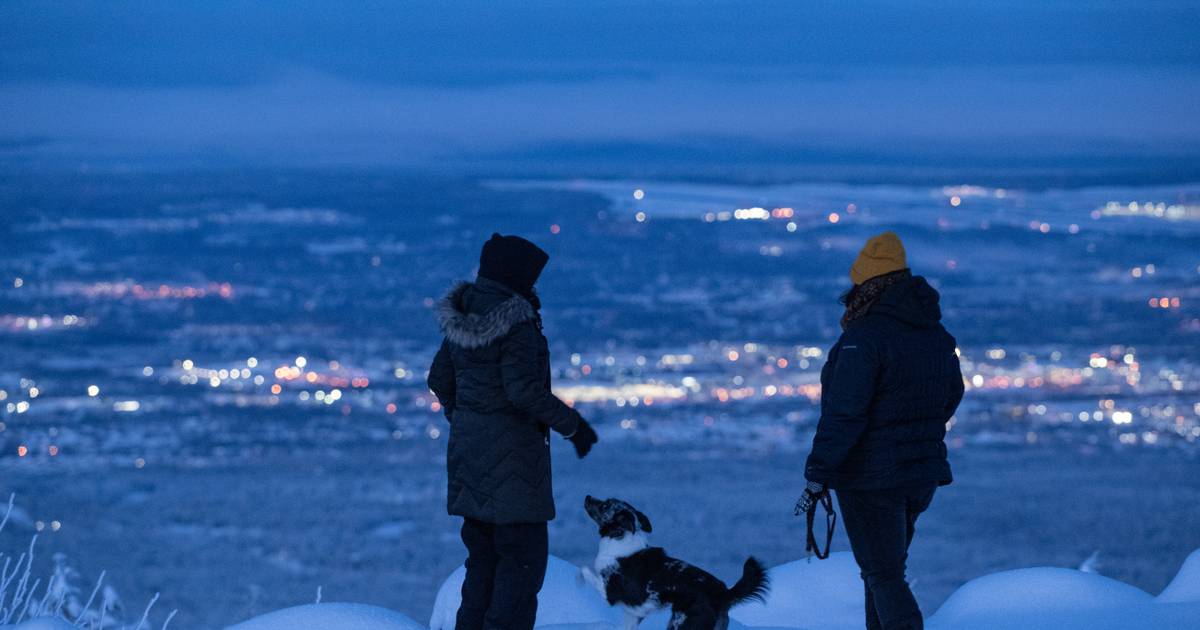
As the winter solstice brings the shortest daylight day of the year, residents of Anchorage, Alaska, are dealing with just over 5 hours of sunlight. The dark and gloomy winter season can have a significant impact on people's moods, with the lack of natural light causing feelings of gloom and haze. However, the city's artificial lights, including neon signs, holiday displays, and illuminated roadways, provide a contrast to the darkness. Despite the challenges, Anchorage residents are looking forward to gaining a few seconds of daylight and anticipating a brighter future.
The Ursids meteor shower, the last celestial event of 2023, will peak on the evening of the winter solstice, offering sky-gazers in the Northern Hemisphere the chance to see around five to 10 meteors per hour. The best viewing time will be between 3 a.m. and dawn local time on Friday, after the moon has set. No special equipment is needed, and even casual observers can contribute to scientific research by reporting their meteor sightings to the American Meteor Society.
The Ursids meteor shower, the last celestial event of 2023, will peak on the evening of the winter solstice, offering sky-gazers in the Northern Hemisphere the chance to see around five to 10 meteors per hour. The best viewing time will be between 3 a.m. and dawn local time on Friday, after the moon has set. No special equipment is needed, and even casual observers can contribute to scientific research by reporting their meteor sightings to the American Meteor Society.
The winter solstice, the shortest day and longest night of the year, will occur on Thursday at 10:27 p.m. ET, marking the first day of winter. Historical monuments like Stonehenge in England and Newgrange in Ireland will livestream the event. Different cultures around the world celebrate the winter solstice in their own ways, with traditions such as Yule, Yalda, Soyal, and Dongzhi. The timing of the seasons is determined by both astronomical and meteorological factors, with the exact date of the winter solstice varying each year.
The winter solstice, which marks the shortest day and longest night of the year, is celebrated in various ways around the world. Some traditions include the Iranian Yalda night, where families gather to read poetry and welcome the returning sun; the Chinese Dongzhi festival, which signifies the transition from yin to yang energy and is celebrated with family and a hearty meal; Peru's Inti Raymi festival, honoring the Incan sun god with feasts and mock sacrifices; the Native American Hopi tribe's Soyal ceremony, involving gift-giving, dancing, and purification rituals; and Japanese customs such as taking a hot bath with yuzu and eating foods believed to bring good luck.
Shanghai experienced bitter cold temperatures on Thursday, with forecasts predicting even colder weather on Friday, potentially reaching minus 5 to minus 7 degrees Celsius in some suburbs. The Shanghai Meteorological Bureau issued a yellow cold alert, warning of freezing conditions and temperatures around minus 4 degrees in downtown areas. As the Winter Solstice approaches, people are advised to wear warm clothing. The weekend will remain sunny but freezing, with temperatures gradually climbing during the day. Next week, Shanghai is expected to have sunny days with temperatures rising above 10 degrees.
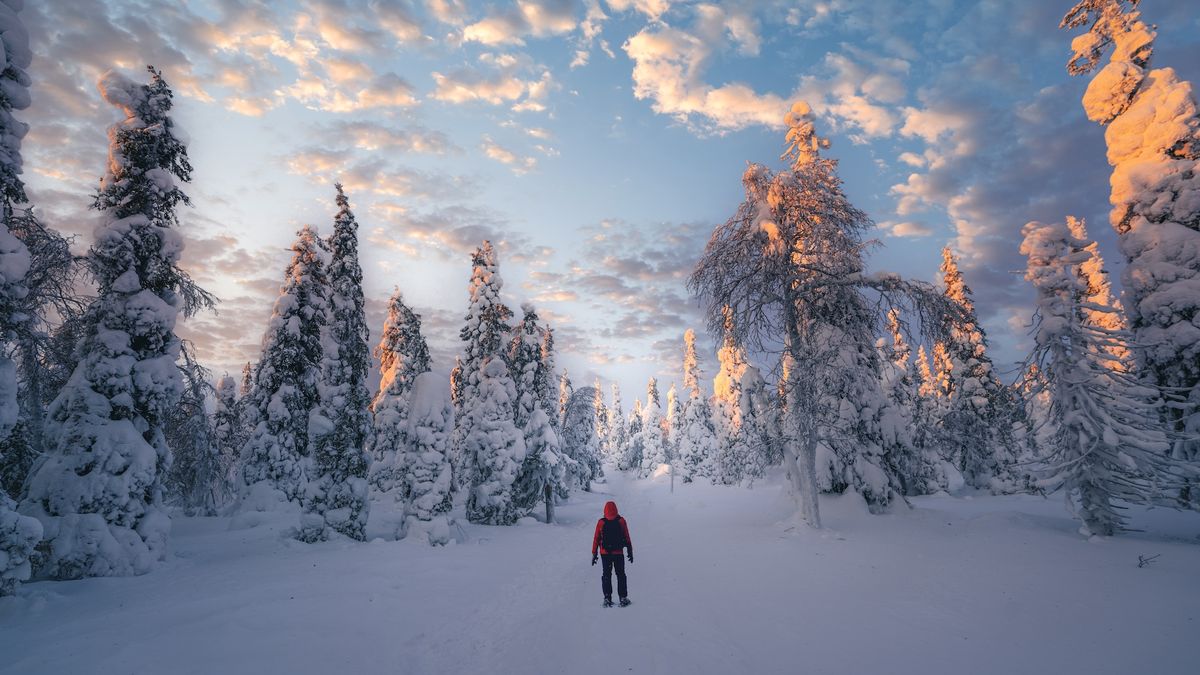
The winter solstice, the shortest day and longest night of the year in the Northern Hemisphere, will occur on December 21 at 10:27 p.m. Eastern time. During the solstice, the sun appears directly over the Tropic of Capricorn, marking the beginning of astronomical winter. The solstice happens because Earth's axis is tilted, causing each hemisphere to receive different amounts of sunlight. After the solstice, the position of sunrise and sunset gradually shifts northward, resulting in longer days. Various cultures have celebrated the solstice throughout history, and landmarks like Stonehenge were built to mark the sun's changing path in the sky.