
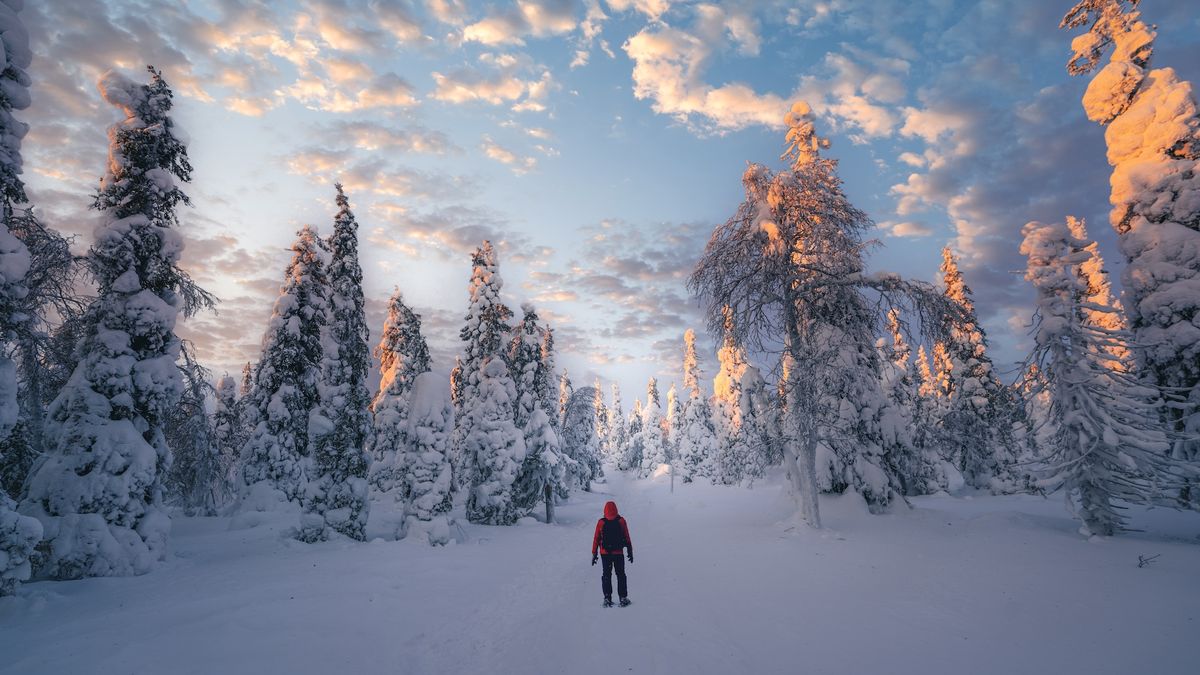
Why Winter's Coldest Days Lag Behind the Darkest
The coldest time of the year typically occurs about a month after the winter solstice, despite it being the darkest day, due to Earth's tilt and the way it retains heat. This phenomenon, known as 'seasonal lag,' happens because physical objects like oceans and land retain warmth longer than the air. Proximity to large bodies of water can further influence temperature variations and delay the coldest or warmest periods.