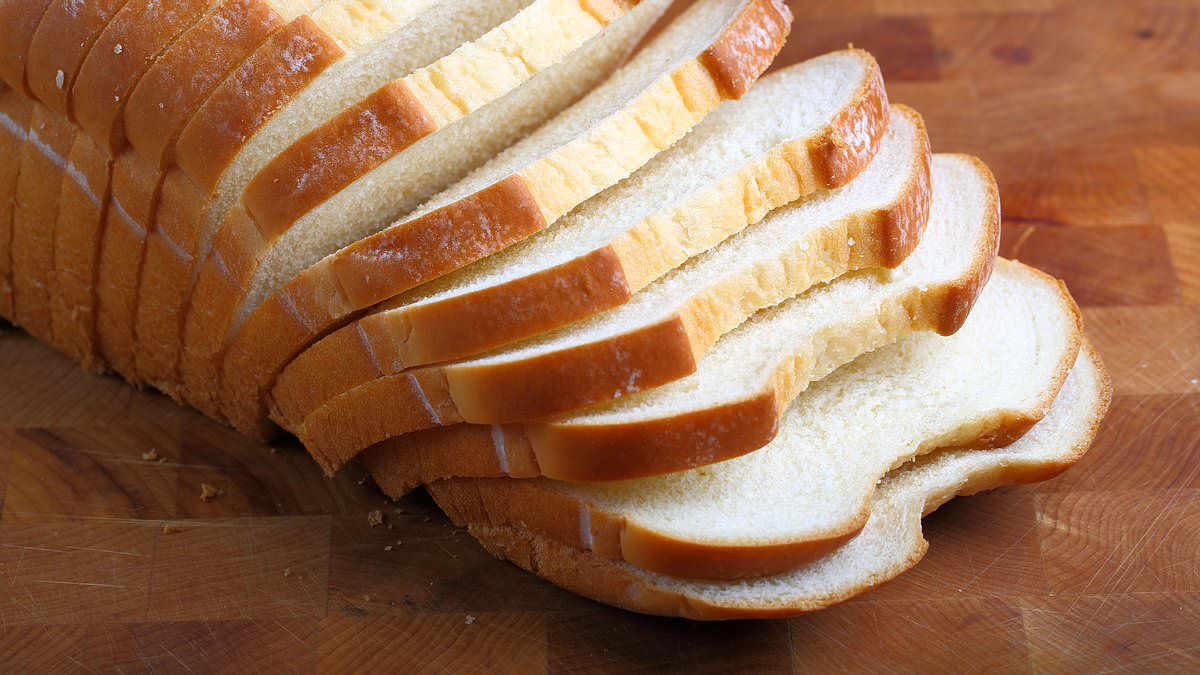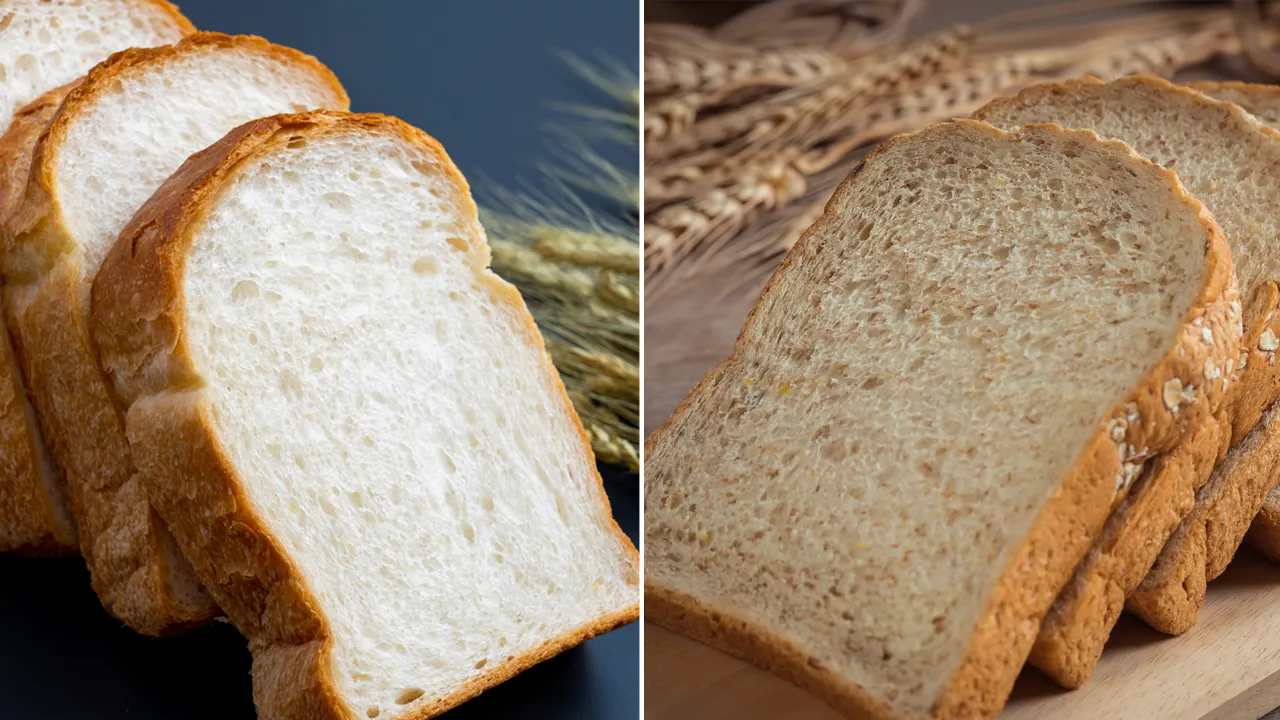
Research indicates that consuming whole-grain, rye, or non-white bread may reduce colorectal cancer risk and overall cancer mortality, while white bread is more consistently linked to higher colon and rectal cancer risk. The potential risks from compounds like acrylamide are outweighed by the protective effects of fiber and antioxidants in nutrient-rich breads. Choosing healthier bread options and maintaining a balanced diet are recommended for long-term health.
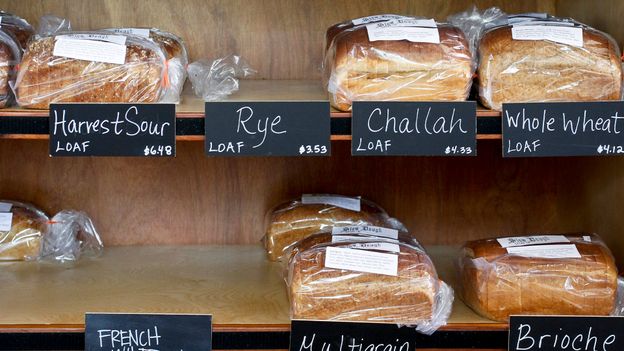
The article compares sourdough and white bread, highlighting that sourdough is generally healthier due to its natural fermentation process and fewer additives, while most supermarket breads are ultra-processed with additives that may be less healthy. Wholegrain bread offers additional health benefits, and a new type of enriched white bread is being developed to combine the benefits of both. Choosing bread wisely involves considering ingredients, processing methods, and personal preferences.
Dietitians argue that white bread isn't as unhealthy as it's made out to be, emphasizing that it's the additives and overall fibre intake that matter more. They suggest that consuming white bread with fat, protein, and vegetables can lessen its impact on blood sugar levels. While mass-produced white loaves are considered ultra-processed foods, they are fortified with essential vitamins and minerals. Experts recommend opting for wholemeal bread and incorporating a balanced diet with starchy carbohydrates, fruits, vegetables, proteins, and healthy fats.
Dr. Karan Rajan, a UK surgeon, suggests a clever hack to make white bread healthier by freezing it, defrosting it, and then toasting it, which can reduce the bread's glycemic index by almost double. Lowering the glycemic index leads to a more gradual rise in blood sugar levels and the formation of beneficial resistant starch. Dr. Rajan also recommends other ways to increase resistant starch intake, such as consuming green, unripe bananas and apple cores for improved gut health.
Consuming certain foods and drinks, such as alcohol and white bread, can increase the risk of developing colorectal cancer (CRC), according to a study. On the other hand, fiber, calcium, magnesium, phosphorus, manganese, and carbohydrate intake were found to lower the risk. The study highlights the importance of adopting a healthy lifestyle and dietary habits, including limiting alcohol consumption and choosing a diet rich in high-fiber foods, to mitigate the risk of cancer. However, further studies are needed to validate these findings on a wider population.
Consuming certain foods and drinks, such as alcohol and white bread, may increase the risk of developing colorectal cancer (CRC), according to a study published in the journal Nutrients. Researchers analyzed 139 dietary factors and found that alcohol and white bread were associated with an increased risk of CRC, while fiber, calcium, magnesium, phosphorus, manganese, and carbohydrate intake were associated with a lower risk. The study highlights the importance of adopting a healthy lifestyle and dietary habits to mitigate the risk of cancer, although further research is needed to validate these findings in diverse populations.
Consuming certain foods and drinks, such as alcohol and white bread, can increase the risk of developing colorectal cancer (CRC), according to a study. Researchers analyzed 139 dietary factors and found that alcohol and white bread were associated with an increased risk of CRC, while fiber, calcium, magnesium, phosphorus, manganese, and carbohydrate intake were found to lower the risk. The study highlights the importance of adopting a healthy lifestyle and dietary habits to mitigate the risk of cancer, although further studies are needed to validate these findings on a wider population.
When it comes to choosing between white bread and whole wheat bread, experts agree that whole wheat bread is the healthier choice. Whole wheat bread contains more fiber and important nutrients from the bran and germ, which are good for digestion and energy levels. On the other hand, white bread is made from refined wheat flour and lacks fiber, vitamins, and minerals. It can cause spikes in blood sugar due to its high glycemic index. When buying bread, look for labels that say "100% whole wheat" or "whole grain" to ensure you're making a healthy choice. Other healthy bread options include multigrain, sprouted grain, rye, sourdough, and gluten-free breads. It's important to consult with a healthcare professional or registered dietitian for personalized advice on choosing the best bread for your individual nutritional needs.
When it comes to choosing between white bread and whole wheat bread, experts agree that whole wheat bread is the healthier choice. Whole wheat bread contains more fiber and important nutrients from the bran and germ, which are good for digestion and energy levels. On the other hand, white bread is made from refined wheat flour, which strips away fiber, vitamins, and minerals. It also has a higher glycemic index, causing quicker spikes in blood sugar. When buying bread, look for labels that say "100% whole wheat" or "whole grain" and avoid added sugars and artificial additives. Other healthy bread options include multigrain, sprouted grain, rye, sourdough, and gluten-free breads. It's important to consult with a healthcare professional or registered dietitian for personalized advice on choosing the best bread for your nutritional needs.
White bread is the worst ultra-processed food for weight loss due to its refined carbs, lack of fiber, and low nutritional value. Eating it regularly can lead to weight gain and a range of health issues. Instead, experts recommend consuming 100% whole grain or sprouted bread in moderation, especially those with nuts and seeds, to add healthy fiber to the diet. It's best to fill meals with whole, nutritious foods rather than processed options for a healthier body.