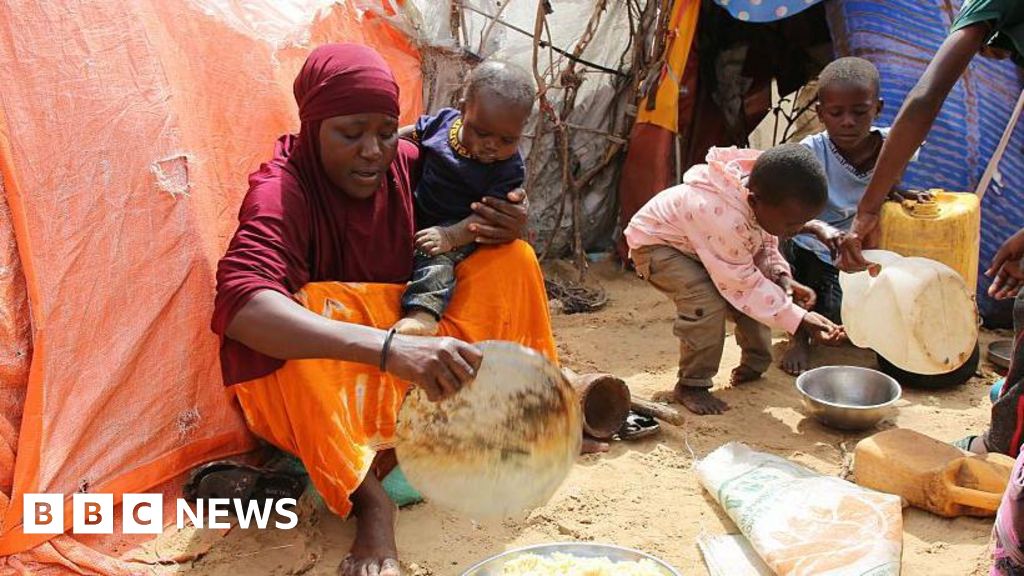
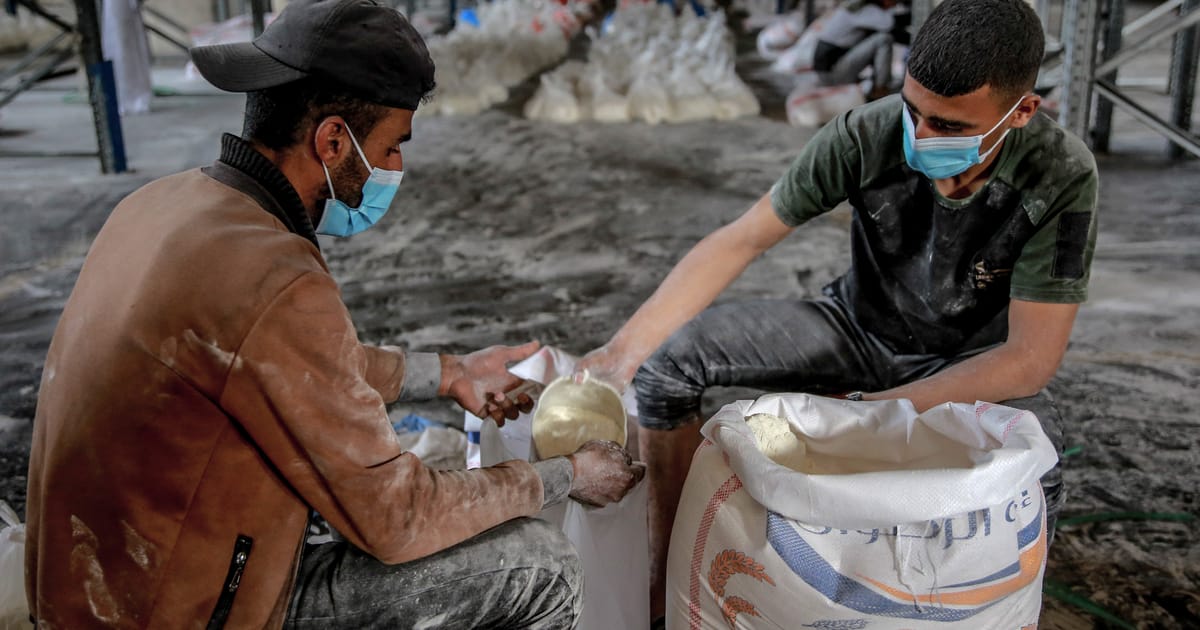
The US has suspended aid to Somalia after allegations that Somali officials destroyed a UN warehouse and seized food aid, which Somalia denies, claiming the warehouse was damaged during port expansion. The US, a major contributor to WFP, demands accountability before resuming assistance amid ongoing conflict and drought in Somalia.
Cindy McCain suffered a minor stroke in Italy while visiting the UN World Food Programme headquarters, but has since recovered and returned home to Arizona to continue her recuperation, emphasizing her confidence in her organization's work despite her health scare.
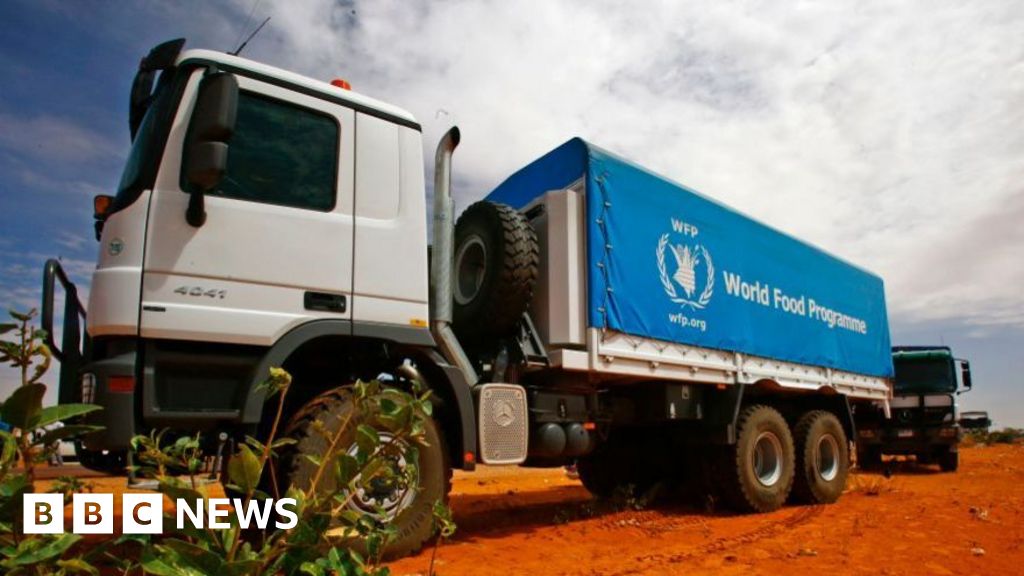
Sudan's army denies bombing a World Food Programme convoy in Darfur, amid ongoing civil war between the army and RSF, which has led to a severe humanitarian crisis, with aid deliveries frequently targeted and thousands dead or displaced.
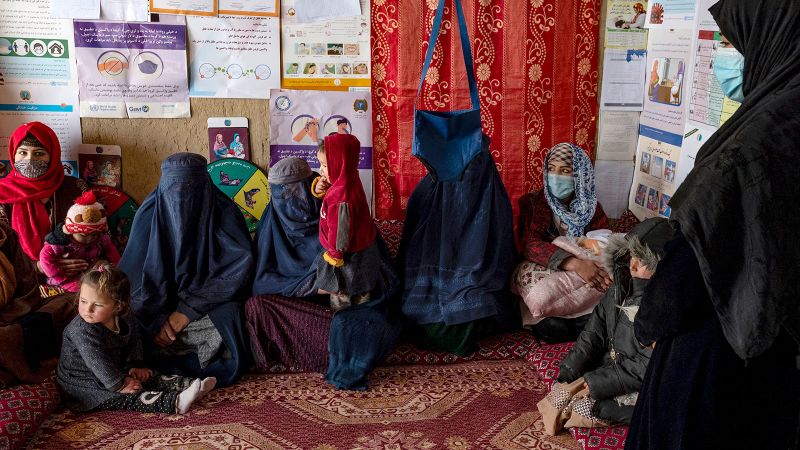
Afghanistan is experiencing its worst surge in child malnutrition, with nearly 10 million people facing food insecurity, exacerbated by reduced international aid, climate change, and mass returns from neighboring countries, prompting urgent calls for $539 million in aid to support vulnerable families.
Cindy McCain, executive director of the World Food Programme, warns that Gaza is on the brink of famine, with about half the population facing catastrophic hunger and starvation. The WFP has food for 1.1 million people for three months amassed on the border and emphasizes the importance of border crossings to deliver aid. The situation in Gaza continues to grow more dire, with reports of Israel withdrawing some troops from southern Gaza raising questions about aid delivery.
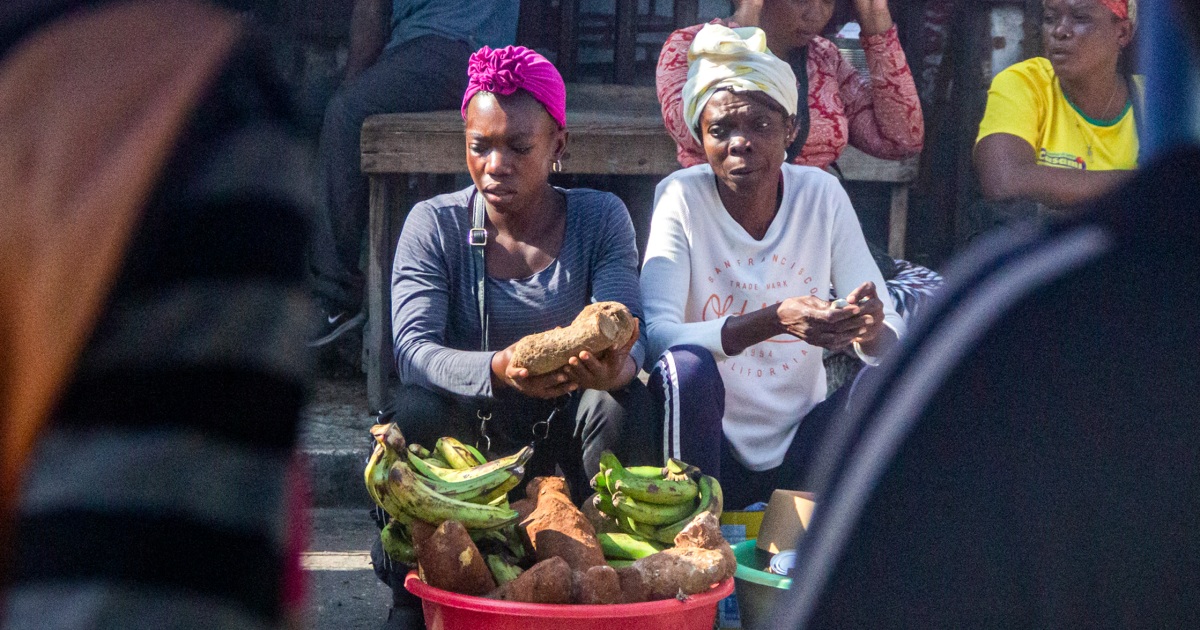
Gang violence, inflation, and poor harvests have pushed Haiti to its worst levels of food insecurity on record, with almost half of the population struggling to feed themselves. The Integrated Food Security Phase Classification reported that about 4.97 million people out of a population of 11.5 million were facing crisis or worse levels of food insecurity, with eight areas now assessed to be in an emergency phase. The World Food Programme stated that operations were "woefully under-funded," and more than 30,000 people have fled violence and shortages in the capital in just two weeks this month. Gangs now control nearly 90% of the capital, with basic errands impossible and key infrastructure closed, leading to a dire humanitarian crisis.
The World Food Programme chief has urged Israel to open its border to life-saving aid for Palestinians in Gaza, warning that famine is imminent and more than a million people could face catastrophic conditions by mid-July if Israeli forces attack Rafah. The call comes as the International Criminal Court's early warning system highlights the urgent need for humanitarian assistance in the region.
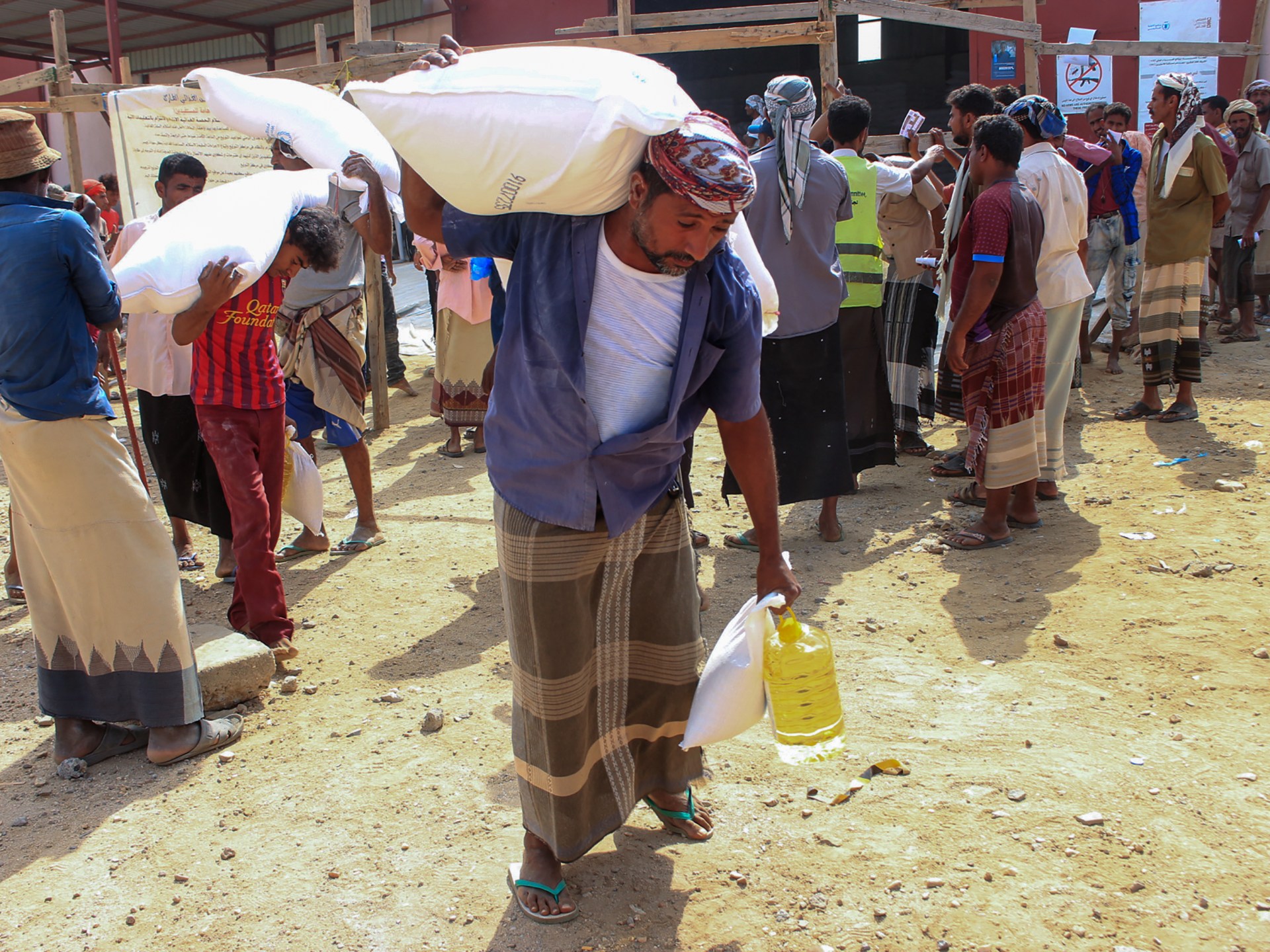
The World Food Programme (WFP) has suspended food distribution in Houthi-controlled areas of northern Yemen due to limited funding and disagreements with the group over how to prioritize aid. The decision comes after failed negotiations to reduce the number of people in need of assistance. Food stocks in these areas are nearly depleted, and even with an immediate agreement, it could take up to four months to resume food assistance due to supply chain disruptions. The WFP will continue other programs as long as it has sufficient funding and cooperation from authorities in Sanaa. Food distribution in government-controlled areas will continue, targeting the most vulnerable families.
A Jordanian national working for the World Food Programme (WFP) in Yemen was shot and killed in Turbah. The identity of the assailants is unknown. The city of Taiz, where the WFP staffer was due to assume a new role, has been under siege by Houthi rebels for seven years, leading to a blockade of essential goods and humanitarian supplies. The UN estimates that 17 million people in Yemen are food insecure, and WFP's food assistance is crucial to prevent potential famine. The agency described the deceased staffer as a dedicated humanitarian, and his loss is a profound tragedy for the organization and the humanitarian community.
The World Food Programme (WFP) has resumed its operations in Sudan after pausing them due to the killing of three staff members. The security situation is still precarious, and WFP is considering locations where humanitarian access is assured while taking security, capacity, and access-related considerations into account. The conflict has turned the humanitarian crisis in Sudan into a full-blown catastrophe, with more than 15 million people already facing severe food insecurity prior to the conflict. The UN Secretary-General has dispatched his most senior aid official to the region, and the UNHCR estimates that some 73,000 people have already fled to neighboring countries.
Three World Food Programme (WFP) employees were killed and two others injured in an attack in North Darfur, Sudan. In a separate incident, a WFP-managed UN Humanitarian Air Service aircraft was significantly damaged at Khartoum International airport. As a result, WFP has temporarily halted all operations in Sudan. The organization demands immediate steps to guarantee the safety of its teams and partners, emphasizing that aid workers are neutral and should never be a target.