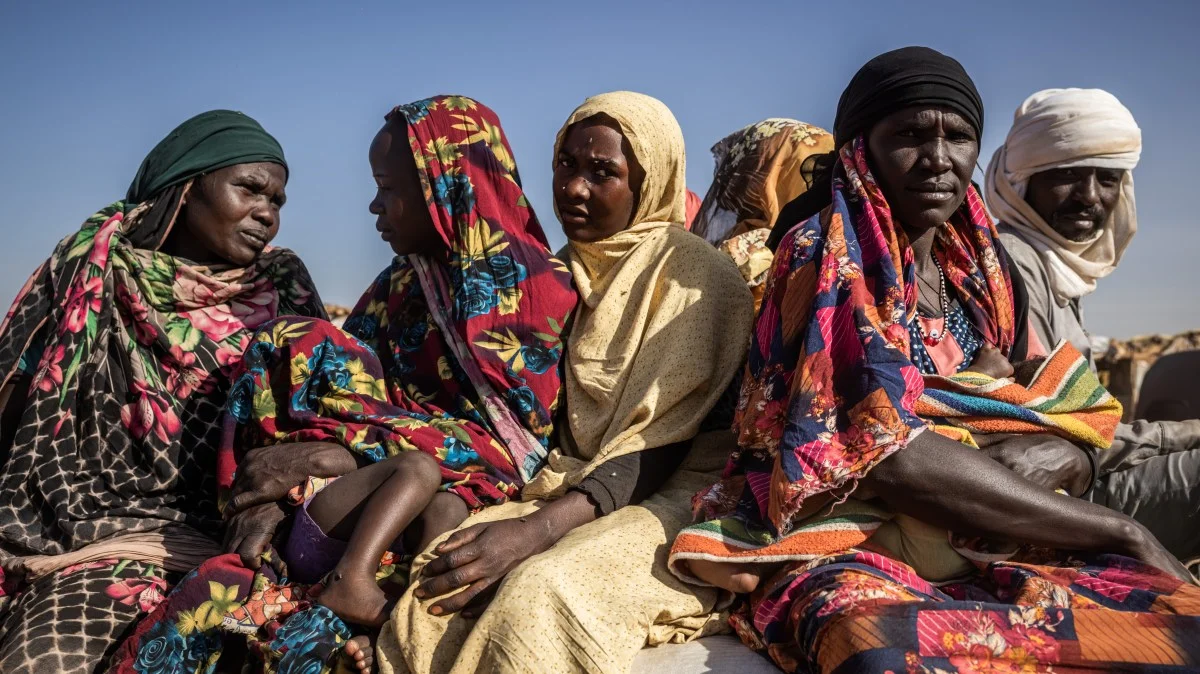
Chad closed its eastern border with Sudan until further notice to prevent the conflict from spreading after fighting near al‑Tina, saying exceptions may be granted for humanitarian reasons. The move comes as almost a million Sudanese have crossed into Chad since 2023, with casualties reported in border clashes; Chad denies aiding the RSF and warns it may retaliate against aggression.
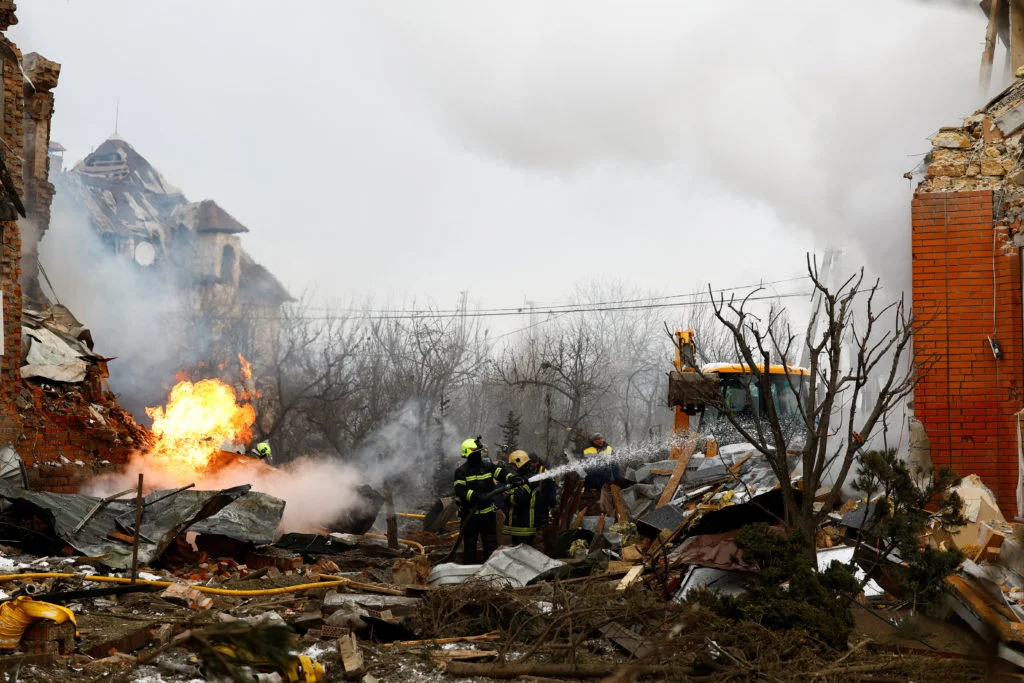
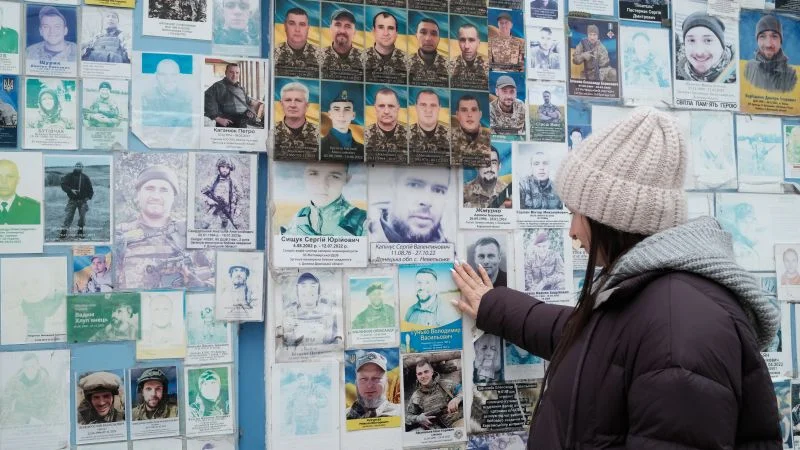
Four years into Russia’s invasion of Ukraine, the war shows little sign of ending, with massive casualties, widespread displacement, and only modest battlefield gains. CSIS estimates up to 1.8 million military casualties across both sides (Russia ~1.2 million; Ukraine ~500,000–600,000). Civilian tolls include about 15,000 dead and more than 40,000 injured, with 2,514 civilian deaths in 2025 alone. About 5.9 million Ukrainians have fled abroad and millions more are displaced internally; Russia occupies roughly 19.4% of Ukrainian land, up from about 7% before the invasion. Foreign military aid to Kyiv fell ~13% in 2025 versus the 2022–24 average, though Europe stepped up while U.S. weapons funding waned. Health-care facilities have been hit in 2,881 attacks. The data underscore a grinding conflict with heavy costs and uncertain prospects for a breakthrough.
Four years into the war, Leleka maternity hospital near Kyiv continues delivering babies, a symbol of resilience as Russian advances and bombardment persist. Parents describe childbirth in wartime as a patriotic act, while Ukraine’s birthrate has plunged (2,300 deliveries in 2020; 868 in 2022; 952 in 2023), contributing to a looming demographic crisis that could shrink the population from about 41 million to 30–32 million. The government has boosted incentives for new mothers, some who fled abroad have returned, and a new generation is being born despite insecurity, reflecting Ukraine’s resolve and the broader implications for Europe.
Years of war have driven Ukraine to one of the world’s worst demographic crises: birth rates have collapsed, millions have fled or been killed, and about 10 million people have been lost since 2014, with 59,000 children living without biological parents. Fertility experts report poorer egg and sperm quality and more chromosomal abnormalities linked to stress, while six million people remain abroad as refugees, signaling a looming brain drain. Amid the tragedy, widows are forming support networks and contributing to rebuilding, and clinics warn the war is affecting pregnancy outcomes. Personal stories—like Olena Bilozerska, who froze an embryo and later welcomed son Pavlo—offer a glimmer of hope amid the devastation.
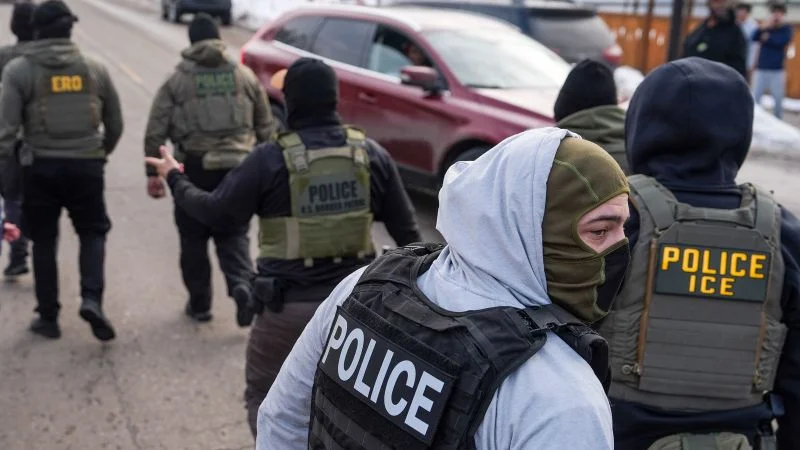
The Department of Homeland Security issued a memo directing federal immigration agents to arrest refugees who have not yet obtained green cards and detain them indefinitely for re-screening, a dramatic policy shift that reverses decades of protections and threatens tens of thousands who entered during the Biden administration; resettlement groups say the guidance upends protections and endangers refugee families.
A DHS memo proposes detaining refugees who are legally in the U.S. but awaiting green-card reviews for the full duration of their review, potentially affecting tens of thousands and expanding a prior enforcement push under Operation PARRIS. The plan has drawn immediate legal challenges in Minnesota, where a temporary restraining order has blocked similar actions, as advocates warn it undermines the vetting process and due process for refugees.
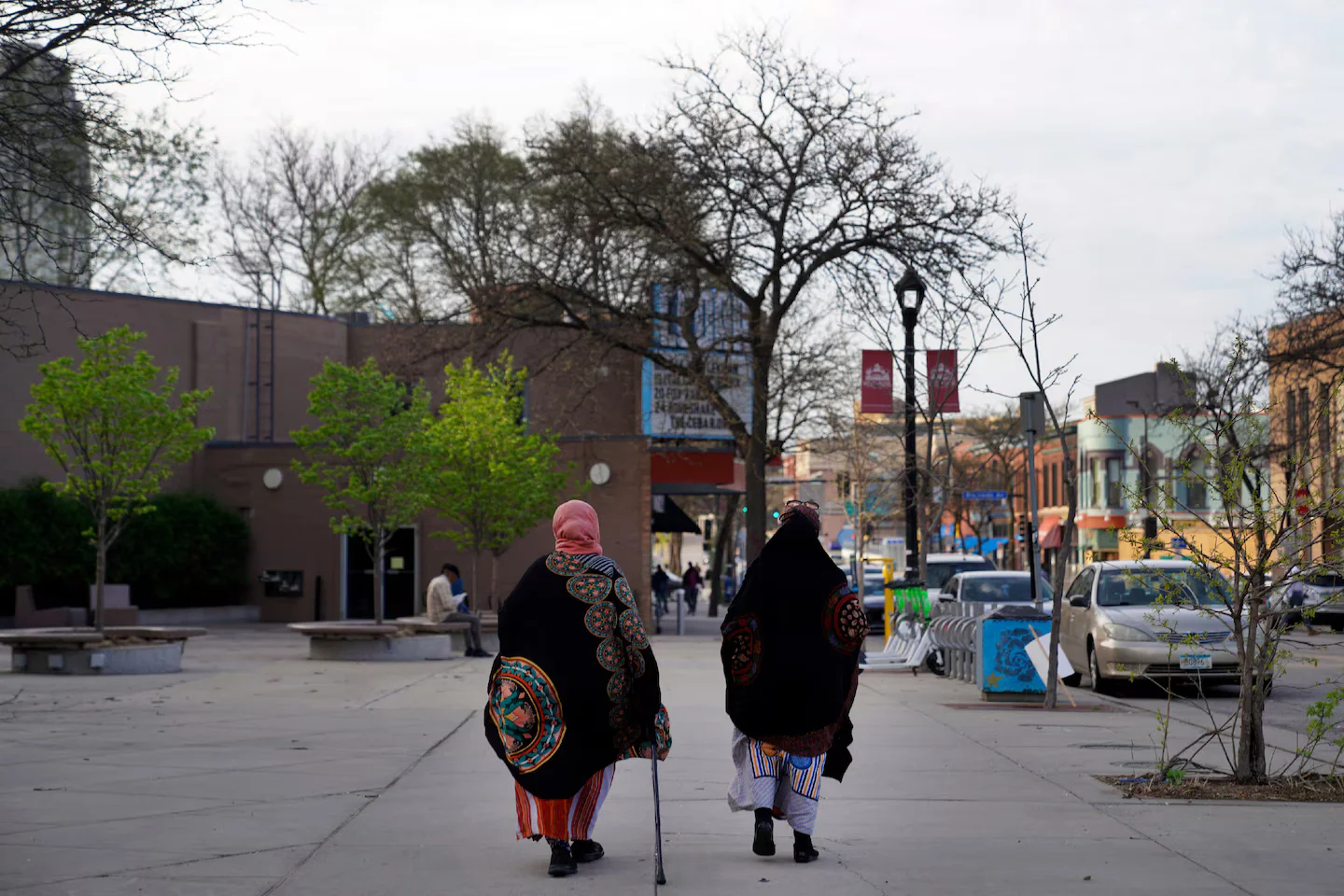
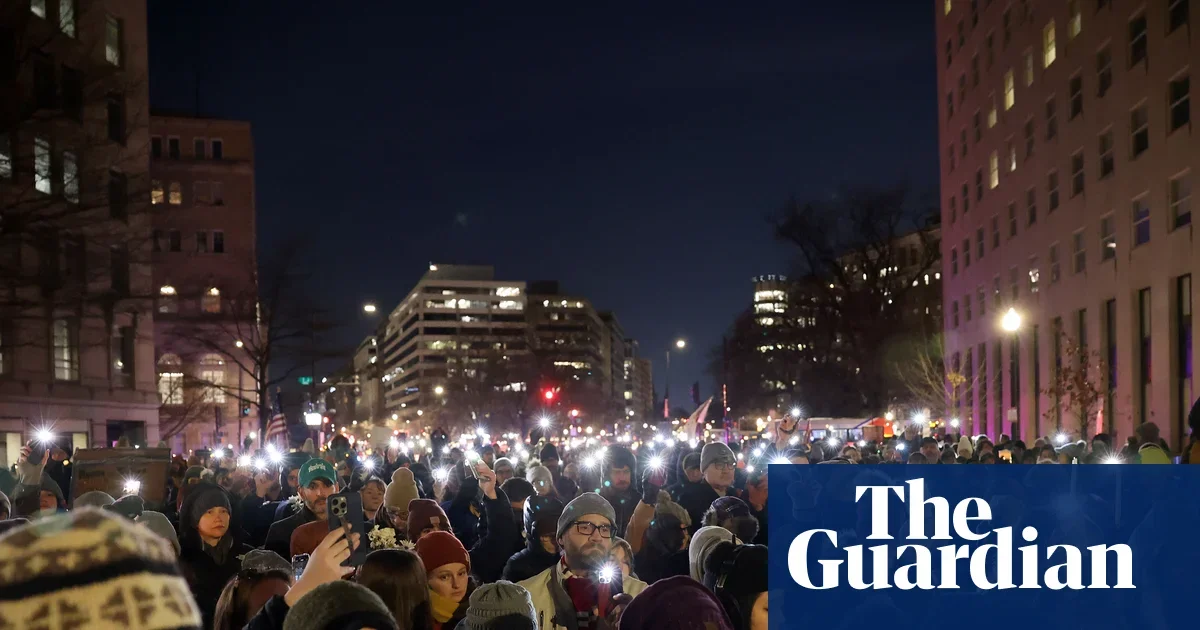
A new Trump administration order could lead to the detention of thousands of legally admitted refugees in the United States, sparking protests such as a Minnesota rally urging leaders to back economic recovery amid the crackdown.
The Trump administration directs DHS to arrest and detain thousands of refugees who have already been admitted but have not yet obtained permanent residency, for post-admission verification. The memo reverses Obama-era guidance and expands detention authority amid ongoing immigration crackdowns, drawing legal challenges from refugee groups and criticism from judges and advocates.
The Department of Homeland Security issued a memo expanding detention authority for legal refugees who have not yet adjusted to permanent residency, allowing immigration officers to arrest and detain such refugees one year after admission and potentially hold them for the duration of the inspection process; the move reverses prior policy that detention wasn’t mandatory and has drawn sharp criticism from refugee groups and a Minnesota court case challenging the policy, all amid the Trump administration’s broader refugee admissions crackdown.
The Trump administration issued a memo authorizing ICE to detain refugees who entered the U.S. lawfully but have not yet secured permanent residency, creating a mandatory one-year re‑vetting point and allowing detention during the review; detainees can be released for interviews or face arrest and possible deportation if red flags surface, a move supporters say targets security concerns while critics argue it punishes legally admitted refugees.
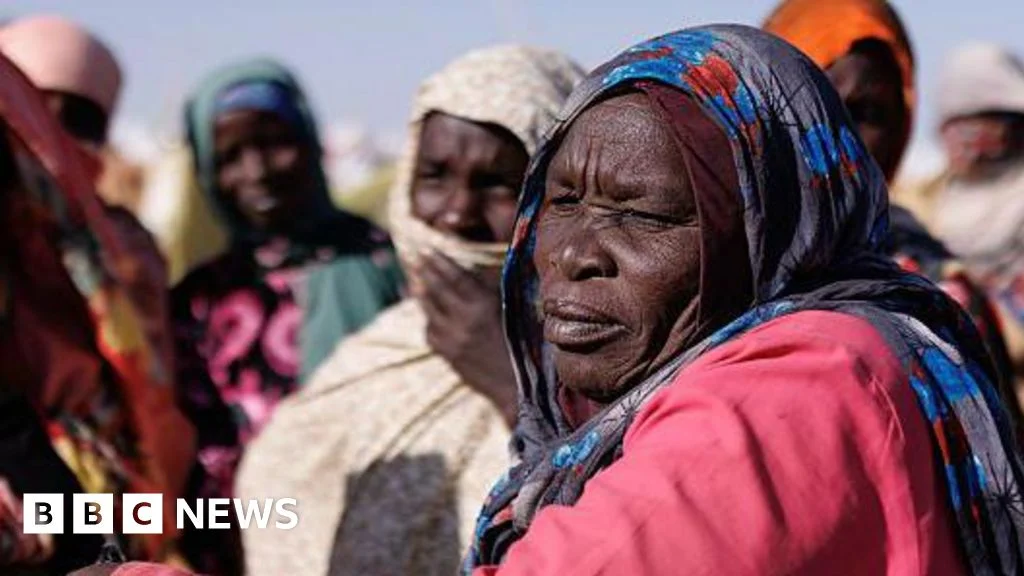
Millions have fled Sudan’s civil war, with refugees in Adré, Chad facing meagre rations and a shrinking aid response as violence continues; the international community is pressed to secure a humanitarian truce and a political settlement while civilians—especially women and girls—bear the cost.
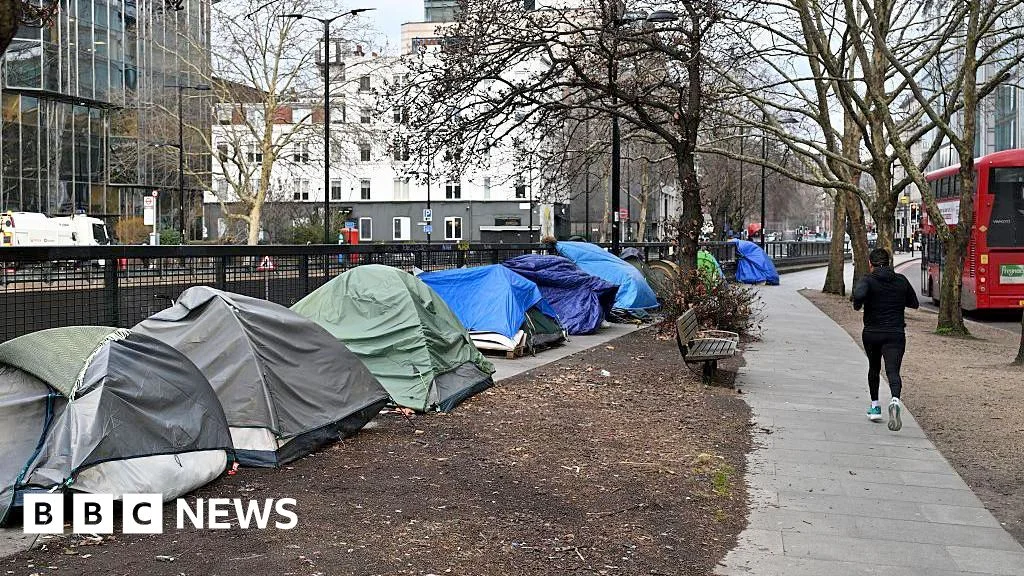
BBC data show the number of refugee households in England that are homeless or at risk rose from 3,560 in 2021/22 to 19,310 in 2024/25 — a five-fold increase likely linked to the 28-day move-on rule from asylum accommodation and delays in asylum decisions. Charities warn the true scale may be higher than official counts, with London and the North West most affected; dramatic rises are seen in areas like Hillingdon. Critics urge long-term policy reforms and more temporary housing to relieve stretched local services while the government says it is working toward quicker decisions and better-supported housing for refugees.
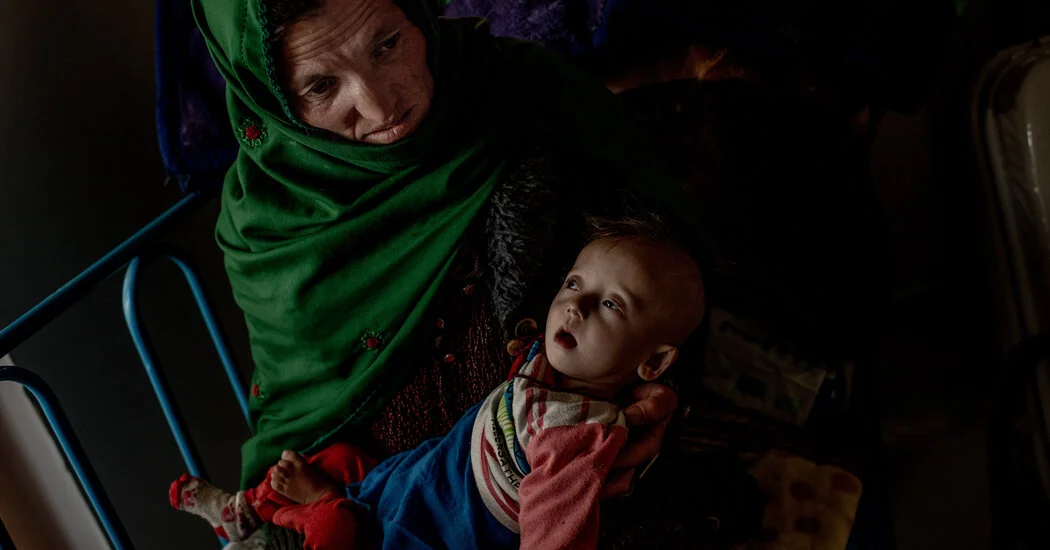
U.S. foreign aid to Afghanistan has largely evaporated after the 2021 withdrawal, coinciding with a surge in child malnutrition to levels not seen in 25 years, deadly earthquakes, and the return of millions of refugees. The collapse of aid has hit the economy hard and left four million children at risk of malnutrition, signaling a broad humanitarian crisis linked to US policy shifts and funding gaps.
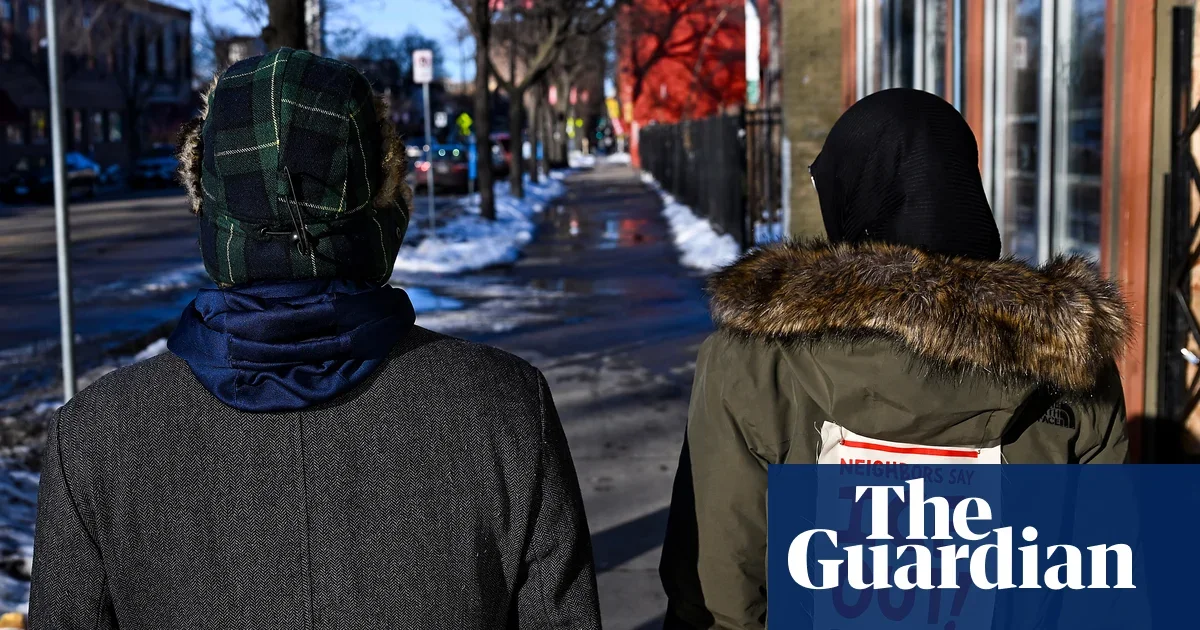
A DHS-led effort to reexamine refugee cases in Minnesota has led to the detention of refugees who entered with lawful status, including a 20-year-old, raising fear and accusations of targeting a vetted population. More than 100 refugees without criminal backgrounds have been detained and some transported to Texas as the case proceeds; a federal judge ordered their release and paused detentions, while advocates say the crackdown erodes asylum protections and DHS contends it seeks to uncover fraud.
A federal judge blocked the Trump administration from arresting or detaining refugees lawfully resettled in Minnesota and ordered their immediate release; those moved to Texas must be freed within five days, as a class-action challenges Operation Parris’ intensified background checks affecting about 5,600 refugees.