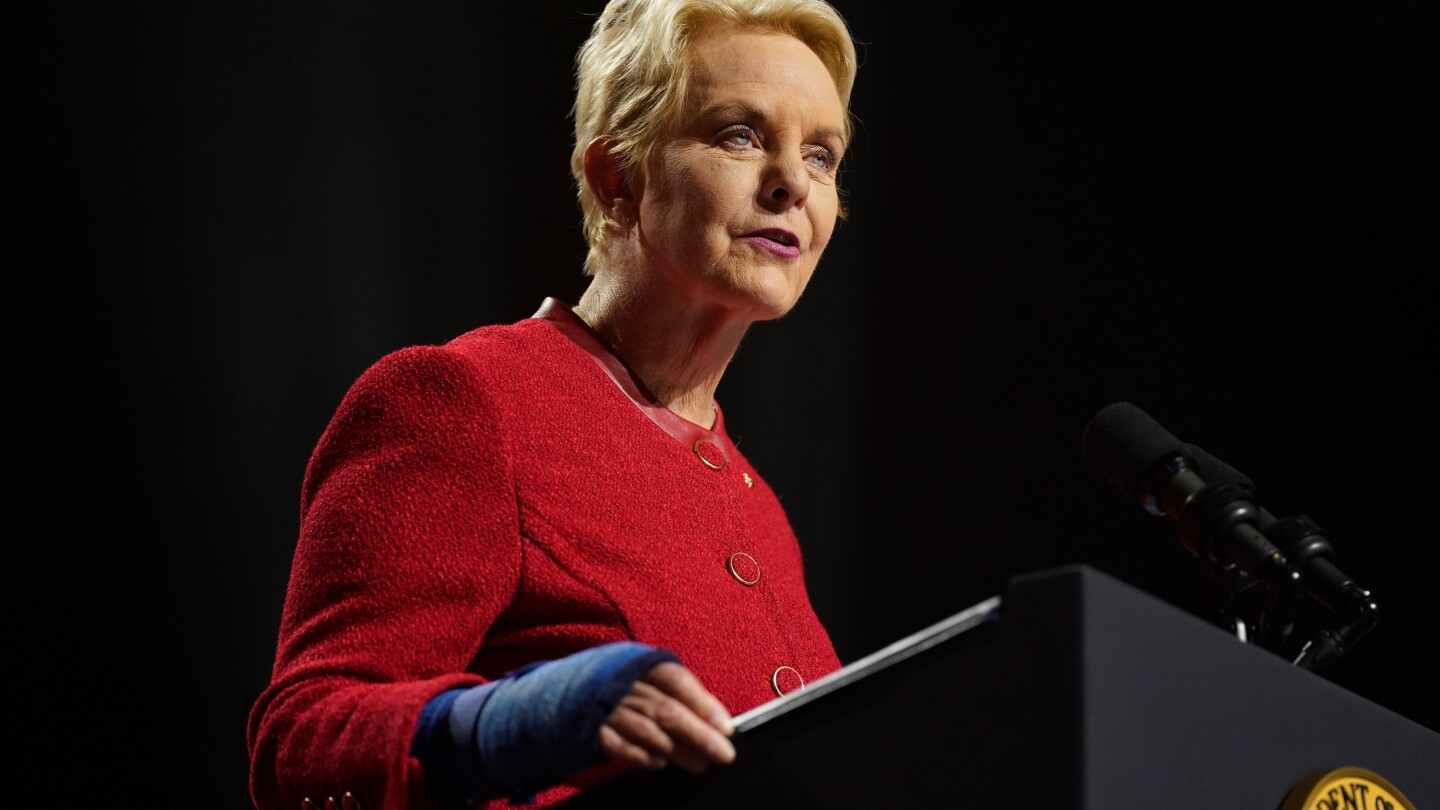
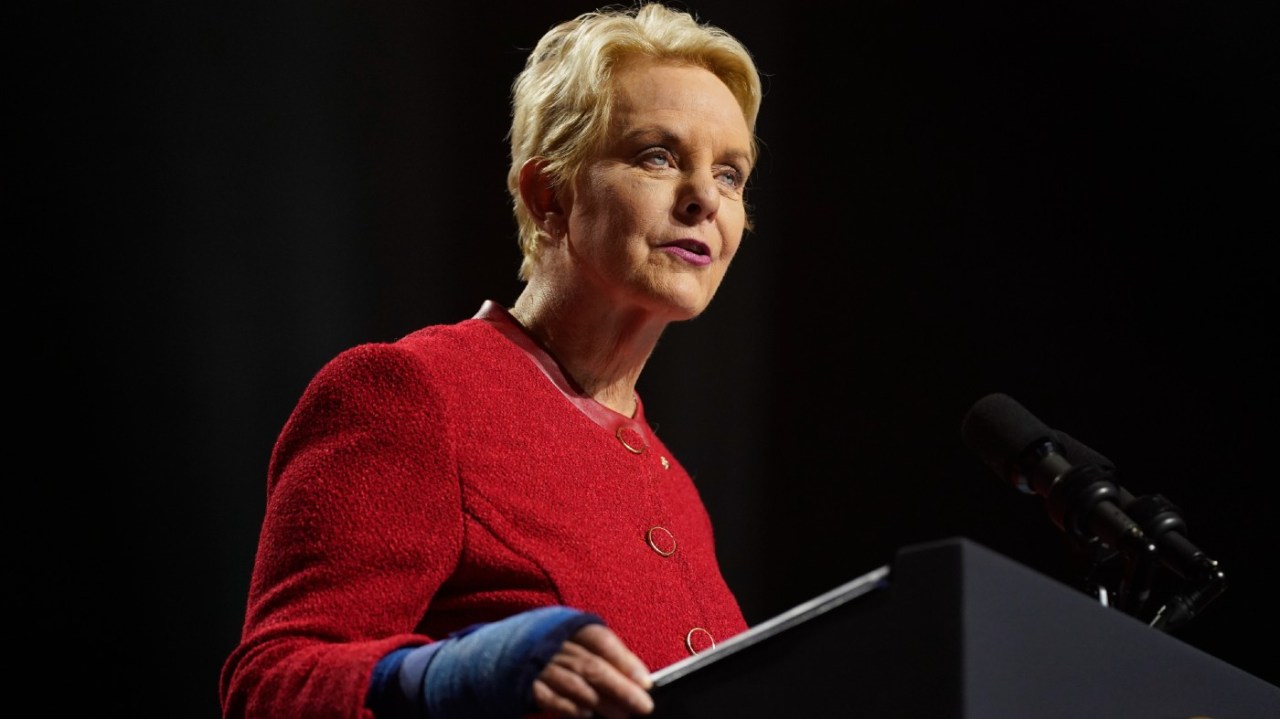
Cindy McCain suffered a minor stroke in Italy while visiting the UN World Food Programme headquarters, but has since recovered and returned home to Arizona to continue her recuperation, emphasizing her confidence in her organization's work despite her health scare.
Cindy McCain, head of the UN World Food Program, suffered a mild stroke but is expected to fully recover and return to her duties within a few weeks. She has been actively involved in addressing global food crises, including conflicts in Gaza and Ukraine, and remains committed to her role in fighting hunger worldwide.
Cindy McCain, executive director of the World Food Programme, warns that Gaza is on the brink of famine, with about half the population facing catastrophic hunger and starvation. The WFP has food for 1.1 million people for three months amassed on the border and emphasizes the importance of border crossings to deliver aid. The situation in Gaza continues to grow more dire, with reports of Israel withdrawing some troops from southern Gaza raising questions about aid delivery.
Cindy McCain, executive director of the United Nations’s World Food Programme, emphasized the urgent need for food in Gaza amid the ongoing war, citing obstacles to delivering aid and expressing frustration over the rejection of a U.S.-backed resolution for an immediate cease-fire and humanitarian aid efforts in Gaza. The United Nations Security Council's rejection was due to Russia and China voting against it, with concerns raised about the resolution's impact on ensuring an actual and unconditional cease-fire. McCain previously warned of Gaza being on the brink of famine as the conflict continues.
Cindy McCain, the executive director of the United Nations World Food Programme, remembers her late husband John McCain as she fights global hunger. She hopes he would be proud of her new role and plans to spend a significant amount of time fundraising to boost the organization's budget. Despite past criticisms of Russia, she will work with the country as part of her nonpolitical role. The WFP provided food to nearly 160 million people last year, but about 350 million people still need help due to an unprecedented food crisis deepened by the pandemic and war in Ukraine.