Tag

Western Diet

All articles tagged with #western diet

Dietary Oils and Ultra-Processed Foods: Unveiling Colon Cancer Risks

Originally Published 1 year ago — by Healthline

Featured image for Dietary Oils and Ultra-Processed Foods: Unveiling Colon Cancer Risks
Source: Healthline

A new study highlights the link between chronic inflammation and colorectal cancer, emphasizing the role of the Western diet, which is high in ultra-processed foods, in driving inflammation. Researchers suggest that reducing consumption of such foods and opting for whole grains, fruits, and vegetables can lower cancer risk. The study also explores the potential of targeting inflammation as a treatment strategy for colorectal cancer. Experts recommend a comprehensive approach to cancer prevention, including dietary changes, regular physical activity, and avoiding smoking and excessive alcohol consumption.


Ultra-Processed Foods Linked to Rising Colon Cancer Risk

Originally Published 1 year ago — by The Independent

Featured image for Ultra-Processed Foods Linked to Rising Colon Cancer Risk
Source: The Independent

A US government-led study suggests that common cooking oils, such as sunflower, grapeseed, canola, and corn, may contribute to a rise in colon cancer cases among young people due to their role in causing chronic inflammation. The research found that these oils produce bioactive lipids that hinder the body's healing process and promote tumor growth. Healthier alternatives like oils rich in omega-3 fatty acids, such as those from avocados and olives, are recommended. However, US health institutions note that moderate consumption of seed oils in a balanced diet has not been linked to cancer.

Ultra-Processed Foods and Cooking Oils Linked to Rising Colon Cancer Risk

Originally Published 1 year ago — by University of South Florida

Featured image for Ultra-Processed Foods and Cooking Oils Linked to Rising Colon Cancer Risk
Source: University of South Florida

Researchers at USF Health and Tampa General Hospital Cancer Institute have found a potential link between ultra-processed foods in the Western diet and increased colorectal cancer risk due to chronic inflammation. Funded by a $3.1 million NIH grant, the study highlights how these foods hinder the body's healing processes, promoting tumor growth. The research suggests a new approach called resolution medicine, focusing on diet changes to reduce inflammation and enhance natural healing, potentially revolutionizing cancer treatment.

Rising Colon Cancer in Young Adults Linked to Common Dietary Habits

Originally Published 1 year ago — by Tyla

Featured image for Rising Colon Cancer in Young Adults Linked to Common Dietary Habits
Source: Tyla

Experts attribute the rise in colon cancer among Gen Z and Millennials to the Western diet, which is high in ultra-processed foods and low in fiber. Despite a focus on wellness, misinformation on social media complicates healthy eating. High-fat, low-fiber diets can lead to obesity and metabolic issues, increasing cancer risk. Experts recommend a diet rich in fiber, vegetables, whole grains, and fermented foods to support a healthy gut microbiome and reduce cancer risk.

"Western Diet Tied to Rising Early-Onset Colorectal Cancer in Youth"

Originally Published 1 year ago — by The News International

Featured image for "Western Diet Tied to Rising Early-Onset Colorectal Cancer in Youth"
Source: The News International

Scientists from Ohio State University have linked the rise in early-onset colorectal cancer in young adults to high-fat, low-fiber "Western diets," which disrupt gut bacteria and cause inflammation. Their research, presented at the American Society of Clinical Oncology meeting, shows that young patients with this cancer are biologically 15 years older than their actual age. The incidence of colorectal cancer in people under 55 has nearly doubled from 11% in 1995 to 20% in 2019.

"Western Diet Linked to Rise in Early-Onset Colon Cancer"

Originally Published 1 year ago — by New York Post

Featured image for "Western Diet Linked to Rise in Early-Onset Colon Cancer"
Source: New York Post

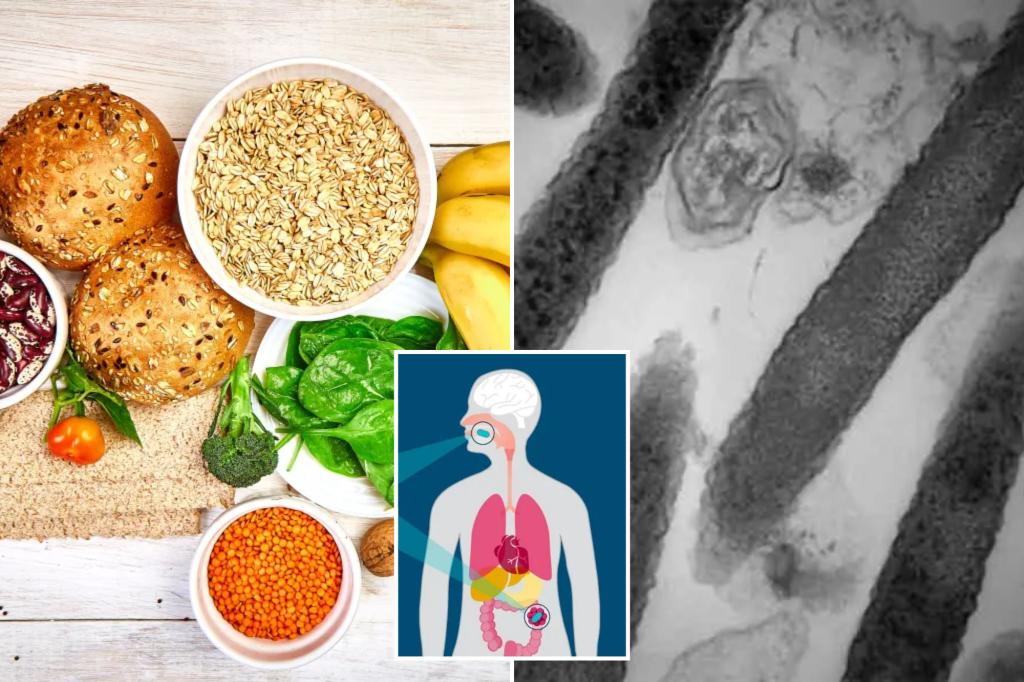
Colorectal cancer is increasing among young adults, and researchers from Ohio State University suggest that a high-fat, low-fiber "Western diet" may be to blame. This diet can disrupt gut bacteria balance, leading to inflammation and faster cellular aging, making individuals more susceptible to cancer. The study highlights the role of Fusobacterium nucleatum, a bacteria linked to cancer growth, and emphasizes the importance of dietary fiber in reducing cancer risk.

"Western Diets Harm Gut Health, Trigger Diseases"

Originally Published 1 year ago — by Medical News Today

Featured image for "Western Diets Harm Gut Health, Trigger Diseases"
Source: Medical News Today

A recent review highlights how the Western diet, characterized by low fiber and high saturated fat, disrupts the gut microbiome, potentially leading to chronic conditions like inflammatory bowel disease and type 2 diabetes. The diet's impact on gut bacteria and subsequent inflammation may explain the rise in these health issues.

The Impact of Diet on Memory Functioning

Originally Published 1 year ago — by PsyPost

Featured image for The Impact of Diet on Memory Functioning
Source: PsyPost

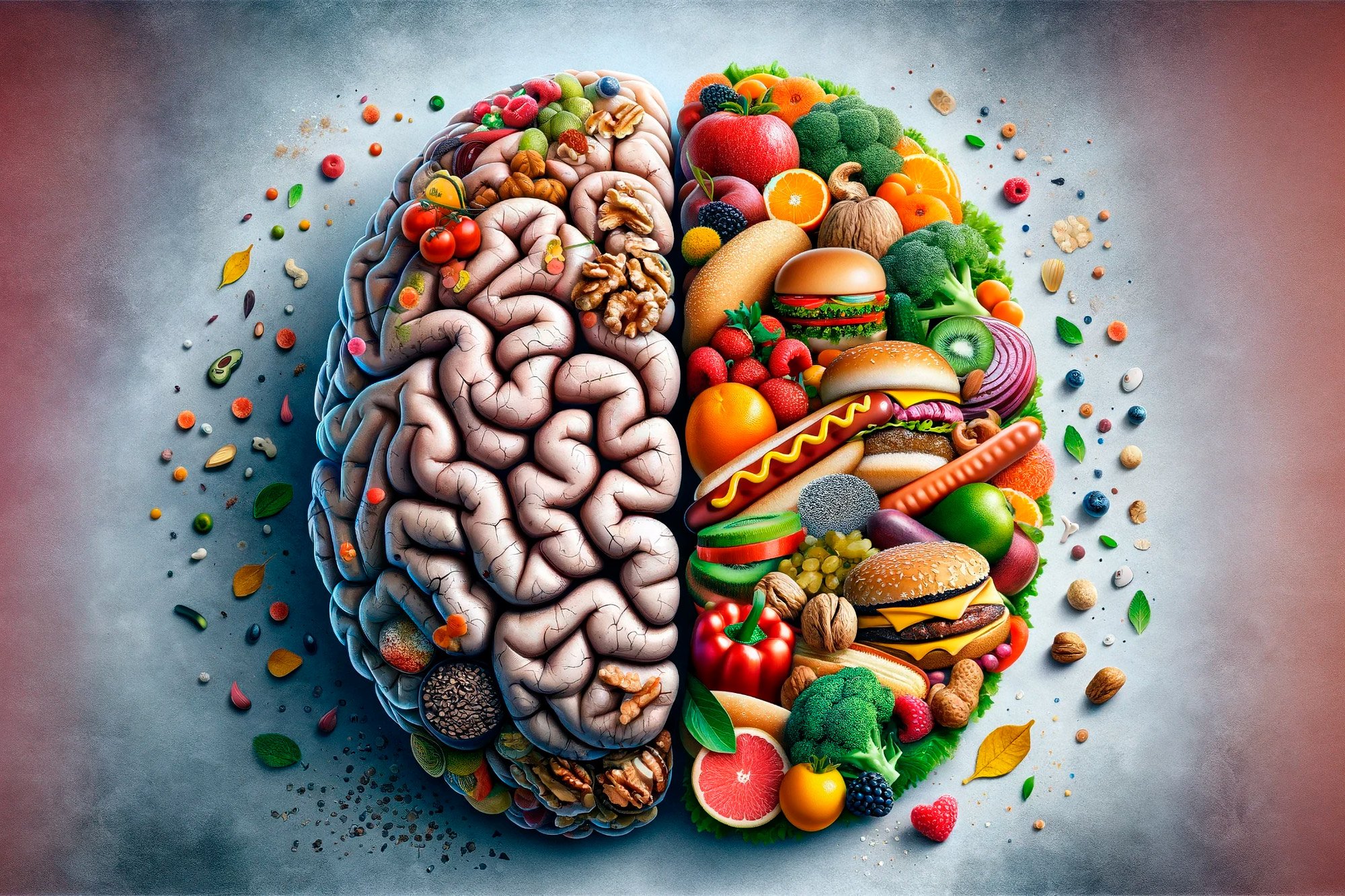
Researchers have found that early consumption of a Western diet can lead to long-lasting deficits in episodic memory, despite not causing obesity or metabolic dysfunction. The study, conducted on rats, suggests that disruptions in hippocampal acetylcholine signaling may mediate these memory impairments. While changes in the gut microbiome due to the diet were reversible with a healthy diet intervention, the cognitive impairments persisted. The findings highlight the critical role of diet in brain health, particularly during early developmental stages, and emphasize the need for further research on the translational relevance to humans.

The Crucial Link Between Diet and Alzheimer's Disease Risk

Originally Published 2 years ago — by SciTechDaily

Featured image for The Crucial Link Between Diet and Alzheimer's Disease Risk
Source: SciTechDaily

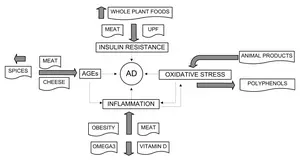
A new study published in the Journal of Alzheimer's Disease reveals that plant-based diets, such as the Mediterranean diet and traditional Asian diets, can reduce the risk of Alzheimer's disease compared to the Western diet. The study links diets high in saturated fats, red meats, and ultra-processed foods with an increased risk of Alzheimer's. Protective foods include vegetables, fruits, legumes, nuts, and whole grains. Rising obesity trends in the US suggest a significant increase in Alzheimer's rates by 2038. Poverty is also identified as a driver of Alzheimer's disease due to the affordability of unhealthy foods.

The Link Between Diet and Alzheimer's Disease Risk

Originally Published 2 years ago — by EurekAlert

Featured image for The Link Between Diet and Alzheimer's Disease Risk
Source: EurekAlert

A study published in the Journal of Alzheimer's Disease highlights the impact of diet on the risk of developing Alzheimer's disease. Diets that are more plant-based, such as the Mediterranean diet and traditional diets in China, Japan, and India, are shown to reduce the risk compared to the Western diet. Higher consumption of saturated fats, red meat, processed meats, and ultra-processed foods increases the risk of Alzheimer's disease. On the other hand, foods like green leafy vegetables, colorful fruits and vegetables, legumes, nuts, omega-3 fatty acids, and whole grains are protective against Alzheimer's disease. The study also suggests that the rising trend of obesity, driven by the consumption of meat and ultra-processed foods, is a major factor contributing to the increasing rates of Alzheimer's disease.

The harmful effects of a Western diet on human health.

Originally Published 2 years ago — by News-Medical.Net

Featured image for The harmful effects of a Western diet on human health.
Source: News-Medical.Net

A recent study published in the journal Nutrients highlights the devastating impact of the Western diet on human health, including metabolism, the gut microbiome, inflammation, cardiovascular health, mitochondrial fitness, cancer, and mental health. The Western diet primarily consists of processed foods, soft drinks, and fast food products that are nutrient-poor and energy-dense, and high in sugar, saturated and trans fats. The low intake of essential nutrients in Western diets has been linked to the prevalence of chronic diseases such as type 2 diabetes, obesity, CVD, cancer, and various inflammatory and metabolic problems. Despite the straightforward resolution of replacing unhealthy foods with fruits, vegetables, legumes, nuts, and whole grains, socioeconomic factors and limited access to healthy food options remain challenges to improving Western diets.

Rising Colon Cancer Cases in Young and Old: Symptoms and Warnings.

Originally Published 2 years ago — by Daily Mail

Featured image for Rising Colon Cancer Cases in Young and Old: Symptoms and Warnings.
Source: Daily Mail

Colon cancer is becoming the leading cause of cancer-related deaths in people under 55, with nearly double the number of under-55s being diagnosed with the cancer now compared to a decade ago. Experts are investigating various risk factors for the rise, including antibiotic overuse, a fatty, highly processed Western diet, obesity, and fungal infections. Antibiotic overuse can lead to an imbalance in the microbiota, stripping the gut of protective bacteria and leading to the proliferation of cancer-promoting bacteria. A diet consisting largely of processed and/or red meats, sugars, and refined carbohydrates is a major risk factor for inflammation in the intestines, a precursor to cancer. Obesity and diabetes often go hand in hand, as the former greatly increases the risk of the latter, characterized by having too much glucose (sugar) circulating in the bloodstream. The link between fungi and cancer is tenuous, but new research has come out to support it.

Gut-Brain Link Reveals Western Diet as Alzheimer's Risk Factor

Originally Published 2 years ago — by ScienceAlert

Featured image for Gut-Brain Link Reveals Western Diet as Alzheimer's Risk Factor
Source: ScienceAlert

The Western diet pattern has been identified as a risk factor for developing Alzheimer's disease, while the Mediterranean diet, ketogenic diet, and diet supplementation with omega-3 fatty acids and probiotics appear to protect against the disease. Researchers suggest that dietary changes could be one way of reducing the risk of developing Alzheimer's and other types of dementia and limiting the damage it does to our cognitive abilities. Nutritional interventions improved cognitive function and quality of life for those with mild-to-moderate Alzheimer's and seemed to slow down the progression of the disease.

Adolescent girls on Western diet more aggressive, says study.

Originally Published 2 years ago — by PsyPost

Featured image for Adolescent girls on Western diet more aggressive, says study.
Source: PsyPost

A study published in Brain and Behavior suggests that adolescent girls who follow a Western diet, defined as one "rich in snacks, red meat, poultry, industrial fruit juices, soft drinks, sweets, and desserts," are more likely to report aggressive feelings and behaviors. The study found no significant correlation between healthy or fast food diets and aggression. The authors recommend that better diet quality and avoiding unhealthy foods could potentially decrease aggression in adolescents, and suggest that food and nutrition policymakers should encourage healthy dietary patterns in adolescents to decrease the possibility of psychological disorders.