Oxfam reports that the world's richest 1% have already used up their fair share of carbon emissions for 2026, with the top 0.1% exhausting their budget in just three days, highlighting the disproportionate impact of the wealthy on climate change and urging tax reforms to address this imbalance.
Recent data indicates a growing K-shaped economy in the US, where the wealthy thrive with rising stock and real estate values, while lower- and middle-income groups face economic struggles, leading to increased social and political risks.
The article discusses the growing income inequality in the U.S., highlighting how wealthier consumers continue to spend freely while lower-income groups cut back, leading to a K-shaped economic recovery that benefits high earners and leaves others behind, impacting various industries and attracting attention from policymakers.
Economist Diane Swonk warns that despite positive market signals and slowing inflation, the economy's true health is fragile, with only the wealthy feeling confident due to persistent inflation in the service sector and a growing divide between high- and low-income consumers, indicating underlying vulnerabilities.
The US economy is increasingly dependent on the AI industry for growth, with AI investments contributing significantly to GDP and stock market gains, but this reliance raises concerns about economic stability, inequality, and the risks of industry failure.
Two sisters inherit over $1 million each from their mother, with one questioning the fairness of her sister's request for a trust for her second child. The advice emphasizes that the inheritance was distributed fairly, and the sister's request is unreasonable. The article also discusses how to handle a significant stock windfall, recommending diversification and thoughtful planning to balance enjoying wealth and supporting causes, while acknowledging feelings of guilt and privilege.
Pope Leo criticized the growing income gap and Elon Musk's potential trillionaire status, warning that excessive wealth concentration could lead to big trouble, amid concerns over executive pay disparities and insufficient philanthropy among billionaires.
Benny Blanco faced criticism on TikTok for showcasing expensive, oversized blueberries amid economic hardship, with viewers calling the display tone-deaf and highlighting the divide between wealth and everyday struggles. Some defended him, emphasizing his success, while others criticized the display of luxury during tough times.
In 2024, over 379,000 Americans became millionaires, driven by strong stock markets and a stable dollar, making the US home to nearly 40% of the world's millionaires, with global wealth increasing but wealth disparity remaining significant.
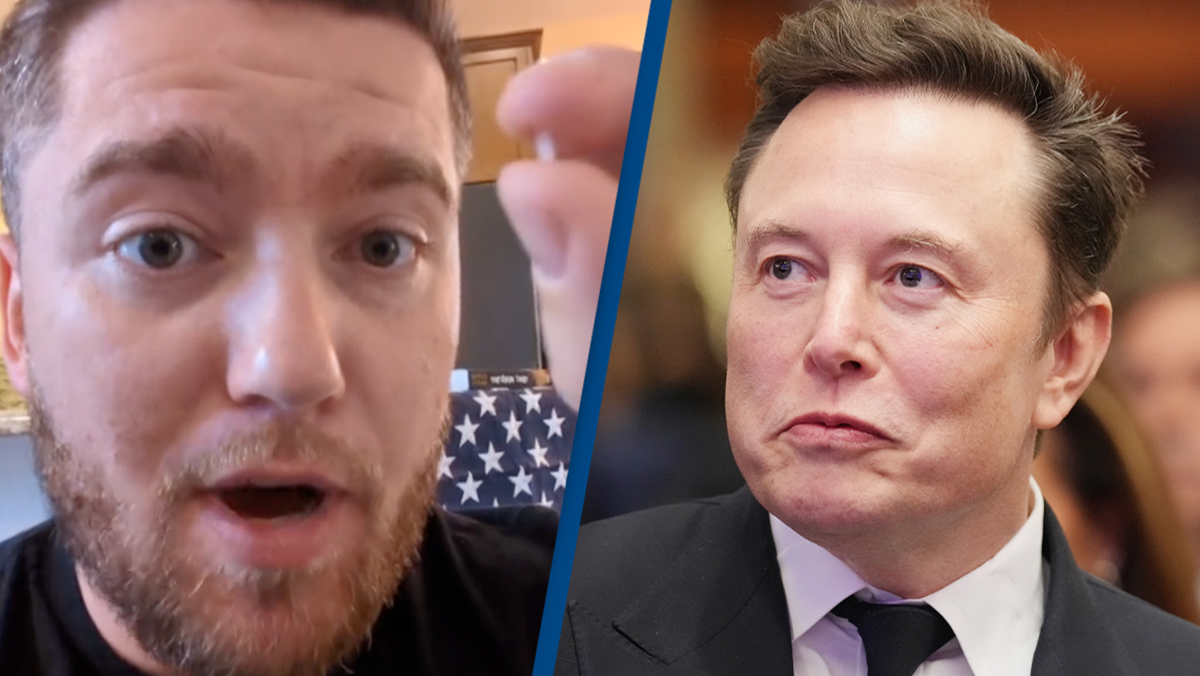
A TikToker used grains of rice to illustrate the vast wealth disparity between Elon Musk, whose net worth has reached $447 billion, and the average American, whose median net worth is $192,900. The visualization showed a single grain representing $200,000, while Musk's wealth was depicted as a massive pile of rice, highlighting the stark economic inequality. The video sparked reactions on TikTok, with users expressing disbelief and frustration over the wealth gap.
Oxfam International warns that the world is on track to produce its first trillionaire within a decade, while the wealth gap has been "supercharged" during the pandemic, with the fortunes of the five richest men doubling since 2020. The organization highlights that nearly 5 billion people have become poorer, emphasizing the urgent need for measures to address inequality, such as permanent taxation of the wealthiest individuals, more effective taxation of large corporations, and a renewed effort against tax avoidance.
According to an Oxfam report, the combined wealth of the world's five richest men has more than doubled since 2020, reaching $869 billion in November 2023. The report highlights the increasing wealth gap, with the richest 1% owning 43% of global financial assets, and calls for measures to curb corporate power and reduce wealth inequality, as the charity warns that extreme poverty persists while a small number of individuals race to become the world's first trillionaire within the next decade.
A new analysis by the Institute on Taxation and Economic Policy reveals that 44 out of 50 US states exacerbate inequality by allowing the wealthy to pay a lower share of their income in taxes than lower income individuals. The reliance on regressive sales and excise taxes, along with weak or non-existent personal income taxes, has contributed to this disparity. Only six states and the District of Columbia have tax systems that reduce inequality, with the poorest fifth of people paying a tax rate 60% higher, on average, than the top 1% of households. Various state-level policies, such as tax cuts for the wealthy, have worsened this situation, but the report emphasizes that there are better choices available to lawmakers to address this issue.
The top five executives at S&P 500 firms have accumulated nearly $9bn in tax-free retirement savings accounts, while many of their employees struggle to save for retirement. These "top hat" plans allow unlimited tax-deferred retirement while ordinary workers face strict limits on their 401(k) retirement plan contributions. The report found that at many of these companies, a sizeable percentage of workers – in some cases as much as half – had no money in their 401(k)s. The mean value of US retirement accounts was $255,200 in 2019, but less than 40% of families in the bottom half of the Fed’s income brackets were enrolled in a retirement plan.
The California Association of Realtors reported that a minimum annual income of $206,800 was needed to qualify for the purchase of a $911,000 median-priced, existing single-family home in San Diego County in 2022, assuming a 20% down payment. The association also found that San Diego County had an 11% affordability gap between Black people and the overall population last year, while the Latino affordability gap was 9% in 2022. The significant difference in housing affordability for Black and Latino households illustrates the homeownership gap and wealth disparity for communities of color, which could worsen as the economy slows and rates remain elevated this year, CAR said.