The US economy is increasingly dependent on the AI industry for growth, with AI investments contributing significantly to GDP and stock market gains, but this reliance raises concerns about economic stability, inequality, and the risks of industry failure.
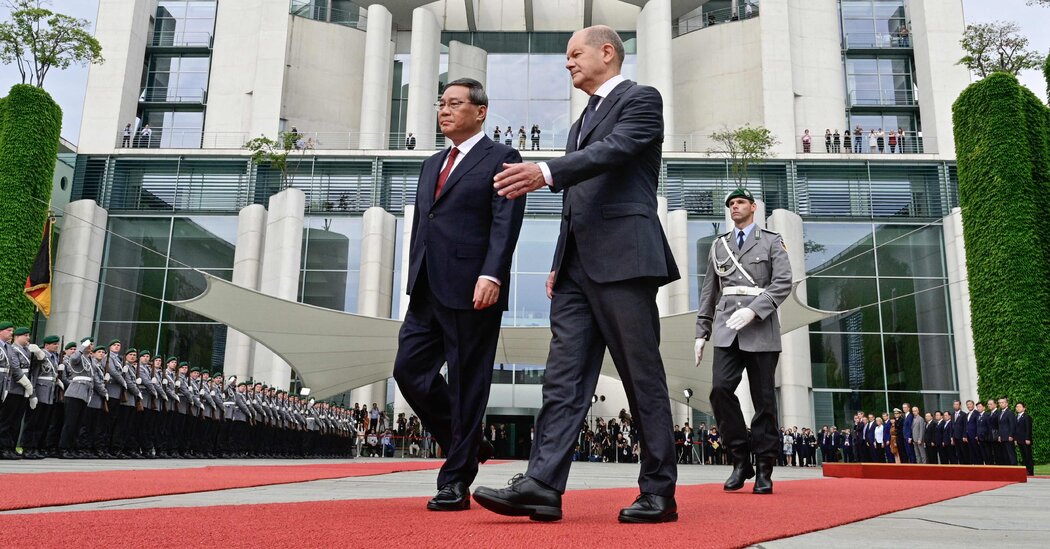
Germany has approved its first national strategy on China, defining the country as a "partner, competitor, and systemic rival." The strategy aims to reduce dependency on Chinese goods while maintaining economic ties. It calls for export controls, investment screening, and diversification of trade and supply chains to minimize risks. The move reflects a tougher stance than previous governments and echoes the European Union's call to "de-risk" ties with China. The strategy will guide companies, government agencies, and institutions in their dealings with China and will be debated in Parliament in September. Germany remains committed to its "One China" policy and recognizes the importance of Taiwan as a trade partner.
Kenyan President Uhuru Kenyatta has accused the World Bank and International Monetary Fund (IMF) of being "hostage" to rich nations and perpetuating economic dependency in developing countries. Kenyatta called for a review of the global financial system to address the issue and promote sustainable development.
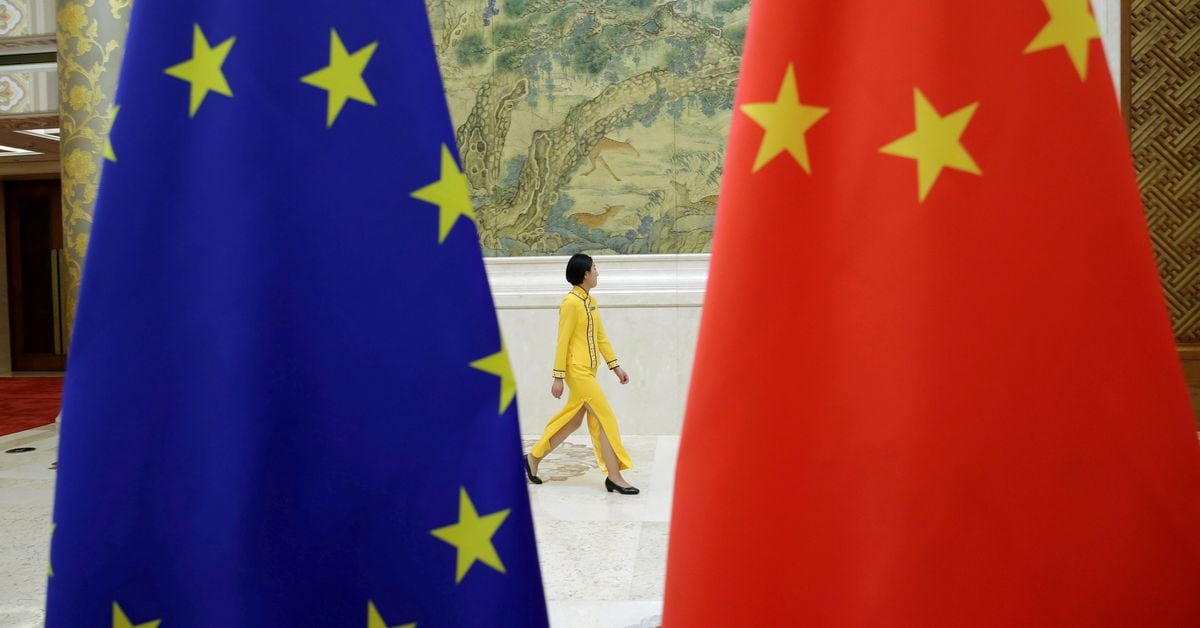
The European Union's diplomatic service has proposed a recalibration of the bloc's China policy, aiming to reduce the risks of economic dependency on Beijing while continuing to cooperate on global issues. The proposal suggests screening investments more closely and more robust export controls, as well as diversifying sources of supply in key sectors. The EU will continue to engage with China, but the rivalry aspect has become more important. Coordination with the United States will remain essential, but the EU should not subscribe to an idea of a zero-sum game between the US and China.