A new 9-to-9 (996) work culture is taking hold in Silicon Valley's AI sector, pushing researchers toward long hours and burnout, with OpenAI and Anthropic cited as leading examples of the high-pressure environment.
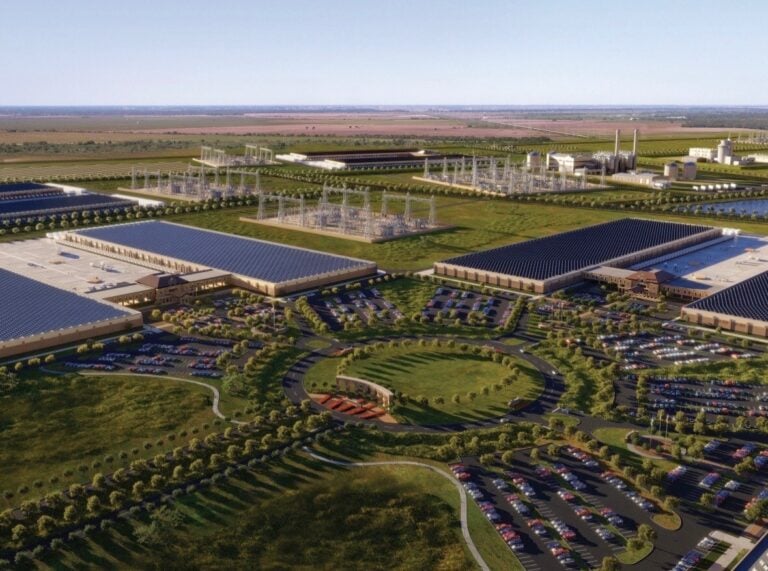
Fermi Inc. (NASDAQ:FRMI) surged 15.75% ahead of its upcoming business update and participation in the Evercore Power Conference, amid renewed optimism in the AI industry and recent developments in its data center operations, including a major tenant pullout and a new power supply agreement.
The article covers Warren Buffett's departure as Berkshire Hathaway's CEO, the growth and concerns surrounding the AI industry, Stellantis reviving the Ram TRX truck, and the increasing class divide among U.S. airlines with new premium offerings and struggles of budget carriers, amid a four-day stock market losing streak.
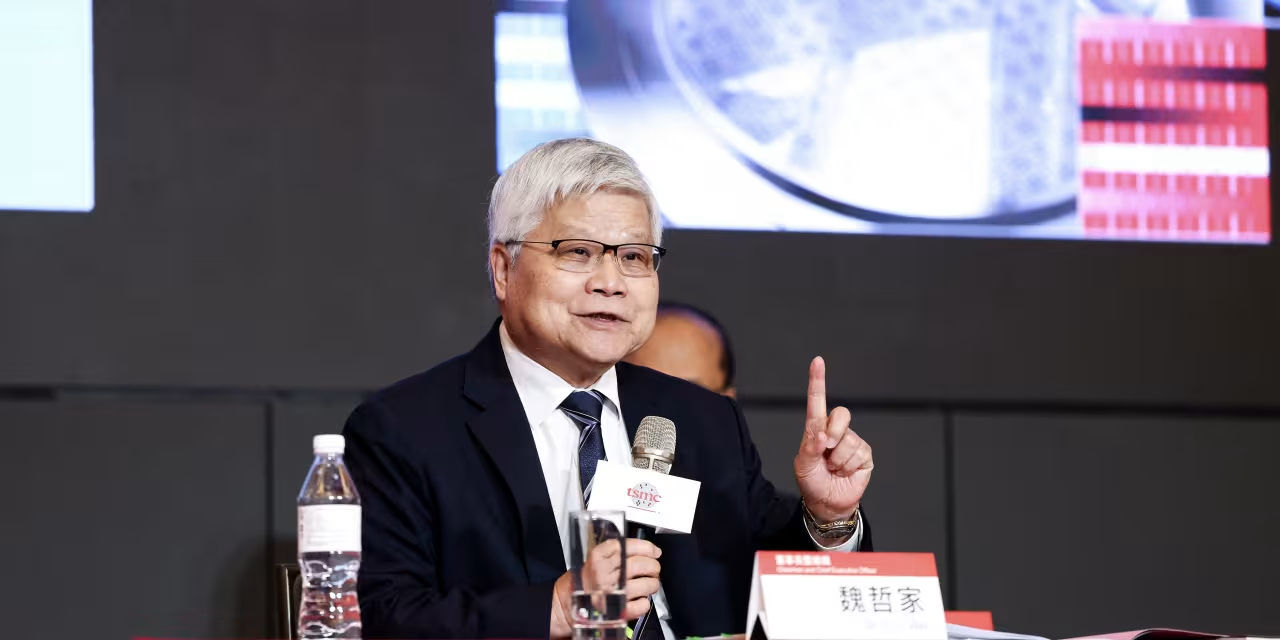
Investors are eyeing Taiwan Semiconductor Manufacturing (TSM) as a key stock for 2026, with its technical pattern indicating potential bullish momentum if it breaks above $311. While U.S. stocks had a quiet end to 2025, TSM's performance and upcoming chip price hikes, amid geopolitical risks, make it a significant indicator for the tech sector's future.
Tech leaders like Sam Altman and Alex Karp have publicly criticized short sellers, viewing them as adversaries, but experts argue that short selling is a vital part of healthy markets, providing checks against fraud, overvaluation, and market euphoria, while also offering liquidity and market insights.
The article argues that the AI bubble, particularly around large language models, is likely to burst around 2026 due to fundamental technical limitations like the lack of world models, which undermine reliability and profitability, leading to a potential unwinding of the industry.
CoreWeave, a key player in AI infrastructure, has seen its stock rise 61% since March but faced recent setbacks due to construction delays and a 50% drop since October. Jim Cramer remains optimistic about its long-term business model despite concerns over talent shortages and project delays, believing the company's strategy of deploying and renting capacity will prove successful.
China is aggressively advancing its AI industry through massive investments in energy infrastructure, a national project to develop cutting-edge semiconductors, and the deployment of advanced AI products, positioning itself to potentially surpass the US in AI technology, despite challenges in US data center development and energy supply.
U.S. stock futures declined amid mixed market signals, with Palantir's shares dropping despite record revenue and positive outlook, while AMD prepares to report earnings amid sector dealmaking. Major corporate and policy developments, including BP's strong earnings and Norway's rejection of Tesla's CEO pay package, also influenced market sentiment.
OpenAI reported a staggering $11.5 billion loss last quarter, driven by massive investments and restructuring efforts, as it prepares for a potential $1 trillion IPO amid rapid growth and high capital expenditures, despite ongoing financial losses and market skepticism.
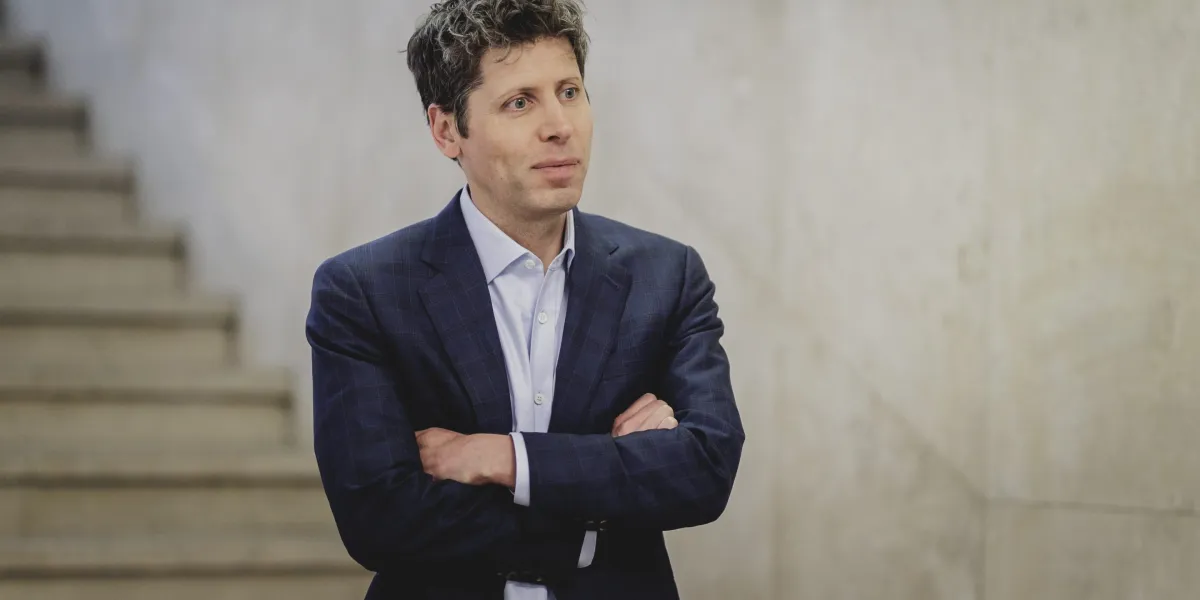
OpenAI CEO Sam Altman claims the company's revenue exceeds reports of $13 billion annually and could reach $100 billion by 2027, driven by major infrastructure deals and expanding AI services, despite ongoing losses and high capital expenditures. Altman is confident in steep revenue growth and the company's future dominance in AI, with some projections suggesting revenues could surpass $100 billion as early as 2028 or 2029.
Microsoft's upcoming Q1 earnings are highly anticipated, with a focus on its Azure cloud growth, which saw a 39% increase last quarter, and its updated partnership with OpenAI, which now includes a $250 billion Azure purchase and a 27% stake in OpenAI. The company is also shifting hardware production outside China and facing potential impacts from tariff policies, while other tech stocks like FuboTV and Caterpillar are also making notable moves. Investors will be watching these developments closely.
Qualcomm announced a new line of AI chips and a major deal with a Saudi-backed AI company, marking its entry into the AI data center market and causing its stock to rise significantly.
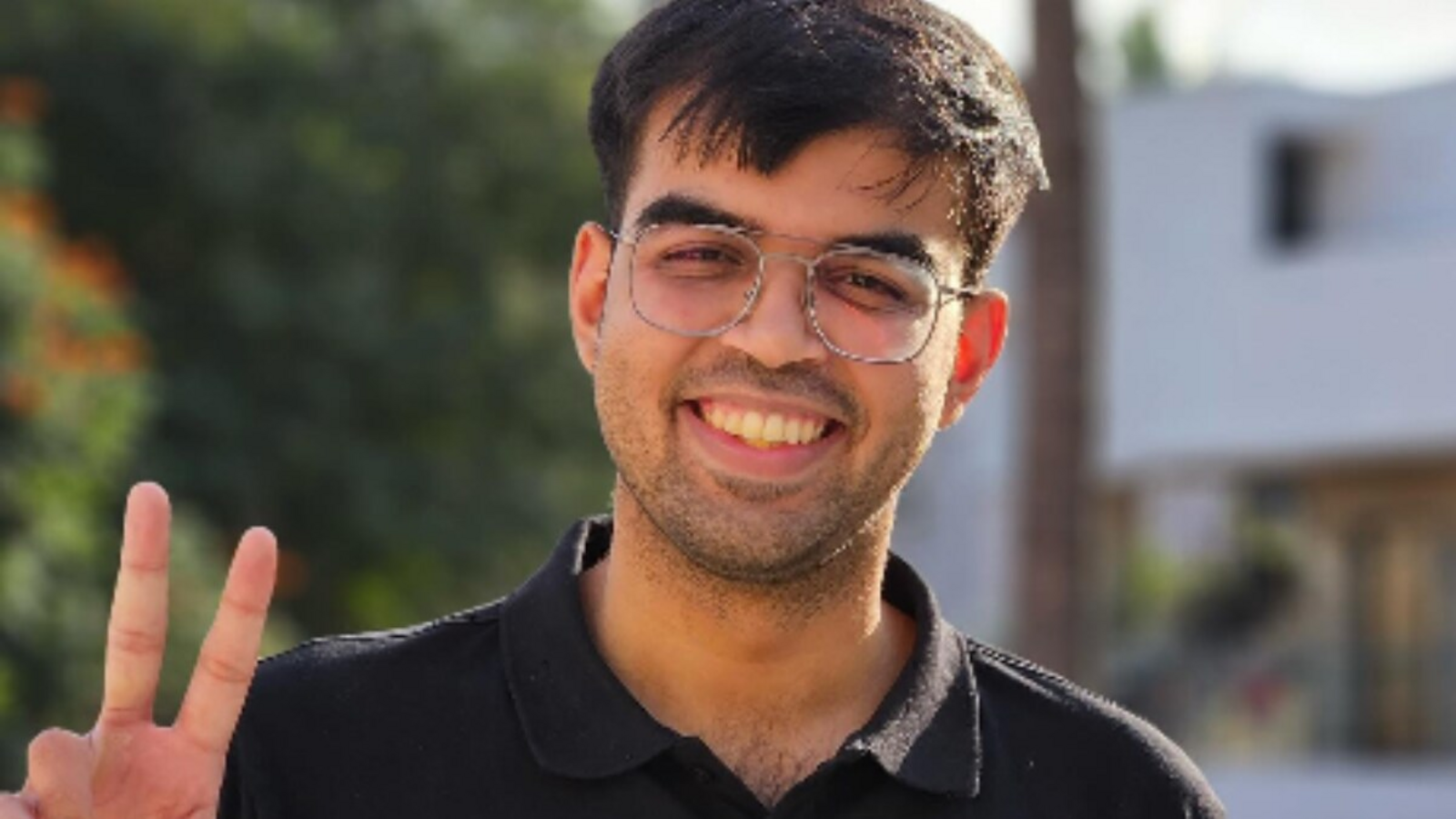
Following Meta's layoffs of 600 AI employees, entrepreneur Sudarshan Kamath of Smallest AI announced high-salary job openings in San Francisco for experienced AI engineers, inviting affected Meta staff to apply, amidst similar offers from other AI startups.
OpenAI aims to expand its influence and ownership in the AI industry, reflecting its strategic ambitions to dominate the field and shape the future of artificial intelligence.