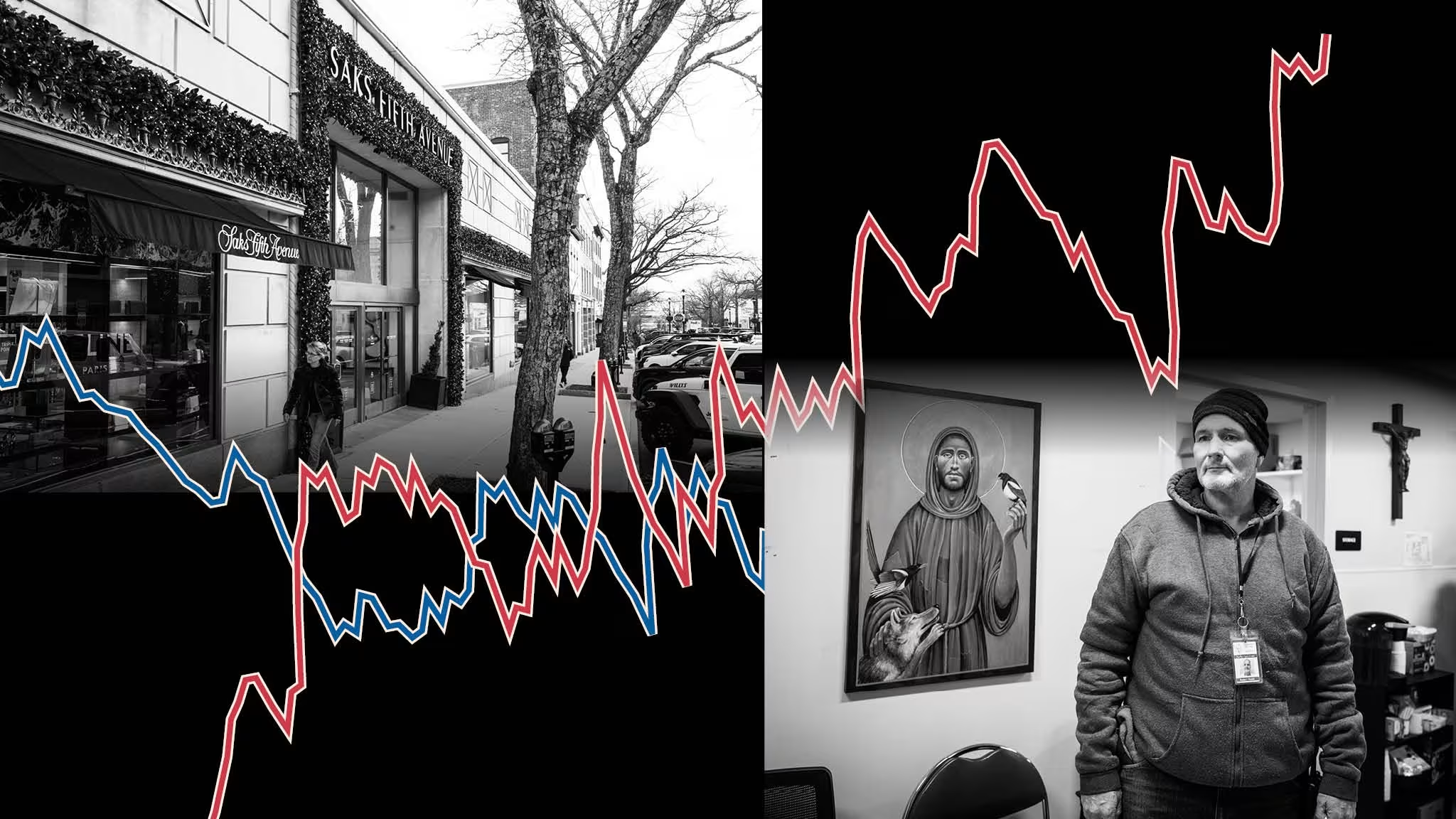
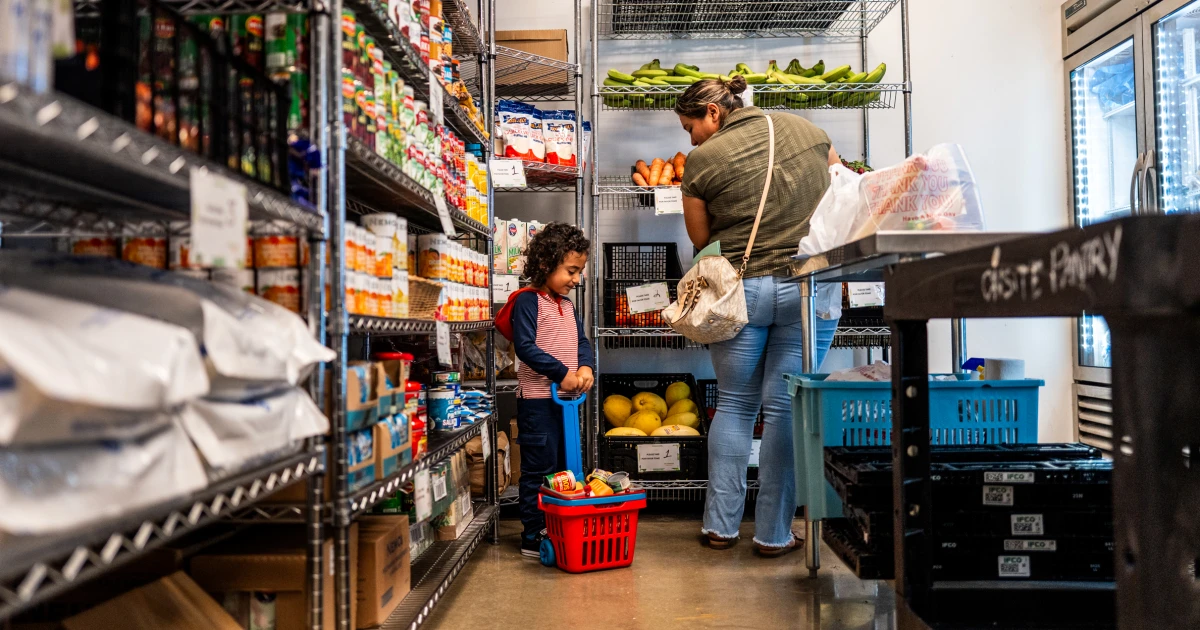
Economist Peter Atwater warns that a persistent K-shaped recovery could create a caste-like divide in the US by widening gaps in asset ownership (homes and stocks) and opportunities for low-earning Americans; while he believes the split may eventually reverse if confidence rises and policy addresses the income gap.
American Express is shifting marketing dollars to its refreshed Platinum card with an $895 annual fee to attract high-spending customers, part of a broader strategy aligned with a K-shaped economy where the wealthy spend more while others pull back. The company reported 4Q results that missed consensus partly due to Platinum refresh costs, with new card accounts at 2.9 million at year-end (the lowest in five quarters). Luxury categories showed solid growth (luxury retailers +15%, business/class airfare +9%, luxury hotel +12%), while overall earnings per share came in at $3.53, a penny below expectations; shares fell about 3.5%.
Affluent buyers are taking over new-car purchases at higher prices while lower-income shoppers retreat, signaling a K-shaped economy: the share of buyers earning under $100k dropped from 50% in 2020 to 37% in 2025, and those earning over $200k rose from 18% to 29%. With average MSRP around $51k in 2025, higher insurance costs and inflation, automakers have cut entry-level models and rely on wealthier buyers. About a third of Americans can’t afford new cars (roughly 110 affordable models for incomes ≤$65k vs 250 for ≤$105k), and average monthly payments rose to over $1,000 for 20% of buyers in Q4. Overall new-car sales cooled to 16.3 million in 2025 from over 17 million pre-2020, raising concerns that affordability constraints could shrink the market in the coming years.
In 2025 and into 2026, the US economy exhibits a K-shaped recovery, with wealthier households benefiting from stock market gains and lower unemployment, while lower and middle-income households face rising living costs, mounting debt, and financial hardship, leading to a divided economic landscape.
In 2025 and into 2026, the US economy exhibits a K-shaped recovery where wealthier households thrive while middle- and lower-income families face increasing financial hardships due to persistent inflation, rising household debt, and uneven economic gains, leading to financial strain for many Americans despite positive macroeconomic indicators.
Holiday spending in Canada increased overall, driven by higher-income and older consumers, while younger shoppers and lower-income groups cut back, illustrating a 'K-shaped' economic recovery with divergent spending patterns across demographics.
The article discusses how Donald Trump's economic policies have contributed to a widening economic divide, creating a K-shaped recovery where different sectors and groups experience divergent outcomes, highlighting increasing inequality.
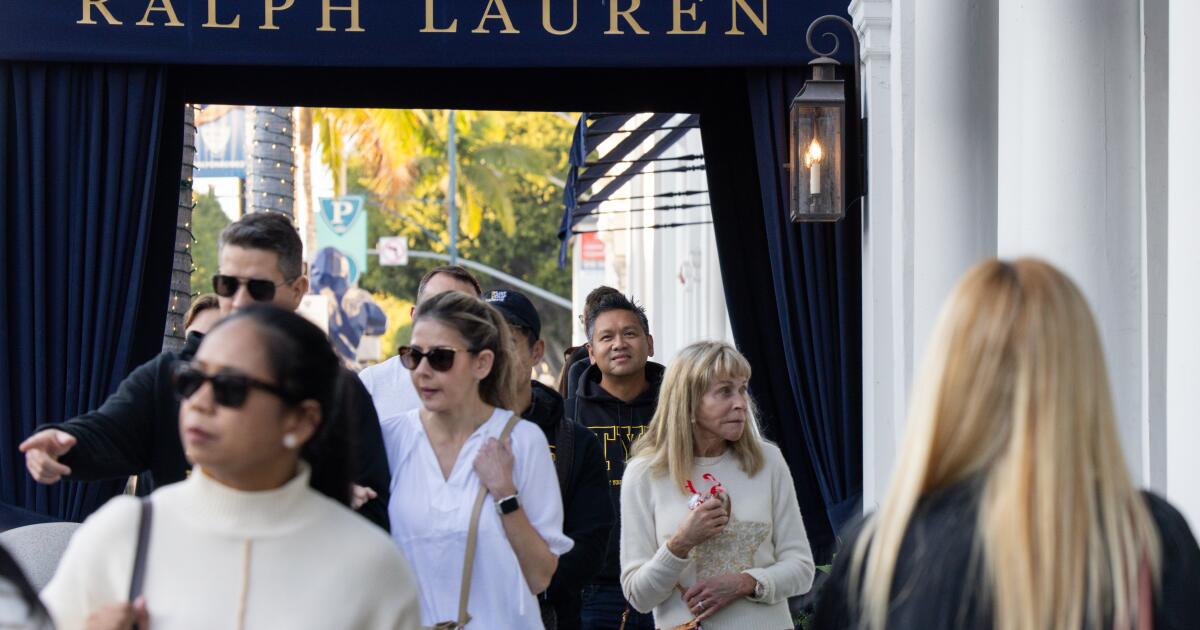
The article illustrates the K-shaped economy through contrasting holiday shopping behaviors in Los Angeles, where affluent consumers indulge in luxury stores like Ralph Lauren on Rodeo Drive, while lower-income families tighten budgets at grocery stores like Ralphs, highlighting the growing income disparity and its impact on consumer spending patterns.
The article explains the 'K-shaped economy,' where higher-income Americans see wealth and income growth while lower-income households struggle with inflation and weaker wage gains, leading to increased economic inequality and concerns about sustainability amid divergent economic trends and AI-driven market gains.
The U.S. economy is currently experiencing a 'K-shaped' recovery, where wealthier Americans are benefiting from strong stock market gains and increased spending, while lower- and middle-income households face ongoing financial struggles due to inflation, stagnant wages, and higher debt, leading to a widening economic divide.
Recent data indicates a growing K-shaped economy in the US, where the wealthy thrive with rising stock and real estate values, while lower- and middle-income groups face economic struggles, leading to increased social and political risks.
The article discusses the growing income inequality in the U.S., highlighting how wealthier consumers continue to spend freely while lower-income groups cut back, leading to a K-shaped economic recovery that benefits high earners and leaves others behind, impacting various industries and attracting attention from policymakers.
The article discusses the emerging 'K-shaped' economic recovery, where wealthier Americans are benefiting from stock market gains and rising home values, while lower- and middle-income consumers face increased financial pressures, leading to divergent spending patterns across sectors like food, autos, airfare, and hospitality.