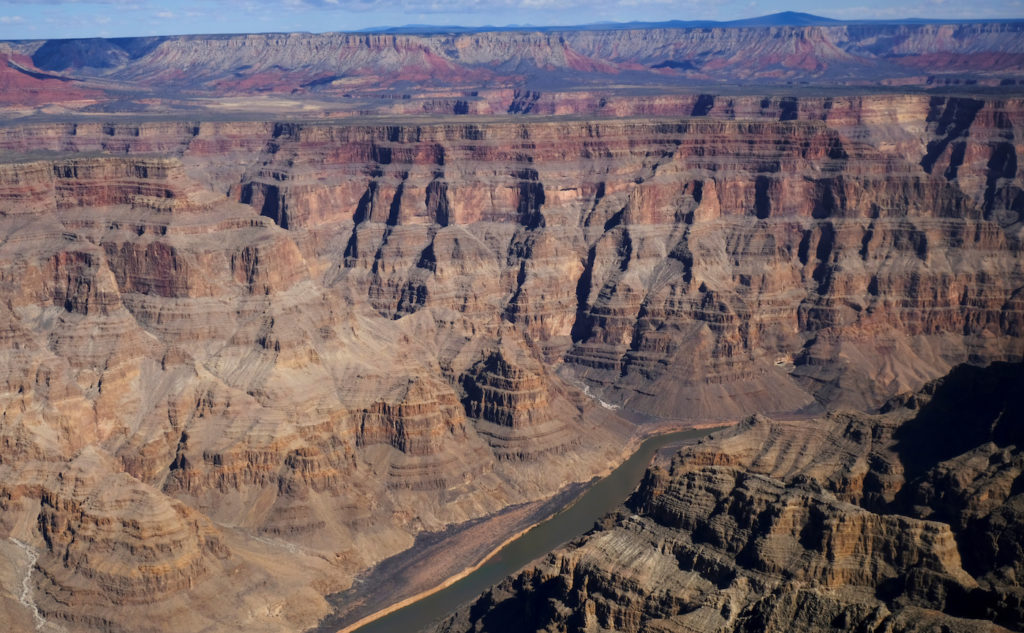
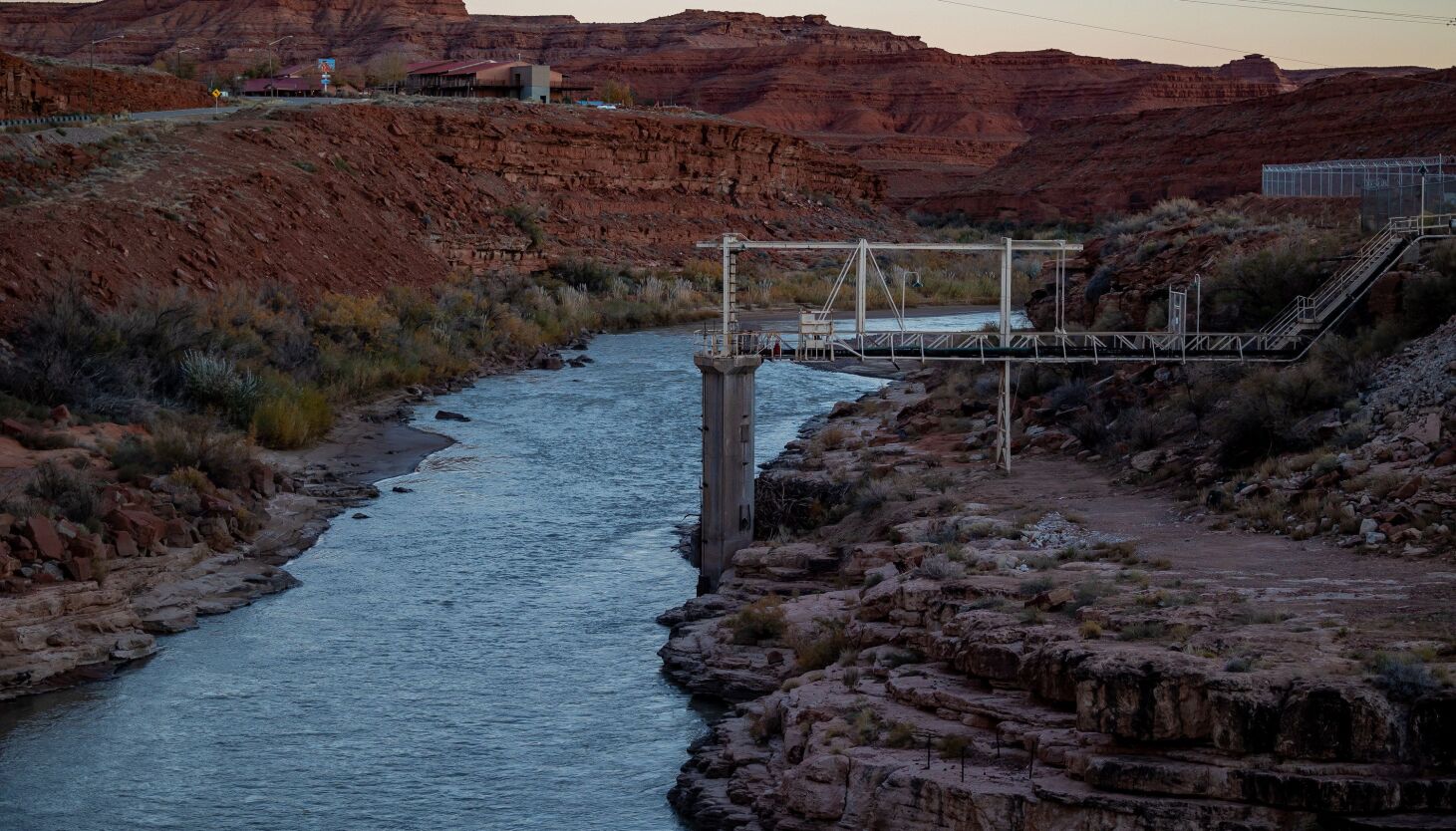
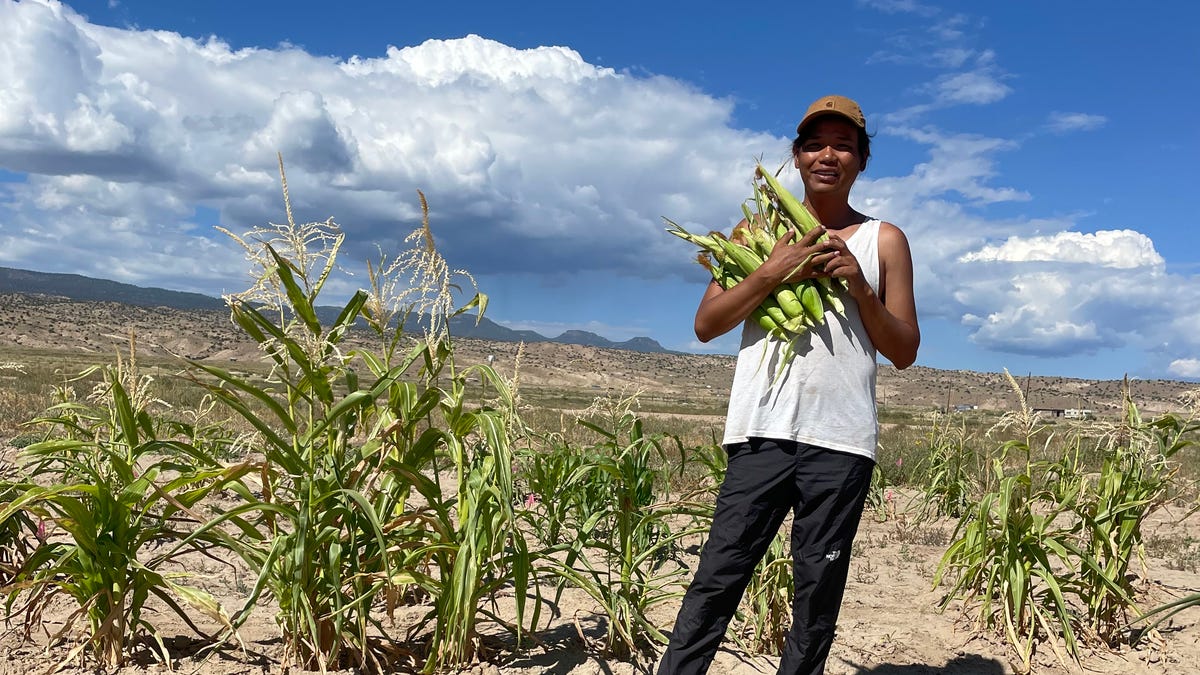
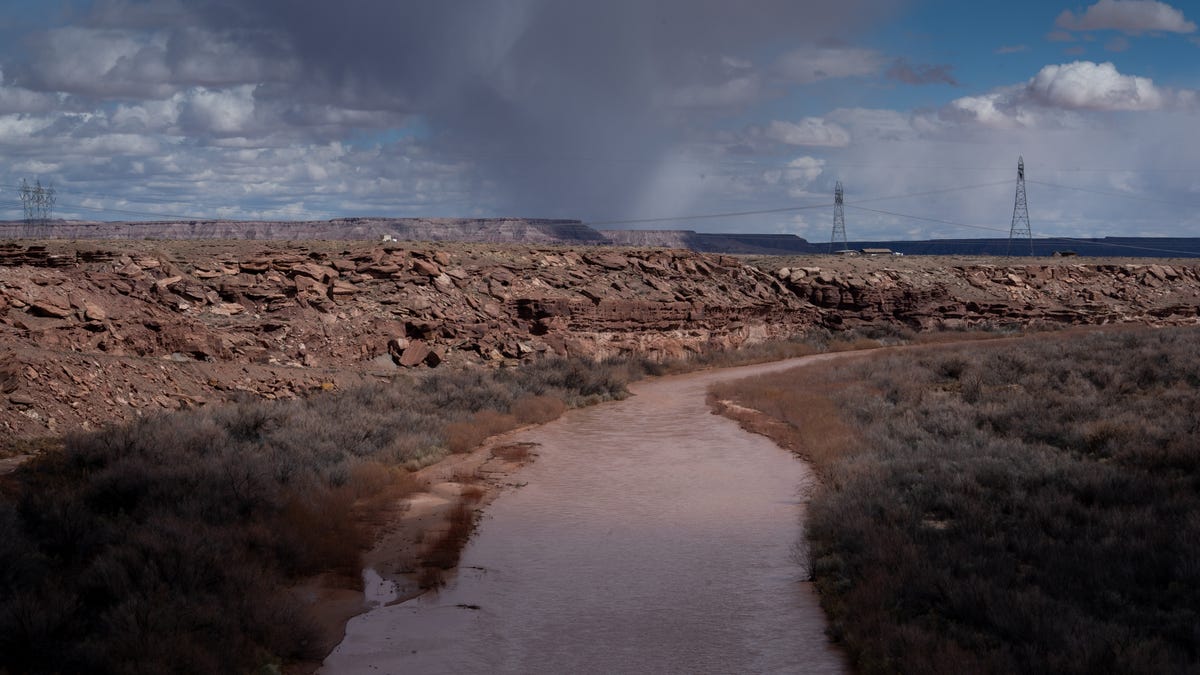
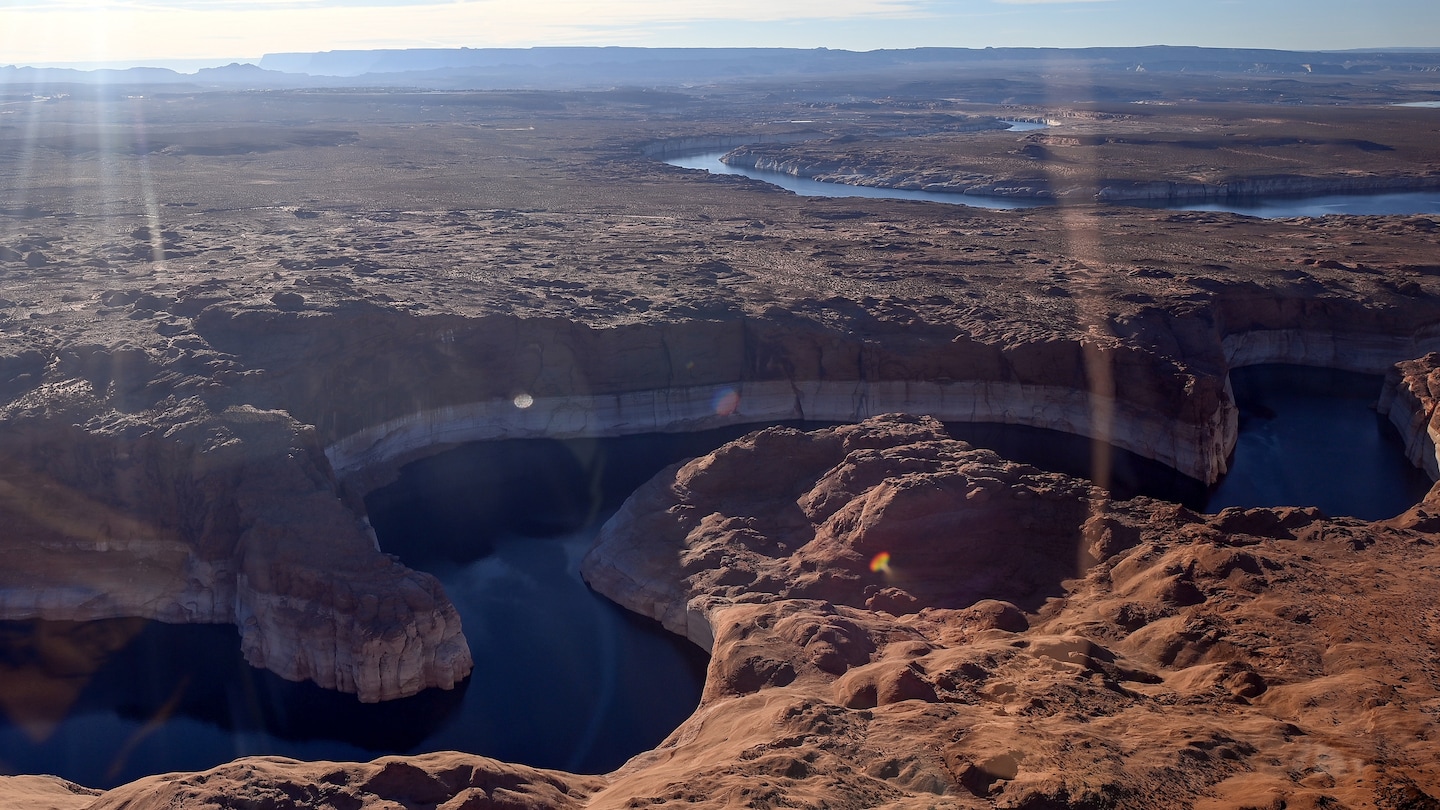
Western states are engaged in a high-stakes dispute over the shrinking Colorado River, involving political, economic, and environmental tensions among states, industries, and tribes, with potential federal intervention to manage water allocations amid severe drought and legal conflicts.
In a 5-4 decision, the U.S. Supreme Court rejected a proposed settlement between Texas and New Mexico over water rights related to the Rio Grande, citing the federal government's interests. Justice Neil Gorsuch dissented, arguing the decision defies a century of water law precedent and undermines state authority. The case highlights ongoing disputes exacerbated by climate change and water scarcity.
Navajo President Buu Nygren signed legislation for a proposed $5 billion water rights settlement to secure Colorado River supplies for the Navajo, San Juan Southern Paiute, and Hopi tribes, addressing severe water shortages and marking a significant step in tribal cooperation. The settlement, which requires Congressional approval, aims to provide essential water access to drought-stricken areas and is seen as crucial amid climate change and pandemic challenges.
An Australian company is planning to extract lithium from saline waters in southeast Utah, raising concerns about its potential impact on the Colorado River's water supply. The project aims to produce lithium for electric vehicle batteries using a low-carbon and environmentally responsible extraction process, but local residents and environmentalists are worried about the potential water usage and environmental impact. The company has acquired rights to freshwater from the Green River, leading to questions about the connection between groundwater and river water. The project reflects a broader global effort to ramp up lithium production for renewable energy technologies, but concerns persist about its potential effects on the environment and water resources.
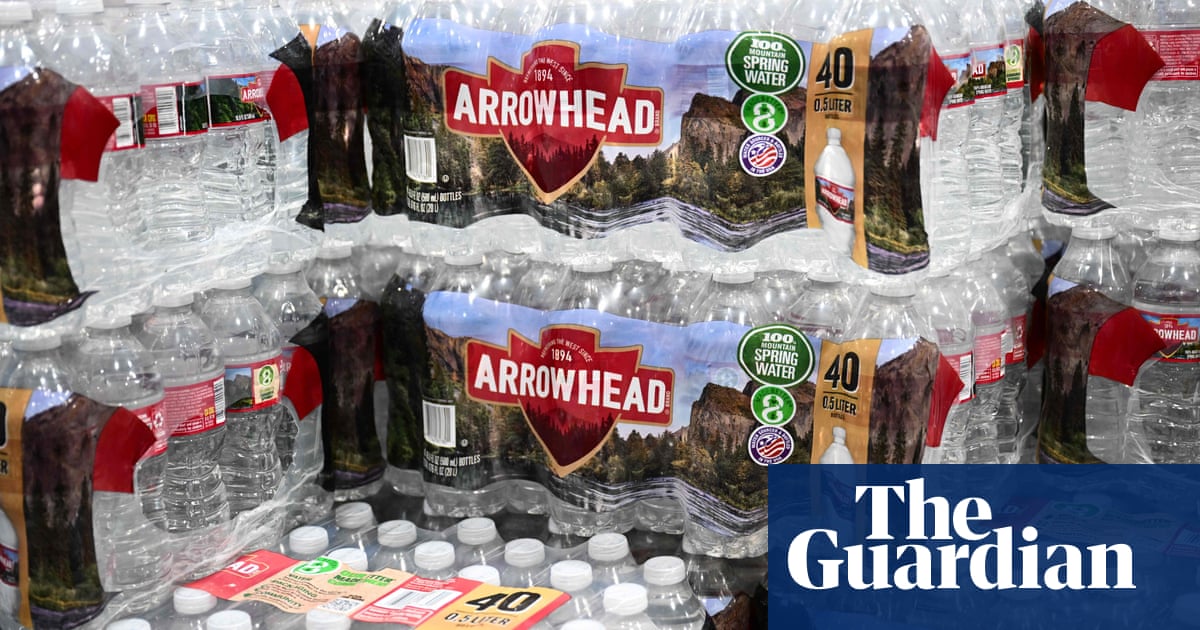
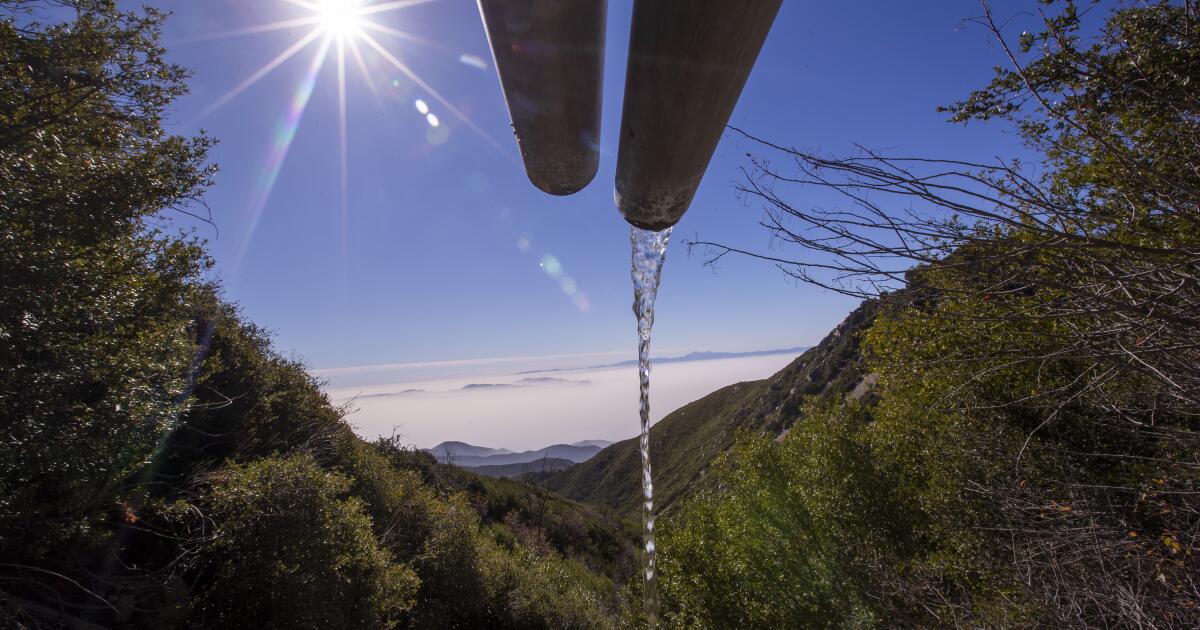
California has ordered BlueTriton, the owner of Arrowhead bottled water, to stop using natural springs in the San Bernardino mountains that it has been utilizing for over a century. The ruling comes after years of campaigning by environmentalists who argue that the company has drained an important creek, harming wildlife and increasing the risk of wildfires. The state water resources control board unanimously voted to significantly reduce the amount of water BlueTriton can take from public lands, although the company plans to sue to block the order. Community groups and activists consider this a victory in their fight to protect the environment and uphold state laws.
California water regulators have ruled that BlueTriton Brands, the company that bottles Arrowhead 100% Mountain Spring Water, must cease taking millions of gallons of water from springs in the San Bernardino Mountains. The State Water Resources Control Board unanimously ordered the company to stop diverting water through its pipelines, as it was found to be taking more water than it had rights to. Environmentalists have praised the decision, stating that it puts an end to the unlawful removal of water from public lands. BlueTriton Brands, which took over the business from Nestlé in 2021, has argued that it has valid water rights and plans to vigorously defend them.
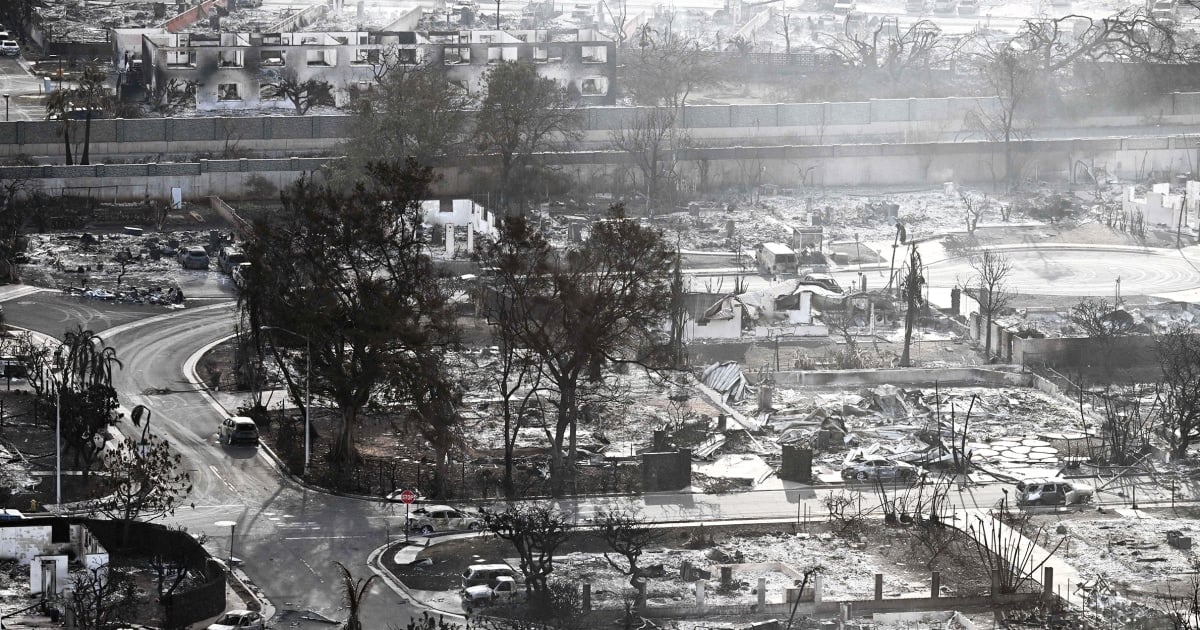
Residents of Maui, Hawaii, are expressing anger and frustration over the direction of early wildfire recovery efforts, questioning the actions of Governor Josh Green. The distrust in the government is particularly affecting the Native Hawaiian community, who fear that their hard-won rights could be eroded by emergency proclamations. The proclamations have suspended environmental and cultural reviews, as well as water code regulations, raising concerns about land use and water rights. The issue has become so contentious that the chief housing officer resigned due to threats against her family. Lawsuits have been filed challenging the governor's emergency proclamations, arguing that they go too far in suspending land-use and environmental laws.
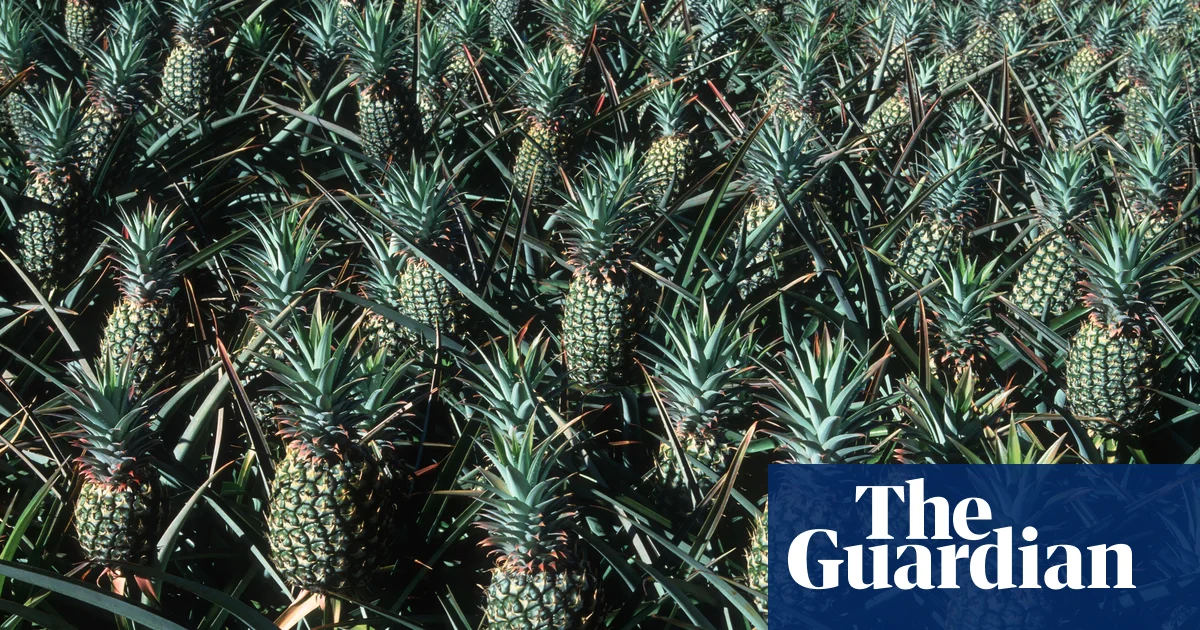
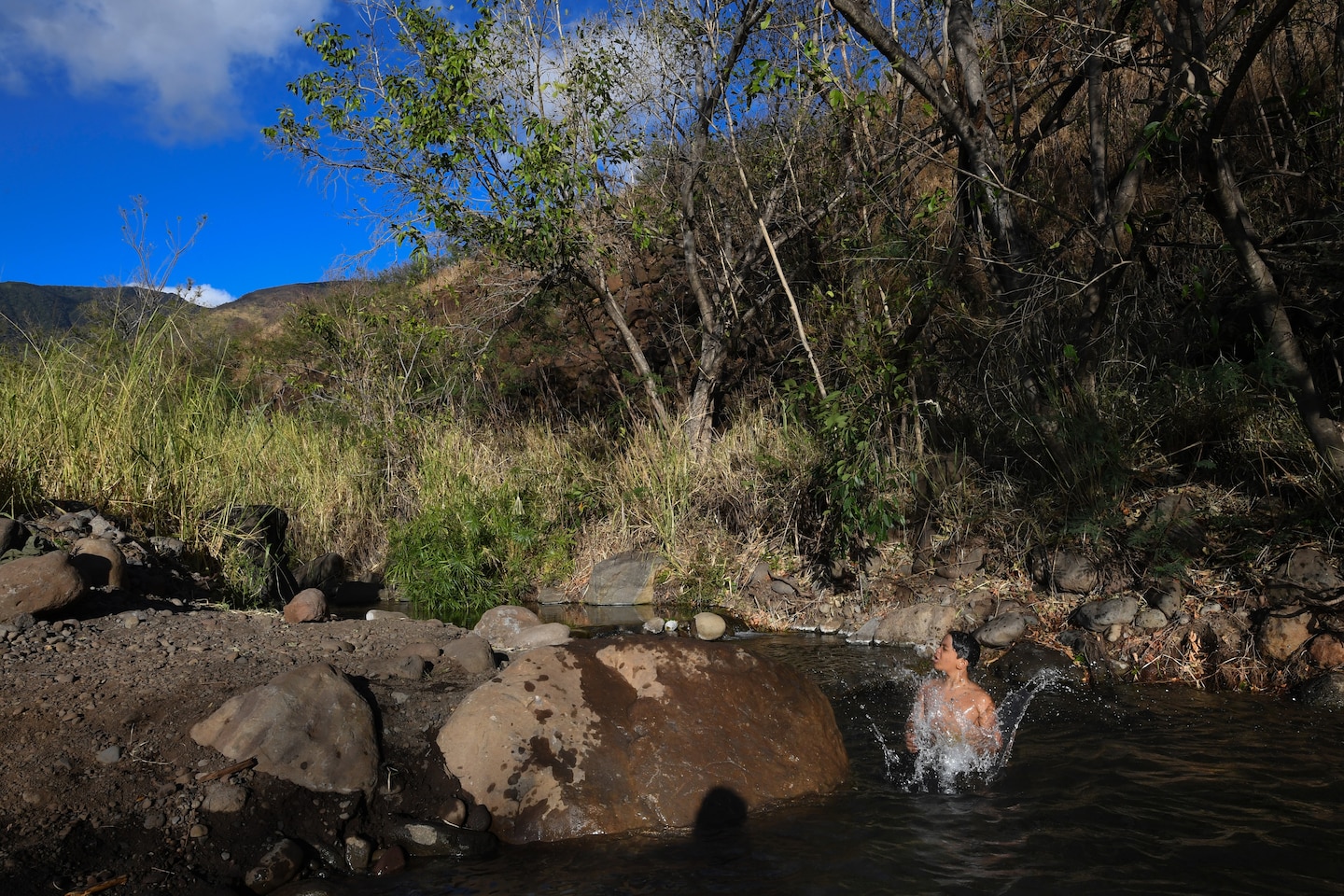
The transformation of Maui's natural resources into pineapple and sugar plantations by American and European colonists has led to the depletion of water sources and the destruction of biodiverse food forests. This altered ecology has contributed to the recent devastating wildfires in the historic west Maui town, which killed over 111 people. Large-scale agriculture, driven by extractive capitalism, replaced fertile land with monoculture crops, introduced invasive species, and poisoned water wells. The privatization of land and water rights by agricultural corporations further exacerbated the problem. Native Hawaiians have been fighting to reclaim their water rights and restore depleted streams for traditional practices. However, the recent fire has disrupted these efforts, with concerns that developers may exploit the tragedy to acquire more land and water rights. To prevent future disasters, experts emphasize the need to restore wetlands and ecosystems that once provided sustenance and acted as a natural buffer against wildfires.
Native Hawaiians in Maui are engaged in a long-standing battle over water rights, with recent wildfires intensifying the conflict. Developers and government officials argue that water needs to flow more freely for fire protection, while Native Hawaiians emphasize the importance of water for cultural and agricultural purposes. The aftermath of the deadly Lahaina fire has led to accusations of scapegoating, with the government seeking to relax stream flow limits and developers requesting water to fill reservoirs. The dispute highlights the struggle to restore a less-flammable landscape that was destroyed by plantation farming, and the increasing vulnerability to wildfires due to climate change. The ongoing demand for housing and development in fire-prone areas further complicates the issue.
The US Supreme Court ruled that the federal government is not obligated to provide water infrastructure to the Navajo Nation beyond what is required by the 1868 treaty. While the decision was disappointing for the Navajo Nation, it reaffirmed the tribe's water rights and left open the possibility for negotiations and congressional action to address modern water needs and infrastructure. An estimated 30% to 40% of Navajo residents lack access to clean running water.
The US Supreme Court has rejected claims by Navajo leaders that the federal government was obligated to help secure and deliver water across the reservation. The ruling has disappointed and angered many, who argue that water is a human right and that the Navajo Nation has been fighting for water rights for decades. The Navajo Nation is the largest tribe in the US, with more than 300,000 enrolled members, and the decision affects only a small part of the reservation. The ruling may make it harder for tribes to argue that the US has a trust obligation to assist tribes.
The US Supreme Court has ruled against the Navajo Nation's claim that the US government had an obligation to determine the tribe's water needs and secure supplies to meet those needs. The 5-4 decision represents a setback for the tribe, which still lacks reliable water sources in many communities. The Navajo Nation is the largest Indigenous tribe on the Colorado River without defined water rights. The ruling has implications for other tribes seeking water rights and comes as the region faces a third decade of intensifying drought.
The US Supreme Court has ruled against the Navajo Nation's request for the federal government to secure water rights for its reservation in the West. Justice Brett M. Kavanaugh said that an 1868 peace treaty between the US and the Navajos does not require the federal government to take any "affirmative steps" to secure rights on behalf of the tribe to water from the Colorado River. Kavanaugh added that it is better for Congress and the president to "enact appropriations laws and to otherwise update federal law as they see fit in light of the competing contemporary needs for water."
The Supreme Court ruled against the Navajo Nation in a legal dispute over water access, finding that a 1868 treaty does not require the US to take affirmative steps to secure water for the tribe. The court divided 5-4 in its decision, with Justice Neil Gorsuch joining with the liberal wing of the bench in dissent. Despite lying largely within the Colorado River Basin, water is scarce, and up to 91% of Navajo households on some parts of the reservation lack access to water.
The US Supreme Court ruled against the Navajo Nation in a water rights case, stating that the tribe waited too long to file its claim against the state of Arizona. The case involved the San Juan River, which runs through the Navajo Nation's reservation and is a crucial source of water for the tribe. The ruling means that the Navajo Nation will not be able to claim a larger share of the river's water.