Tag

Neil Gorsuch

All articles tagged with #neil gorsuch

us-supreme-court1 year ago

Supreme Court Rejects Rio Grande Water Deal Between NM and TX

In a 5-4 decision, the U.S. Supreme Court rejected a proposed settlement between Texas and New Mexico over water rights related to the Rio Grande, citing the federal government's interests. Justice Neil Gorsuch dissented, arguing the decision defies a century of water law precedent and undermines state authority. The case highlights ongoing disputes exacerbated by climate change and water scarcity.

politicslaw2 years ago

"Supreme Court's Impact on Federal Agencies and Regulation"

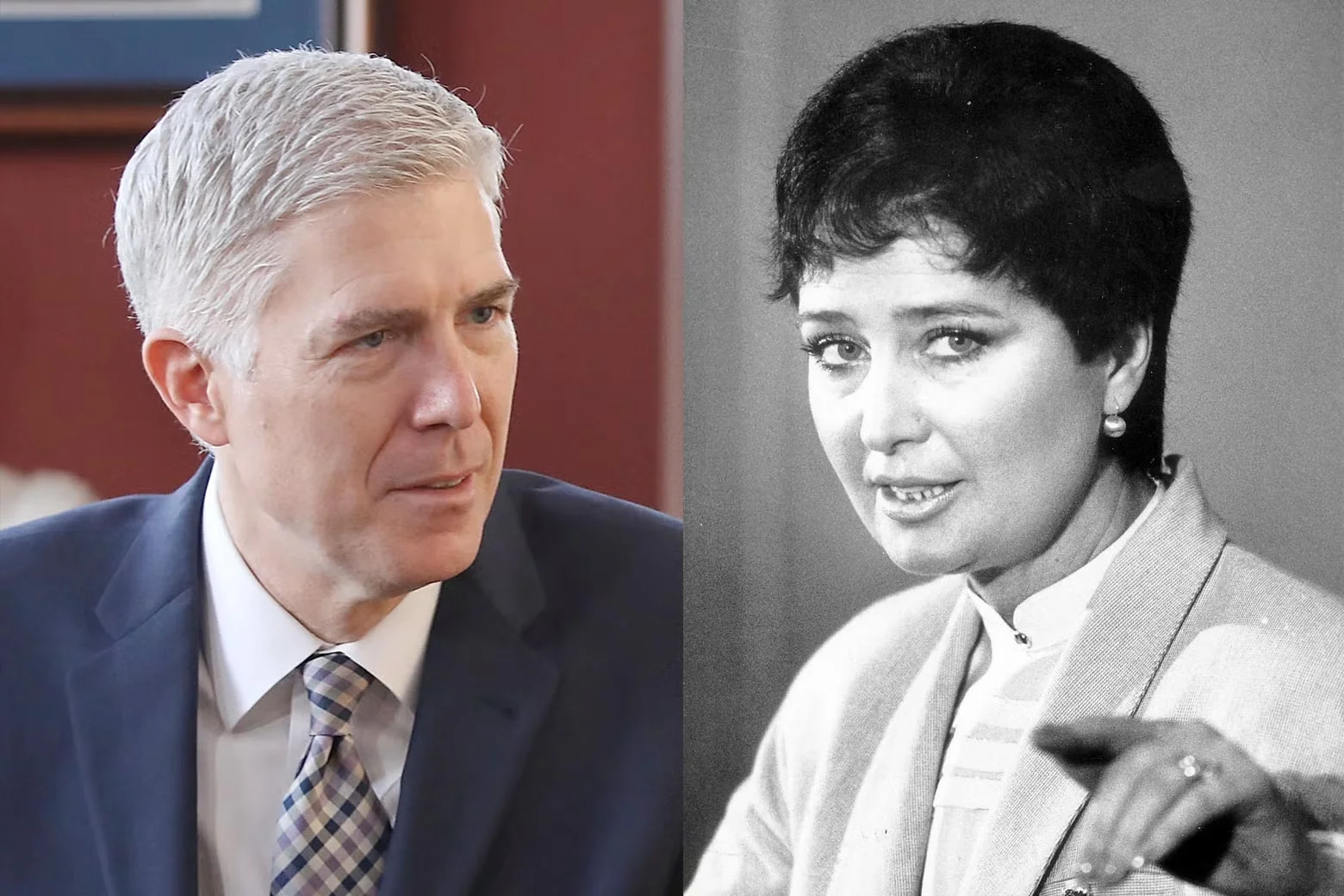
Supreme Court Justice Neil Gorsuch, son of former EPA chief Anne Gorsuch, has displayed a strong anti-regulatory stance, voting against regulations for the environment, student-debt forgiveness, and Covid-19 precautions. He has led calls to reverse the 1984 Chevron doctrine, which gives federal agencies considerable regulatory latitude. The upcoming Supreme Court cases will test the fate of this doctrine, which has been a touchstone for resolving conflicts over agency power. The outcome could significantly impact the balance of power between federal agencies and the courts.

legalsupreme-court2 years ago

"Supreme Court Case Raises Concerns Over Ties to Oil Baron and Regulatory Power"

A government watchdog has called for Supreme Court Justice Neil Gorsuch to recuse himself from an upcoming case due to his close ties to billionaire oil baron Philip Anschutz, who stands to benefit from the ruling. The case, Loper Bright Enterprises v Raimondo, could have wide-ranging implications on federal health and environmental regulation by potentially removing the Chevron deference principle. Gorsuch's past connections to Anschutz, including being recommended for a court of appeals position by the billionaire, have raised concerns about conflicts of interest and the integrity of the Supreme Court.

politics2 years ago

"Justice Gorsuch's Swift Approval: Inside the Supreme Court's Decision to Overturn Roe"

Supreme Court Justice Neil Gorsuch reportedly took just 10 minutes to approve a 98-page draft of the opinion that would remove the federal right to abortion, as guaranteed for nearly 50 years. The draft, authored by Justice Samuel Alito in the case of Dobbs v Jackson, which struck down Roe v Wade, was circulated on February 10, 2022. Gorsuch's swift approval, along with three other conservative justices, without requesting any changes, demonstrated a display of conservative force and discipline. The leaked draft opinion was eventually passed down in June, leading to celebrations among conservatives and protests from progressives. The Supreme Court remains at the center of the abortion rights debate, with another critical abortion decision on the horizon.

jurisprudence2 years ago

Supreme Court's Impact on Workplace Bias and Discrimination Cases

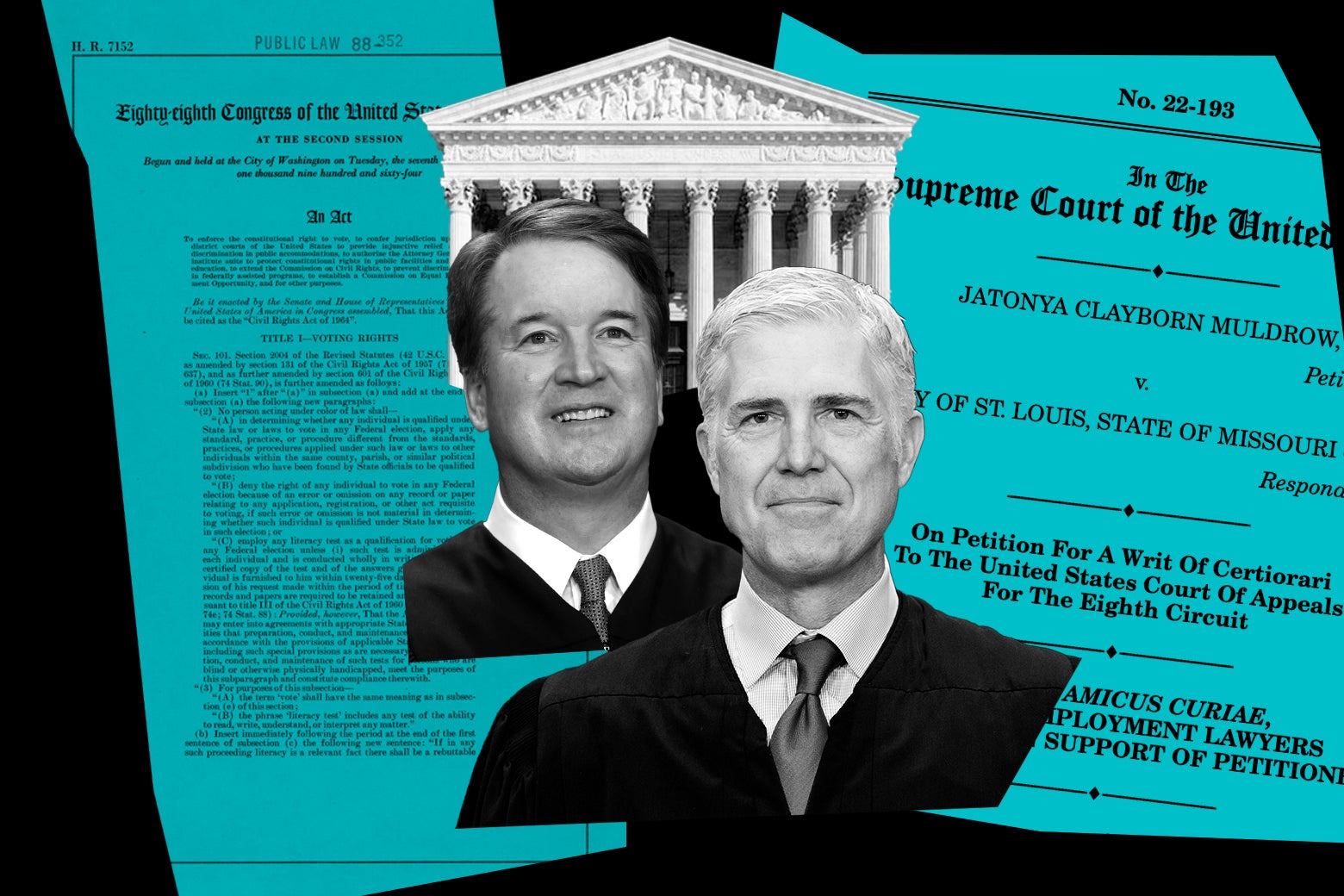
The Supreme Court indicated its intent to protect workers' rights by shutting down the anti-worker regime that requires victims to prove special harm in order to sue for discrimination. Justices Gorsuch and Kavanaugh, along with liberal justices, united behind the plain language of the law to improve the lives of working people. However, their support for a vigorous enforcement of the law may have an ulterior motive, potentially impacting affirmative action in the workplace. The case in question involves a female police officer who was transferred to a less "dangerous" job due to her gender, and the Court is considering whether such transfers alone violate Title VII of the Civil Rights Act.

jurisprudence2 years ago

Supreme Court's Dynamic Duo: Ketanji Brown Jackson and Neil Gorsuch

The Supreme Court heard arguments in the case of Pulsifer v. United States, which centers around the interpretation of the word "and" in the First Step Act, a criminal justice reform bill. Mark Pulsifer, who pleaded guilty to a drug-related felony, argues that he should be eligible for a sentencing reduction because he does not meet all three eligibility criteria outlined in the law. Federal prosecutors argue that anyone who fails to meet any of the criteria is ineligible for relief. The justices engaged in a detailed analysis of the language and implications of the law, with Justice Gorsuch expressing concern about the power imbalance between defendants and the government. The court's decision will have implications for future criminal justice reform efforts.

politics2 years ago

Supreme Court decisions threaten environmental protections and child labor laws.

Justice Clarence Thomas's concurring opinion in the recent Supreme Court decision on the Clean Water Act would severely limit Congress's power to legislate, endangering countless laws governing private business, including the federal ban on child labor, minimum wage, and workplace discrimination. Thomas argues that the federal government's authority over the "channels of interstate commerce" is limited only to the power to "keep them open and free from any obstruction to their navigation." This approach could gut much of the Clean Water Act and allow a chemical company to dump countless tons of a deadly poison into the Mississippi River.

politics2 years ago

Justice Gorsuch Criticized for Calling COVID Response "Greatest Intrusion on Civil Liberties"

Supreme Court Justice Neil Gorsuch used a statement in a lawsuit over the Title 42 public health order to give a scathing overview of how civil liberties were trampled during the COVID-era. Gorsuch argued that fear and the desire for safety can lead to a clamor for action, and that officials at the state level should reexamine the scope of emergency powers. He also suggested that decisions made through the legislative process are typically wiser than decisions made by a few. The end of Title 42 brought with it concerns of a new flood of migrants into the U.S.

politics2 years ago

Supreme Court dismisses Title 42 case on COVID-related immigration policy.

The Supreme Court dismissed an appeal challenging the end of Title 42, the pandemic-era policy allowing border officials to expel migrants seeking asylum. Justice Neil Gorsuch issued a scathing statement questioning the use of presidential emergency powers. The Biden administration said it is still assessing the impact of the end of controversial immigration rules known as Title 42. The rules had been in place for three years as part of the federal public health emergency for COVID-19.

politics2 years ago

Supreme Court Ethics Under Scrutiny: Calls for Higher Standards and Oversight.

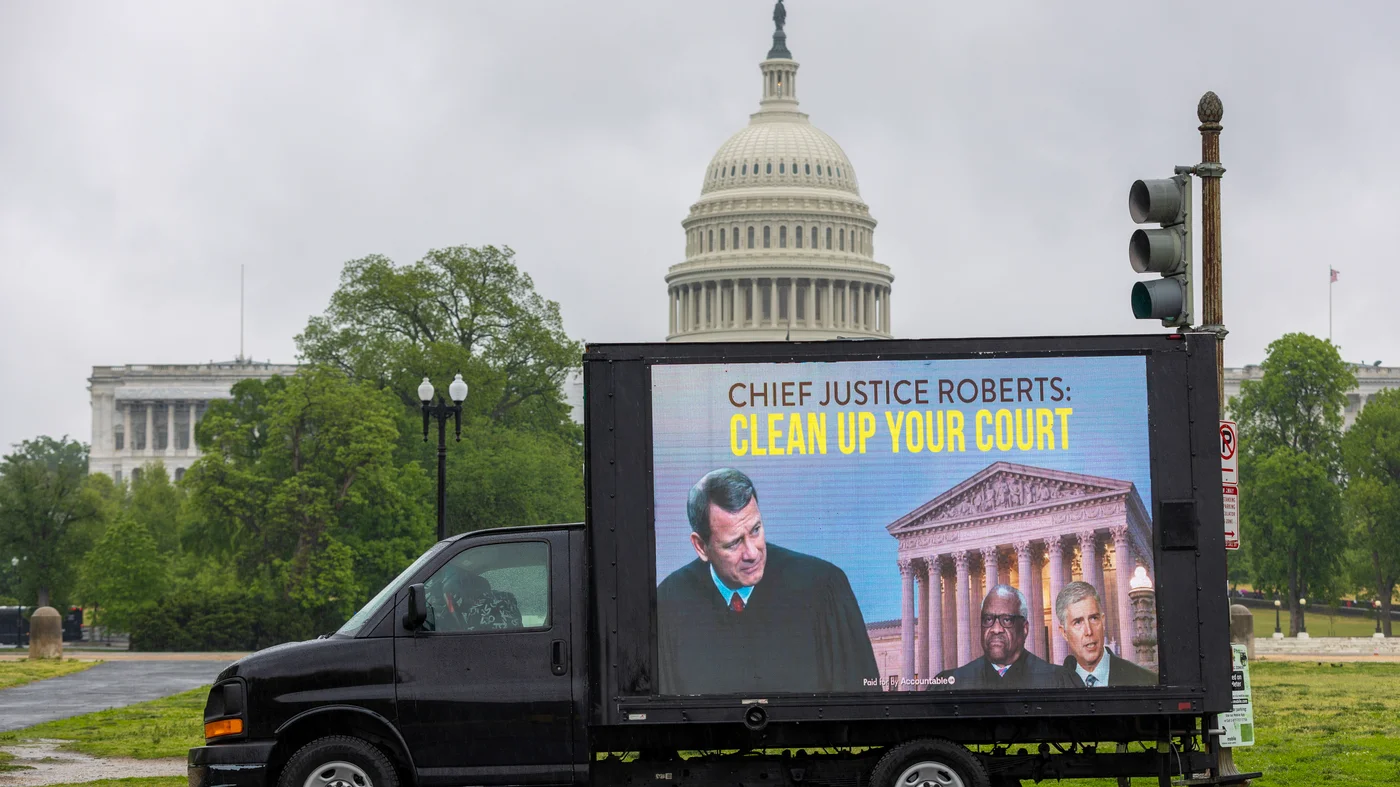
The Senate Judiciary Committee is holding a hearing on ethical standards for the Supreme Court following recent controversies involving Justices Clarence Thomas and Neil Gorsuch. Democrats and judicial watchdog groups are pushing for intervention, but Chief Justice John Roberts declined an invitation to appear before Congress. The hearing is scheduled to begin at 10 a.m. ET.

politics2 years ago

Senate Judiciary Committee discusses need for Supreme Court code of ethics

The Senate Judiciary Committee will hold a hearing on Supreme Court ethics reform on Tuesday, despite Chief Justice John Roberts declining to testify. The Supreme Court doesn't follow the ethics code that applies to other federal courts, and several bills have been introduced to require the court to adopt an ethical code of conduct. Last month, Justice Clarence Thomas didn't disclose two decades of luxury vacations paid for by a wealthy Republican donor, and last week, Justice Neil Gorsuch didn't disclose the identity of the person who bought property from him in Colorado. The hearing will examine "common sense proposals" for ethical guidelines.

jurisprudence2 years ago

Gorsuch's undisclosed property deals spark Supreme Court ethics crisis.

Supreme Court Justice Neil Gorsuch's sale of a property to the CEO of a law firm with cases before the court, and his failure to disclose the buyer's name, raises concerns about corruption and impartiality. The US Code requires judges to disqualify themselves in cases where their impartiality may be questioned, and there are penalties for willful violations of financial disclosure requirements. Congress has the authority to tighten financial disclosure requirements and introduce an enforceable ethics code for the Supreme Court, but Republicans are likely to block such measures. The Senate must assert its constitutional responsibilities and hold hearings to increase the legitimacy and credibility of the court.

politics2 years ago

Gorsuch's Property Sale Raises Conflict of Interest Concerns

Supreme Court Justice Neil Gorsuch sold a 40-acre property in Colorado to Brian Duffy, CEO of Greenberg Traurig, one of the nation's largest law firms, for $1.825 million in 2017. The sale occurred just nine days after the Senate voted to approve Gorsuch's appointment to the Supreme Court. Gorsuch did not disclose the identity of the buyer on his disclosure forms, but did disclose earning between $250,001 and $500,000 from the sale. Greenberg Traurig has brought cases of all kinds to higher courts, and Gorsuch has sided with lawyers from the firm eight times out of 12 cases tracked by Politico. One of the cases where he sided with the firm was the momentous West Virginia vs. EPA case, which threw a wrench into the future effectiveness of any similar plans to regulate emissions from power plants.

politics2 years ago

Supreme Court Justice Gorsuch's Property Sale Raises Ethics Concerns

Democratic lawmakers are calling for ethics reform at the Supreme Court after Justice Neil Gorsuch sold a 40-acre property to the CEO of a law firm that had business before the court, without disclosing the buyer on his financial disclosure forms. The report has triggered fresh demands for the Supreme Court to adopt a binding code of ethics similar to the ones by which lower courts must abide. The revelations about Gorsuch prompted Democrats to call for him to step down or be impeached.

politics2 years ago

Supreme Court Justice Neil Gorsuch's Property Sale Raises Ethics Concerns

Justice Neil Gorsuch sold a vacation property in Colorado to Brian L. Duffy, the CEO of law firm Greenberg Traurig, one month after his appointment to the Supreme Court in 2017. Gorsuch did not disclose the buyer's identity on his financial disclosure form, which is not required by law, but has led to renewed calls for ethics reforms and greater transparency from the Supreme Court. Greenberg Traurig frequently has business before the court, and Gorsuch's ties to the firm's CEO have raised concerns about potential conflicts of interest.