Tag

Water Recycling

All articles tagged with #water recycling

space-exploration1 year ago

"Dune-Inspired Spacesuit Recycles Urine into Drinking Water for Astronauts"

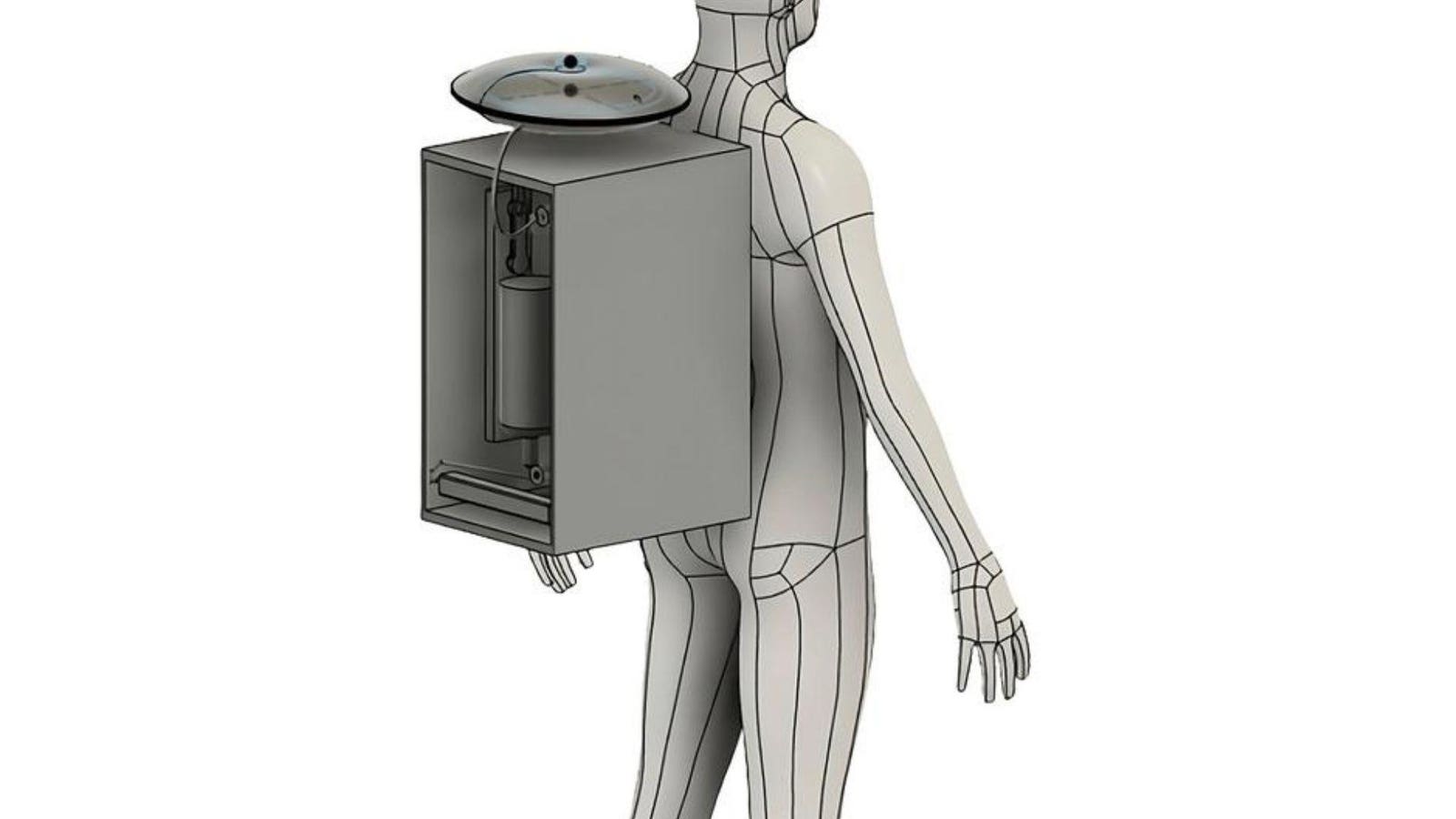
Researchers from Cornell University have developed a new "stillsuit" inspired by the Dune movies, designed to recycle urine into drinkable water for astronauts during spacewalks. This innovation aims to replace the current use of diapers, known as maximum absorbency garments (MAGs), which do not recycle waste and have caused health issues. The new suit features a urine collection and filtration system that is 86% efficient, providing a more hygienic and sustainable solution for long-duration space missions, including NASA's upcoming Artemis missions to the moon.
environment2 years ago

California Regulators Approve Recycling Sewage into Drinking Water

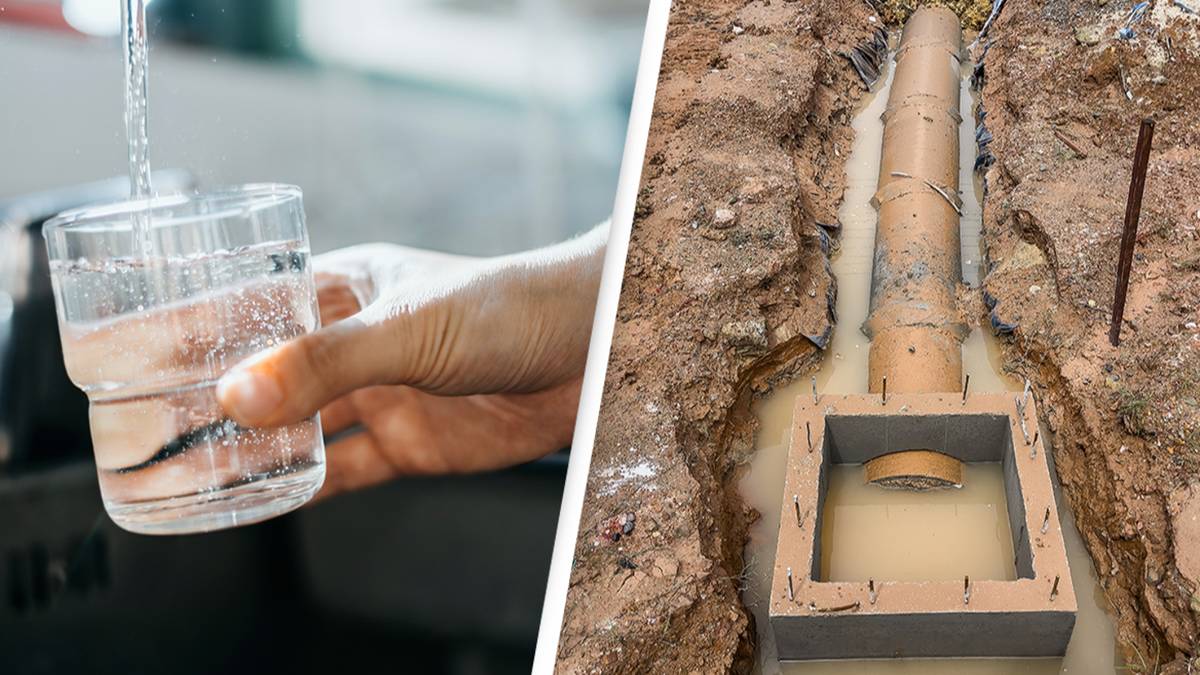
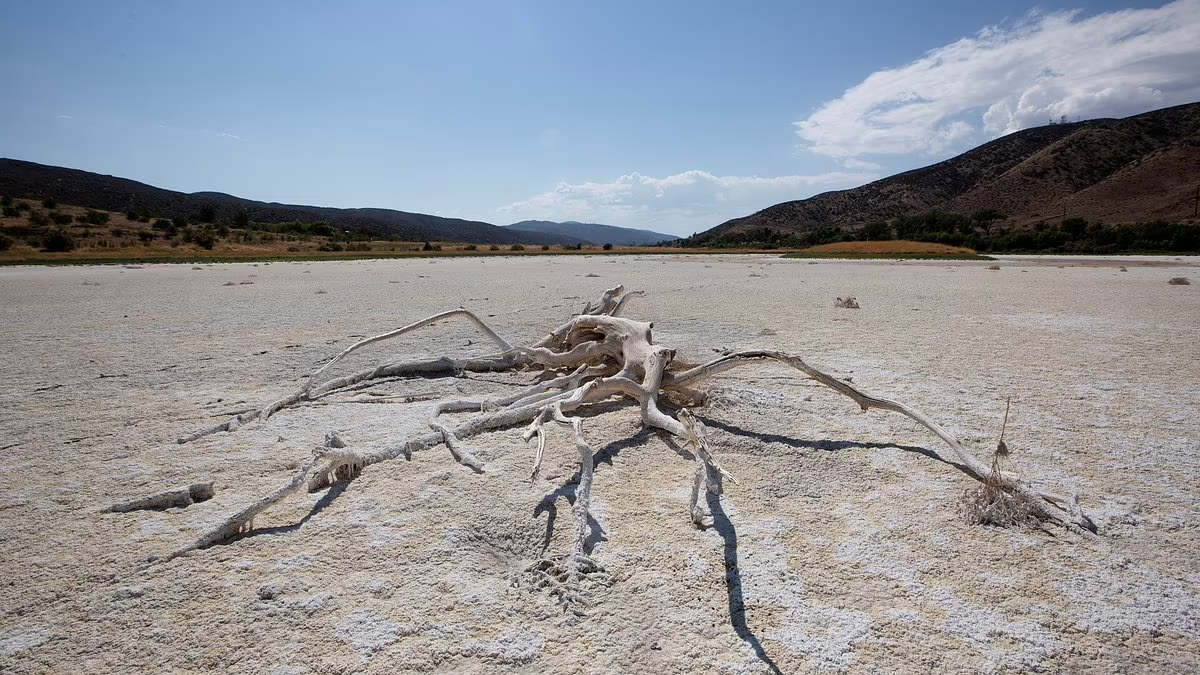
California regulators have approved rules for treating sewage and turning it into drinking water, a practice that has been used for decades but never before for direct consumption. The decision comes after years of scientific reviews and in response to the state's recurring droughts. The treated wastewater must meet stringent quality standards, including the removal of pathogens and viruses, before being added back into the drinking water system. While building the necessary treatment facilities is expensive and time-consuming, larger, well-funded cities are expected to lead the way in implementing this water recycling technology.

environment2 years ago

"California Embraces Recycling Sewage Waste into Safe Drinking Water"

California has approved new regulations allowing water agencies to recycle sewage waste and convert it into drinking water as the state faces water shortages. Suppliers are now permitted to purify wastewater and reintroduce it into the drinking water system. California, which experienced extreme droughts last year, is set to become the second state, after Colorado, to adopt these rules. The recycled water will undergo three levels of treatment to ensure it meets drinking water standards. The new regulations are expected to increase the overall water supply in the state and reduce reliance on imported water. However, the facilities required for this process are large and expensive to build, and it will take several years before the recycled water is available for consumption.

environment2 years ago

California Embraces Wastewater Recycling for Safe Drinking Water

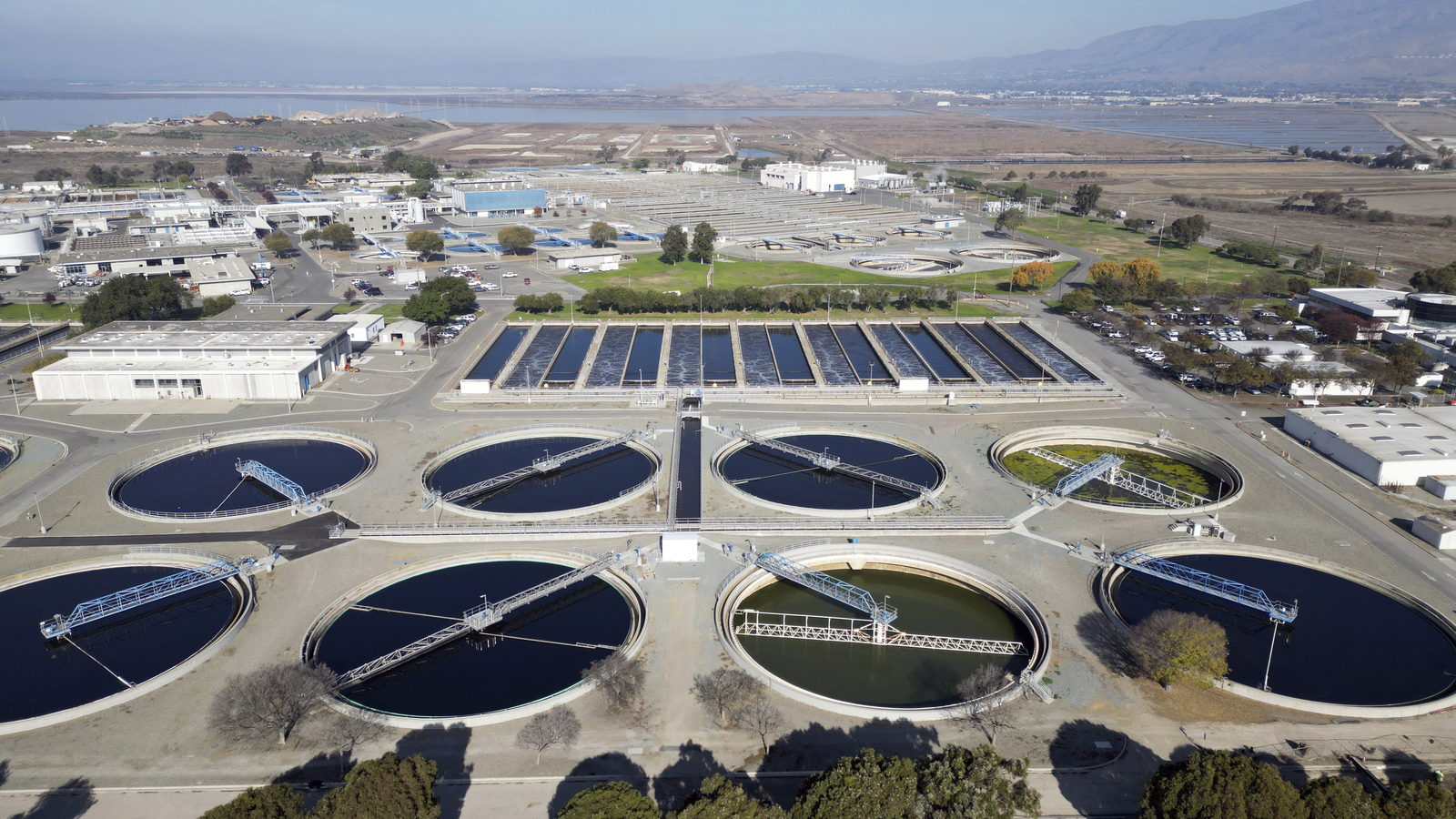
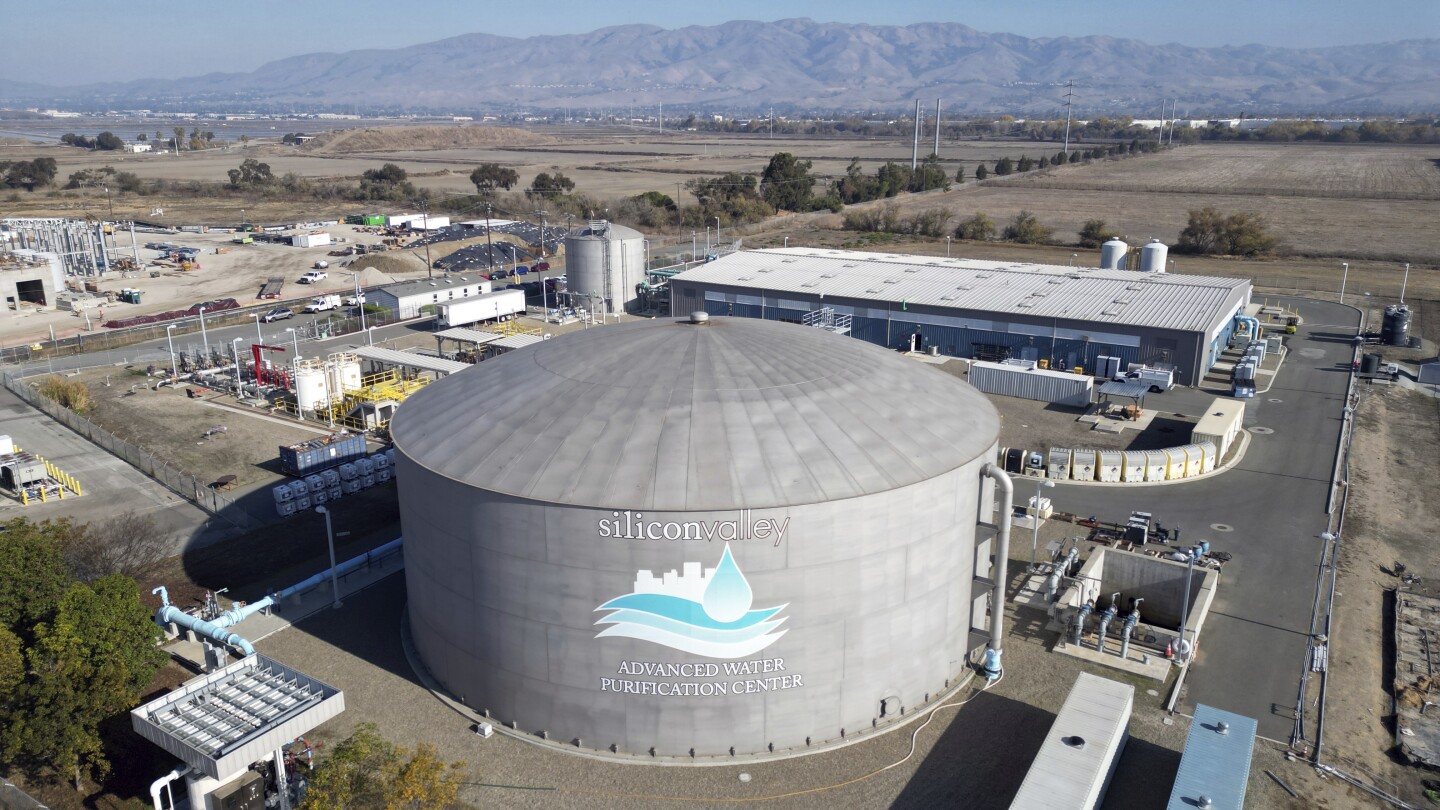
California has become the second state in the US, after Colorado, to allow agencies to purify wastewater and turn it into tap water as a response to drought conditions. The State Water Resources Control Board has adopted rules that permit the direct use of treated wastewater for drinking purposes. San Diego, Los Angeles, and Santa Clara are already preparing to build water purification systems to supply drinking water to hundreds of thousands of households. Advances in water purification technology and the strain on water supply due to climate change have softened public opposition to the idea. The newly permitted system allows recycled wastewater to be brought up to drinking standards in a matter of hours and pumped directly back into pipes that supply homes, schools, and businesses with drinking water.

environment2 years ago

California on the Verge of Approving Wastewater-to-Drinking Water Regulations

California regulators are set to vote on new rules that would allow water agencies to recycle wastewater and reintroduce it into the drinking water system. This move comes as the state has struggled with water scarcity and multiple extreme droughts. While California has been using recycled wastewater for various purposes, such as irrigation and making ice, this would be the first time it is directly used for drinking water. The proposed rules require stringent treatment to remove pathogens and viruses, making the recycled water of the same quality, if not better, than regular drinking water. However, building the necessary treatment facilities is expensive and time-consuming, limiting the initial implementation to larger, well-funded cities. Public support and awareness will be crucial for the success of these projects.

environment2 years ago

California Poised to Approve Wastewater-to-Drinking Water Regulations

California regulators are set to vote on new rules that would allow water agencies to recycle wastewater and reintroduce it into the drinking water system. This marks a significant step for a state that has faced water scarcity issues for years. The regulations would require stringent treatment of the wastewater to remove all pathogens and viruses, making the recycled water of the same quality, if not better, than regular drinking water. However, building the necessary treatment facilities is expensive and time-consuming, limiting the option to larger, well-funded cities initially. Public support and awareness will be crucial for the success of these projects.

technology2 years ago

"Clay chip fabs witness doubling of Micron's environmental impact in latest estimates"

Micron Technology's planned semiconductor plant in Clay, New York, is estimated to have double the environmental impact than previously anticipated, with water usage potentially reaching 20 million gallons per day. However, officials suggest that implementing a water recycling program could reduce this amount by half, potentially eliminating the need for an expensive water line from Lake Ontario to the plant.

science-and-technology2 years ago

NASA's breakthrough in recycling urine and sweat for long space missions.

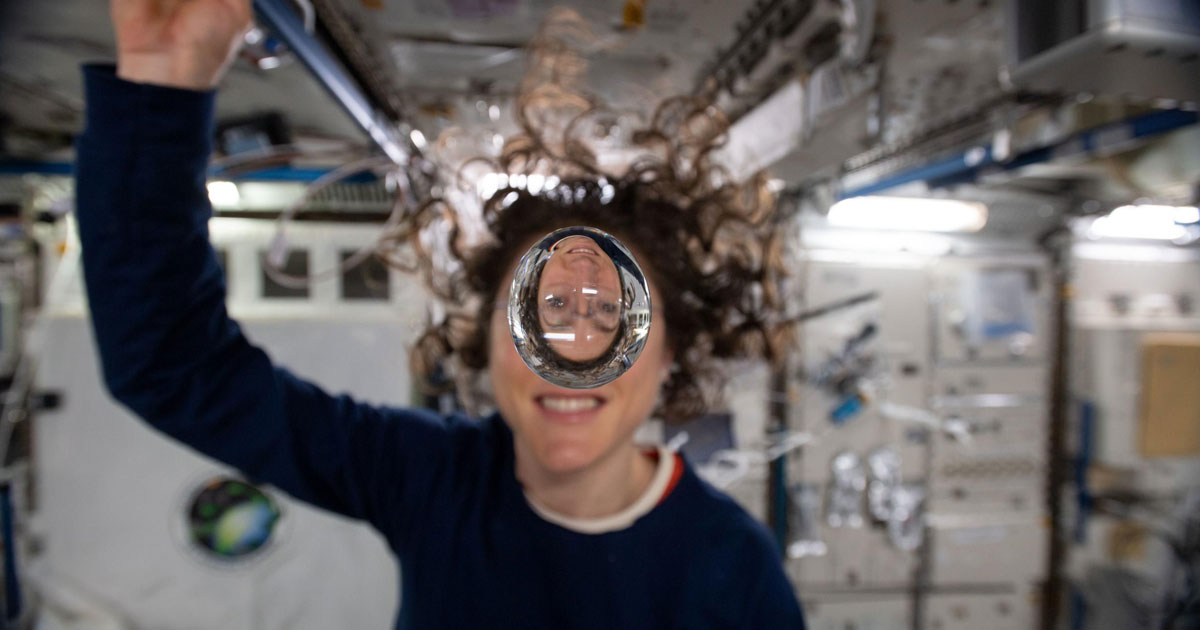
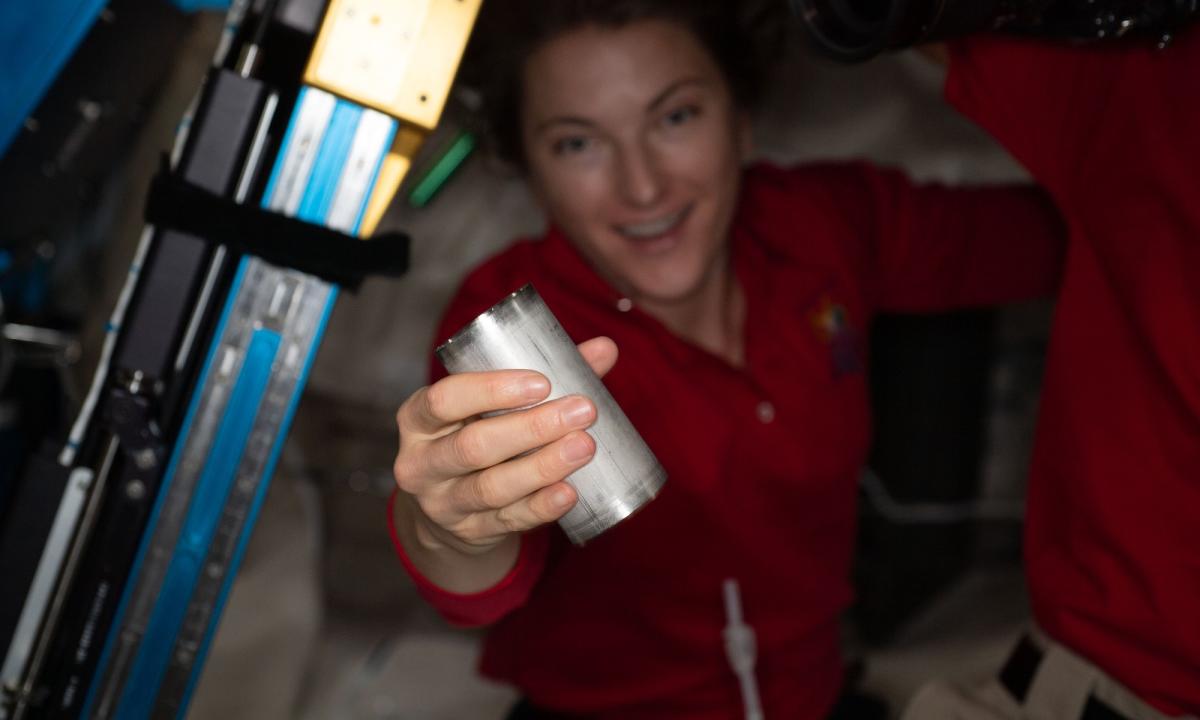
NASA has achieved a 98% water restoration rate on the International Space Station (ISS) using an advanced system that recycles astronauts’ urine and sweat into drinkable water. The breakthrough was made possible using the subsystems that are part of the Environment Control and Life Support Systems (ECLSS), which is aimed at recycling consumables such as food, air and water for further use in space. This development holds immense potential for future long interplanetary missions.

space2 years ago

NASA's Groundbreaking Success: 98% of Astronauts' Bodily Fluids Recycled into Drinkable Water

NASA has announced that astronauts aboard the International Space Station are drinking water that is 98% recovered from urine, breath, and sweat. This achievement is made possible by the space station's Environmental Control and Life Support System (ECLSS), which can turn collected wastewater into potable water. The system's Urine Processor Assembly (UPA) plays a crucial role in reclaiming water from urine. The resulting water is filtered and considered even cleaner than what we drink on Earth. This technology is important for future deep space missions, as it reduces the need to transport water and oxygen, allowing for more scientific payloads.

science-and-technology2 years ago

NASA's Groundbreaking Achievement: 98% of Astronaut Pee Transformed into Drinkable Water

NASA has announced that the International Space Station's Environmental Control and Life Support System (ECLSS) is now recycling 98 percent of all water brought onboard by astronauts. This is achieved through advanced dehumidifiers that capture moisture from crew breaths and sweats, as well as a urine processor assembly that recovers water from astronauts' urine. A new device has been developed to extract the remaining water from the urine brine, increasing the water recovery rate from 93 to 98 percent. NASA assures that the water is reclaimed, filtered, and cleaned to a higher standard than drinking water on Earth.

science-and-technology2 years ago

NASA Recycles Astronaut Sweat and Pee into Drinkable Water on ISS

NASA's Environmental Control and Life Support System (ECLSS) on the International Space Station is now recycling 98% of all water astronauts bring onboard, including moisture from breaths and sweat, and urine through vacuum distillation. A new device can extract the remaining water in the urine brine, increasing the water recovery rate from 93 to 98%. NASA assures that the water is cleaner than what we drink on Earth.

science-and-technology2 years ago

NASA Recycles Astronaut Sweat and Urine into Drinkable Water on ISS

NASA's Environmental Control and Life Support System (ECLSS) on the International Space Station is recycling 98% of all water astronauts bring onboard, including urine and sweat, into drinkable water. The system uses advanced dehumidifiers to capture moisture and a Urine Processor Assembly to recover what astronauts pee with the help of vacuum distillation. The system will be critical for future missions beyond Earth's orbit, reducing the amount of water and oxygen that needs to be shipped up and allowing the crew to focus on their mission.

science-and-technology2 years ago

NASA Engineers Thrilled as 98% of Astronaut Pee and Sweat Recycled on ISS

Astronauts aboard the International Space Station have achieved a 98% water recovery rate by recycling 98% of all astronaut pee and sweat, an important milestone for low-orbit space missions that aim to provide the basic needs of astronauts without resupply missions. The Environmental Control and Life Support System (ECLSS) achieved the water recovery milestone during a demonstration of the improved Urine Processor Assembly (UPA), which recovers water from urine using vacuum distillation. The ECLSS is made up of a combination of hardware, including a Water Recovery System that collects wastewater and advanced dehumidifiers that capture moisture from the air of the ISS as a result of the crew’s breath and sweat.

water2 years ago

Extreme Water Recycling: The Future of Cities?

San Francisco is leading the way in the trend of extreme decentralization of water and wastewater, with on-site recycling systems being installed in new commercial and residential buildings as well as districts. The systems will make water for nonpotable use cheaper than buying potable water from a centralized source, driving down demand for potable water and helping manage water more efficiently. The technology for buildings to capture and treat all their water to potable standards already exists, but the safety of direct reuse of recycled wastewater is still being studied, and U.S. regulations so far do not allow that. A fully circular system, in which water is reused on-site for both potable and nonpotable uses, is at least five to 10 years away in this country, experts say.