Tag

Life Support Systems

All articles tagged with #life support systems

science-and-technology2 years ago

NASA's breakthrough in recycling urine and sweat for long space missions.

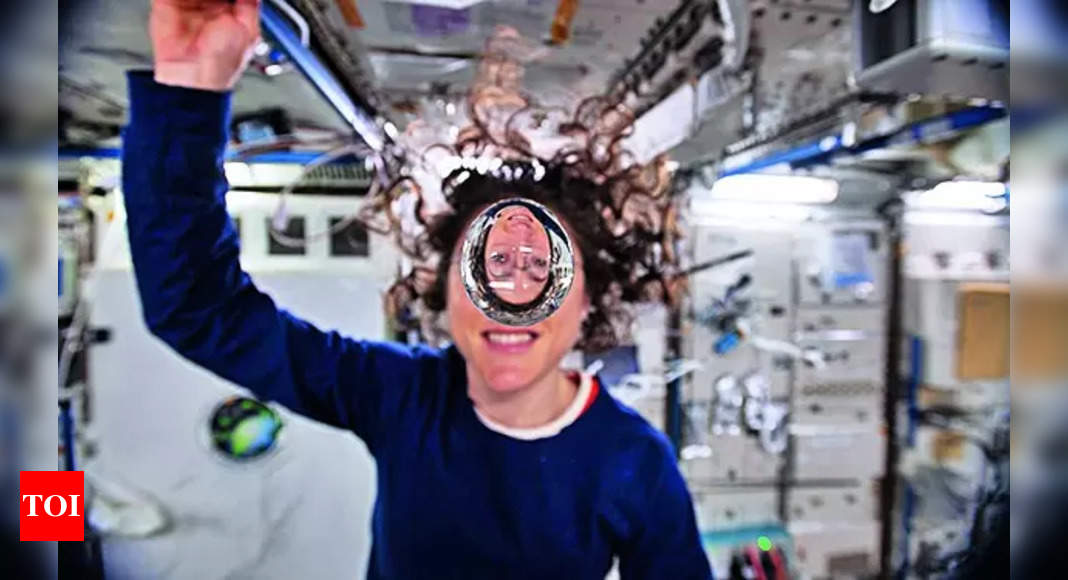
NASA has achieved a 98% water restoration rate on the International Space Station (ISS) using an advanced system that recycles astronauts’ urine and sweat into drinkable water. The breakthrough was made possible using the subsystems that are part of the Environment Control and Life Support Systems (ECLSS), which is aimed at recycling consumables such as food, air and water for further use in space. This development holds immense potential for future long interplanetary missions.
space2 years ago

NASA's Groundbreaking Success: 98% of Astronauts' Bodily Fluids Recycled into Drinkable Water

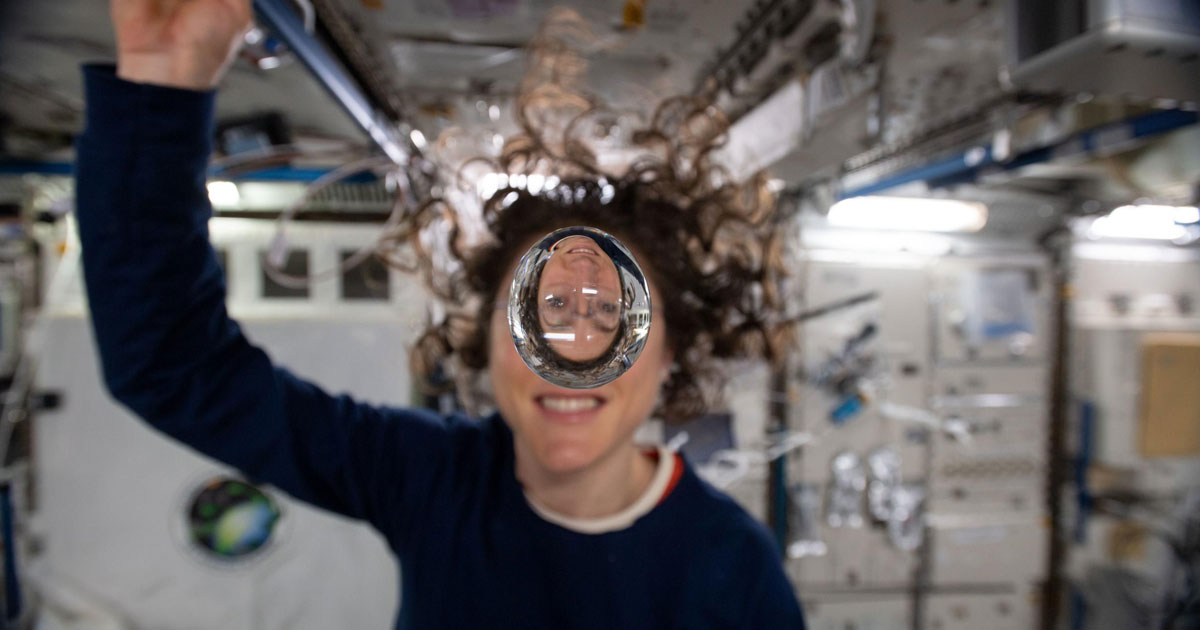
NASA has announced that astronauts aboard the International Space Station are drinking water that is 98% recovered from urine, breath, and sweat. This achievement is made possible by the space station's Environmental Control and Life Support System (ECLSS), which can turn collected wastewater into potable water. The system's Urine Processor Assembly (UPA) plays a crucial role in reclaiming water from urine. The resulting water is filtered and considered even cleaner than what we drink on Earth. This technology is important for future deep space missions, as it reduces the need to transport water and oxygen, allowing for more scientific payloads.

science-and-technology2 years ago

NASA Recycles Astronaut Sweat and Urine into Drinkable Water on ISS

NASA's Environmental Control and Life Support System (ECLSS) on the International Space Station is recycling 98% of all water astronauts bring onboard, including urine and sweat, into drinkable water. The system uses advanced dehumidifiers to capture moisture and a Urine Processor Assembly to recover what astronauts pee with the help of vacuum distillation. The system will be critical for future missions beyond Earth's orbit, reducing the amount of water and oxygen that needs to be shipped up and allowing the crew to focus on their mission.

science-and-technology2 years ago

NASA Engineers Thrilled as 98% of Astronaut Pee and Sweat Recycled on ISS

Astronauts aboard the International Space Station have achieved a 98% water recovery rate by recycling 98% of all astronaut pee and sweat, an important milestone for low-orbit space missions that aim to provide the basic needs of astronauts without resupply missions. The Environmental Control and Life Support System (ECLSS) achieved the water recovery milestone during a demonstration of the improved Urine Processor Assembly (UPA), which recovers water from urine using vacuum distillation. The ECLSS is made up of a combination of hardware, including a Water Recovery System that collects wastewater and advanced dehumidifiers that capture moisture from the air of the ISS as a result of the crew’s breath and sweat.

space2 years ago

Artificial Photosynthesis: Key to Thriving in Space.

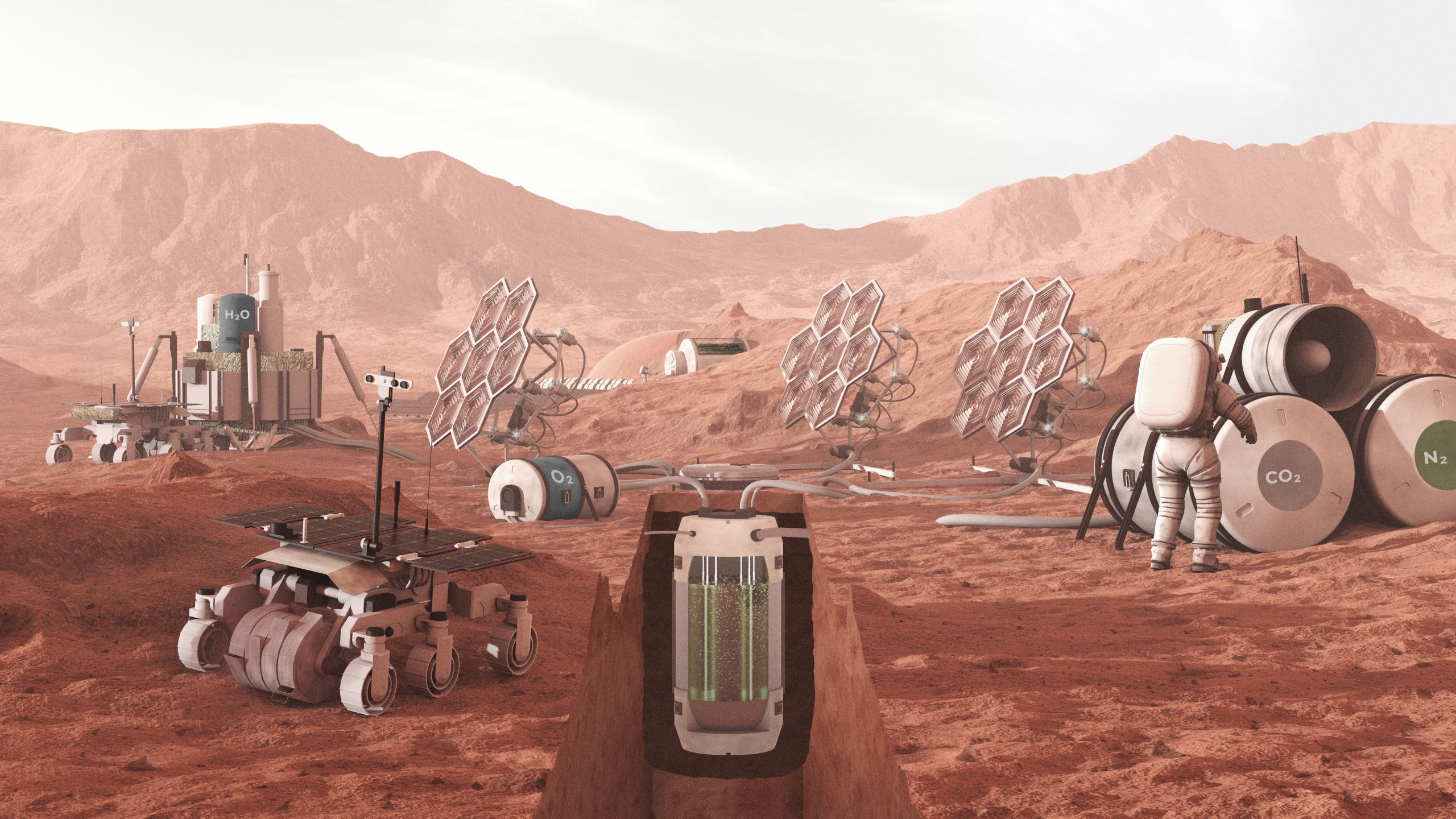
Researchers have proposed using artificial photosynthesis to create a new type of life support system for space exploration. The system would rely on semiconductor materials coated with metallic catalysts to convert CO2 and water into oxygen gas and hydrogen/carbon-based fuels. This would be highly beneficial for long-duration missions since it would combine reduced volume and weight with greater efficiency. Furthermore, the system would be easier to maintain since it would need less complex wiring and mechanical components. The technology is still in its infancy and requires several more years of additional research, but the potential returns would be immense, ranging from lightweight life support systems for long-duration missions to artificial atmospheres for habitats in LEO, on the Moon, and on Mars.

space2 years ago

Vast and SpaceX team up to launch world's first commercial space station.

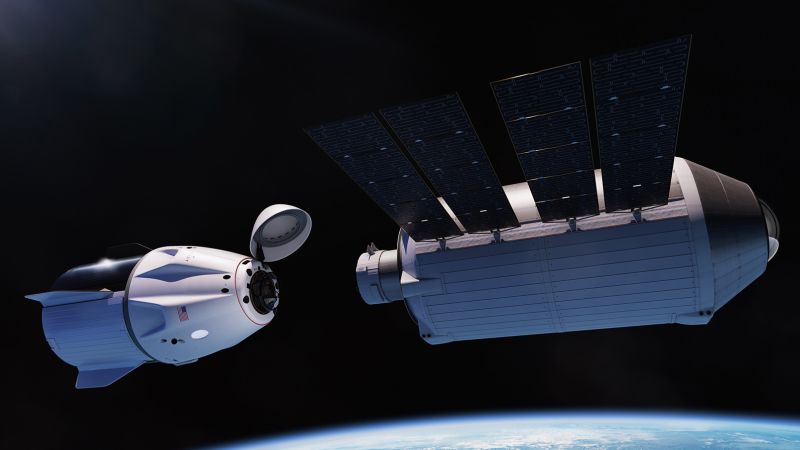
California-based startup Vast plans to launch the world's first commercial space station, Haven-1, using a SpaceX rocket. The company aims to ferry passengers to and from the orbiting outpost, including professional astronauts or tourists. Vast's founder and CEO, Jed McCaleb, is investing $300 million of his own money into the effort. The company plans to leverage the life support systems already developed for SpaceX's Dragon spacecraft. Vast's ultimate goal is to create a massive orbiting space station with artificial gravity that could be launched atop a SpaceX Starship vehicle.

space-technology2 years ago

China's Space Station Achieves Full Oxygen Regeneration in Orbit

China's Tiangong Space Station has achieved 100% oxygen regeneration and 95% water recycling, reducing the need for ground supplies by six tonnes annually. The system has six subsystems for various operations, such as the creation of oxygen, the removal of carbon dioxide, and the creation of water from carbon dioxide and hydrogen. The technology is among the greatest in the world, according to Bian Qiang, director of the environmental control and life-support engineering office under the Astronaut Center of China.