Tag

Water Purification

All articles tagged with #water purification

Simple Method to Eliminate Microplastics from Drinking Water

Originally Published 13 days ago — by ScienceAlert

Featured image for Simple Method to Eliminate Microplastics from Drinking Water
Source: ScienceAlert

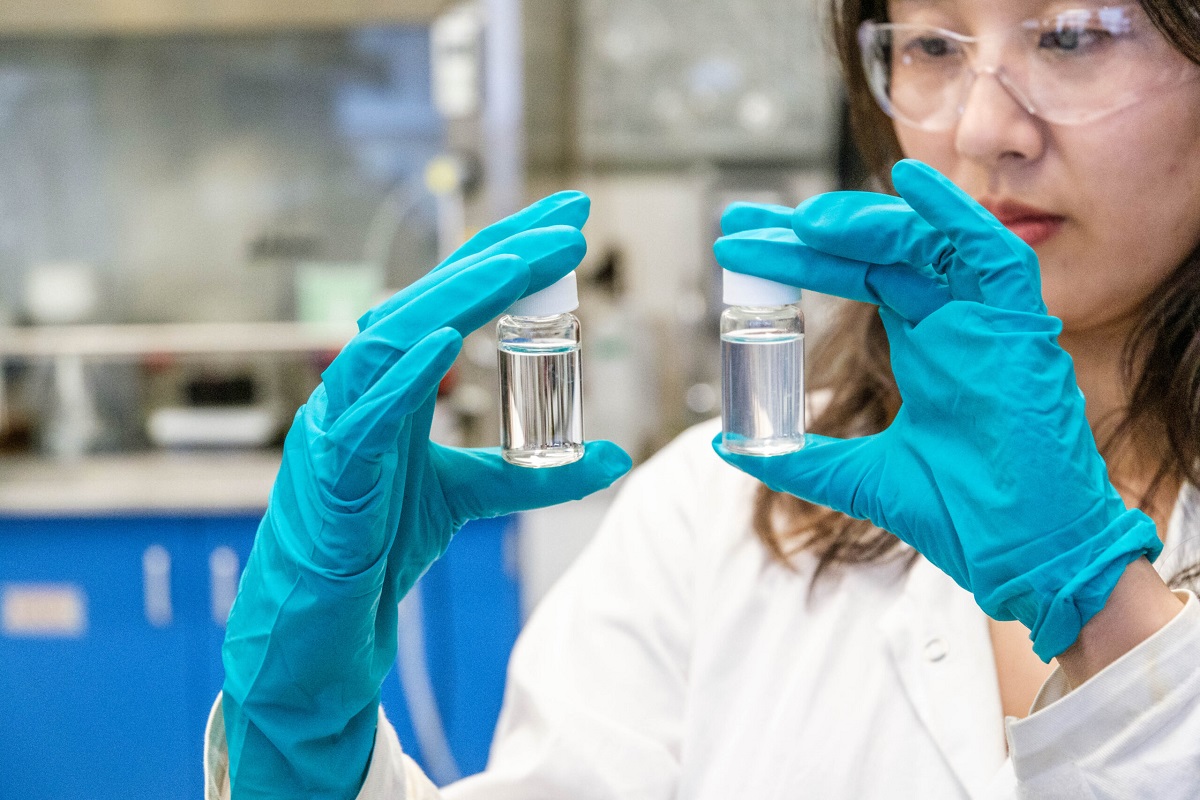
Scientists in China have found that boiling tap water and filtering it can remove up to 90% of microplastics, offering a simple and accessible method to reduce human exposure to these pollutants, especially in areas with hard water where calcium carbonate helps trap plastics during boiling.

Biochar's Hidden Power: Transforming Water Purification

Originally Published 3 months ago — by ScienceDaily

Featured image for Biochar's Hidden Power: Transforming Water Purification
Source: ScienceDaily

Research by Dr. Gao's team reveals that biochar can actively degrade organic pollutants through direct electron transfer, making it a more powerful and sustainable tool for water treatment than previously thought, potentially reducing chemical use and costs in wastewater management.

Simple Method Discovered to Eliminate Microplastics from Water

Originally Published 1 year ago — by ScienceAlert

Featured image for Simple Method Discovered to Eliminate Microplastics from Water
Source: ScienceAlert

Researchers from Guangzhou Medical University and Jinan University have discovered a simple method to remove up to 90% of microplastics from drinking water by boiling and filtering it. This process is effective for both hard and soft water, with hard water showing better results due to the formation of limescale that traps plastic fragments. The study suggests that drinking boiled water could become a widespread practice to reduce human exposure to microplastics, which are linked to health issues like changes in the gut microbiome and antibiotic resistance.

Innovative Magnetic Nanoparticles Clean Microplastics from Water

Originally Published 1 year ago — by Phys.org

Featured image for Innovative Magnetic Nanoparticles Clean Microplastics from Water
Source: Phys.org

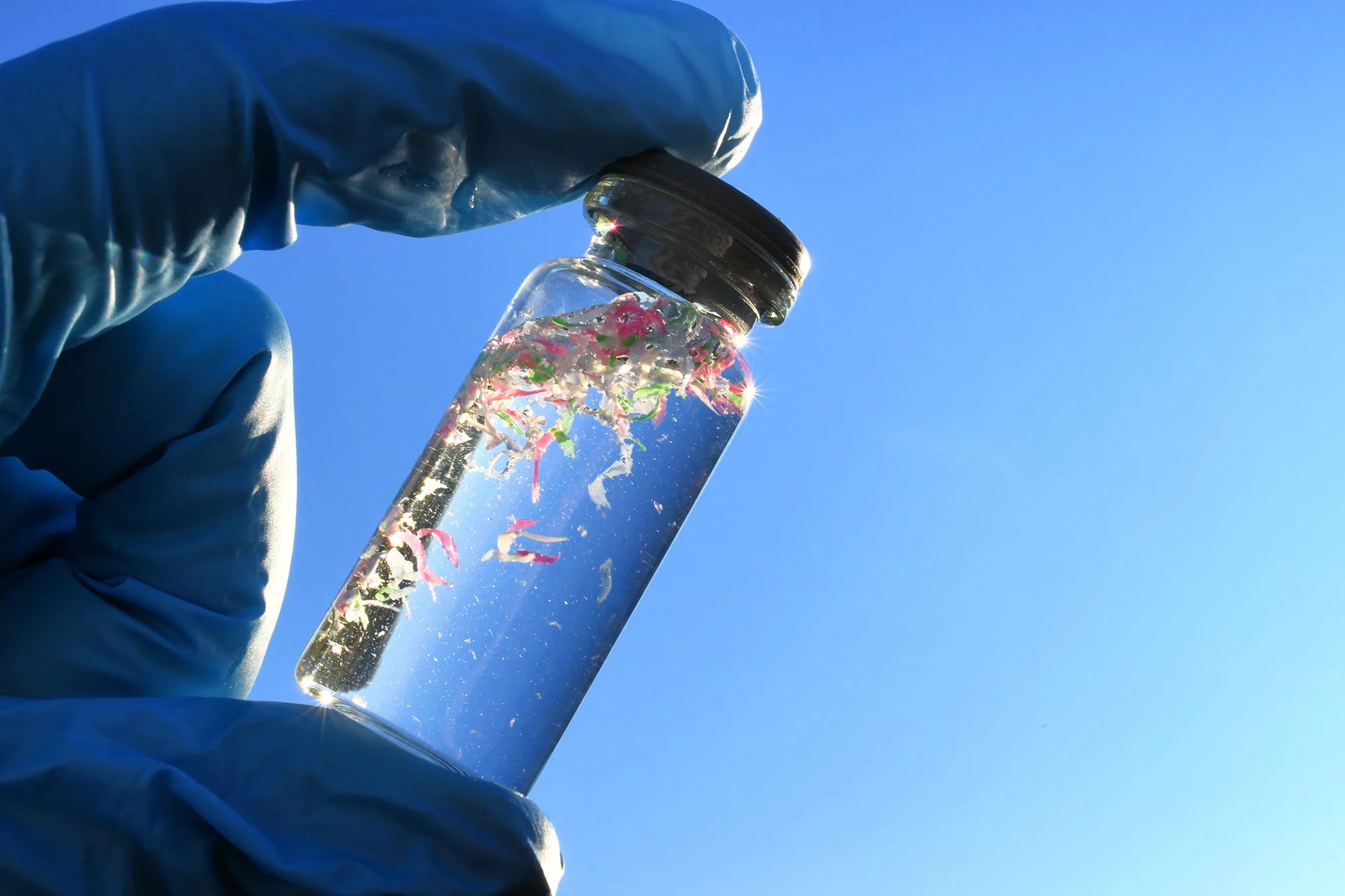
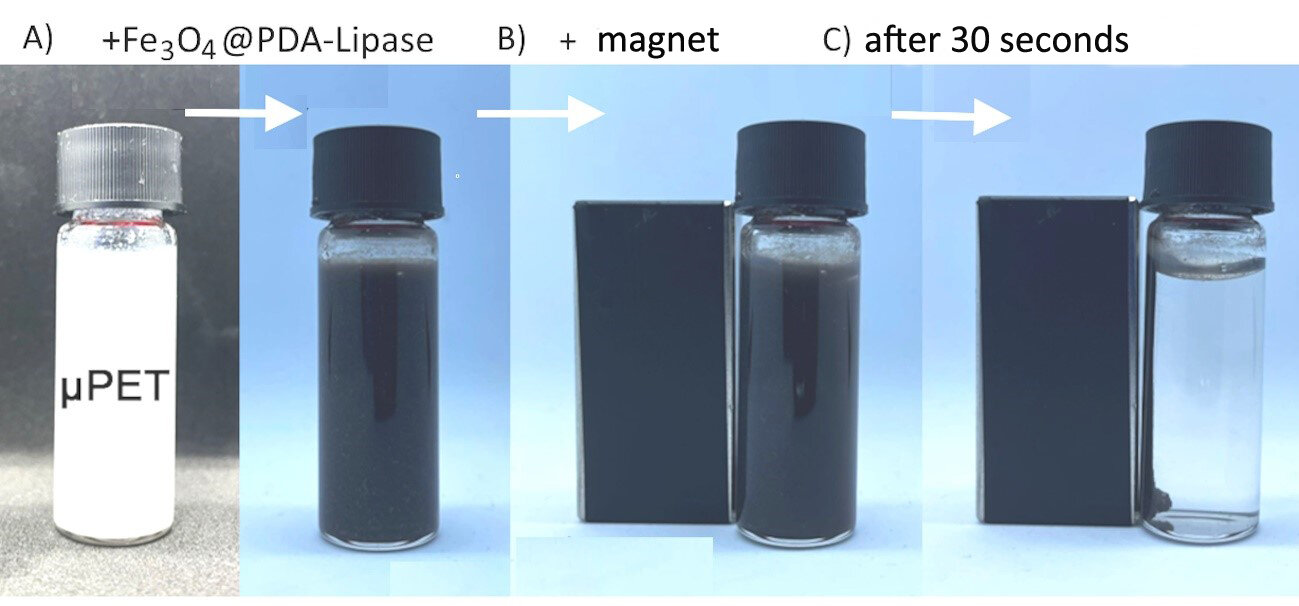
Researchers at the University of São Paulo have developed a low-cost method to remove micro- and nanoplastics from water using magnetic nanoparticles functionalized with polydopamine and lipase. This process allows the nanoparticles to bind with plastic waste, which can then be extracted using a magnet. The method not only removes plastics but also aims to degrade them into reusable components, contributing to sustainable recycling efforts. This innovation addresses the pervasive issue of plastic pollution in water systems.

"Nanodevices Challenge Prior Understanding by Seemingly Producing Energy Out of Thin Air"

Originally Published 1 year ago — by The Cool Down

Featured image for "Nanodevices Challenge Prior Understanding by Seemingly Producing Energy Out of Thin Air"
Source: The Cool Down

Scientists at the Swiss Laboratory of Nanoscience for Energy Technologies have discovered a way to harness the power of evaporation to simultaneously produce clean water and clean electricity using specialized nanodevices, contradicting prior understanding that highly purified water was required for best performance. This finding has significant implications for providing clean water and electricity to areas in need, as well as for various applications such as sensors and wearable fitness devices.

"Breakthrough Method Purifies Glyphosate-Contaminated Water, Brazilian Researchers Reveal"

Originally Published 2 years ago — by Phys.org

Featured image for "Breakthrough Method Purifies Glyphosate-Contaminated Water, Brazilian Researchers Reveal"
Source: Phys.org

Researchers at São Paulo State University in Brazil have developed a method for removing glyphosate, a commonly used herbicide, from water using sugarcane bagasse. The technique involves isolating and chemically functionalizing the bagasse fibers, which can then adsorb glyphosate from water through processes like filtration or centrifugation. The researchers found that the most efficient removal occurred at pH 14. Glyphosate is known to pose health risks, and its use is restricted or banned in several countries. The method developed by the Brazilian researchers offers a potential solution for purifying water contaminated with glyphosate.

Revolutionary Device Removes 99.9% of Microplastics from Water, Say Scientists

Originally Published 2 years ago — by Futurism

Featured image for Revolutionary Device Removes 99.9% of Microplastics from Water, Say Scientists
Source: Futurism

Scientists from the University of British Columbia and Sichuan University have developed a plant-based water filtration device called "bioCap" that can eliminate between 95.2 and 99.9 percent of microplastics from drinking water. The device, made from fruit tannins and sawdust, was found to prevent the accumulation of microplastics in the organs of mice. The bioCap solution can remove various types of microplastics, including microfibers from clothing and microbeads from cleansers, without causing further pollution. This organic and efficient solution offers hope in addressing the growing microplastics problem.

Solar-Powered Catalyst Produces Hydrogen Peroxide for Water Disinfection

Originally Published 2 years ago — by Hackaday

Featured image for Solar-Powered Catalyst Produces Hydrogen Peroxide for Water Disinfection
Source: Hackaday

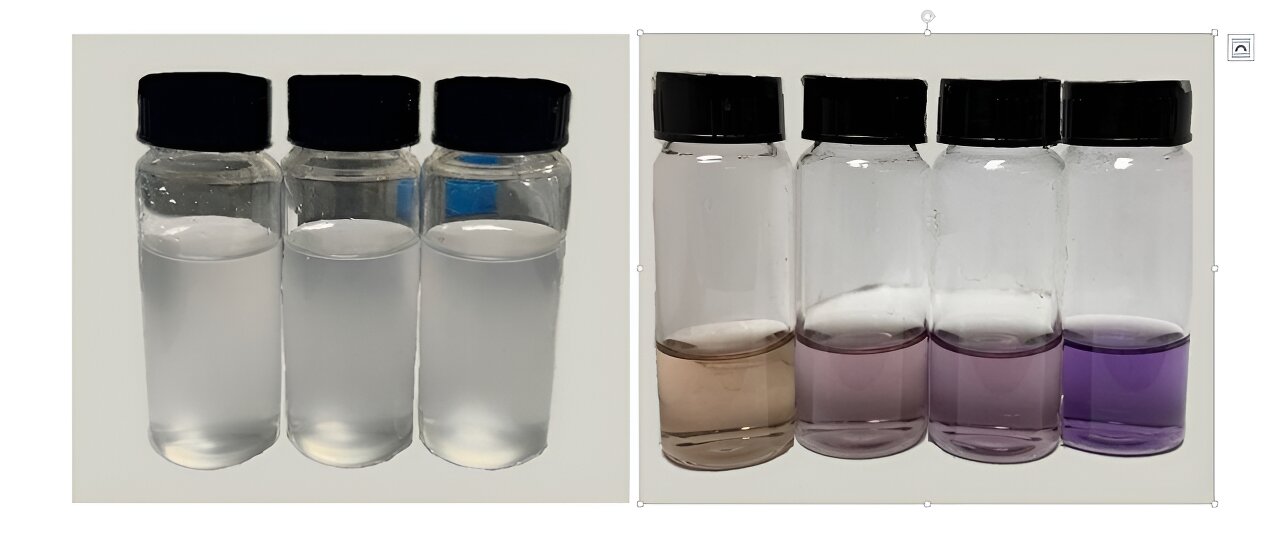
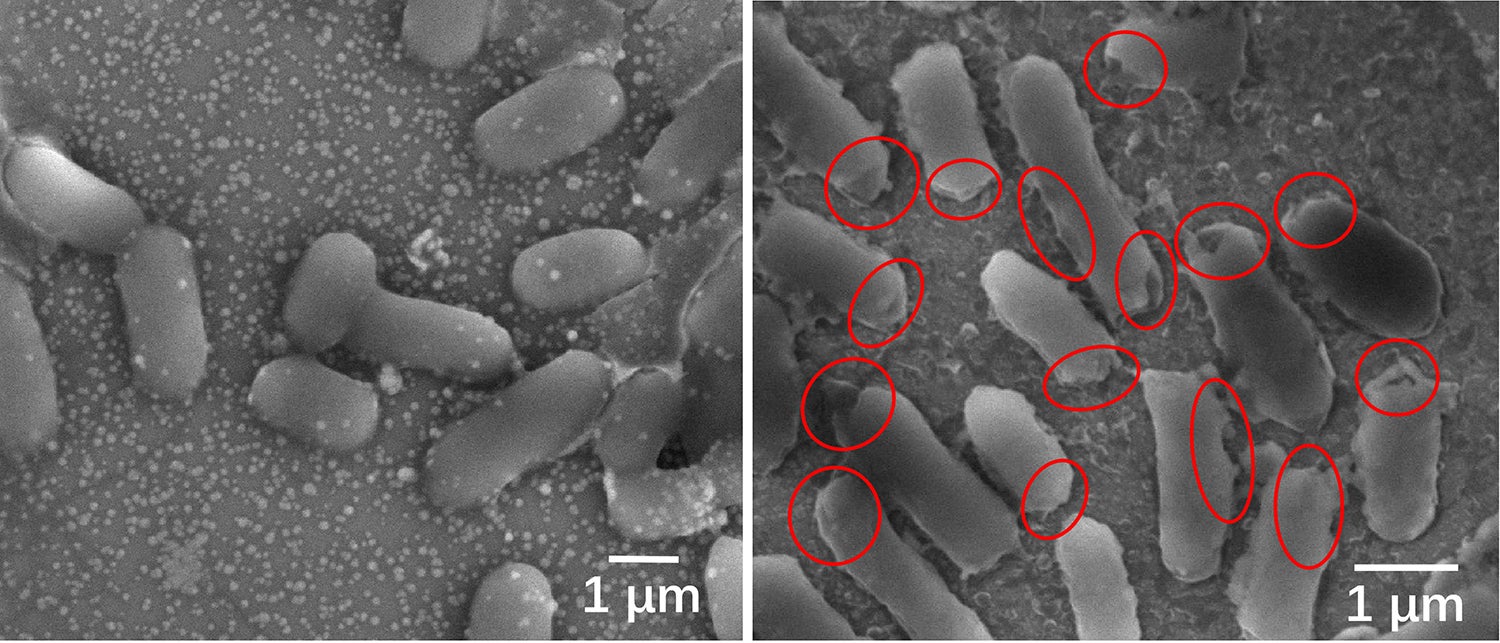
Researchers at Stanford University have developed a low-cost solar-driven catalyst in the form of nano-sized particles consisting of aluminium oxide, molybdenum sulfide, copper, and iron oxide, which can generate hydrogen peroxide and hydroxy radicals when exposed to sunlight. The catalyst can eradicate Escherichia coli colonies in contaminated water after a 60-second exposure to sunlight. The catalyst is ferromagnetic and can be easily separated using a magnet, making it an attractive alternative to water purification tablets and expensive filtration systems.

Simultaneous Hydrogen Production and Water Purification Method Discovered

Originally Published 2 years ago — by Phys.org

Featured image for Simultaneous Hydrogen Production and Water Purification Method Discovered
Source: Phys.org

University of Alberta researchers have discovered a new catalyst that can produce hydrogen and purify water simultaneously. The catalyst is made with non-toxic and plentiful materials, making it an affordable and accessible alternative to current catalysts on the market. It can be used with any type of water, making it an edge over current ways to generate hydrogen. The researchers are initially looking to craft off-grid devices that could help remote communities or aid in disaster relief.

Revolutionary Wood-Based Technology Purifies Water with Ease.

Originally Published 2 years ago — by SciTechDaily

Featured image for Revolutionary Wood-Based Technology Purifies Water with Ease.
Source: SciTechDaily

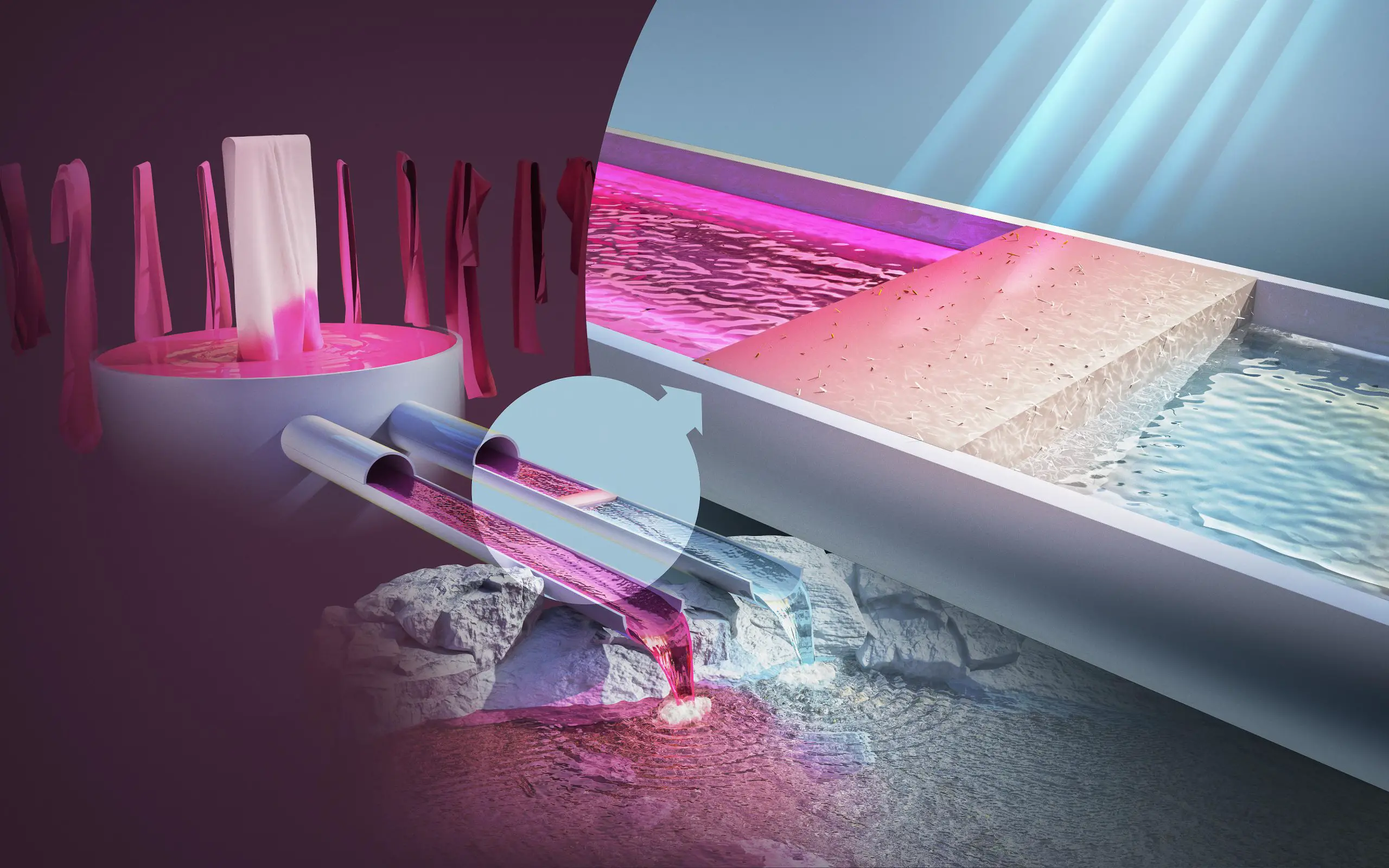
Researchers at Chalmers University of Technology in Sweden have developed a new biobased material, a form of powder based on cellulose nanocrystals to purify water from pollutants, including textile dyes. The cellulose powder filter absorbs the pollutants, and sunlight entering the treatment system causes them to break down quickly and efficiently. The method will be tested in India, where large amounts of dyes are released into lakes, rivers, and streams every year. The researchers see good opportunities to further increase the degree of purification and use cellulose nanocrystals for the treatment of other water pollutants than dyes.

Revolutionary Wood-Based Technology Purifies Wastewater from Dye Pollutants

Originally Published 2 years ago — by EurekAlert

Featured image for Revolutionary Wood-Based Technology Purifies Wastewater from Dye Pollutants
Source: EurekAlert

Researchers at Chalmers University of Technology have developed a new biobased material, a form of powder based on cellulose nanocrystals to purify water from pollutants, including textile dyes. The cellulose powder filter absorbs the pollutants, and the sunlight entering the treatment system causes them to break down quickly and efficiently. Laboratory tests have shown that at least 80 percent of the dye pollutants are removed with the new method and material, and the researchers see good opportunities to further increase the degree of purification. The method will be tested in India, where textile industry wastewater is a widespread problem.