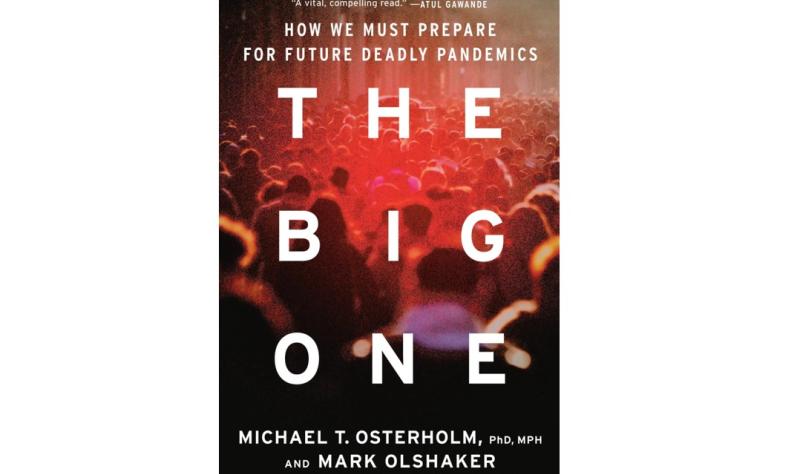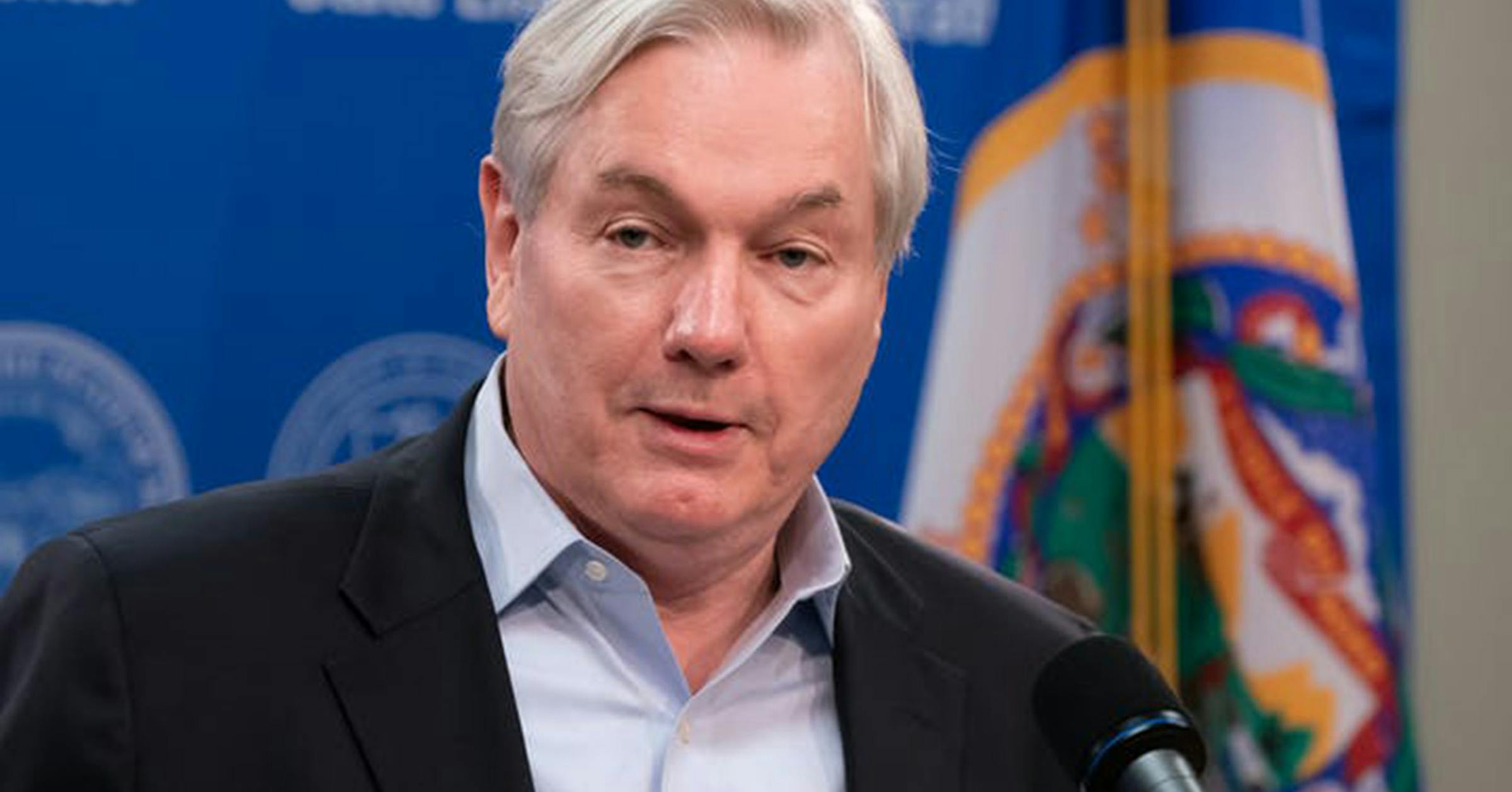
Michael Osterholm's new book 'The Big One' analyzes the handling of COVID-19, lessons learned, and explores a realistic nightmare scenario of a future deadly pandemic caused by a virus combining high infectivity and lethality, emphasizing the need for better preparedness.
Michael Osterholm warns that future pandemics could be worse than COVID-19 and emphasizes the importance of better preparedness, effective communication, and learning from past mistakes to prevent disaster.
While Californians are well-versed in earthquake preparedness, awareness and readiness for tsunamis remain limited. The state is working to improve public understanding and response strategies for these less frequent but potentially devastating natural disasters.
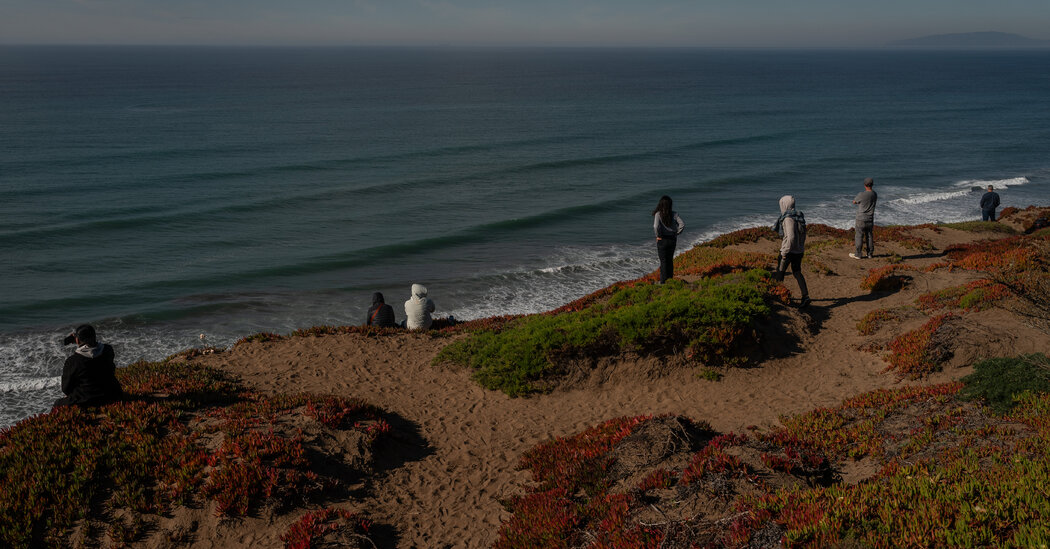
A magnitude 7.0 earthquake off the coast of Northern California prompted a brief tsunami warning, highlighting the region's vulnerability to such natural disasters. Although no major tsunami occurred, the event served as a reminder of the importance of preparedness for residents living in tsunami-prone areas. Historical tsunamis have caused significant damage in California, and experts emphasize the need for awareness and readiness, including recognizing natural warning signs and knowing evacuation routes.
As the 2023 hurricane season begins, National Hurricane Center Director Michael Brennan emphasizes the importance of preparation and awareness. He advises knowing your risks, preparing your home, understanding evacuation needs, recognizing water as the deadliest threat, trusting federal forecasts over computer models, and fostering community support. Brennan stresses that early planning and community efforts are crucial to reducing risks and stress during hurricanes.
Federal forecasters predict an 85% chance of above-normal Atlantic hurricane activity this year, with up to 25 named storms expected due to near-record ocean temperatures and a strengthening La Niña. While the East Coast faces a potentially active season, the West Coast may see calmer conditions with a 60% chance of below-normal storm activity. Officials emphasize the importance of preparedness as hurricanes can cause long-lasting damage.
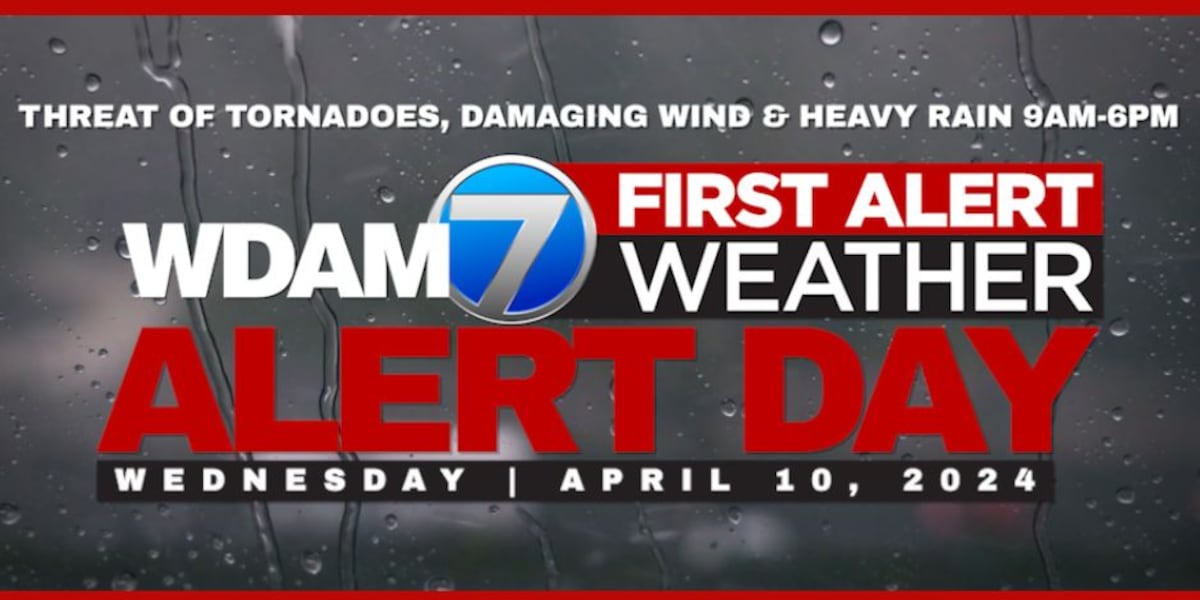
A severe weather outbreak is expected in the Pine Belt area of Mississippi on Wednesday, with the potential for supercells and a squall line bringing tornadoes, 80+ mph winds, hail, and heavy rain. Residents are advised to prepare by having a NOAA Weather Radio, reviewing their severe weather plan, and downloading the WDAM First Alert Weather app for updates and live coverage. The outbreak is forecasted from 9 a.m. to 6 p.m., and residents are urged to stay informed and take necessary precautions.
The IDF and emergency services will conduct a large drill in northern Israel, involving active traffic of naval vessels, aircraft, and security forces, as part of efforts to improve emergency preparedness and readiness for fighting on various fronts. The exercise will include personnel from the IDF, Home Front Command, police, Magen David Adom, Fire and Rescue Services, and the municipalities, with no pyrotechnics being used during the planned drill.
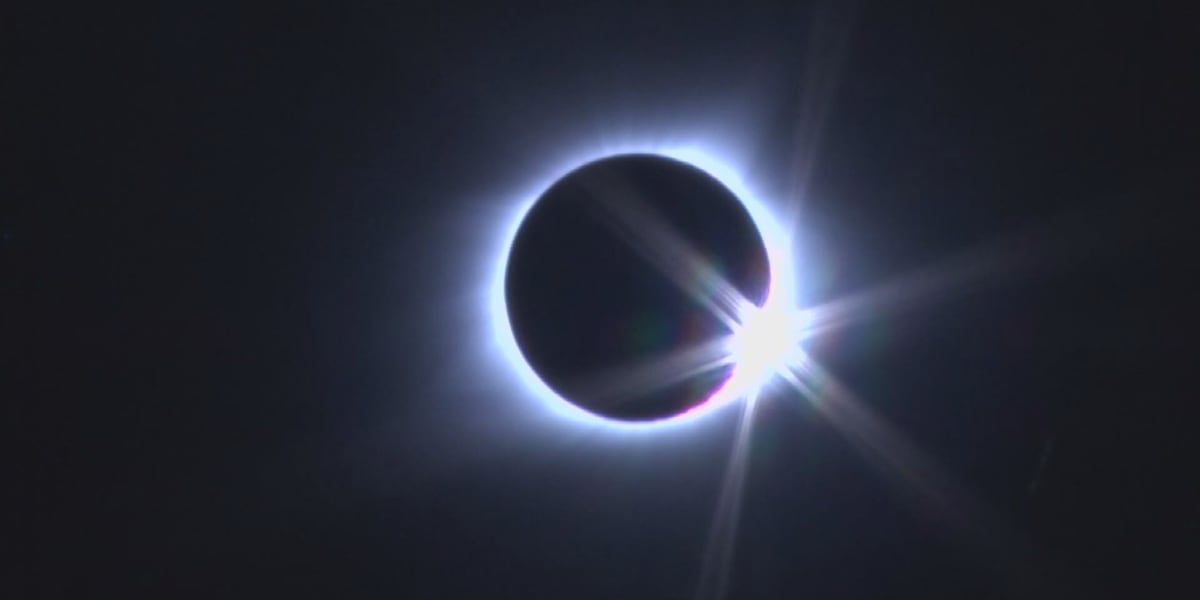
Ohio officials are preparing for heavy traffic and large crowds as half a million people are expected to visit Northwest Ohio for the state's first total solar eclipse in over 200 years. Governor Mike DeWine and various agencies are emphasizing preparedness, especially for travel times, and are using 1,100 cameras to track traffic in real time. They urge motorists to refrain from stopping on roadways to view the eclipse and recommend packing essentials such as snacks, water, cash, cellphone chargers, and paper maps. Despite the concerns, officials and tourism representatives are excited for the event and encourage people to plan ahead and stay safe.
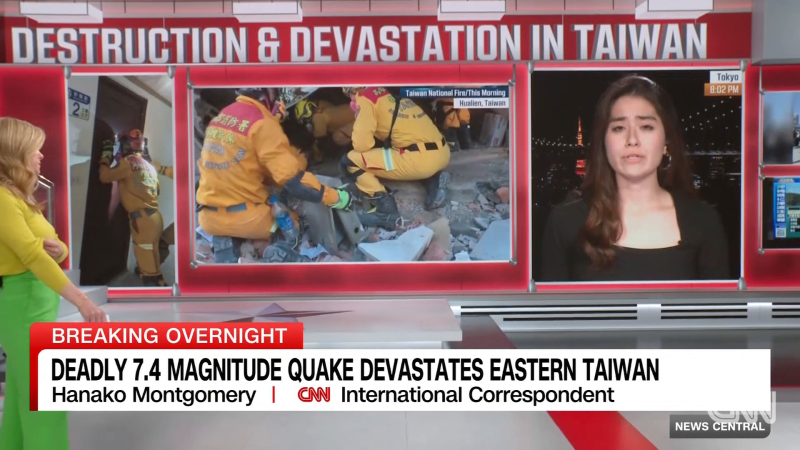
A 7.4 magnitude earthquake in Taiwan has left around 400 people stranded and awaiting rescue, with the death toll rising to 13. Rescue operations are hindered by bad weather, and more than a thousand people are being treated for injuries while six remain missing. The relatively low death toll has been attributed to the government's preparedness efforts, but victims have mostly been killed outdoors by falling rocks or landslides.
The 4.8-magnitude earthquake that struck the New York City area has raised concerns about the potential for a larger seismic event in the future. Experts warn that the region is overdue for a significant earthquake, with a 20 to 40 percent chance of a 5.2 magnitude quake occurring within the next 50 years. While the recent quake caused no major damage, it has highlighted the need for better preparedness and monitoring of seismic activity in the area, particularly along the Ramapo Fault. Although it's difficult to predict when a "big one" might occur, experts emphasize the importance of gathering more data and conducting further studies to provide more accurate seismological forecasts.
Taiwan is grappling with the aftermath of its strongest earthquake in 25 years, with at least ten people dead, 1,099 injured, 705 trapped, and 15 missing. Rescue efforts are focused on those trapped in eastern Taiwan's Taroko National Park, with supplies being airdropped if necessary. The island's strict enforcement of building codes and organized disaster response have contributed to fewer casualties compared to earthquakes of similar strength in other countries, highlighting the importance of preparedness and response measures.
Ohio Governor Mike DeWine is urging Ohioans to be prepared for potential severe weather, including hail, strong winds, and tornadoes, expected between 3-9 p.m. He emphasized the importance of staying informed and having a shelter plan in place, urging people to monitor storm conditions and be prepared to take cover.
The 2024 Atlantic hurricane season is expected to be active due to warm water temperatures, the weakening of El Niño, and historical and climate model indications of increased storm activity closer to the U.S. The season is anticipated to bring more hurricanes and tropical storms than the 1991-2020 average, with multiple climate models predicting wetter conditions in the Caribbean. It is advised to prepare for the upcoming hurricane season as early as possible.
Experts warn that the next pandemic could be imminent and may arise from zoonotic disease spillovers or previously unknown viruses released due to climate change. Despite the need for preparedness, there is a lack of readiness globally, with concerns about infrastructure, healthcare systems, and public health measures. Vaccine rollouts and pandemic infrastructure improvements offer some hope, but the future response to a new pandemic remains uncertain.