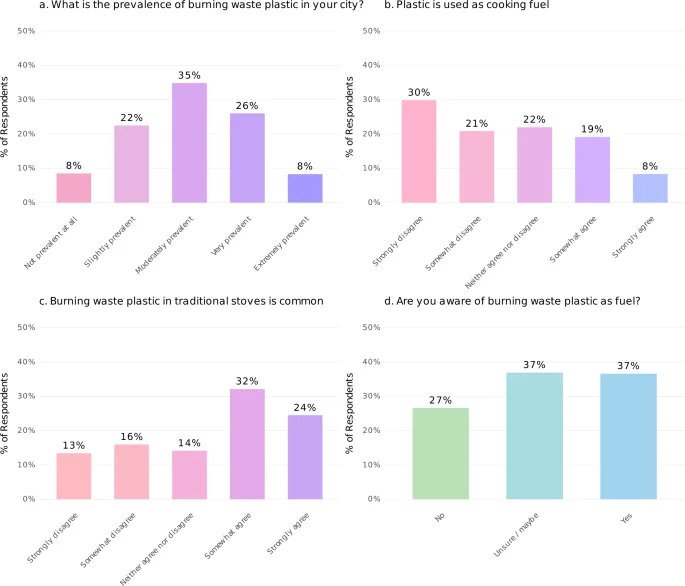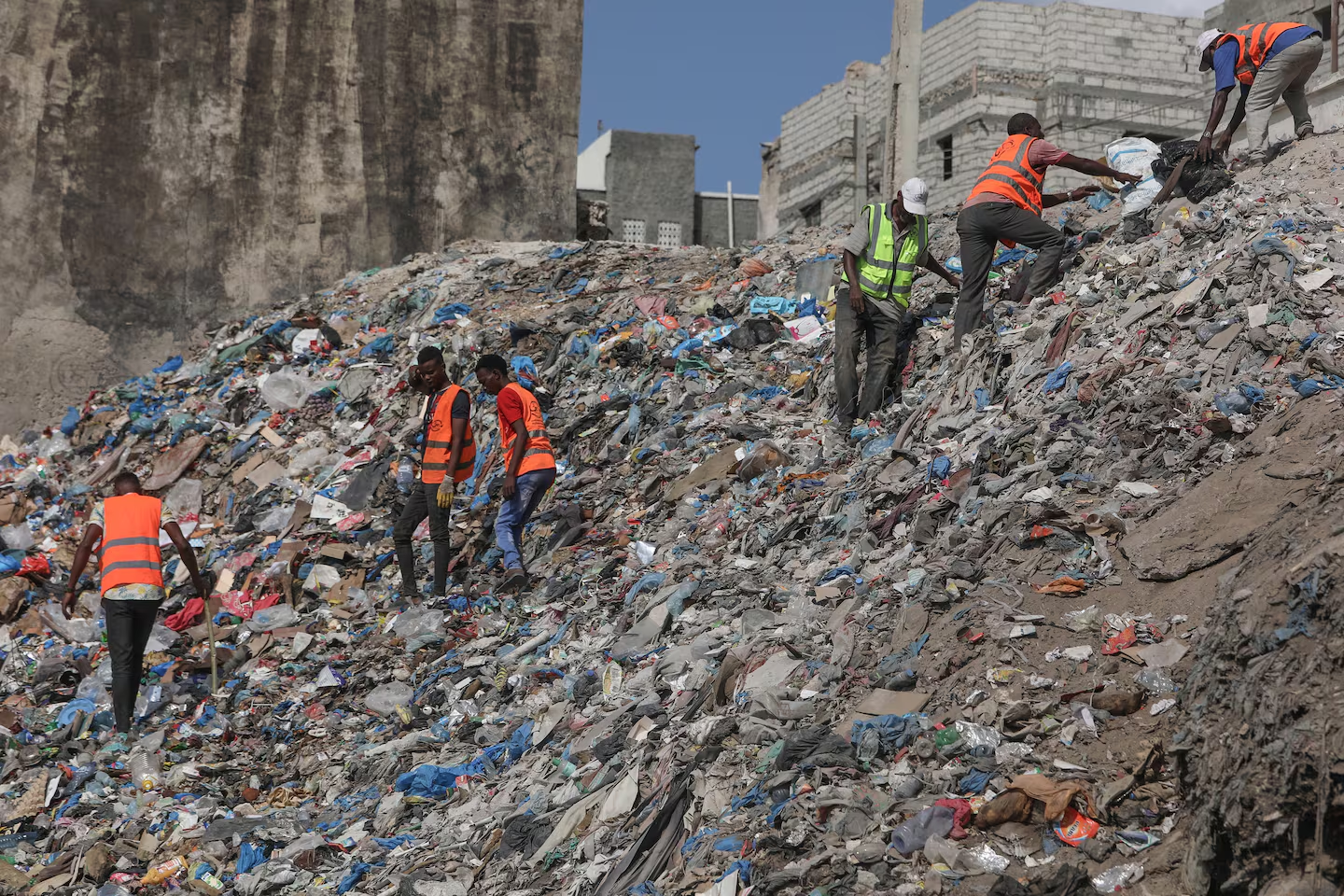
The article investigates the widespread practice of burning plastic waste as household fuel in low-income urban communities across the Global South, highlighting its prevalence, drivers such as inadequate waste management and energy poverty, and associated health and environmental risks, while emphasizing the need for improved waste systems and clean energy access to mitigate this issue.
Waste Management CEO Jim Fish emphasizes the importance of hands-on leadership and safety, regularly visiting job sites and engaging with workers to better understand operational challenges and improve safety outcomes, highlighting that true company strength lies in its field employees and their well-being.
Waste Management CEO Jim Fish emphasizes the importance of safety and employee rapport by regularly participating in safety briefings and riding along with workers, demonstrating that safety investments benefit long-term company health and employee well-being.
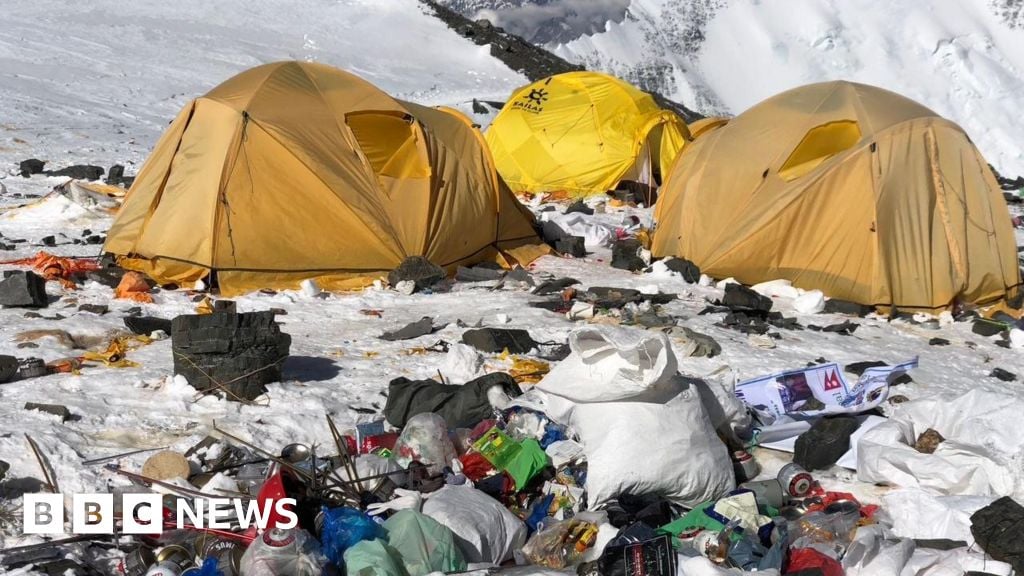
Nepal is scrapping its failed waste deposit scheme on Mount Everest after 11 years, due to its ineffectiveness in reducing high-altitude trash, and plans to implement a new non-refundable clean-up fee to better address the mountain's growing waste problem.
A massive 100-tonne fatberg has been discovered in east London sewers, measuring about 100 meters long, highlighting the ongoing issue of fats, oils, and grease clogging sewer systems. Thames Water is working to remove it, which could take weeks, and emphasizes the importance of proper waste disposal to prevent further blockages and costly repairs.
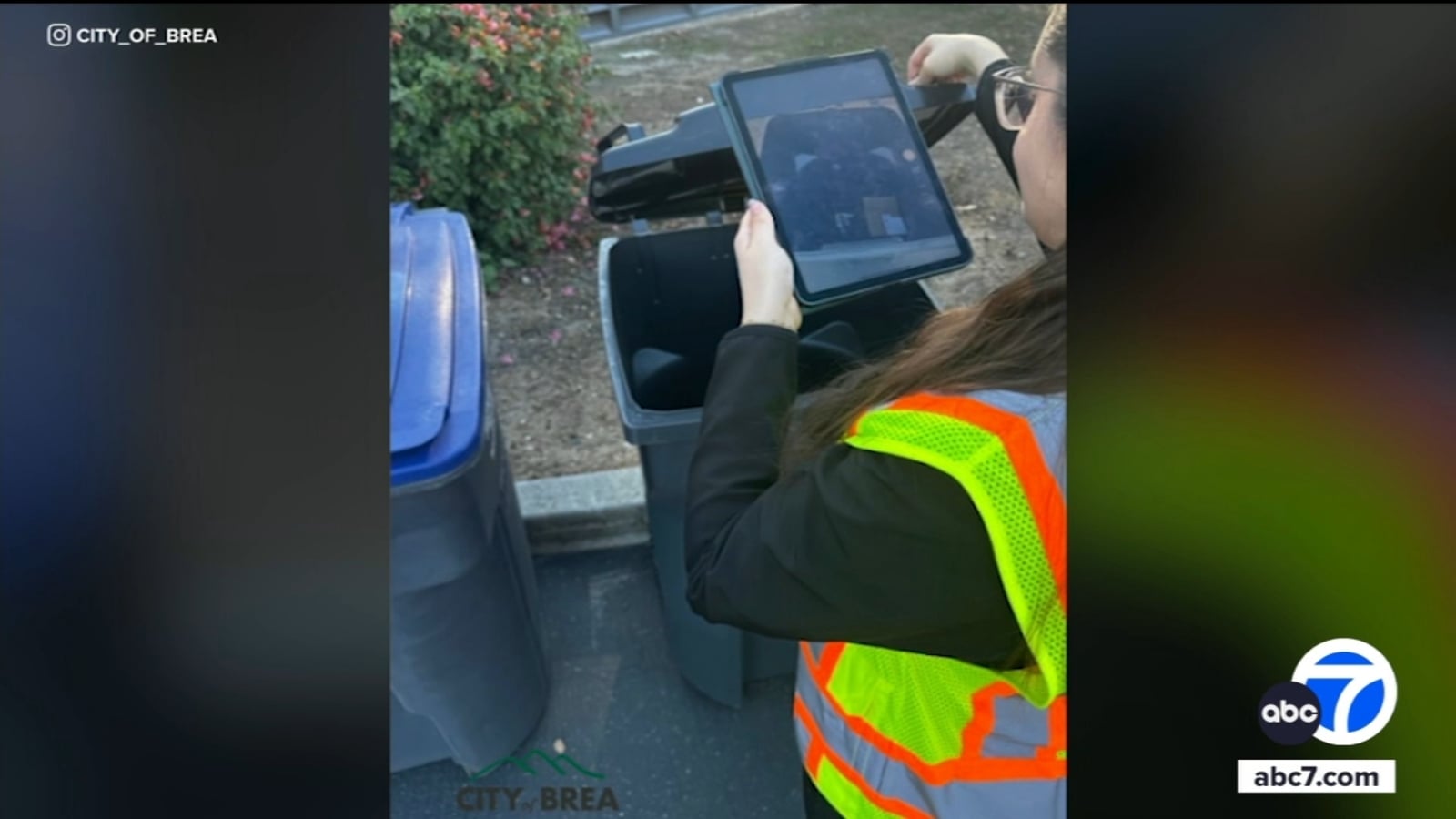
The city of Brea is monitoring trash bins at randomly selected addresses to enforce proper waste disposal under Senate Bill 1383, with violations resulting in warnings, tags, and potential fees starting at $50 for improper trash placement.
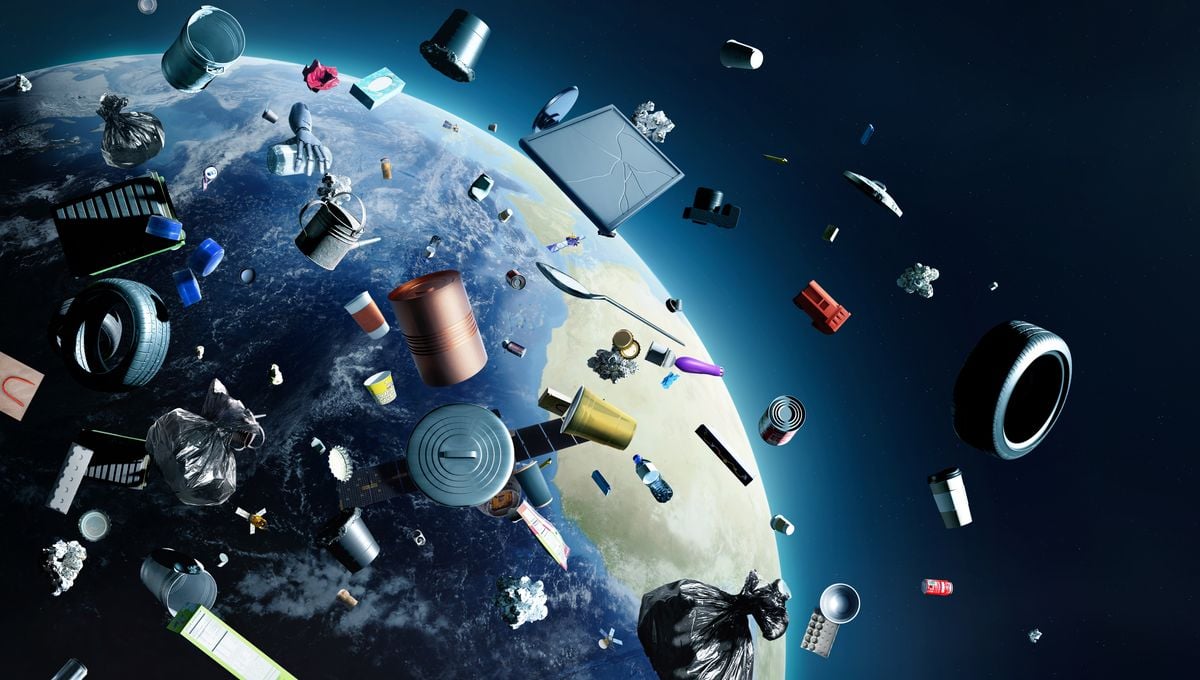
Sending Earth's garbage into space is not feasible due to high costs, environmental concerns, and safety risks. Launching trash into space would require significant fuel and thrust, leading to pollution and potential damage to the ozone layer. Additionally, the risk of space debris and Kessler syndrome, where space becomes unusable due to collisions, poses a threat. While ideas like sending waste to the moon or Mars are considered, they are impractical due to future colonization plans and logistical challenges. Recycling remains the most viable solution for now.
Nations are working towards a global agreement to combat plastic pollution, aiming to improve waste management and reduce plastic production to protect the planet and human health.
The idea of sending Earth's waste into space faces significant challenges, including prohibitive costs, environmental damage from rocket launches, and the risk of exacerbating space debris issues. Launching trash into orbit could lead to collisions and worsen the Kessler syndrome, making Earth's orbit unusable. Proposals to dump waste on the Moon, Mars, or the Sun are also impractical due to contamination risks and high costs. Instead, sustainable waste management solutions on Earth, such as enhanced recycling and innovative disposal technologies, are necessary to address the growing waste crisis.
NASA has launched the LunaRecycle Challenge, offering $3 million in prizes for innovative waste management solutions for long-term lunar missions. The competition, which unfolds in two phases, seeks designs for sustainable systems to handle solid waste on the Moon, with the potential to revolutionize recycling practices on Earth. The challenge aims to support NASA's goal of reducing the environmental impact of space exploration and fostering sustainable human presence on the Moon, while also providing scalable solutions for global waste management challenges.
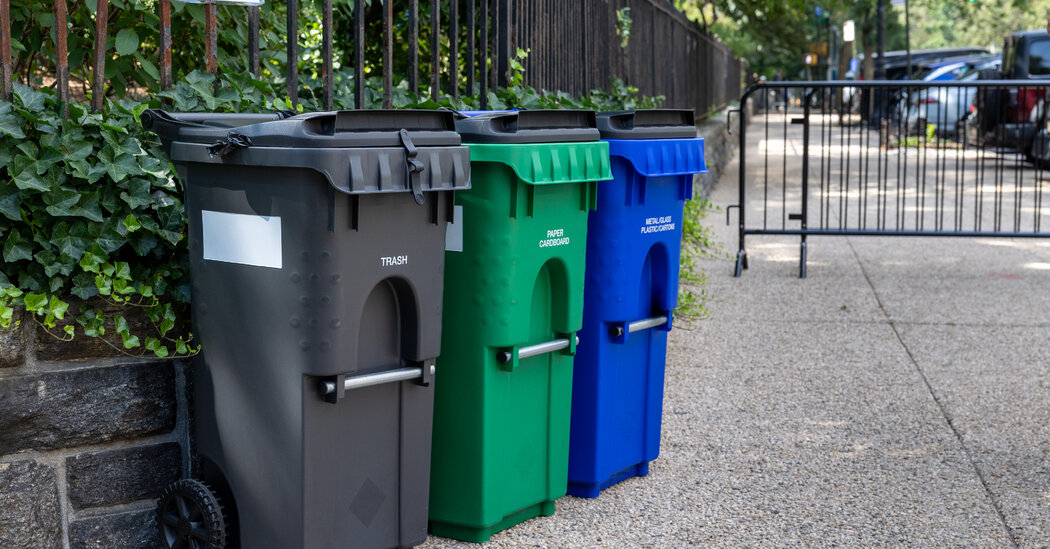
New York City's new trash bin regulations have come into effect, aiming to improve sanitation and waste management across the city. These rules are part of a broader effort to enhance public cleanliness and efficiency in waste disposal.
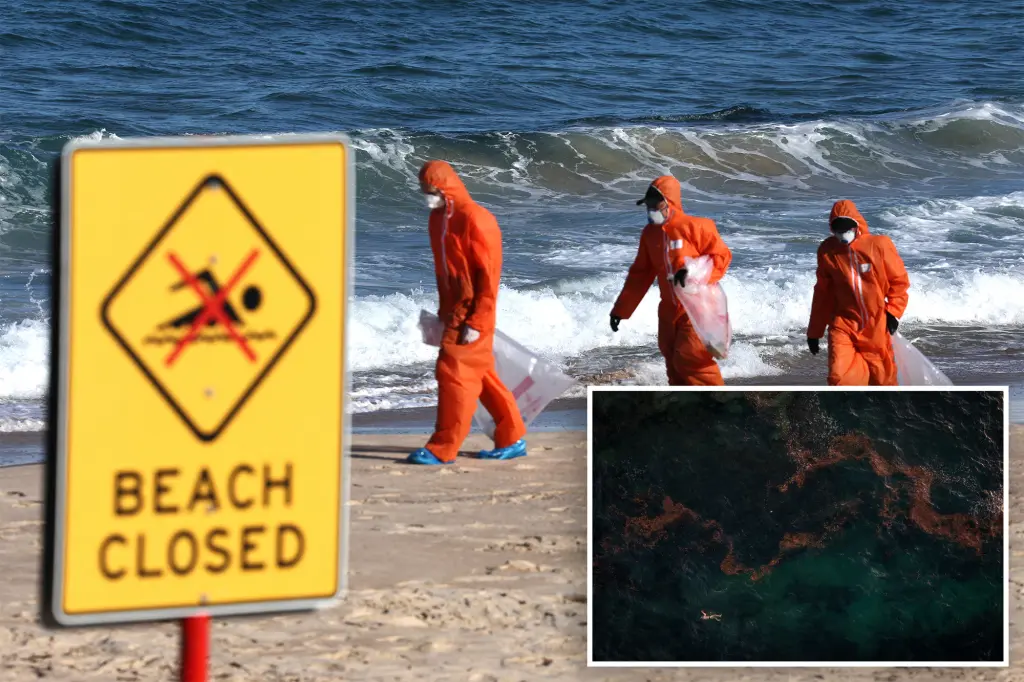
Thousands of mysterious black balls that washed ashore on Sydney beaches were identified as 'fatbergs,' composed of human waste, hair, cooking oil, and other materials. Initially thought to be tar, these blobs prompted beach closures as they were removed. Formed in sewers when materials fail to dissolve, the exact origin of these fatbergs remains unknown, raising concerns about future occurrences. The NSW Environmental Protection Authority is conducting further tests to determine their source.
Scientists have identified mysterious black debris that washed up on Sydney beaches as a mix of decomposed cooking oils, hair, and food waste, rather than tar balls. The New South Wales Environment Protection Authority and University of New South Wales researchers found the debris likely originated from mixed waste sources, possibly human waste, containing traces of recreational drugs and birth control medication. The exact origin remains unknown, but further results are expected soon. Authorities had initially closed beaches and warned the public to avoid the debris.
Scientists have discovered a plastic-eating fungus, Parengyodontium album, in the Great Pacific Garbage Patch that can break down UV-exposed polyethylene, a common plastic pollutant. While this finding is promising for reducing ocean plastic, it is not a complete solution, as the degradation rate is slow and the scale of plastic pollution remains vast.
WM plans to acquire Stericycle for $7.2 billion to expand its healthcare waste services, with the deal expected to close by Q4 pending regulatory and shareholder approvals. The acquisition aims to generate over $125 million in annual synergies and enhance WM's environmental solutions portfolio.