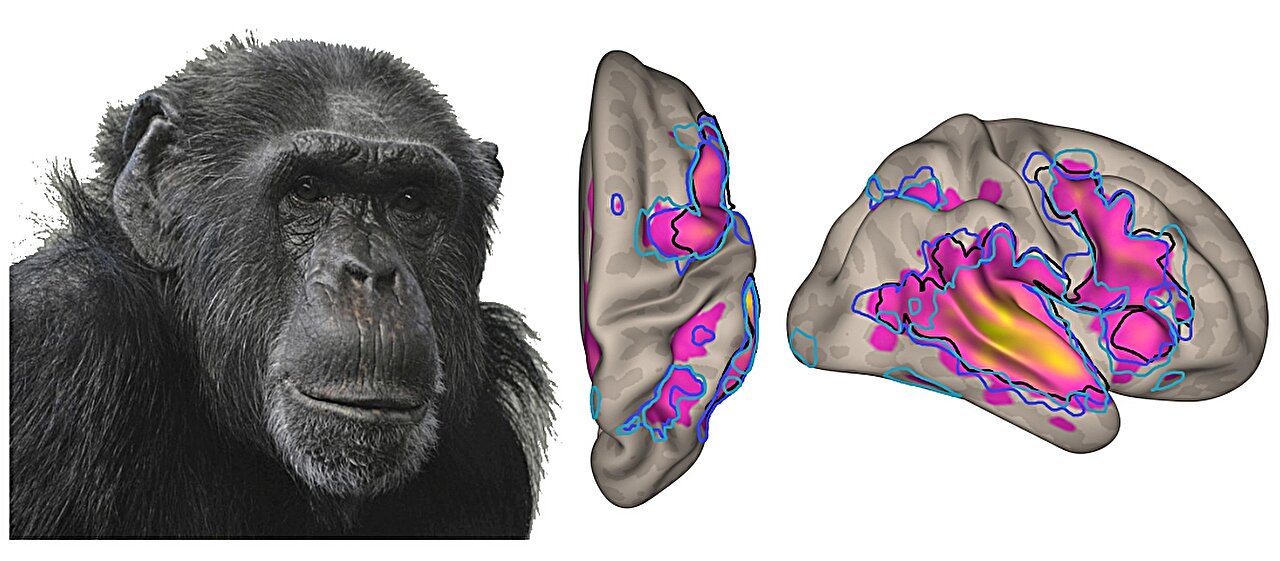
Research shows that specific parts of the human brain respond distinctly to chimpanzee vocalizations, indicating deep evolutionary roots of voice recognition that predate human language and suggesting shared neural mechanisms with our closest primate relatives.
A new study using acoustic monitoring has provided unprecedented insights into the vocalizations of elusive beaked whales in Brazilian waters, helping to better understand their behavior and aiding conservation efforts.
A study comparing infant-directed vocal communication among humans and great apes reveals that humans use this form of communication far more frequently, suggesting that the tendency to direct vocalizations at infants has been significantly expanded in the human lineage, which may be a key factor in language development.
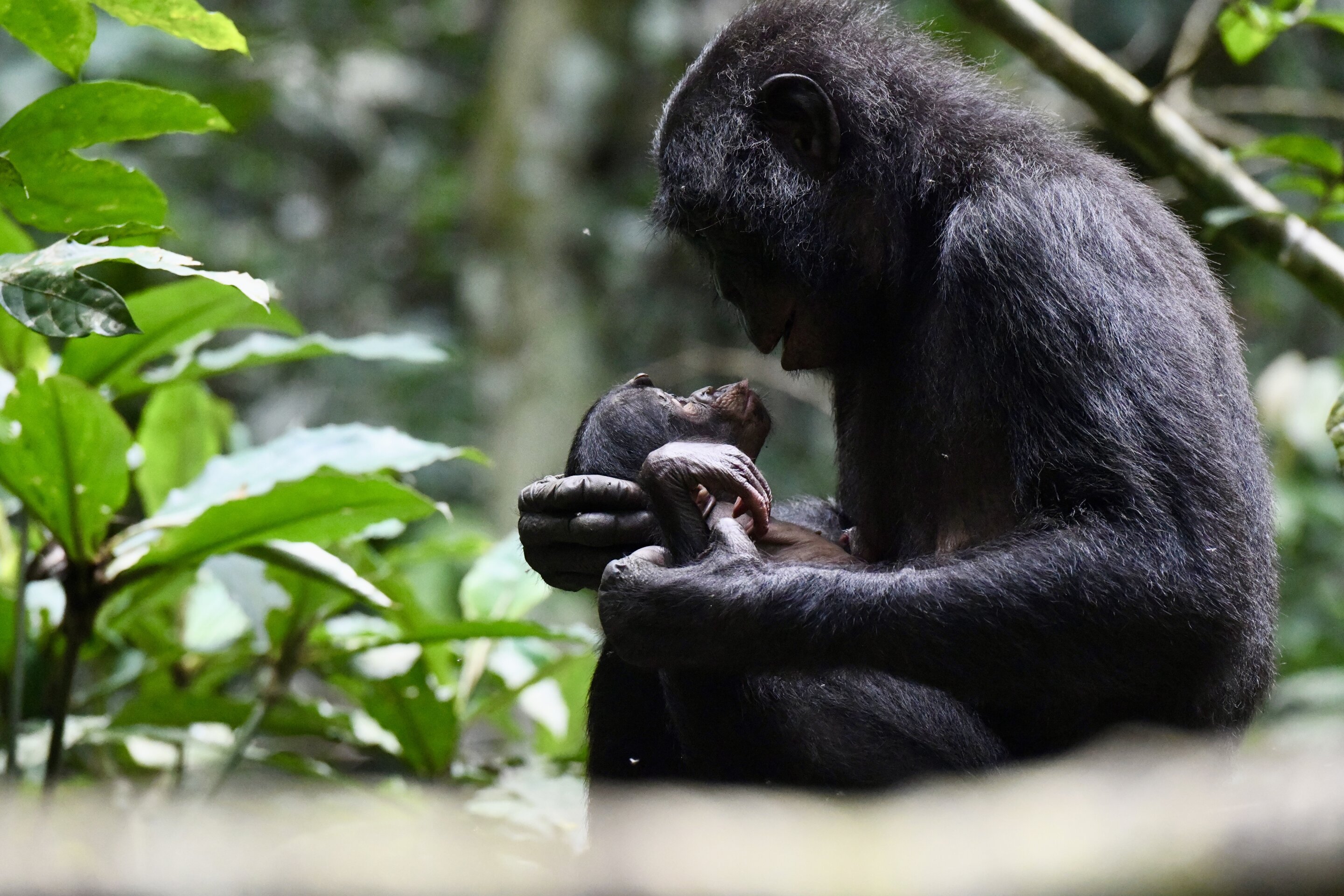
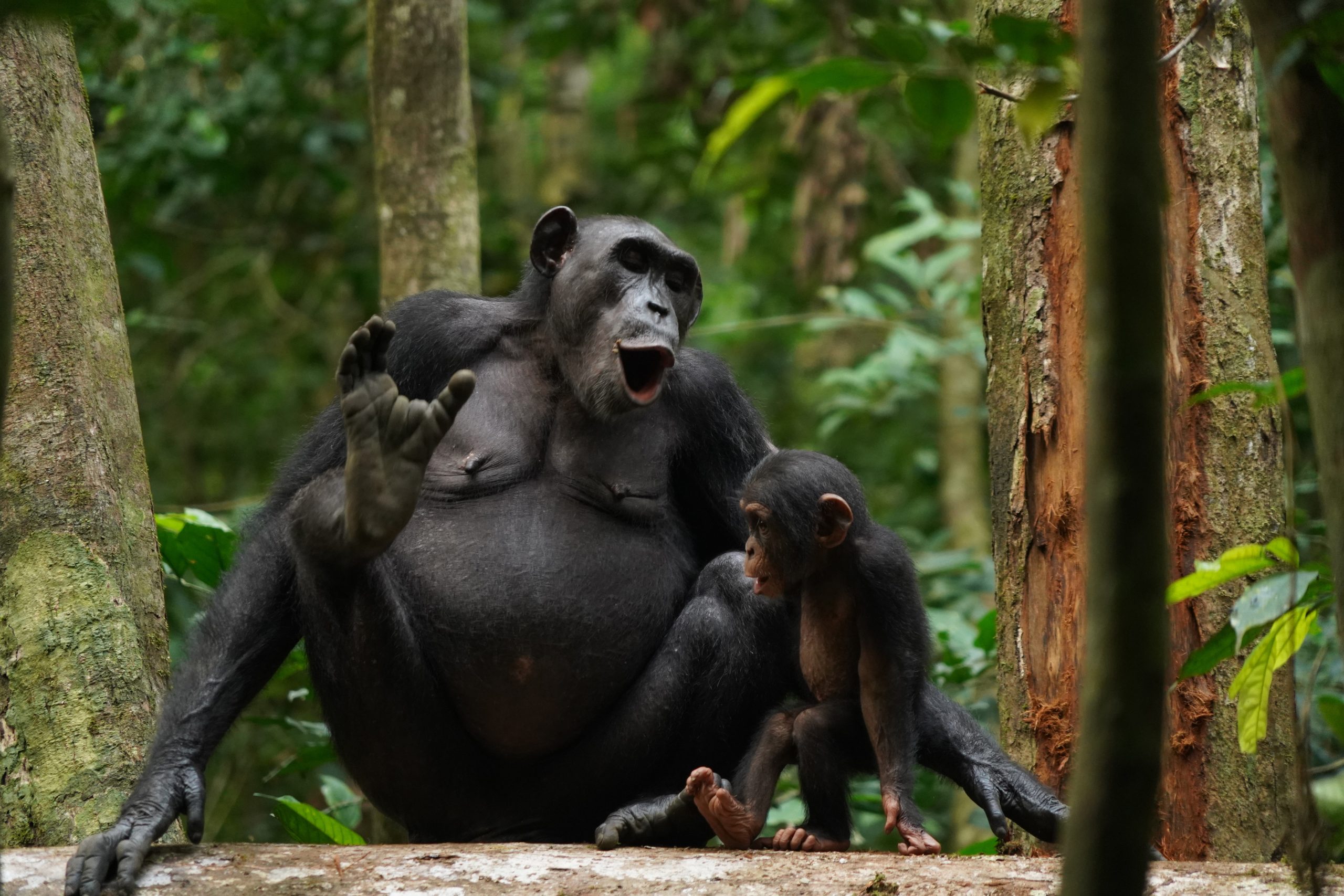
A new study shows that wild chimpanzees use complex call combinations to expand their messaging, revealing a level of vocal communication that parallels some aspects of human language and suggesting that the roots of linguistic complexity may be deeper in our evolutionary history than previously thought.
A new study reveals that carrion crows can count out loud, producing a specific number of caws in response to visual or auditory stimuli, demonstrating numeracy skills similar to human toddlers. This is the first definitive evidence of animals counting through distinct vocalizations, highlighting the crows' sophisticated numerical abilities and vocal control.
A study conducted by the University of Geneva (UNIGE) reveals that the human brain is capable of identifying the vocalizations of certain primate species, such as chimpanzees and macaques, if they are close to us and if the frequencies used are also close to our own. The study found that both phylogenetic proximity and acoustic proximity play a role in our ability to differentiate between primate vocalizations. The frontal and orbitofrontal regions of the brain are activated when processing these sounds, but the activation is reduced when confronted with bonobo vocalizations due to their high-pitched and distinct frequencies. Further research will focus on identifying the emotional content of primate vocalizations.
Scientists studying whale vocalizations have discovered previously unknown elements that resemble human speech. Researchers from the University of California, Berkeley found that the acoustic properties of sperm whale clicks, such as pitch, are analogous to human vowels and dipthongs. They identified two unique "coda vowels" that are actively exchanged in conversation between whales. The discovery was made after an AI model predicted meaningful elements in whale vocalizations, which were then confirmed through analysis of a dataset of recorded sperm whale codas. The researchers argue that whales are capable of controlling the frequency of their vocalizations.
Research suggests that sentinel warning calls, used by animals to alert others of nearby danger, may be universally understood across continents. A recent study found that birds in the Neotropics were responsive to unfamiliar alarm calls from North America. Researchers conducted experiments across three continents and found that flocks of birds responded equally strongly to the warning calls of an unfamiliar sentinel species as they did to familiar, local sentinel species. This suggests that there may be something about sentinel calls that makes them universally recognizable, possibly due to a central theme or unique acoustic elements. The study opens the door to further research on sentinel species and their communication signals.
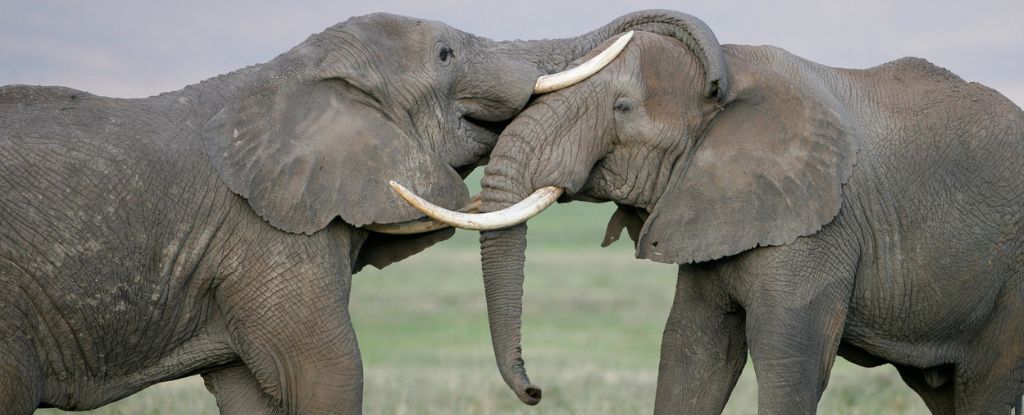
Researchers have discovered evidence that wild savannah elephants in Kenya use specific vocal sounds to label and communicate with each other, potentially giving them individual 'names'. While not yet peer-reviewed, if verified, this would make elephants the only known non-human animals to communicate with random names. The study found that certain rumbles were specific to individual receivers and were not based on imitation. When played back to wild elephants, individuals responded more quickly to their own 'name' and vocalized faster. These vocal labels appeared to be relatively consistent across the herd, similar to how humans use names. The findings suggest that artificial intelligence programs can help us better understand animal communication and potentially call elephants by their names in the future.
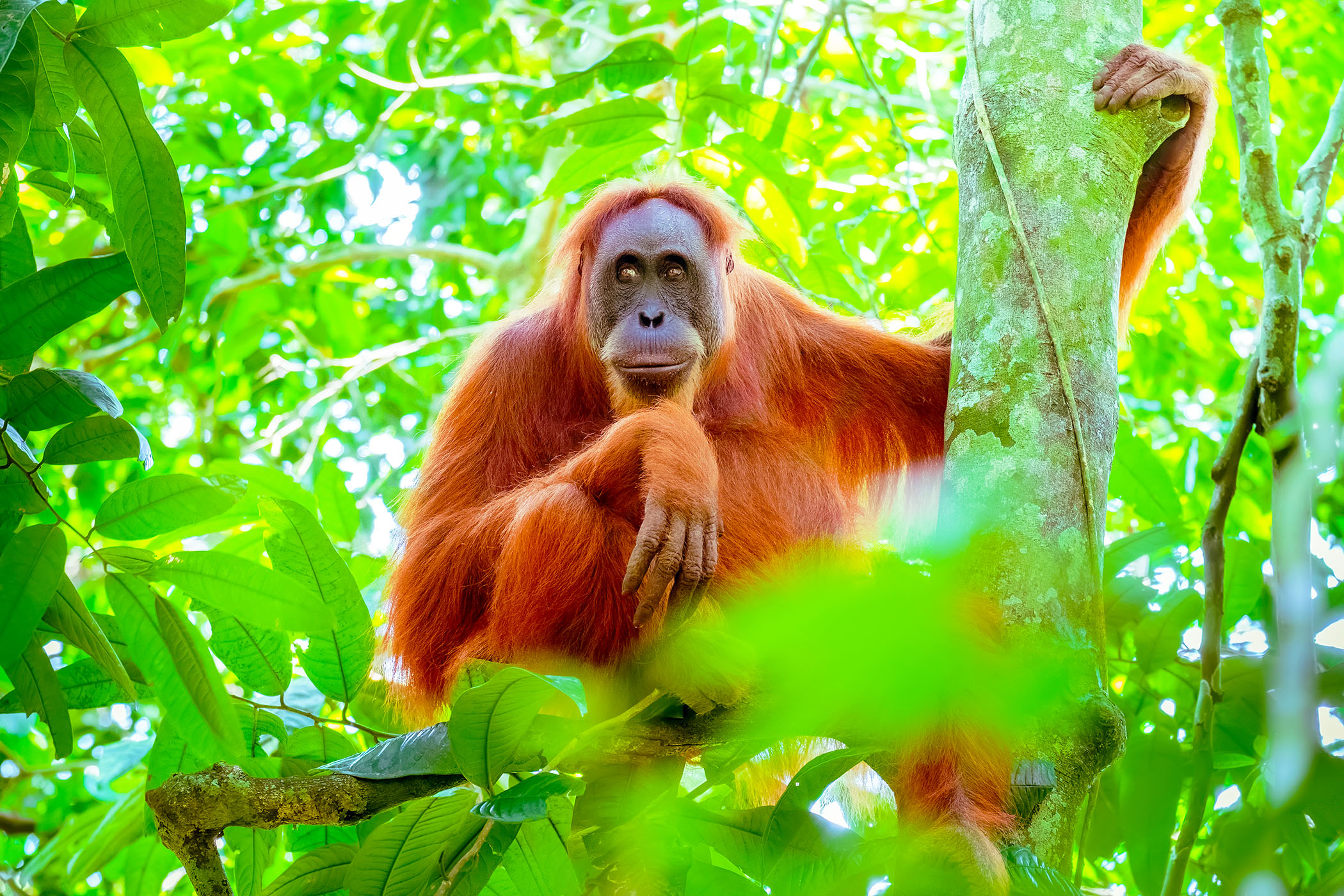
Orangutans have been found to possess the ability to produce two separate sounds simultaneously, similar to human beatboxing or songbirds. This discovery, made through the observation of vocalizing orangutans in Borneo and Sumatra, could provide insights into the evolution of human speech and the origins of beatboxing. The study suggests that this vocal ability may have evolved from existing primate vocalizations, highlighting the potential evolutionary link between primate vocalizations and complex human speech.