President Trump announced an upcoming statement suggesting a potential link between autism and factors like Tylenol use during pregnancy and vitamin deficiencies, specifically folate, with plans to discuss possible interventions such as folinic acid. Experts, however, emphasize that current scientific evidence does not conclusively link acetaminophen to autism and warn against jumping to conclusions based on preliminary findings.

Craving ice may be a sign of iron deficiency anemia, a condition where the body lacks enough healthy red blood cells, and can be associated with symptoms like fatigue and pale skin. It is important to consult a healthcare provider for proper diagnosis and treatment, as self-diagnosis and supplementation can be dangerous.
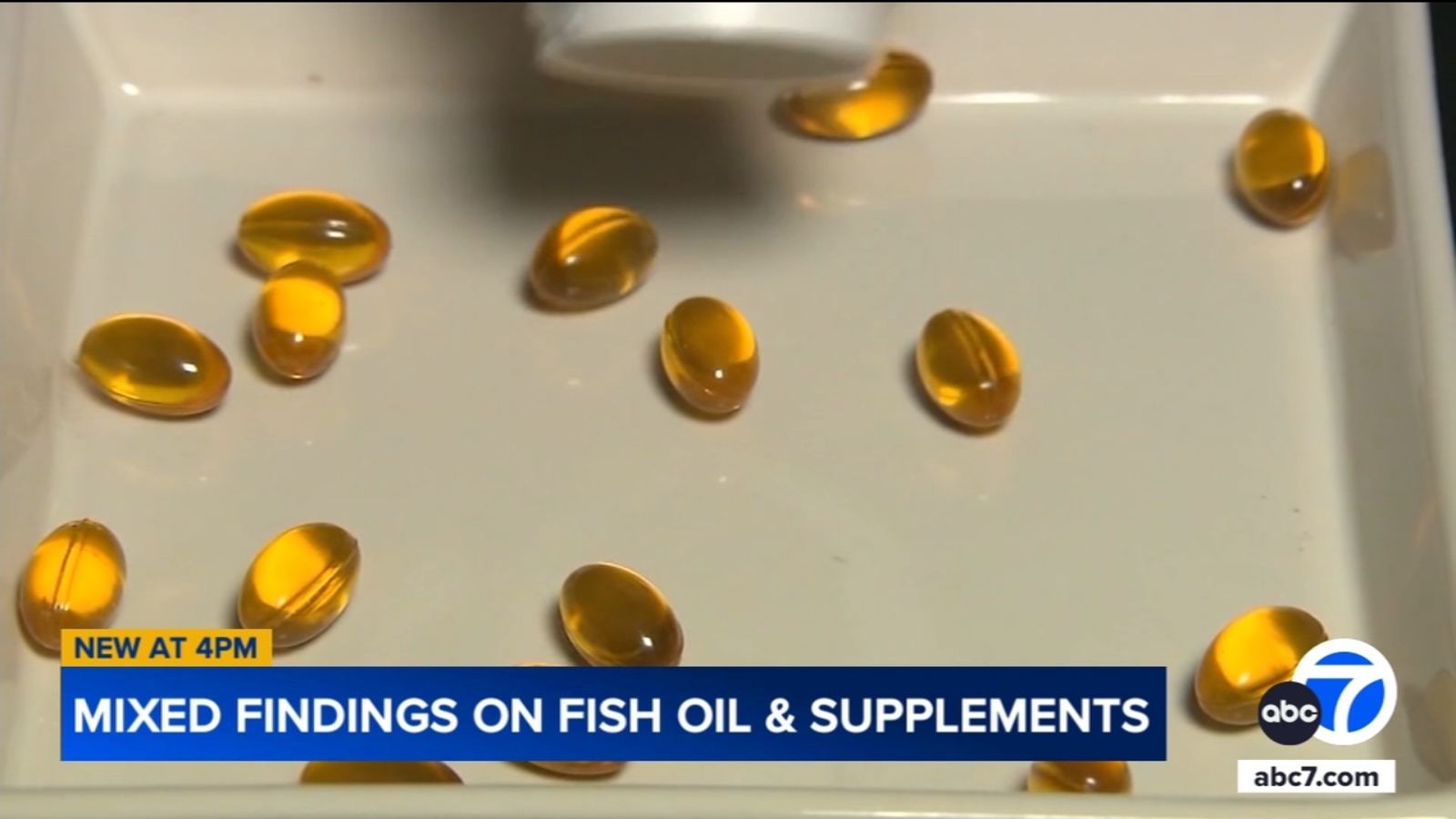
A new study raises concerns about fish oil supplements, showing mixed results for heart health. Experts recommend prioritizing natural foods over supplements, as the body absorbs nutrients better from fruits and vegetables. Supplements are advised only for those with specific deficiencies, but caution is needed to avoid vitamin toxicity.
Brain fog, a condition characterized by mental sluggishness and fatigue, can be caused by various factors including vitamin deficiencies. Key vitamins and minerals such as vitamin B12, vitamin D, iron, and magnesium play crucial roles in supporting cognitive function and combating brain fog. Deficiencies in these nutrients can lead to symptoms such as weakness, fatigue, trouble concentrating, and memory issues. It's important to consult with a physician to explore potential causes and address any chronic or persistent cases of brain fog.
Vitamin D3, an essential nutrient for bone health, immune function, and more, can be obtained through sunlight, diet, or supplements. It plays a crucial role in regulating calcium and phosphorus levels in the blood, supporting bone integrity, muscle and nerve function, and strengthening the immune system. While many can obtain enough vitamin D3 through sunlight and diet, some may benefit from supplements, especially those with limited sun exposure, certain medical conditions, or medication that affects vitamin D levels. However, excessive intake of vitamin D3 can lead to toxicity, so it's important to consult with a healthcare professional before starting supplementation.
Feeling cold may be due to a deficiency in certain vitamins such as B9, B12, or iron, leading to anemia and reduced red blood cell count. Symptoms of these deficiencies include cold sensitivity, fatigue, and shortness of breath. It's important to get tested for deficiencies and not self-diagnose, as other conditions like diabetes or hypothyroidism could also cause cold sensitivity. Replenishing nutrient levels or addressing underlying conditions can help alleviate excessive cold sensitivity.
Black and brown people may struggle to get enough vitamin D due to their skin's melanin blocking UVB rays needed for production, leading to a higher risk of deficiency. Vitamin D is essential for bone health, mood, energy, and other metabolic processes. Recommendations for increasing vitamin D intake include sun exposure, consuming vitamin D-rich foods, and consulting a doctor for supplements. It's important for individuals, especially those with darker skin, to monitor their vitamin D levels and seek medical advice before taking supplements to avoid potential toxicity.
Nurse practitioner Tiffanie France at Mercy Medical Center in Baltimore explains that whether a person should take a multivitamin depends on individual factors such as absorption issues, vitamin deficiencies, and dietary habits. While some people may not need a multivitamin, those with specific deficiencies or dietary restrictions, such as vegans or vegetarians, may benefit from supplements. It's important to consult with a doctor to determine whether taking a multivitamin is necessary.
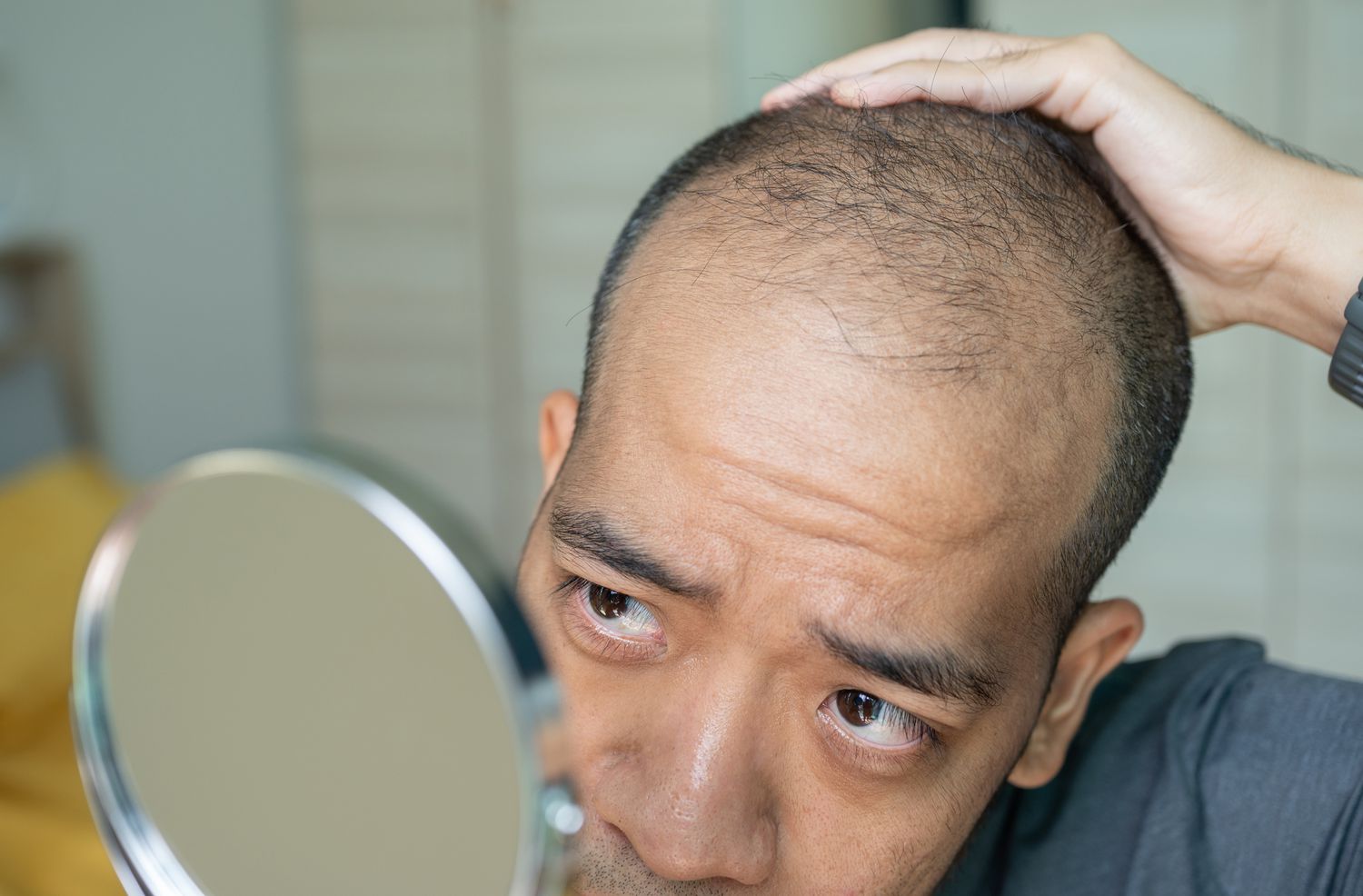
Dermatologists suggest that vitamin deficiencies, particularly in iron, zinc, folate, protein, biotin, and vitamin D, may contribute to hair loss, especially in women. Factors such as restrictive diets, age, medications, autoimmune conditions, and extreme stress can also play a role. To address hair loss, it's important to eat a well-balanced diet and consider supplements only after consulting a doctor. Reversing a vitamin deficiency may lead to thicker, healthier hair, but it can take several months to see results.
While vitamin deficiencies don't typically cause hair loss, certain deficiencies such as iron and protein can contribute to thinning hair. Hair loss can also be caused by excessive intake of certain vitamins, such as vitamin A. Biotin deficiency can lead to hair loss, but taking biotin supplements without a confirmed deficiency won't help. Other nutrients like vitamin D, vitamin C, zinc, and magnesium may also play a role in hair health. It's important to consult with a healthcare provider to determine the underlying causes of hair loss and develop a personalized treatment plan.
While vitamin deficiencies do not typically cause hair loss, certain deficiencies such as biotin, vitamin D, iron, vitamin C, zinc, and magnesium can contribute to thinning hair. However, excessive intake of certain vitamins, such as vitamin A, can also lead to hair loss. It is important to maintain a balanced diet and consult with a healthcare provider to address the underlying causes of hair loss and develop an appropriate treatment plan.
While the dietary supplement industry has grown exponentially in recent years, most supplements have not been rigorously tested for safety or effectiveness. However, there are instances where taking supplements may be beneficial. Supplements can be helpful in treating or preventing nutrient deficiencies, especially for individuals with specific dietary restrictions or medical conditions. Pregnant women should take folic acid supplements to prevent birth defects. Older adults may require supplements to meet their increased nutrient needs. Some research suggests that certain supplements, such as omega-3 fatty acids and multivitamins, may have potential health benefits. However, caution should be exercised as supplements can be harmful, and their risks and benefits are often unknown. It is important to consult with a doctor before taking any supplements and to prioritize a healthy diet and physical activity.
Vitamin deficiencies are common and can lead to various physical symptoms. Fatigue, muscle weakness, hair loss, dry skin, slow-healing wounds, mood changes, changes in vision, and tingling in the fingers or toes are all potential signs of vitamin deficiencies. Primary deficiencies can be addressed by adjusting your diet or taking supplements, while secondary deficiencies may require medical intervention. It's important to consult a healthcare professional for proper diagnosis and treatment.
Feeling sluggish and fatigued? A vitamin B deficiency may be the culprit. B vitamins, along with other key vitamins like C, magnesium, and iron, play a crucial role in energy production. If your diet lacks these vitamins and you're experiencing fatigue, adding a supplement may help. The article recommends Nature's Bounty Super B Complex as the best overall energy vitamin, One a Day Energy Multivitamin as the best budget option, Nature Made Super B Complex as the best caffeine-free choice, Garden of Life Raw B-Complex as the best vegan option, and Vitafusion Extra Strength B12 as the best gummy energy vitamin. However, it's important to consult a doctor before adding any supplements to your diet.
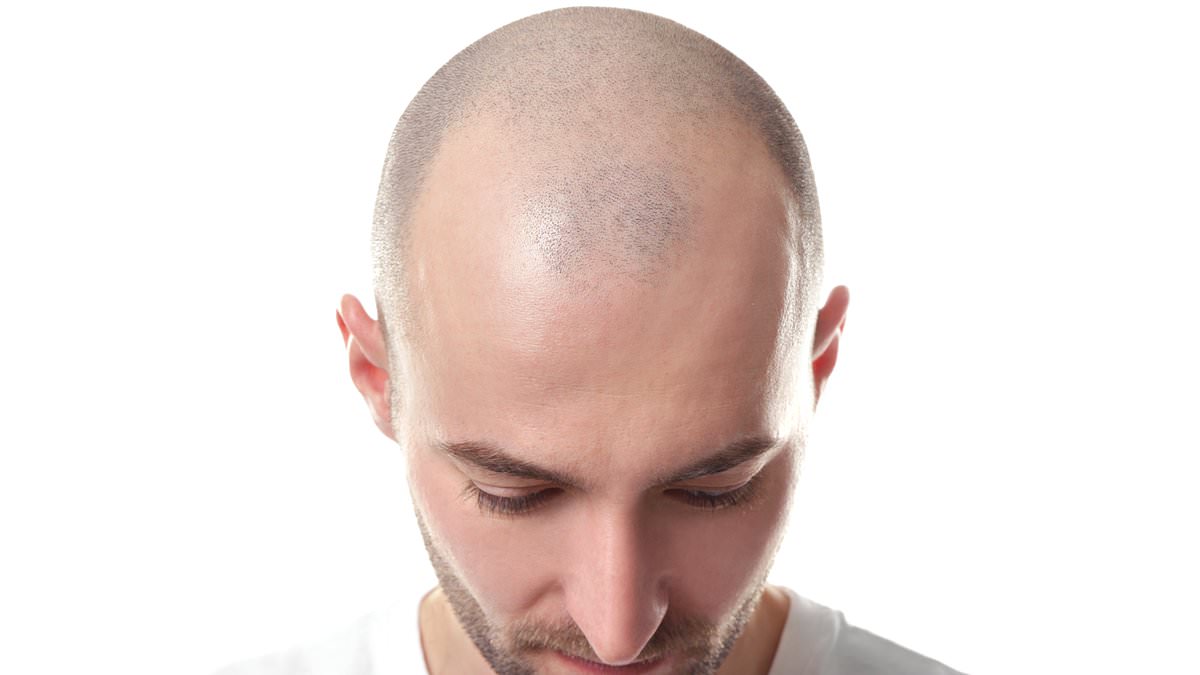
A map revealing the countries with the highest numbers of bald men shows the Czech Republic as the baldest country, followed by other nations with large Caucasian populations. The UK ranks fifth and the US eighth. Male pattern hair loss, caused by excessive dihydrotestosterone production, is the main culprit behind baldness. Age and genetic sensitivity to dihydrotestosterone are contributing factors. Vitamin deficiencies, particularly in B12 and D, may also hamper hair growth. The diets in these countries, heavy in meat and starches, may lack the necessary nutrients. New Zealand, with a younger population and a significant Maori population, has the lowest baldness rates.