The UK government has issued new guidance advising parents to limit reliance on shop-bought baby food pouches, emphasizing the importance of homemade meals and scrutinizing labels for sugar content, following concerns over nutritional adequacy and marketing practices of leading brands. The advice aims to address health risks and promote better feeding practices for infants.

A study conducted by The Ohio State University reveals that American adults consume an additional meal's worth of calories each day through snacking on junk food. These non-nutritious treats contribute up to 500 calories, approximately a quarter of their daily calorie intake and one-third of daily added sugar. The study highlights the lack of nutritional value in these snacks, which primarily consist of carbohydrates, sugars, and fats. The findings emphasize the need for individuals to choose snacks based on their nutritional needs and plan them accordingly.
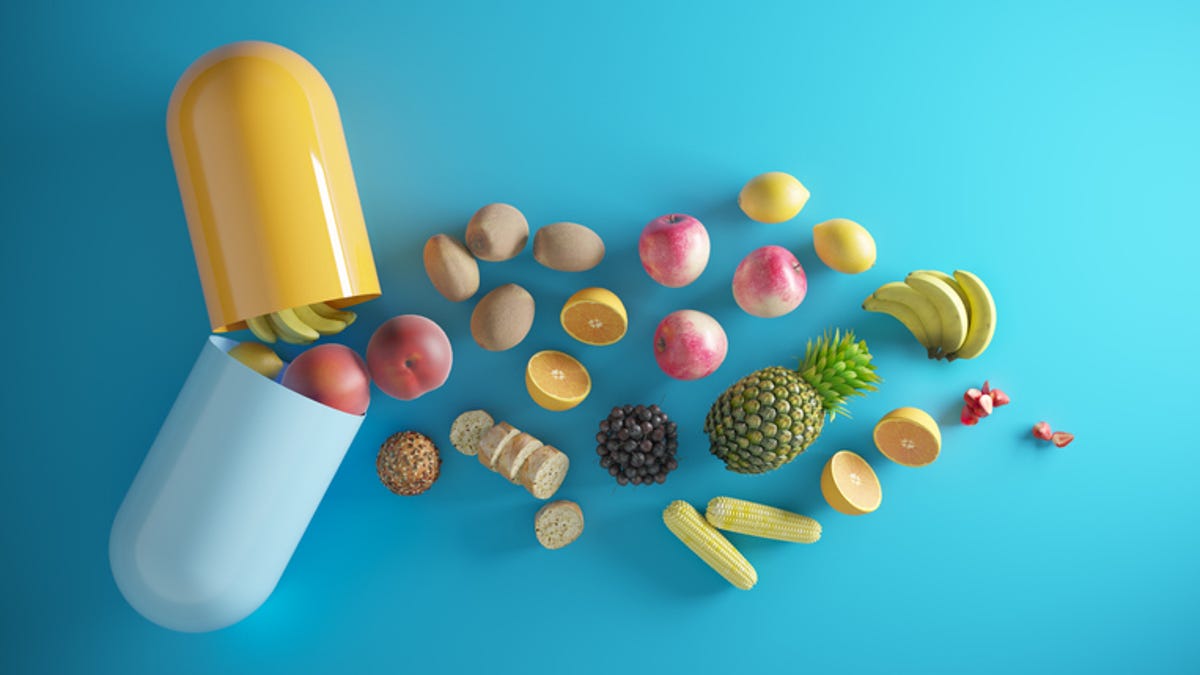
Vitamin deficiencies are common and can lead to various physical symptoms. Fatigue, muscle weakness, hair loss, dry skin, slow-healing wounds, mood changes, changes in vision, and tingling in the fingers or toes are all potential signs of vitamin deficiencies. Primary deficiencies can be addressed by adjusting your diet or taking supplements, while secondary deficiencies may require medical intervention. It's important to consult a healthcare professional for proper diagnosis and treatment.
A team of researchers argues that the U.S. dietary recommendations for protein intake are too low, based on outdated data and ignoring the specific needs of certain groups. They recommend increasing the recommended dietary allowance (RDA) of protein for older adults, children older than three, and pregnant or lactating women. The researchers suggest boosting the RDA for these groups to better support muscle protein production, growth, and physical performance. However, the good news is that on average, Americans already consume more protein than the current recommendations, except for pregnant women and older adults.
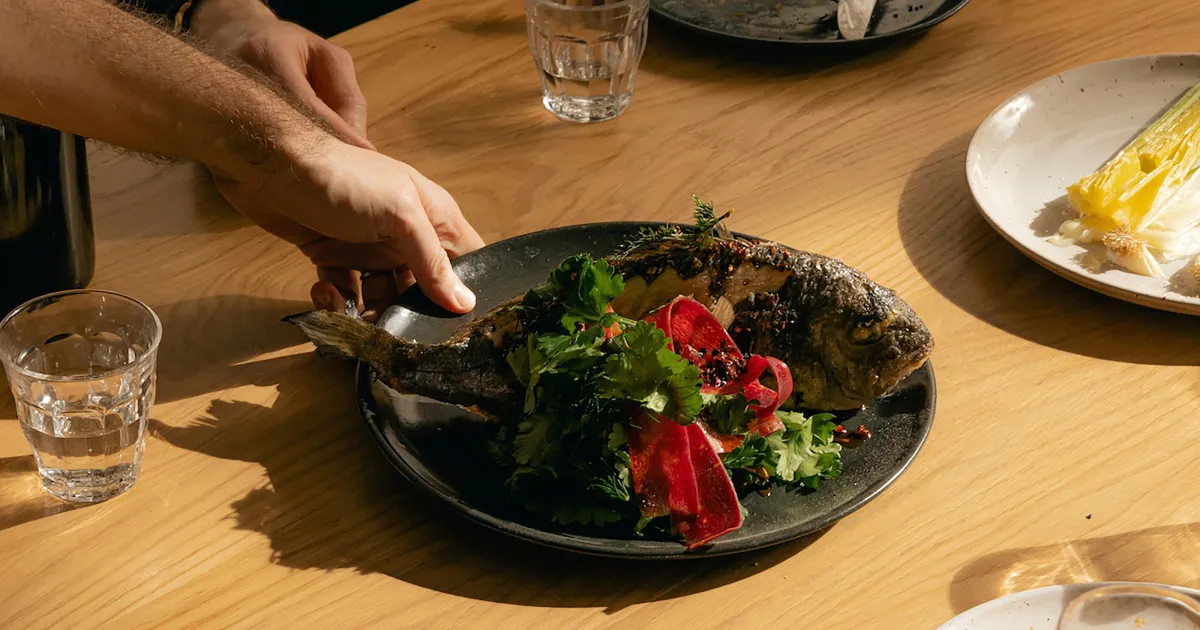
Lean proteins, such as fish, white meat, and legumes, are essential for individuals over 40 looking to build muscle and lose fat. Fish, rich in protein and omega-3 fatty acids, supports muscle growth and reduces inflammation. White meat, like chicken and turkey, is low in saturated fats and high in essential amino acids for muscle protein synthesis. Legumes, high in fiber and protein, aid in muscle growth, control appetite, and promote weight management. Incorporating these lean proteins into the diet can help maintain muscle mass and achieve a healthier body composition as we age.