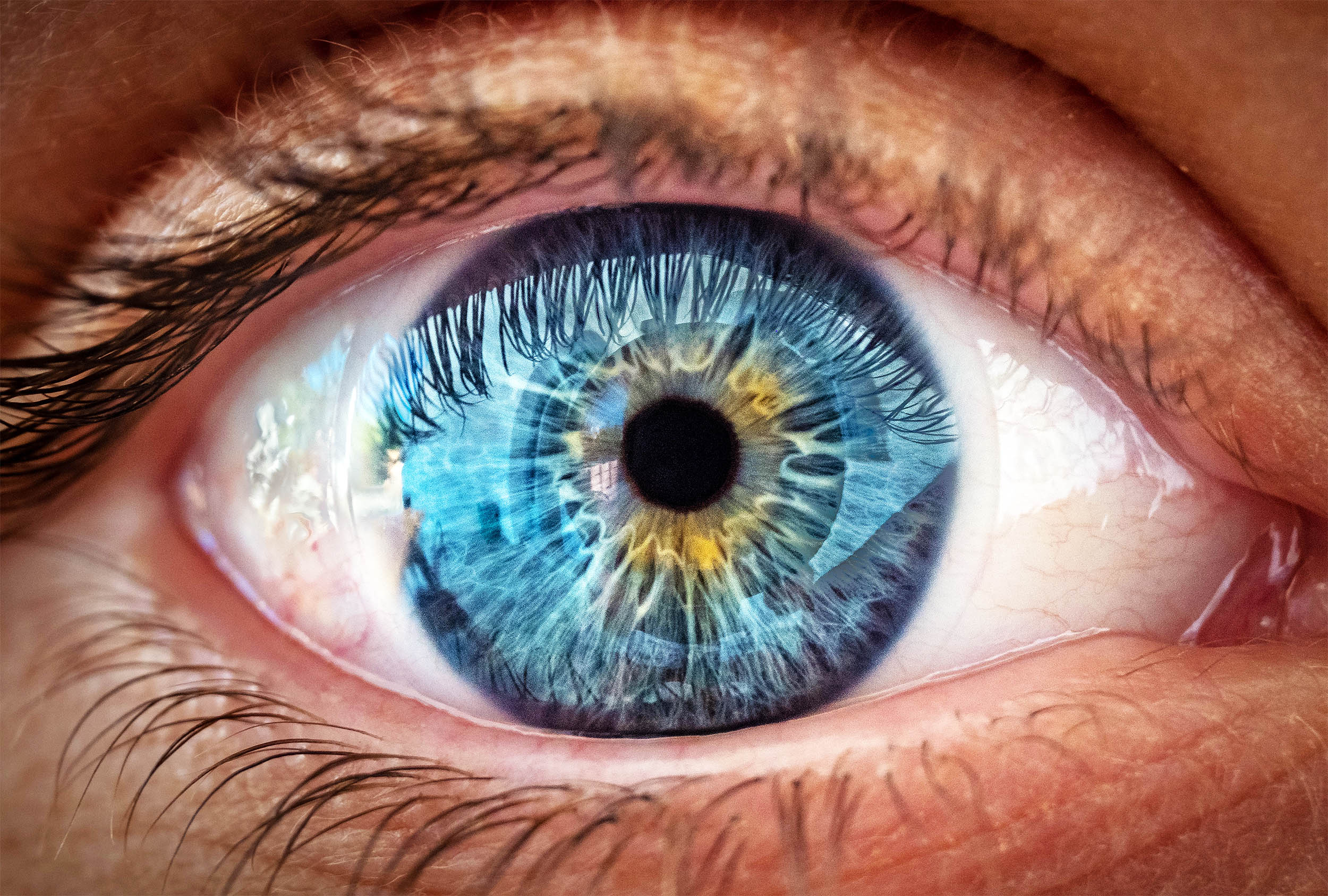
Research shows that subtle changes in visual processing, such as slower detection of faint shapes, can predict the onset of dementia up to 12 years in advance, suggesting eye-based tests could be a simple, cost-effective tool for early diagnosis and prevention.
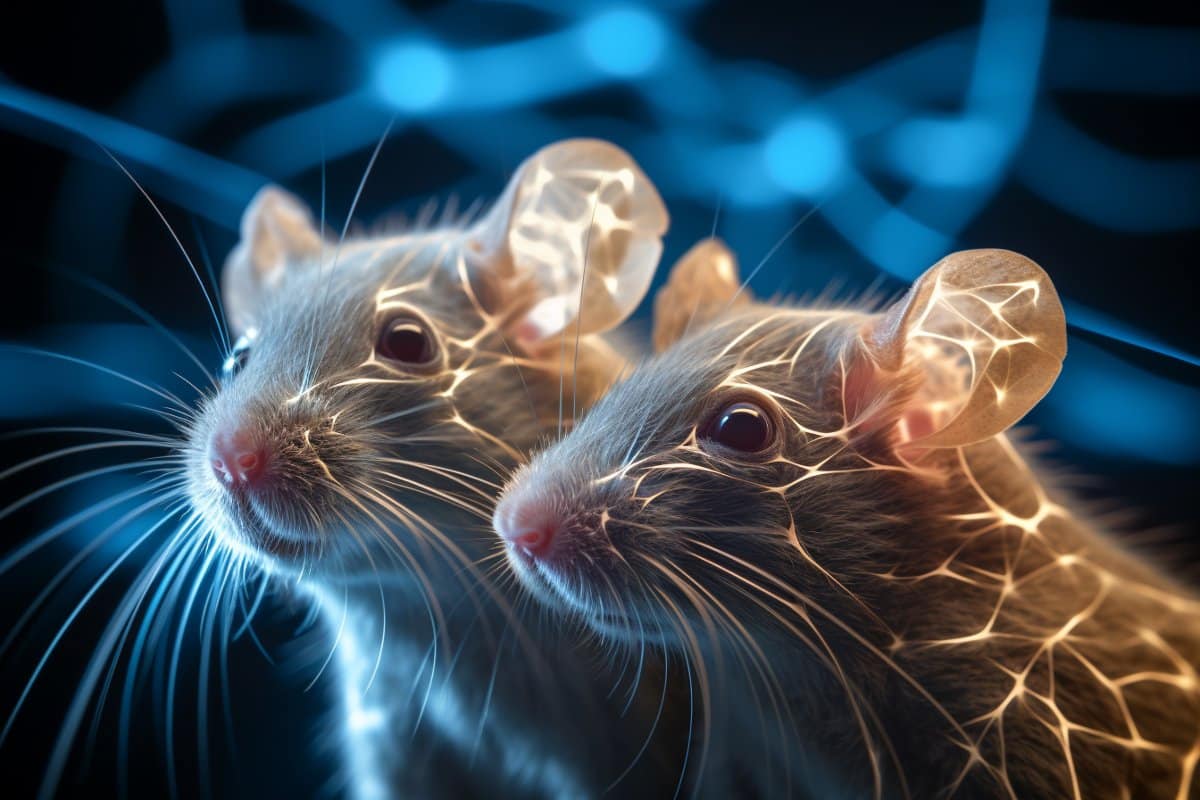
Research in mice shows that the brain can develop complex pattern recognition skills through passive exposure without rewards, suggesting that humans may also learn unconsciously during everyday activities, which could influence future AI training methods.
Stanford's Wu Tsai Neurosciences Institute has developed a topographic deep artificial neural network (TDANN) that mimics the brain's organization of visual information, successfully replicating the brain's functional maps. This breakthrough, published after seven years of research, has significant implications for neuroscience and AI, potentially leading to more energy-efficient AI systems and advancements in medical treatments and visual processing capabilities.
A study from the University of Rochester reveals that blinking not only keeps our eyes moist but also aids in processing visual information by providing the brain with information about the overall big picture of a visual scene. When we blink, the movement of the eyelid alters light patterns, creating a different kind of visual signal for the brain. This finding reinforces the idea that our vision is a combination of sensory input and motor activity, and adds to the growing body of evidence showing that the visual system is sensitive to temporal changes and uses them to represent spatial information.
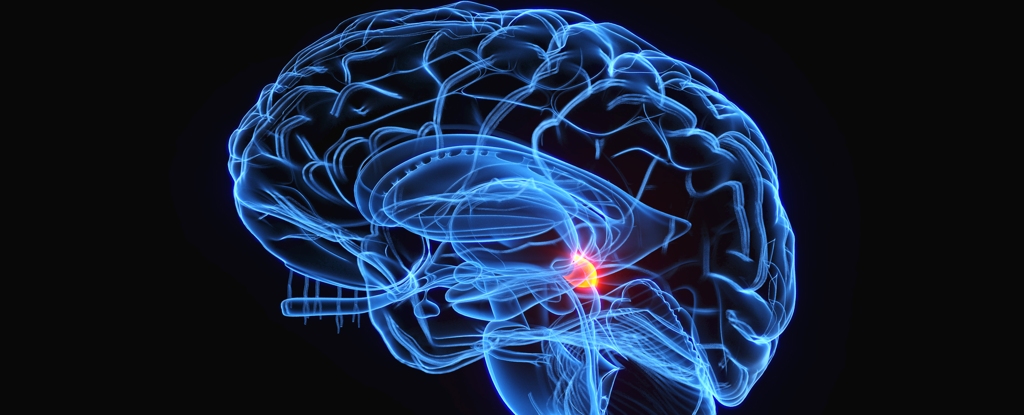
A new study suggests that the superior colliculus, a small pea-sized region in the human brain, plays a more significant role in vision than previously thought. Researchers from the Netherlands Institute for Neuroscience conducted experiments in mice and found that when the superior colliculus was switched off, the mice were less able to detect objects around them. This indicates that the superior colliculus, along with the visual cortex, is crucial in interpreting immediate surroundings. The study provides valuable new insight into the visual processing mechanism in the brain, although further research is needed to demonstrate these findings in humans.
A study by the Netherlands Institute for Neuroscience reveals that the superior colliculus, a small part of the brain, plays a crucial role in object detection and visual processing, challenging previous understanding. Using optogenetics and electrophysiology on mice, researchers found that deactivating the superior colliculus led to difficulties in distinguishing objects from backgrounds, indicating its significance in complex visual environments. This discovery could reshape our understanding of vision and potentially offer insights into addressing visual impairments.
Researchers have utilized AI-selected and generated images to study the brain's visual processing. By using functional MRI (fMRI), they found that these images elicited heightened brain activity in targeted areas compared to control images. The approach also allowed for the customization of visual models to individual responses, potentially revolutionizing neuroscience and therapeutic applications. This method provides an unbiased and systematic view of visual processing and could be applied to studying other sensory systems and exploring mental health treatments.
A study conducted by researchers at SISSA has found that rats possess specialized visual neurons similar to "pattern cells" found in primates, which are crucial for accurately perceiving motion. By recording and analyzing rat cortical cells, the researchers confirmed that these neurons have the ability to process complex visual motion. This discovery supports the use of rats as models for human vision research and could contribute to the development of artificial vision systems and understanding visual pathologies.
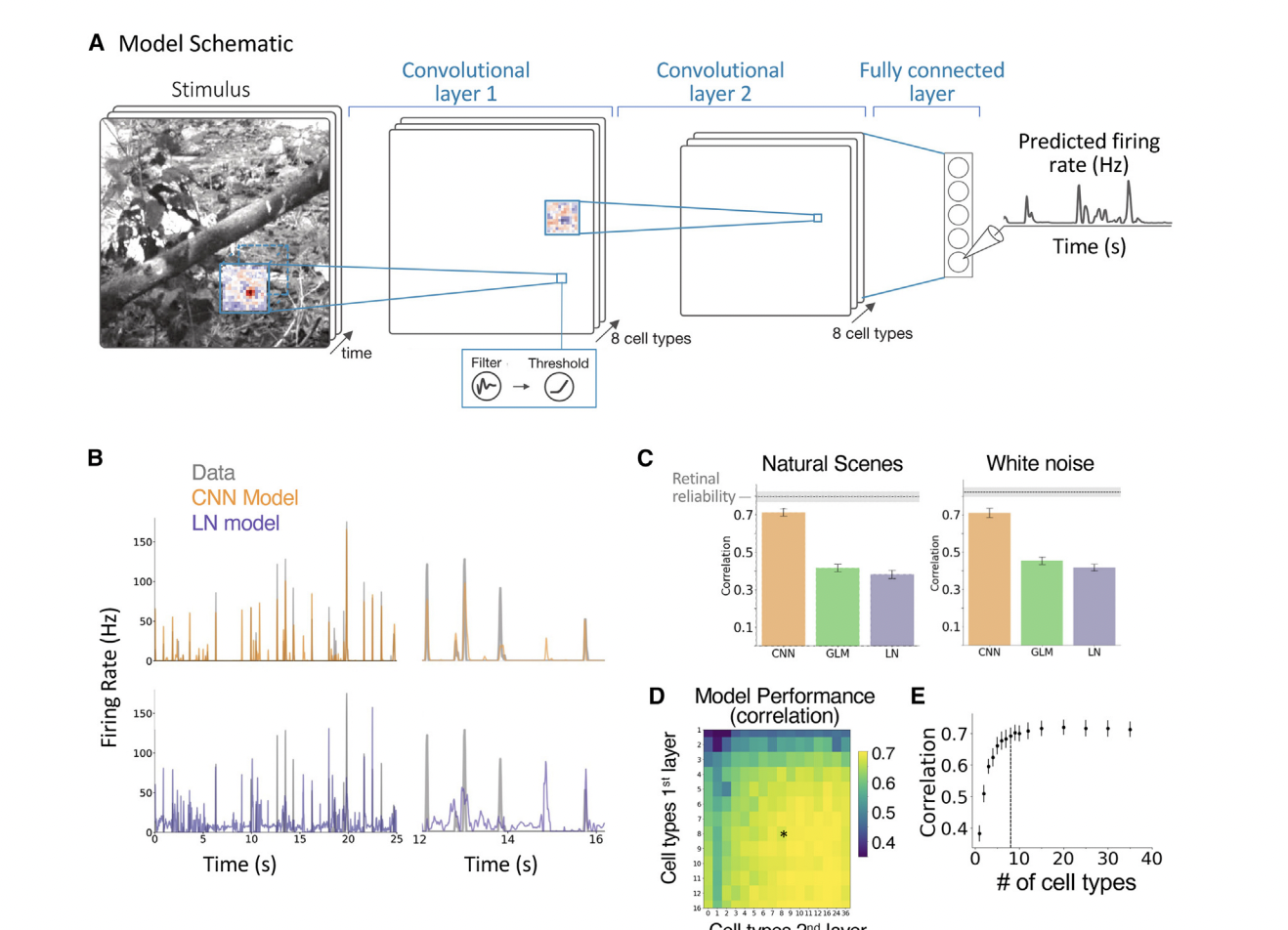
Researchers at Stanford have developed a three-layer network model that accurately predicts retinal responses to natural visual scenes. The model captures significant aspects of retinal interneuron activity and successfully reproduces motion analysis, adaptability, and predictive coding phenomena. By breaking down the computations carried out by the model's ganglion cells, the researchers generated novel theories about the interaction of interneurons in retinal processing. The study provides insights into the complex mechanisms underlying natural vision and how the visual system interprets the world.
A 35-year-old man with red-green color blindness experienced lasting improvements in his ability to distinguish different colors after taking magic mushrooms. The subject had previously experienced improved color vision after experimenting with various psychedelic drugs. The study authors explain that the man had previously been diagnosed with mild red-green color blindness by an optometrist. The researchers are reluctant to make any definitive statements on the back of a single self-reported case, and therefore call for more studies into the role of psychedelics in treating color blindness.
Researchers at Weill Cornell Medicine have discovered that ocular drift, a subtle and seemingly random type of eye movement, can be influenced by prior knowledge of the expected visual target, suggesting a surprising level of cognitive control over the eyes. The study adds to the scientific understanding of how vision is controlled and directed by cognitive processes. The findings could lead to better insights into the neuroscience of vision and visual disorders, which may sometimes have a motor component too.